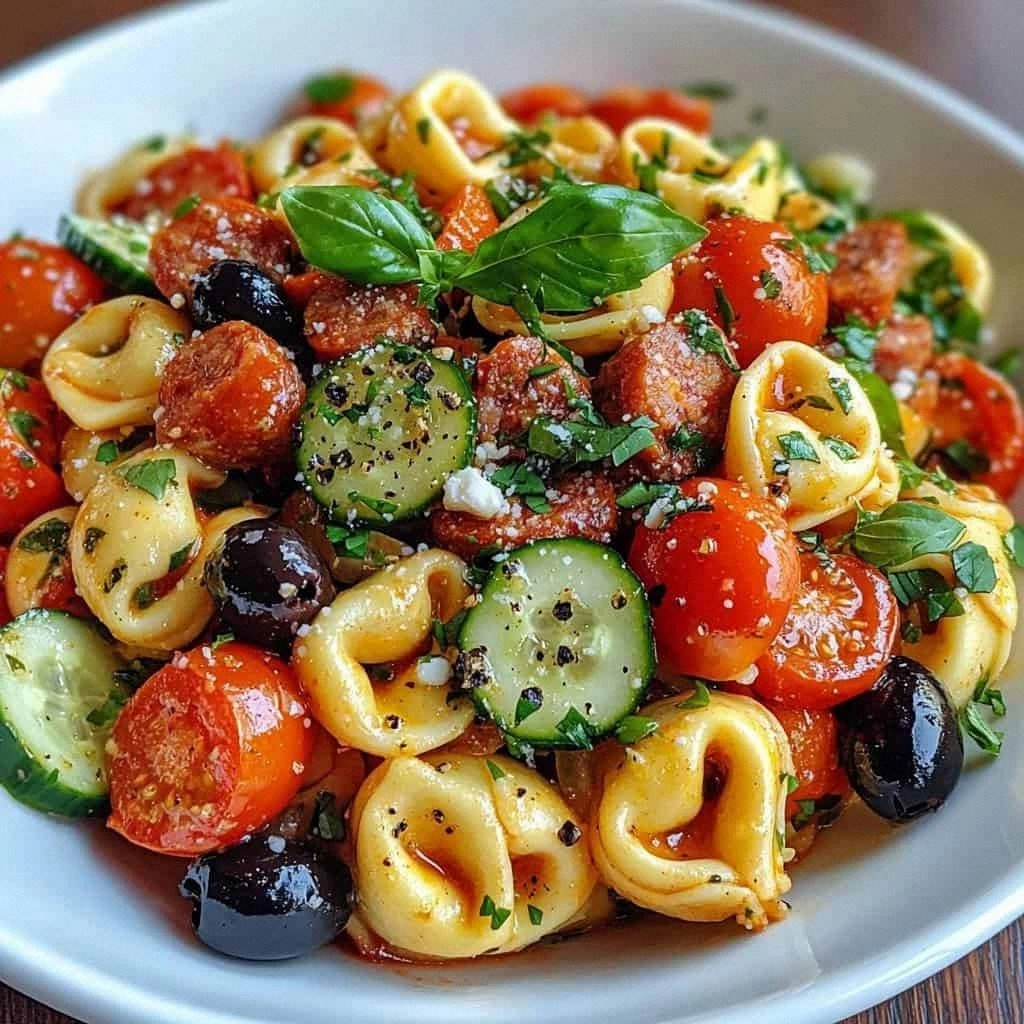
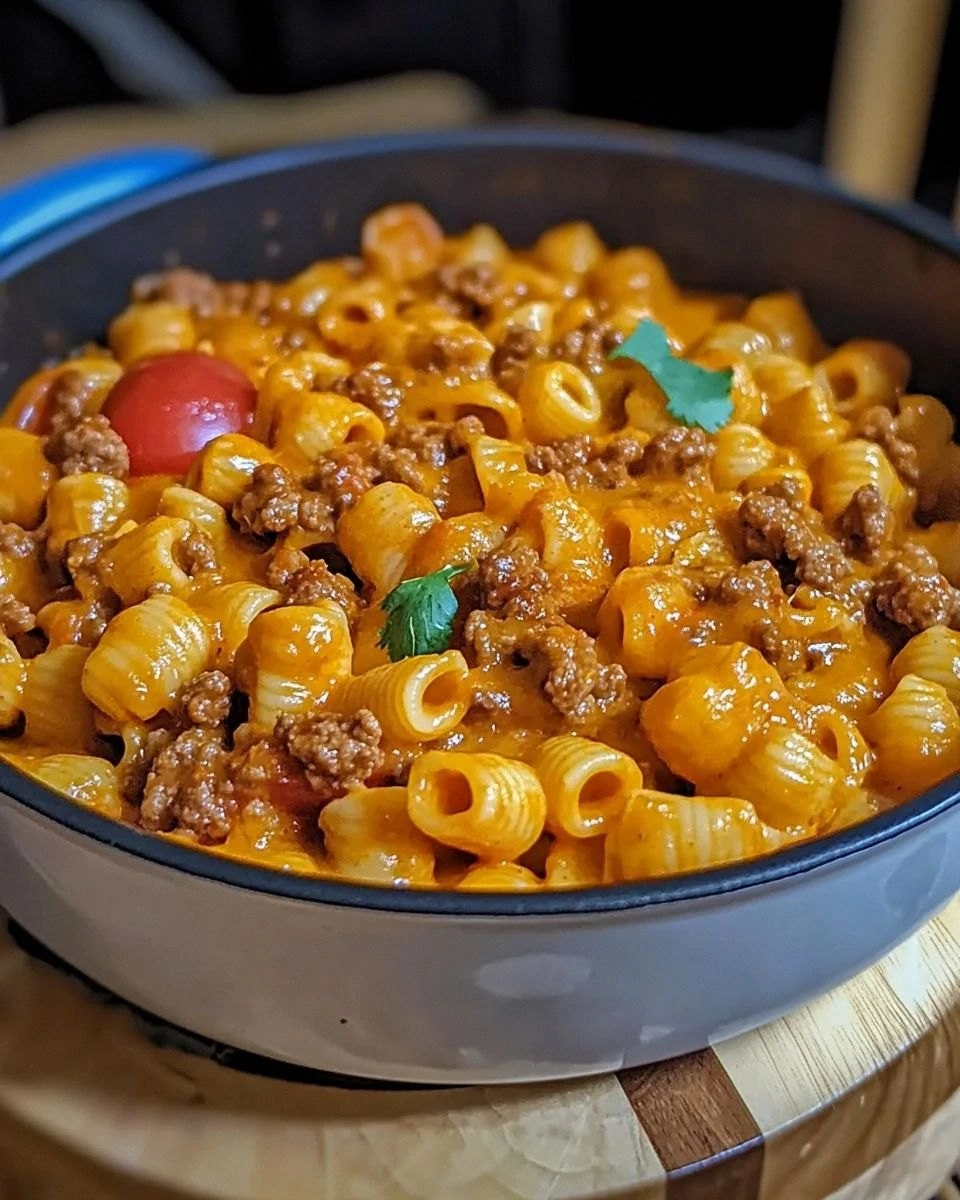
Picture this: it’s a sweltering Saturday afternoon, the kids have been bouncing off the walls, the grill is smoking, and you’ve just realized you’ve run out of the usual side dishes. Panic? Not today. I was in a similar kitchen crisis last month, and after a frantic search through my pantry I stumbled upon a dusty bag of rotini, a half‑full jar of Kalamata olives, and a lone lemon begging for redemption. I thought, “Why not throw together something that screams summer, but also feels like a comforting hug for the whole family?” That moment of desperation birthed the most unforgettable Greek pasta salad you’ll ever taste. I dared myself to make it so bold, so bright, that even the most skeptical palate would be forced to admit defeat.
The moment the pasta hit the boiling water, a fragrant steam rose, carrying whispers of wheat and a promise of al dente perfection. As the pasta swirled, I could already hear the sizzle of the olive oil waiting in the bowl, the pop of fresh herbs, and the subtle snap of cucumber dice. My kitchen filled with the aroma of lemon zest mingling with oregano, a scent that reminded me of a Mediterranean breeze slipping through an open window. The colors were already a feast for the eyes: ruby cherry tomatoes, deep‑purple olives, and a burst of green parsley that looked like confetti at a celebration.
What makes this version a cut above the rest? Most Greek pasta salads are soggy, bland, or over‑seasoned with a single, overpowering vinaigrette. I’ve cracked the code by balancing the acidity of lemon with the richness of extra‑virgin olive oil, and by adding a secret touch of garlic‑infused oil that coats each noodle like velvet. The result is a salad that stays crisp in the fridge, yet becomes more harmonious with each passing hour. I’m about to spill the beans on that secret ingredient that most recipes completely overlook – a tiny splash of white wine vinegar that brightens the whole dish without stealing the spotlight.
Okay, ready for the game‑changer? I’m going to walk you through every single step, from picking the perfect pasta shape to the exact moment you drizzle the dressing. By the end, you’ll wonder how you ever made a Greek pasta salad any other way. I dare you to taste this and not go back for seconds.
What Makes This Version Stand Out
- Flavor Explosion: The lemon‑olive oil dressing hits your tongue with a bright zing that’s instantly balanced by the salty depth of Kalamata olives. It’s like a Mediterranean party in every bite.
- Texture Symphony: Al dente pasta meets crisp cucumber, juicy tomatoes, and a satisfying bite from the olives – no soggy nonsense here.
- Simplicity Meets Sophistication: Fewer than fifteen ingredients, yet each one shines. No need for fancy gadgets or hard‑to‑find herbs.
- Unique Twist: A dash of white wine vinegar sneaks into the dressing, unlocking flavors that most recipes miss entirely.
- Crowd‑Pleaser: Whether you’re feeding picky kids or a crowd of food‑ies, this salad gets rave reviews and empty plates.
- Ingredient Quality: Using high‑quality extra‑virgin olive oil and authentic Kalamata olives makes a world of difference in taste.
- Make‑Ahead Magic: The flavors meld beautifully after a few hours, so you can prep it ahead of your family dinner and still serve it fresh.
- Versatile Base: The pasta can be swapped for gluten‑free shapes, making it adaptable for any dietary need.
Inside the Ingredient List
The Flavor Base
The heart of this salad is the lemon‑olive oil vinaigrette. Freshly squeezed lemon juice provides a sharp, citrusy edge that cuts through the richness of the oil, while the olive oil supplies a buttery mouthfeel that carries the oregano and garlic throughout every strand of pasta. If you skip the lemon, you’ll end up with a bland, oily mess that feels like chewing on a drizzle of motor oil. For the best result, use a lemon that yields at least two tablespoons of juice – you’ll know it’s ripe when it feels heavy for its size and gives off a fragrant zest when you rub it.
The Texture Crew
Pasta is the canvas, but the real texture heroes are the cucumber, bell pepper, and red onion. Diced cucumber adds a watery crunch that keeps each bite lively, while the bell pepper contributes a sweet snap that balances the acidity. The red onion, finely chopped, offers a subtle sharpness that mellows once it sits in the dressing. If you omit any of these, the salad loses its multi‑dimensional bite and can feel one‑note. Feel free to substitute a crisp apple for cucumber if you want a sweet‑tart twist.
The Unexpected Star
Kalamata olives are the unsung champions of this dish. Their briny, slightly fruity flavor lifts the entire salad, making it taste authentically Greek. When you slice them thin, they distribute their salty goodness evenly, ensuring every forkful has a little burst of Mediterranean sunshine. Using regular black olives will give you a milder taste and miss that signature depth. Look for olives packed in olive oil rather than water for the richest flavor.
The Final Flourish
Fresh parsley and optional feta cheese are the finishing touches that turn a good salad into a masterpiece. Parsley adds a herbaceous brightness that pairs perfectly with lemon, while feta (if you choose to add it) contributes a creamy, tangy crumble that contrasts the crisp vegetables. Skipping the parsley will make the dish feel flat, and leaving out feta will lose that salty creaminess many love. If you need a dairy‑free option, crumble some toasted tofu seasoned with a pinch of salt.
Everything's prepped? Good. Let’s get into the real action…
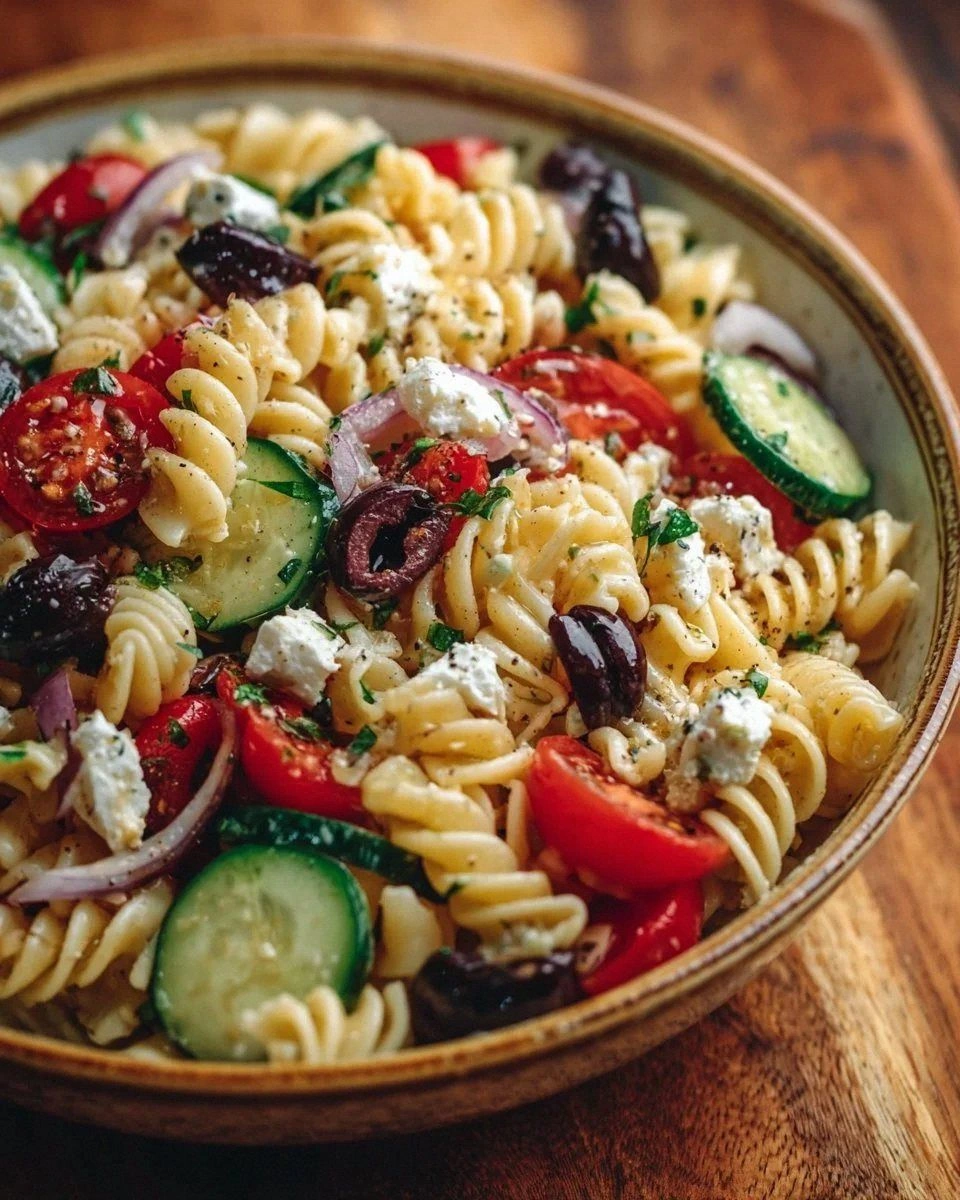
The Method — Step by Step
Bring a large pot of salted water to a rolling boil. Add the rotini (or penne) and stir gently. Cook for 8‑9 minutes, or until the pasta is al dente – you want that slight bite that will hold up against the dressing. Once done, drain and immediately rinse under cold water to stop the cooking process; this also helps the pasta stay firm. Toss the pasta with a drizzle of olive oil to keep it from sticking together while you prep the veggies.
While the pasta cooks, dice the cucumber, bell pepper, and red onion into uniform bite‑size pieces. The key here is consistency – if the pieces are too big, they’ll dominate the bite; too small, and they’ll disappear into the pasta. I like to keep the cucumber cubes about a quarter inch, the bell pepper a half inch, and the onion finely minced. This size ensures every forkful has a perfect balance of crunch and flavor.
Kitchen Hack: After dicing the cucumber, sprinkle a pinch of salt and let it sit for 5 minutes, then pat dry. This removes excess moisture and keeps the salad from getting watery.Halve the cherry tomatoes. If you prefer a less juicy salad, give them a quick toss in a separate bowl with a pinch of salt for 10 minutes; the excess juice will be drawn out, leaving a firmer bite. This step is optional but makes a big difference in texture, especially if you’re serving the salad the next day.
Slice the Kalamata olives lengthwise. The thin slices distribute the briny flavor evenly, ensuring no bite is left olive‑free. If you’re sensitive to salt, give the olives a quick rinse under cold water before slicing – you’ll still retain their characteristic taste without the extra sodium.
Now for the dressing: In a medium bowl, whisk together the olive oil, lemon juice, white wine vinegar, minced garlic, dried oregano, and a pinch of salt and pepper. The garlic should be finely minced or pressed so it disperses smoothly; whole pieces will leave pockets of raw garlic that can be overwhelming. Whisk until the mixture emulsifies – you’ll see it thicken slightly, coating the back of a spoon like a silky sauce.
Fun Fact: A traditional Greek vinaigrette, called “skordalia,” often uses garlic as its base, showing how central garlic is to Mediterranean flavor profiles.Combine the cooled pasta, diced vegetables, tomatoes, olives, and chopped parsley in a massive mixing bowl. Here’s the trick: add the dressing in a slow, steady stream while gently tossing the salad. This ensures every noodle gets a thin, even coating rather than pooling at the bottom. Watch Out: If you dump the entire dressing all at once, the salad will become soggy and the flavors will not distribute properly.
Watch Out: Over‑mixing can crush the pasta and turn the salad mushy. Toss gently until just combined.Season with additional salt and pepper to taste. This is where your nose becomes the ultimate judge – give it a sniff, taste a tiny spoonful, and adjust. If the salad feels a touch too sharp, drizzle a few more teaspoons of olive oil; if it needs a pop, add a squeeze of fresh lemon. Remember, the flavors will mellow as the salad rests, so err on the side of a little extra acidity now.
If you’re using feta, crumble it over the top now. The cheese will begin to soften slightly from the residual heat of the pasta, creating creamy pockets that melt into the vinaigrette. For a dairy‑free version, skip the feta and add a handful of toasted pine nuts for crunch and a nutty undertone.
Cover the bowl with plastic wrap and refrigerate for at least 30 minutes, preferably an hour. This resting period is pure magic – the pasta absorbs the dressing, the herbs release their oils, and the flavors meld into a harmonious whole. When you finally serve, give the salad a final gentle toss and garnish with a few extra parsley leaves for visual flair.
That's it — you did it. But hold on, I've got a few more tricks that'll take this to another level...
Insider Tricks for Flawless Results
The Temperature Rule Nobody Follows
Never add the dressing to hot pasta. Let the pasta cool to room temperature first; this prevents the olive oil from separating and ensures a glossy coating. I once poured the vinaigrette over steaming rotini and ended up with a greasy mess that clumped together. The rule of thumb: “Cool pasta, hot heart” – cool the base, keep the flavor intensity high.
Why Your Nose Knows Best
Before you taste, give the salad a good sniff. The aroma of lemon and oregano will tell you if the dressing is too sharp or needs more oil. Trust your olfactory senses more than the spoonful; they’re more sensitive to balance. If you detect a metallic hint, a pinch of sugar can neutralize it without making the salad sweet.
The 5‑Minute Rest That Changes Everything
Even if you’re short on time, let the salad sit uncovered for five minutes after tossing. This brief rest lets the surface moisture evaporate, keeping the pasta from getting soggy. It also gives the parsley a chance to wilt just enough to release its flavor without turning mushy.
Olive Oil Quality Hack
Use a cold‑pressed, extra‑virgin olive oil with a fruity profile. The oil’s peppery notes will complement the lemon and oregano, adding depth you won’t get from a generic “olive oil blend.” If you’re on a budget, a good quality “light” olive oil works, but avoid “pure” or “refined” oils that lack character.
Feta Placement Strategy
Crumbled feta on top of the salad just before serving retains its texture, whereas mixing it in early can cause the cheese to dissolve into the dressing. This simple timing trick preserves the delightful contrast of creamy cheese against crisp veggies.
Creative Twists and Variations
This recipe is a playground. Here are some of my favorite ways to switch things up:
Sun‑Dried Tomato Surprise
Swap half the cherry tomatoes for chopped sun‑dried tomatoes soaked in olive oil. The result is a richer, slightly sweet bite that pairs beautifully with the briny olives. Ideal for a more robust flavor profile.
Herbaceous Overload
Introduce fresh mint and dill alongside parsley. The mint adds a cooling freshness, while dill contributes an anise‑like note that lifts the entire dish. Great for those who love herb‑heavy salads.
Protein Power
Fold in grilled chicken breast strips, marinated tofu cubes, or even canned chickpeas for a protein boost. The added protein turns this side into a satisfying main course, perfect for lunchboxes.
Spicy Greek
Add a finely diced jalapeño or a pinch of crushed red pepper flakes to the dressing. The heat cuts through the richness and adds a surprising kick that will wow spice lovers.
Greek‑Meets‑Mediterranean
Mix in roasted red peppers, artichoke hearts, or even a handful of capers for an extra layer of Mediterranean complexity. These ingredients bring smoky and tangy dimensions that keep the palate excited.
Winter Warmth
For a cozy, colder‑weather version, replace the cucumber with roasted butternut squash cubes and add a sprinkle of toasted pine nuts. The warmth of the squash contrasts with the bright lemon, creating a comforting seasonal twist.
Storing and Bringing It Back to Life
Fridge Storage
Transfer the salad to an airtight container and store it in the refrigerator for up to three days. Keep the feta on the side if you plan to serve later; this prevents it from getting soggy. Before serving, give the salad a quick stir and a splash of fresh lemon juice to revive the brightness.
Freezer Friendly
While pasta salads aren’t typically freezer‑friendly, this one holds up surprisingly well if you freeze the undressed pasta and veggies separately. Portion into freezer bags, label, and store for up to one month. Thaw overnight in the fridge, then toss with the dressing and feta before serving.
Best Reheating Method
If you’ve frozen the undressed components, reheat the pasta gently in a skillet with a drizzle of olive oil just until warmed through – no microwave! Add a tiny splash of water (about a tablespoon) before reheating; the steam will bring the pasta back to its original texture without drying it out.