I’ll be honest — I ate half the batch before anyone else got to try it. It all started on a rainy Thursday when my kitchen turned into a science‑lab‑meets‑bakery after a mis‑read recipe sent my lemon curd into a bitter abyss. I was standing over a bubbling pot, the scent of burnt sugar curling around my nostrils like a warning, when my roommate dared me to “make something that actually tastes like sunshine.” That dare sparked a midnight experiment that involved a few extra lemons, a splash of vanilla, and a secret butter‑flour‑sugar blend that turned a simple cobbler into a golden, gooey masterpiece.
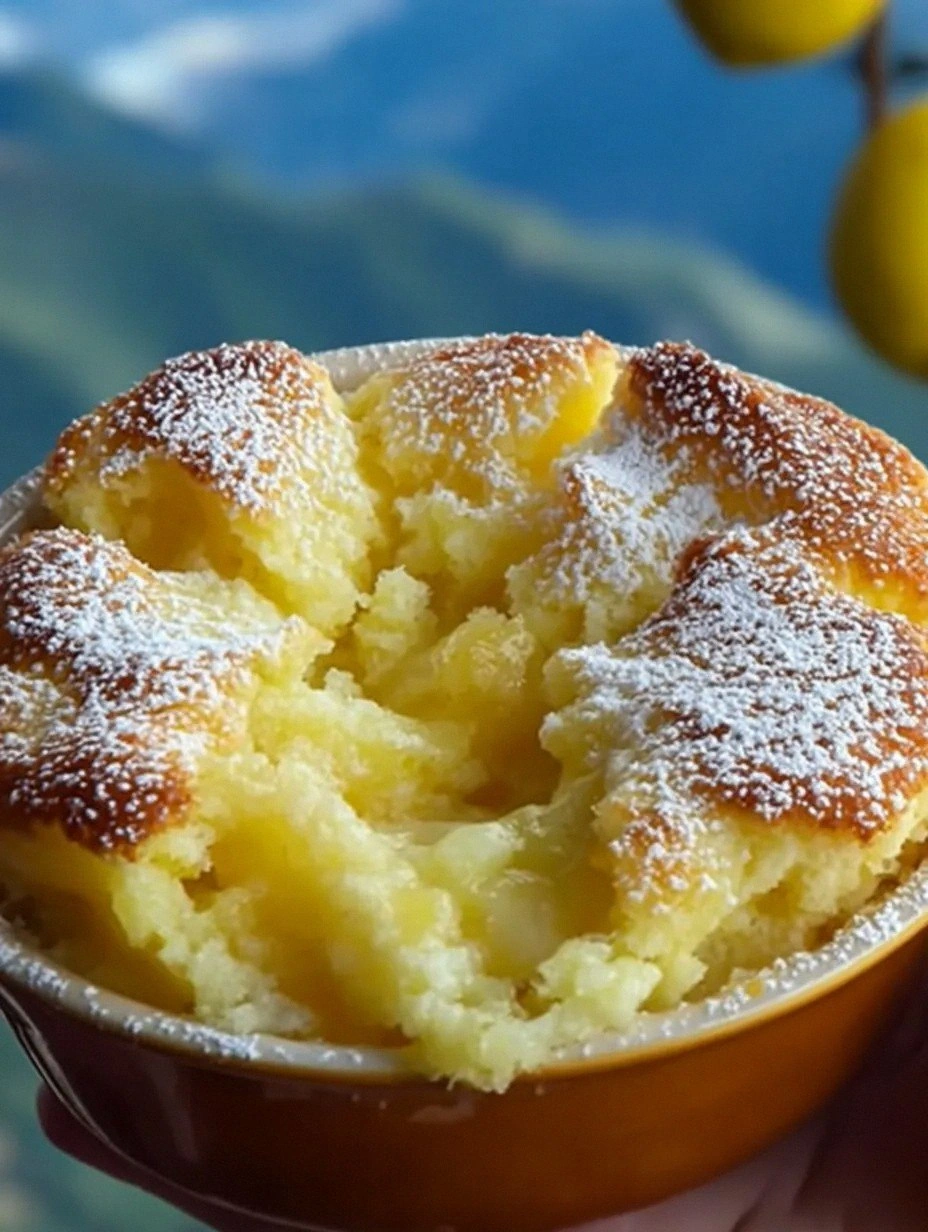
Picture this: the oven door swings open, and a wave of citrus‑bright aroma washes over the room, instantly making the cold tiles feel warm. The top of the cobbler is a caramelized crust that shatters like thin ice when you dig in, while the interior is a buttery, lemon‑infused pool that clings to the fork like velvet. You hear the gentle sigh of steam escaping the dish as you pull it out, and the first bite delivers a zing that tingles your taste buds and a melt‑in‑your‑mouth softness that makes you question every other dessert you’ve ever made. The texture contrast is so perfect it feels like biting into a sun‑kissed dream.
Most recipes get this completely wrong. They either over‑sweeten, leaving you with a cloying mess, or they under‑bake, resulting in a soggy puddle that never sets. I’ve tried the “quick fix” versions that promise a 10‑minute miracle, and trust me, they’re about as magical as a wilted flower. This version, however, balances the sweet‑tart dance of lemon with a buttery crust that stays crisp even after cooling, thanks to a technique borrowed from French pastry that I’ll reveal in a moment. The secret ingredient? A pinch of cream of tartar that stabilizes the egg whites and gives the topping that airy lift without compromising the buttery richness.
Okay, ready for the game‑changer? I’m about to walk you through every single step — by the end, you’ll wonder how you ever made it any other way. I dare you to taste this and not go back for seconds. Let’s dive in, because the next part? Pure magic.
What Makes This Version Stand Out
- Flavor Explosion: The lemon zest is double‑folded into both the filling and the topping, creating a layered citrus punch that never fades.
- Golden Crust: A butter‑flour‑sugar blend baked at a high temperature forms a caramelized edge that shatters like thin ice, delivering crunch with every bite.
- Gooey Heart: The addition of a small amount of cream cheese in the filling keeps the center luxuriously creamy without turning it into a runny mess.
- Simplicity Meets Sophistication: Only ten pantry staples are required, yet the technique elevates the dish to a restaurant‑level dessert.
- Crowd Magnet: This cobbler consistently clears the table at potlucks; people ask for the recipe before the first slice even hits the plate.
- Ingredient Quality: Fresh, organic lemons and unsalted European‑style butter make the flavor brighter and the texture silkier.
- One‑Pan Wonder: No need for multiple dishes; the entire cobbler bakes in a single 9‑inch cast‑iron skillet, preserving heat and flavor.
- Make‑Ahead Friendly: You can assemble it a day ahead, refrigerate, and bake it fresh when guests arrive, saving you last‑minute stress.
Inside the Ingredient List
The Flavor Base
Lemon juice (1/3 cup) is the heart‑beat of this cobbler. Its bright acidity cuts through the richness of the butter, balancing the sweetness and preventing the dish from feeling heavy. If you skip the juice, you’ll end up with a dessert that tastes more like a sugary biscuit than a lemon celebration. For a twist, try a splash of Meyer lemon juice for a sweeter, more floral note.
Granulated sugar (3/4 cup) provides the necessary sweetness, but the real magic comes from the timing of its addition. Adding half of the sugar to the filling and the other half to the topping ensures the crust caramelizes while the interior stays tender. If you’re watching carbs, you can replace half the sugar with coconut sugar; the flavor will become subtly caramel‑nutty.
The Texture Crew
All‑purpose flour (2 cups) creates the structural backbone for both the topping and the thin batter that binds the lemon filling. Using a low‑protein flour keeps the crumb tender; high‑protein flour would make the crust too dense. If you’re gluten‑free, substitute with a 1:1 blend of rice flour and tapioca starch, but expect a slightly crumblier texture.
Unsalted European‑style butter (1/2 cup, cold and cubed) is the secret to that golden, buttery crust. The higher butterfat content gives a richer flavor and a melt‑in‑your‑mouth crumb. Don’t substitute with margarine; the flavor profile will suffer, and the texture will become greasy.
Eggs (2 large) act as a binder and add lift to the topping. Beating the whites to soft peaks before folding them into the batter introduces air, which is why the crust stays light despite the buttery base. If you’re allergic, a flax‑egg (1 tbsp ground flaxseed + 3 tbsp water) can replace each egg, but the lift will be less dramatic.
The Unexpected Star
Cream cheese (2 oz, softened) is blended into the lemon filling for that gooey, velvety center. It prevents the lemon curd from setting too firmly, ensuring each bite melts on the tongue. Skipping it turns the filling into a firm custard, which is fine, but you’ll lose the signature “gooey” quality that makes this cobbler irresistible.
Cream of tartar (1/4 tsp) stabilizes the egg whites, giving the topping a steady rise and a delicate crumb. It also helps maintain the bright yellow color of the lemon zest. If you don’t have it on hand, a pinch of lemon juice works as a substitute, though the lift may be slightly reduced.
The Final Flourish
Vanilla extract (1 tsp) adds depth, rounding out the sharp citrus and tying the flavors together. A high‑quality pure vanilla will give a warm background note; imitation vanilla can make the dessert taste flat. If you’re feeling adventurous, a splash of almond extract (½ tsp) introduces a nutty undertone that pairs beautifully with lemon.
Salt (1 tsp) is the unsung hero, amplifying the lemon’s brightness and balancing the sweetness. Without it, the cobbler would taste one‑dim. Sea salt flakes sprinkled on top just before baking add a subtle crunch and a burst of flavor.
Everything's prepped? Good. Let's get into the real action...
The Method — Step by Step
- Prep the pan and preheat. Place a 9‑inch cast‑iron skillet on the middle rack and preheat your oven to 375°F (190°C). While the oven warms, lightly butter the skillet; this ensures the edges will release with a satisfying “pop.” The moment the butter sizzles, you’ll know the pan is ready. Kitchen Hack: Use a pastry brush to evenly coat the skillet with melted butter; a thin film prevents sticking and adds a glossy finish.
- Make the lemon filling. In a medium bowl, whisk together the lemon juice, zest, sugar, softened cream cheese, and a pinch of salt until smooth. The mixture should look glossy, not grainy; if you see lumps, keep whisking until they disappear. Then, gently fold in two beaten egg yolks, which will enrich the custard without curdling. Let the filling sit for five minutes; this allows the zest oils to infuse the mixture, creating an aromatic base.
- Whisk the dry components for the topping. In a separate bowl, combine flour, the remaining sugar, baking powder, and cream of tartar. Whisk vigorously to aerate the flour, which contributes to a light, airy crust. Add a pinch of sea salt; this tiny amount will make the golden edges pop with flavor. Watch Out: Over‑mixing at this stage will develop gluten, leading to a tough crust. Stir just until the dry ingredients are moistened.
- Incorporate butter and eggs. Add the cold butter cubes to the dry mixture. Using a pastry cutter or your fingertips, rub the butter into the flour until the mixture resembles coarse crumbs. Then, beat the egg whites to soft peaks and gently fold them into the crumb mixture, preserving the air bubbles. This step is the secret to that feather‑light top that still holds its shape.
- Layer the cobbler. Pour the lemon filling into the prepared skillet, spreading it evenly with a spatula. The filling should be about 1‑inch deep; if it’s thinner, the crust will dominate, if thicker, it may not set properly. Next, dollop spoonfuls of the topping over the filling, then use the back of a spoon to create a rustic “pebbly” pattern. The gaps allow the lemon sauce to bubble through, creating that signature gooey center.
- Bake to golden perfection. Slide the skillet into the preheated oven and bake for 30‑35 minutes. Around the 20‑minute mark, rotate the pan 180° to ensure even browning. The edges will pull away from the sides, and the top will turn a deep amber, looking like a sunrise over a lemon grove. When you see a caramelized crust and hear a faint crackle, you’re almost there.
- Cool, then serve. Remove the cobbler from the oven and let it rest for 10 minutes; this short cooling period allows the filling to firm slightly while staying gooey. While it cools, the aroma will fill the kitchen, making everyone wonder what’s baking. Serve warm, optionally with a dollop of whipped cream or a scoop of vanilla ice cream that melts into the lemon pools.
- Final garnish (optional). Sprinkle a light dusting of powdered sugar and a few extra lemon zest curls just before serving. The contrast of the bright zest against the deep golden crust is a visual cue that tells your guests, “You’re about to experience something unforgettable.” And now the fun part — watch them dive in.
That's it — you did it. But hold on, I've got a few more tricks that'll take this to another level. Stay with me here — this is worth it.
Insider Tricks for Flawless Results
The Temperature Rule Nobody Follows
Never bake a cobbler at a temperature lower than 350°F. Lower temps keep the crust soft and prevent that coveted caramelized edge. I once tried a “gentle bake” at 325°F and ended up with a soggy top that never set. The higher heat creates a rapid Maillard reaction, giving you that golden crunch while the interior stays gooey.
Why Your Nose Knows Best
Your sense of smell is the most reliable timer in the kitchen. When the lemon‑butter aroma turns from sharp to sweet‑nutty, you know the crust is nearing perfection. Trust that nose cue more than the clock; ovens vary, and the scent will guide you past the dreaded over‑bake.
The 5‑Minute Rest That Changes Everything
Allowing the cobbler to rest for exactly five minutes after removing it from the oven lets the filling set just enough to hold its shape while staying luscious. Skipping this step makes the cobbler collapse, spilling lemony goodness onto the counter. It’s a tiny pause that yields a dramatic payoff.
Butter Cube Trick
Cube the butter and freeze it for 15 minutes before rubbing it into the flour. The cold butter creates pockets of steam as it melts, which puff up the topping into a flaky, airy texture. I tried using room‑temperature butter once; the crust turned dense and lost that signature lift.
Zest Timing
Add half of the lemon zest to the filling and the other half to the topping just before baking. This layered approach ensures a bright citrus punch on the palate and a fragrant top that continues to perfume the kitchen as it bakes. If you toss all the zest in at once, the flavor can become muted.
Creative Twists and Variations
This recipe is a playground. Here are some of my favorite ways to switch things up:
Berry‑Burst Cobbler
Swap half of the lemon juice for fresh raspberry puree and fold in a cup of mixed berries into the filling. The tartness of the berries complements the lemon, creating a summer‑berry explosion that’s perfect for picnics.
Herb‑Infused Surprise
Add a teaspoon of finely chopped fresh thyme to the topping mixture. The herb’s earthy notes contrast beautifully with the citrus, giving the cobbler a sophisticated, almost savory edge that impresses dinner guests.
Spiced Autumn Version
Incorporate a pinch of ground cinnamon and a dash of nutmeg into the dry topping. Pair with a drizzle of caramel sauce for a cozy, fall‑ready dessert that still holds the lemon’s brightness.
Vegan Adaptation
Replace butter with coconut oil, use almond milk in place of dairy, and swap the eggs for a flax‑egg mixture. The result is a slightly denser crust but still delightfully golden, and the coconut oil adds a subtle tropical nuance.
Mini Cobbler Bites
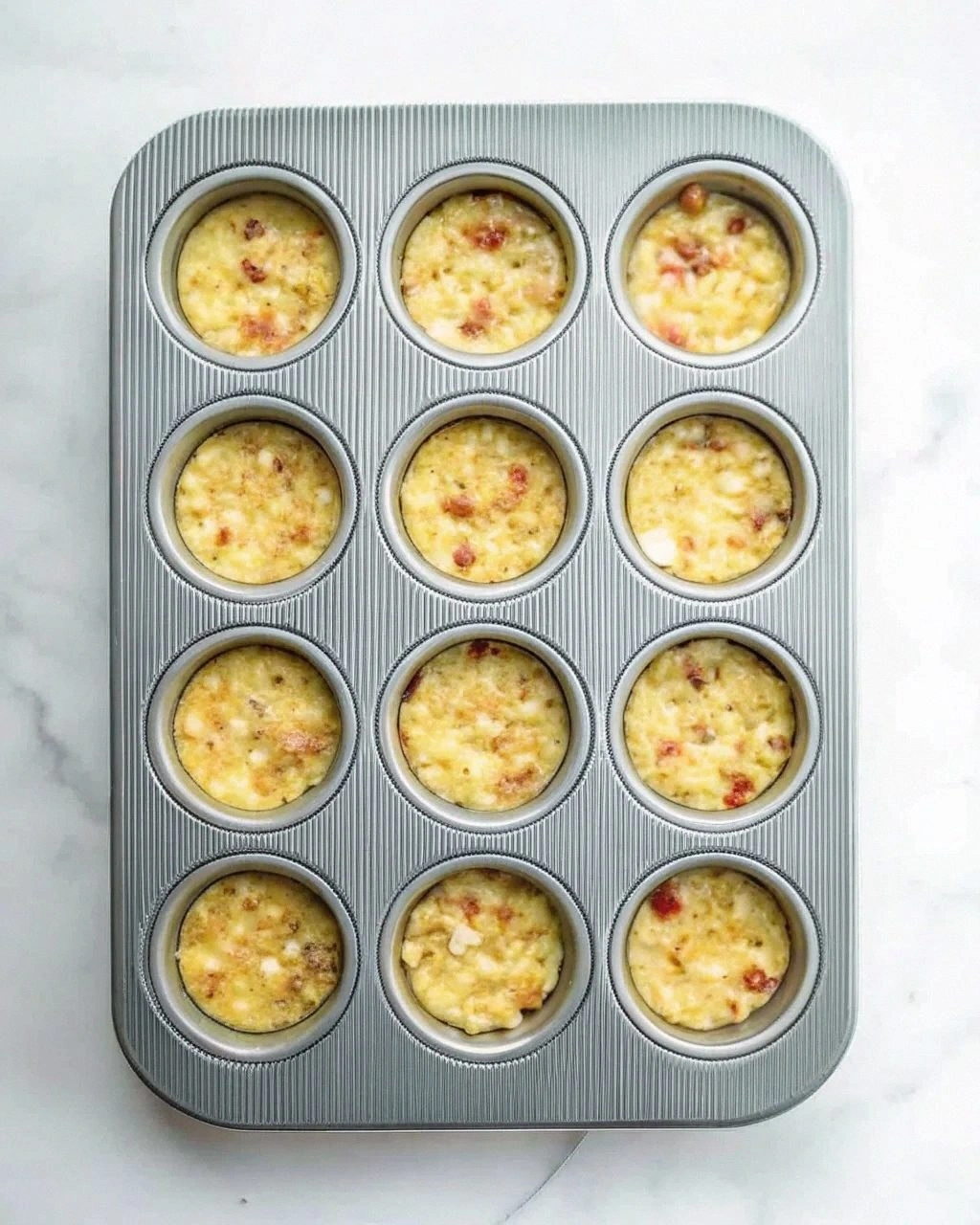
Divide the batter into a muffin tin lined with paper cups and bake for 20 minutes. These bite‑size versions are perfect for cocktail parties, and the individual servings make it easy for guests to grab a quick, gooey treat.
Storing and Bringing It Back to Life
Fridge Storage
Cover the cobbler loosely with foil or a reusable silicone lid and store it in the refrigerator for up to three days. The lemon filling holds up well, and the crust retains most of its crispness. Before serving, warm a slice in the microwave for 30 seconds, then finish under a broiler for 2 minutes to revive the golden top.
Freezer Friendly
Wrap the entire skillet tightly in plastic wrap, then add a layer of aluminum foil. Freeze for up to two months. When you’re ready to enjoy, thaw overnight in the fridge, then bake at 350°F for 20‑25 minutes. The cobbler will bake up as if fresh‑made.
Best Reheating Method
Add a tiny splash (about a tablespoon) of water to the skillet before reheating in a 325°F oven for 10 minutes. The steam generated restores the gooey interior while keeping the crust from drying out. This trick is a lifesaver for leftovers that would otherwise become rubbery.