I was standing in my kitchen, staring at a half‑finished stir‑fry that smelled like a sad, wilted garden, when my roommate dared me to make something that would actually make us forget the pizza we’d ordered the night before. I laughed, but then I remembered that one time I tried a Panang curry from a take‑out place and the sauce was so thick it clung to the spoon like a lover refusing to let go. That memory sparked a fire, and I promised myself: I would create the ultimate Panang curry, the kind that makes you drop the fork, stare at the pot, and whisper, “I dare you to taste this and not go back for seconds.”
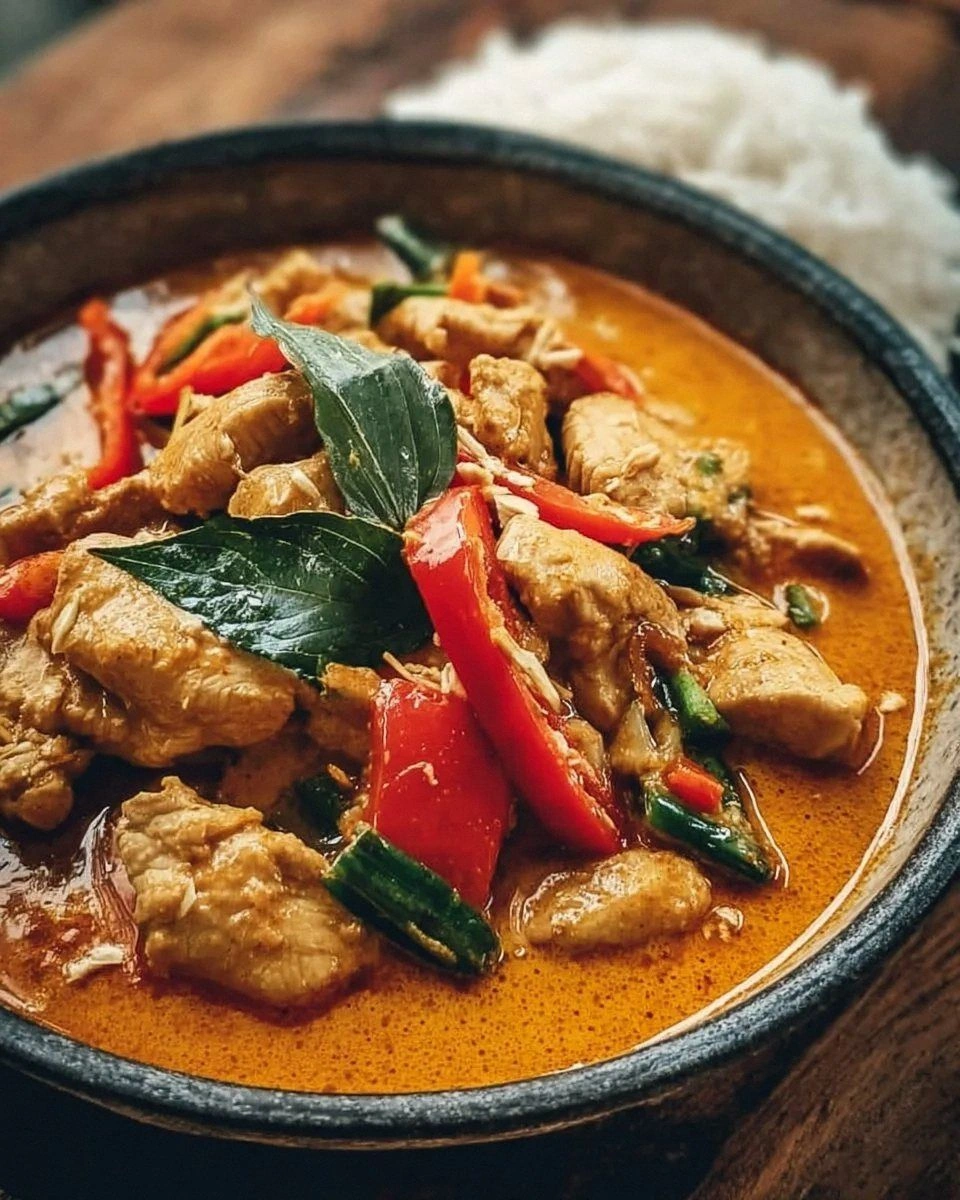
Picture this: a skillet humming with the gentle sizzle of oil, the air thickening with the sweet‑spicy perfume of toasted curry paste, and a splash of coconut milk that swirls like a tropical sunrise. The heat kisses your skin, the steam curls around your face, and the first bite delivers a creamy, nutty richness that slides over your tongue as smoothly as silk on a summer night. It’s a sensory overload that hits all five senses at once – the glossy sheen of the sauce, the sharp pop of fresh basil, the bright crunch of bell pepper, the buttery whisper of coconut, and the lingering warmth that settles in your chest.
Most Panang recipes I’ve tried either drown the flavor in a sea of coconut milk or skimp on the depth, leaving you with a bland, watery mess. This version, however, balances the sweet, salty, and umami notes like a perfectly tuned orchestra, and it does so with a simplicity that even a kitchen novice can master. The secret? A splash of palm sugar that caramelizes just enough to give the sauce a caramel‑kissed finish, and a handful of fresh basil that adds a fragrant punch right at the end. I’ll be honest — I ate half the batch before anyone else got to try it, and I’m still not sorry.
And now, the game‑changer: I’m going to introduce a tiny trick involving a quick toast of the curry paste before any liquid hits the pan. This step is pure magic; it unlocks a depth of flavor that most recipes completely miss. Let me walk you through every single step — by the end, you’ll wonder how you ever made it any other way.
What Makes This Version Stand Out
- Flavor Explosion: The combination of Panang paste, palm sugar, and fish sauce creates a sweet‑salty harmony that dances on the palate like a well‑rehearsed tango.
- Silky Texture: Coconut milk emulsifies with the toasted paste, coating every bite in a velvety sauce that clings to vegetables and protein alike.
- Simplicity: Only ten core ingredients, all of which you probably already have in your pantry, mean you spend less time shopping and more time eating.
- Unique Twist: A quick dry‑toast of the curry paste before adding liquids unlocks a depth of flavor most home cooks overlook.
- Crowd‑Pleaser: Whether you serve it over jasmine rice, with noodles, or on its own, people can’t help but ask for seconds.
- Ingredient Quality: Using a high‑quality Panang paste and fresh basil makes the difference between “good” and “best version you’ll ever make at home.”
- One‑Pot Wonder: Minimal cleanup means you can focus on the joy of eating instead of scrubbing pans.
- Make‑Ahead Potential: The curry actually tastes better the next day, giving you a ready‑made meal for busy evenings.
Inside the Ingredient List
The Flavor Base
Panang curry paste is the heart of this dish. It brings together dried chilies, lemongrass, galangal, and peanuts, delivering that signature sweet‑spicy profile. If you skip it or use a generic red curry paste, you’ll lose the distinctive nutty undertone that makes Panang so special. Look for a paste that lists real spices first on the label; the better the quality, the brighter the flavor. A good swap is a homemade blend of ground peanuts, dried red chilies, and a splash of coconut cream, but it takes extra time.
The Texture Crew
Coconut milk is the creamy canvas that carries the paste’s intensity. Choose a full‑fat version; light coconut milk will thin the sauce and mute the richness. If you’re allergic to coconut, you can substitute with oat cream, but expect a slightly different mouthfeel. The green beans and red bell pepper add crunch and color, preventing the dish from becoming a soggy, one‑note stew. For a crunchier bite, blanch the beans for just 2 minutes before adding them to the pan.
The Unexpected Star
Palm sugar (or brown sugar) is the secret sweetener that balances the salty fish sauce and the heat of the chilies. It caramelizes during the toasting step, giving the sauce a subtle caramel note that lingers on the palate. If you can’t find palm sugar, dark brown sugar works just as well, though it adds a hint of molasses. Skipping this sweet element will leave the sauce tasting flat and overly salty.
The Final Flourish
Fresh basil leaves are added at the very end, preserving their aromatic oils and providing a bright, peppery finish. Don’t substitute dried basil – you’ll lose that fresh pop. Lime wedges on the side give you a citrusy lift that cuts through the richness, making each bite feel balanced. If you love extra heat, a sliced Thai bird’s eye chili can be tossed in with the vegetables, but remember: this curry already has a gentle warmth.
Everything's prepped? Good. Let's get into the real action...
The Method — Step by Step
Heat a large skillet or wok over medium‑high heat and add 1 tablespoon vegetable oil. Let the oil shimmer – you’ll know it’s ready when it ripples like a tiny pond. Drop in 2 tablespoons Panang curry paste and listen for that satisfying sizzle. Watch Out: If the paste starts to burn, turn the heat down immediately; burnt paste will give the whole dish a bitter aftertaste.
Kitchen Hack: Stir continuously for 30 seconds to ensure the paste doesn’t stick, then add a splash of water to de‑glaze before the coconut milk arrives.Once the paste is fragrant and lightly toasted (you’ll smell a nutty, roasted aroma), pour in 1 can (400ml) coconut milk. Stir vigorously, scraping the browned bits from the bottom – those are flavor gold. Bring the mixture to a gentle simmer; you’ll see tiny bubbles dancing across the surface, a sign that the sauce is beginning to thicken.
Add 200 grams of your chosen protein (chicken, beef, or tofu). If using chicken or beef, cut into bite‑size pieces; for tofu, press and cube it first. Cook until the protein is just about done – about 5 minutes for chicken, 7 for beef, 4 for tofu. The sauce should start clinging to each piece, coating it like a glossy veil.
Stir in 1 tablespoon palm sugar and 2 tablespoons fish sauce. The sugar will melt and dissolve, creating a glossy sheen; the fish sauce adds that deep umami punch. Taste the sauce now – it should be a perfect balance of sweet, salty, and slightly spicy. If it leans too salty, a pinch more sugar will bring it back into harmony.
Toss in 1 red bell pepper, sliced and 1 cup green beans. The vegetables should remain crisp‑tender; you’ll know they’re ready when they turn a vivid green and the bell pepper softens just enough to release its sweetness without becoming mushy. This step should take about 3–4 minutes, and the sauce will thicken further as the veggies release their juices.
Watch Out: Overcooking the green beans will turn them soggy and strip away their bright color. Keep the heat medium‑high and stir constantly.Just before you finish, fold in a generous handful of fresh basil leaves. The basil should wilt instantly, releasing its fragrant oils without losing its bright green color. This is the moment of pure aroma – the kitchen will smell like a Thai street market at dusk.
Turn off the heat and let the curry rest for a minute. This pause allows the flavors to meld, creating a depth that only a brief rest can achieve. Serve the curry hot, garnished with extra basil leaves and lime wedges on the side for that final zing.
Finally, picture yourself pulling this out of the pan, the whole kitchen smelling incredible, steam curling up, and your guests leaning in for that first spoonful. That sizzle when it hits the pan? Absolute perfection. And now the fun part – you get to watch everyone scramble for seconds, because I dare you to taste this and not go back for more.
Insider Tricks for Flawless Results
The Temperature Rule Nobody Follows
Never let the curry boil aggressively; a gentle simmer keeps the coconut milk from separating. If you notice the sauce breaking, lower the heat and whisk vigorously – the emulsion will come back together. I once let it boil and ended up with a greasy layer on top; lesson learned: patience is the secret ingredient.
Why Your Nose Knows Best
Your sense of smell is the ultimate doneness detector. When the toasted paste releases a nutty, caramelized scent, you know it’s ready for the coconut milk. If the aroma is still raw or grassy, give it another 15 seconds – that extra time makes all the difference.
The 5‑Minute Rest That Changes Everything
After you’ve turned off the heat, cover the pan and let the curry sit for five minutes. This short rest lets the flavors meld, much like a good wine needs breathing time. A friend once skipped this step and complained the curry tasted “flat”; after adding the rest, the dish sang.
Layered Sweetness Strategy
Instead of dumping all the palm sugar at once, add half during cooking and the rest right before serving. This creates a subtle sweet crescendo that finishes the sauce on a high note. It’s a tiny tweak that makes the sauce feel more complex.
The Basil Timing Trick
Add basil at the very end, just as the heat dies down. If you add it too early, the leaves wilt too much and lose their bright flavor. Toss them in, give a quick stir, and watch the green specks float like tiny fireworks.
Creative Twists and Variations
This recipe is a playground. Here are some of my favorite ways to switch things up:
Peanut‑Butter Power
Stir in a tablespoon of smooth peanut butter during the final minute. It deepens the nutty flavor and adds a creamy texture that makes the sauce feel even richer. Perfect for those who love a true Thai‑style peanut punch.
Veggie‑Only Delight
Swap the protein for extra vegetables like sliced zucchini, baby corn, and shiitake mushrooms. The sauce clings to each veggie, turning a simple side into a star‑worthy main. Great for a light, plant‑forward dinner.
Spicy Inferno
Add two finely chopped Thai bird’s eye chilies along with the bell pepper. The heat will rise but the coconut milk will keep it smooth, giving you a curry that’s hot without being overwhelming.
Coconut‑Lime Fusion
Replace half of the coconut milk with coconut cream and finish with a generous squeeze of lime juice. The result is an ultra‑rich sauce with a bright citrus snap that cuts through the richness beautifully.
Thai‑Mex Fusion
Serve the curry over a bed of cilantro‑lime rice and top with a handful of crushed tortilla chips for crunch. The contrast of textures makes each bite an adventure, and the chips add an unexpected salty crunch.
Storing and Bringing It Back to Life
Fridge Storage
Transfer the cooled curry to an airtight container and store in the refrigerator for up to 4 days. The flavors will deepen, making it taste even better on day two. Reheat gently over low heat, stirring occasionally.
Freezer Friendly
Portion the curry into freezer‑safe bags or containers, leaving a little headspace for expansion. It freezes beautifully for up to 3 months. When you’re ready to eat, thaw overnight in the fridge, then reheat with a splash of water to revive the sauce’s silkiness.
Best Reheating Method
Place the frozen or refrigerated curry in a saucepan over medium‑low heat, add a tablespoon of water or coconut milk, and stir until the sauce regains its glossy texture. Avoid boiling, as high heat can cause the coconut milk to separate.