Picture this: it's a Tuesday night, you're staring into the fridge like it holds the secrets of the universe, and all you see is a sad collection of vegetables that look like they're about to stage a mutiny. Your stomach is growling louder than your neighbor's Husky at 3 AM, and you want something that doesn't taste like cardboard sprinkled with regret. Been there? I practically live there. That's exactly how these Bold Sauce Drizzle Bowls were born — out of pure hunger, desperation, and a dare from my roommate who claimed I couldn't make vegetables taste like anything other than "healthy punishment."
Let me tell you, the first time I made these bowls, I was fully prepared to hate them. I mean, come on — roasted vegetables and grain bowls? How exciting could that possibly be? But then something magical happened in my oven that would make even the most dedicated carnivore weep tears of joy. The sweet potatoes started caramelizing around the edges like they were auditioning for a cooking show, the chickpeas puffed up and turned into these little golden nuggets of crispy perfection, and my kitchen filled with this intoxicating aroma that had my neighbors knocking on my door asking if I was opening a restaurant.
Here's the thing — I dare you to taste these Bold Sauce Drizzle Bowls and not immediately start planning your next batch before you've even finished chewing. The combination of that rich, umami-packed miso butter sauce and the spicy-sweet gochujang drizzle creates this flavor explosion that makes your taste buds do a happy dance. I honestly ate half the batch standing at my kitchen counter, burning my tongue because I couldn't even wait for it to cool down properly. My roommate walked in, took one bite, and without missing a beat said, "Okay, you win. These are stupid good."
What makes these bowls absolutely life-changing isn't just the perfectly roasted vegetables or the fluffy quinoa base — it's those two sauces working together like a culinary tag team that would make any restaurant jealous. The miso butter sauce coats everything in this velvety, savory blanket while the gochujang drizzle brings the heat and a touch of sweetness that makes your palate sit up and pay attention. Picture yourself pulling this out of the oven, the whole kitchen smelling incredible, and knowing that in about five minutes you're going to experience what I firmly believe is hands down the best version of a grain bowl you'll ever make at home.
Let me walk you through every single step — by the end, you'll wonder how you ever made it any other way.
What Makes This Version Stand Out
Most grain bowls are sad, dry affairs that taste like you're being punished for enjoying food. Not these bad boys. Here's why this version will ruin all other bowls for you forever:
- Double Sauce Magic: Two completely different sauces that work together like they've been practicing this routine for years. The miso butter brings rich umami depth while the gochujang adds that perfect kick that builds slowly instead of punching you in the face.
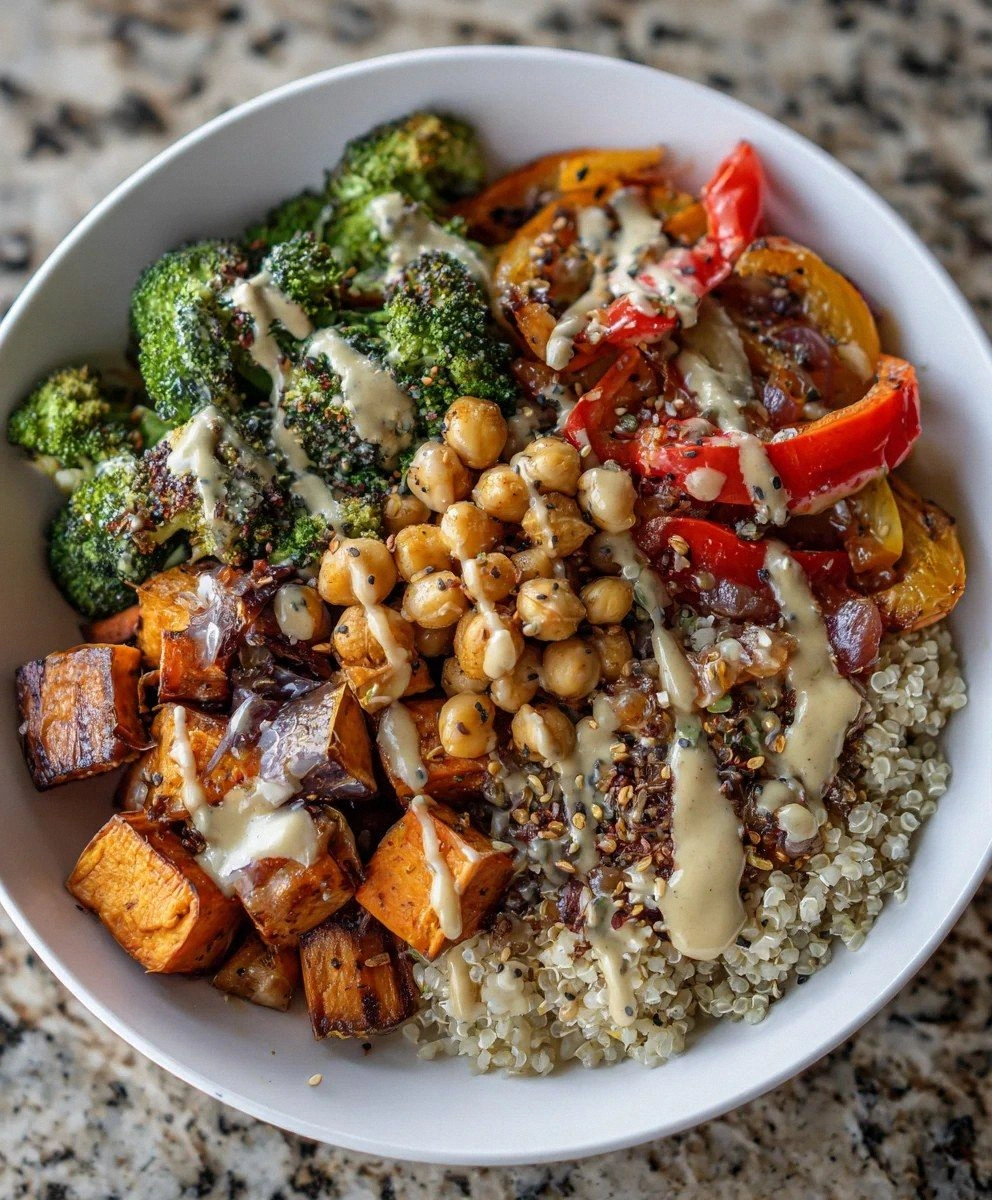
- Texture Wonderland: Every bite is a party of contrasting textures — crispy roasted chickpeas that shatter like thin ice, creamy sweet potato interiors, tender-crisp broccoli, and fluffy quinoa that soaks up all those incredible sauces.
- Weeknight Warrior: Despite looking like it came from a trendy restaurant, this whole thing comes together in under 45 minutes. Most of that time is just roasting, which means you can binge-watch your favorite show while dinner makes itself.
- Make-Ahead Champion: These bowls actually get better as they sit. The flavors meld together in ways that will make you question everything you thought you knew about leftovers.
- Crowd-Pleasing Flexibility: Whether you're feeding picky toddlers, health-conscious gym rats, or that friend who claims they "don't like vegetables," everyone finds something to love here.
- Color Explosion: We're talking vibrant oranges, deep greens, golden chickpeas, and those gorgeous sauces drizzled on top. It's like eating a rainbow, except this rainbow actually tastes incredible.
Alright, let's break down exactly what goes into this masterpiece...
Inside the Ingredient List
Here's where most recipes get it completely wrong — they treat ingredients like interchangeable pawns in a chess game. But each component in these Bold Sauce Drizzle Bowls plays a specific role, and when you understand why they're there, you'll never look at a grain bowl the same way again.
The Foundation Builders
Brown rice or quinoa isn't just filler — it's the canvas that lets all the other flavors shine. Brown rice brings this nutty, chewy texture that makes you feel like you're eating something substantial, while quinoa cooks faster and brings an extra protein boost that makes gym bros weep with joy. If you skip the grain entirely, you're basically eating a salad, and nobody wants that when they're craving comfort food. Water works in a pinch, but vegetable broth is where the magic happens — it infuses every single grain with flavor so you don't end up with bland, boring bites that taste like you're eating healthy for punishment.
The Roasted Vegetable All-Stars
Broccoli florets are the unsung heroes here — they roast up with these crispy, almost burnt tips that taste like vegetable candy, while the stems stay tender but still have bite. Sweet potatoes are nature's candy, and when you roast them, the edges caramelize and turn into this golden-brown perfection that would make a pastry chef jealous. Red bell peppers bring that pop of color and sweetness that balances out all the savory elements, plus they get these gorgeous charred spots that add smoky depth. Olive oil isn't just for preventing sticking — it's the vehicle that helps everything roast to crispy perfection while carrying all those spices deep into the vegetables.
The Protein Powerhouse
Chickpeas are about to become your new best friend. When you roast them, they transform from mushy legumes into these little golden nuggets with crispy exteriors and creamy centers that will make you wonder why you ever ate them any other way. The smoked paprika and garlic powder don't just season them — they create this addictive coating that you'll find yourself picking off the baking sheet when nobody's looking. Salt and pepper might seem basic, but they're the difference between chickpeas that taste like health food and chickpeas that taste like you discovered them at a fancy tapas bar.
The Sauce Superstars
Unsalted butter or vegan butter creates the rich, luxurious base for our miso sauce. Go with vegan butter if you want to keep this plant-based, but real butter adds this incredible richness that makes the sauce taste like it came from a French restaurant. White miso paste is the secret weapon here — it adds this deep umami flavor that makes people ask "what's in this?" in the best possible way. Rice vinegar brings brightness and cuts through all that richness, while sesame oil adds this nutty, aromatic quality that makes the whole sauce sing. Gochujang isn't just about heat — it's got this complex, slightly sweet flavor that builds slowly and makes you want to keep eating just to experience it again.
The Final Flourish
Green onions provide that fresh, sharp finish that makes all the roasted flavors pop, plus they add a lovely crunch when sprinkled on top. Toasted sesame seeds are non-negotiable — they add this nutty flavor and incredible texture that takes everything from good to "holy crap, what did I just eat?" good. Pickled red onions are optional but highly recommended if you enjoy that zingy punch that makes your taste buds tingle with excitement.
Everything's prepped? Good. Let's get into the real action...

The Method — Step by Step
- Start with your grains because they take the longest and you want them ready when everything else is hot and perfect. Bring your water or vegetable broth to a boil in a medium saucepan — you want it rolling like it's angry at you for something. Add your brown rice or quinoa with a pinch of salt, then reduce to low and cover. Here's the part most people mess up: resist the urge to peek. Every time you lift that lid, you're letting precious steam escape, and your grains will end up crunchy and sad instead of fluffy and magnificent.
- Preheat your oven to 425°F — this isn't negotiable. You want it screaming hot so your vegetables roast instead of steaming into mushy sadness. While it's heating, chop your vegetables into bite-sized pieces, but don't go crazy trying to make them perfect. Rustic chunks roast better because they have more surface area for caramelization, and honestly, who has time to make vegetables look like they belong in a museum?
- Toss your sweet potato chunks with half the olive oil and spread them on a baking sheet. Give them space — overcrowding is the enemy of crispy edges, and we want those caramelized bits that taste like candy. These go in first because they take the longest to cook through. Set your timer for 15 minutes and resist opening the oven door. I know it's tempting, but every peek drops the temperature and extends your cooking time.
- While those are roasting, drain and thoroughly dry your chickpeas. I cannot stress this enough — wet chickpeas will steam instead of roast, and you'll end up with sad, mushy disappointments instead of crispy golden nuggets. Spread them on a kitchen towel and roll them around like you're giving them a little massage. Remove any loose skins because they'll burn and taste bitter.
- After 15 minutes, add your broccoli and red bell pepper to the pan with the sweet potatoes. Drizzle with the remaining olive oil, season with salt and pepper, and toss everything around. The vegetables should sizzle when they hit the hot pan — that sizzle when it hits the pan? Absolute perfection. Roast for another 15 minutes, stirring halfway through. You're looking for broccoli tips that are dark and crispy, sweet potatoes with caramelized edges, and bell peppers with charred spots.
- Meanwhile, toss your dried chickpeas with the remaining olive oil, smoked paprika, garlic powder, salt, and pepper. Spread them on a separate baking sheet and pop them in the oven with the vegetables. These need about 20-25 minutes total, shaking the pan every 8-10 minutes so they roast evenly. They're done when they're golden and crispy on the outside but still creamy inside.
- Now for the game-changer — your sauces. For the miso butter sauce, melt your butter in a small saucepan over medium heat. Once melted, whisk in the white miso paste until completely smooth. Add the rice vinegar and sesame oil, whisking constantly. The sauce should be glossy and coat the back of a spoon. If it's too thick, thin with a splash of water. Keep warm over very low heat.
- For the gochujang drizzle, simply whisk together the gochujang with a splash of warm water until it reaches drizzling consistency. You want it thick enough to cling to your vegetables but thin enough to create beautiful drizzles across your bowl. Taste and adjust — some gochujang brands are spicier than others, so add more if you like it hot.
- Assembly time! Divide your cooked grains among four bowls. Top with a generous helping of roasted vegetables and chickpeas. Now comes the fun part — drizzle both sauces over everything in artistic swoops and swirls. Sprinkle with green onions and toasted sesame seeds. If you're using pickled red onions, scatter them on top like you're decorating the most delicious edible art project.
That's it — you did it. But hold on, I've got a few more tricks that'll take this to another level...
Insider Tricks for Flawless Results
The Temperature Rule Nobody Follows
Here's what separates amateur hour from restaurant-quality results: temperature matters more than your Instagram filter game. Your oven needs to be fully preheated before anything goes in, and I'm talking about waiting until it reaches temperature AND the heating element cycles off. That extra five minutes of patience means the difference between vegetables that roast into caramelized perfection versus ones that steam into sad, pale disappointments. I learned this the hard way after serving what I called "spa cuisine" to my date — turns out nobody wants to date someone who serves steamed vegetables for dinner.
Why Your Nose Knows Best
Forget timers — your nose is the most sophisticated kitchen tool you own. When those vegetables are perfectly roasted, you'll smell it before you see it. That deep, almost nutty aroma that fills your kitchen? That's the smell of the Maillard reaction working its magic, turning simple vegetables into complex, crave-worthy morsels. If your kitchen doesn't smell like you want to bottle the air and sell it as perfume, keep roasting. My neighbor actually asked if I was running a bakery because the smell was so intoxicating.
The 5-Minute Rest That Changes Everything
After you pull everything from the oven, let it rest for five minutes before assembling. I know you're hungry and everything smells incredible, but this brief pause lets the flavors settle and the textures set. The chickpeas get even crispier as they cool slightly, and the vegetables develop this deeper, more concentrated flavor. It's like they're having a little flavor party and you're about to be invited. Skip this step and you'll have good bowls — take the rest and you'll have legendary bowls that people will ask you to bring to every potluck forever.
The Sauce Consistency Secret
Both sauces should be warm when you drizzle them — not hot, not cold, but gently warm. Cold sauces seize up and won't coat your vegetables properly, while hot sauces will wilt your green onions and make everything look like a sad, melted mess. Warm sauces flow like liquid gold and create those Instagram-worthy drizzles that make people think you went to culinary school. Pro tip: if your miso sauce thickens too much, whisk in warm water a teaspoon at a time until it flows like warm honey.
Creative Twists and Variations
This recipe is a playground. Here are some of my favorite ways to switch things up:
The Mediterranean Makeover
Swap the gochujang drizzle for a lemon-tahini sauce and add roasted eggplant and zucchini to the vegetable mix. Replace the miso butter with a garlic-herb olive oil blend, and top with crumbled feta and fresh mint. The result tastes like you're dining on a Greek island, except you didn't have to sell a kidney to afford the plane ticket.
The Thai-Inspired Adventure
Use coconut milk instead of butter for the sauce base, add curry paste and lime juice, and swap the gochujang for a sweet chili drizzle. Add roasted cauliflower and swap the chickpeas for crispy tofu cubes. It's like taking your taste buds on vacation to Bangkok without the jet lag or the humidity that ruins your hair.
The Autumn Comfort Version
Roast butternut squash and Brussels sprouts instead of summer vegetables, add dried cranberries and pecans, and use maple syrup in your miso sauce. This version tastes like fall in a bowl and will make you want to wear flannel and complain about pumpkin spice everything.
The Protein Powerhouse
Add roasted chicken thighs or salmon to make this a complete meal that will fuel you through the most intense workout or the longest Netflix binge. The sauces work beautifully with protein, creating this incredible glaze that makes you wonder why you ever ate plain chicken breast.
The Breakfast-for-Dinner Bowl
Top your vegetables with a perfectly fried egg and swap the gochujang for a spicy hollandaise. Add roasted breakfast potatoes and you've got breakfast for dinner that beats any diner creation. The runny yolk mixing with those sauces creates this unctuous sauce that will make you weep tears of joy.
The Kid-Friendly Version
Skip the gochujang entirely and make a honey-mustard drizzle instead. Roast sweet potato fries and broccoli tots, and let kids assemble their own bowls. My nephew calls this "rainbow power food" and asks for it every time he visits, which is basically the highest compliment a six-year-old can give.
Storing and Bringing It Back to Life
Fridge Storage
Store components separately for maximum freshness — grains in one container, roasted vegetables in another, chickpeas in a third, and sauces in small jars. Everything keeps for 4-5 days when stored properly, though the chickpeas will lose some crispiness. Keep the green onions and sesame seeds separate and add them fresh when serving. I learned this after making a week's worth of bowls only to discover soggy sesame seeds are the culinary equivalent of a wet handshake — technically fine but deeply disappointing.
Freezer Friendly
Both sauces freeze beautifully for up to 3 months — just thaw overnight in the fridge and whisk before using. Grains freeze well too, but vegetables and chickpeas are best fresh. Make big batches of sauces and freeze them in ice cube trays for perfect single-serving portions. Future you will thank present you when you're three episodes into a binge-watch and don't want to cook anything complicated.
Best Reheating Method
Add a tiny splash of water before reheating — it steams back to perfection instead of drying out like the Sahara. Microwave works in a pinch, but reheating in a skillet brings back some of that roasted magic. Warm everything except the sauces, then add the sauces fresh and cold for the best temperature contrast. This method brings back about 90% of the original magic, which is better than most relationships manage after a week apart.