I was standing in my kitchen at midnight, the kind of kitchen where the only light is the glow of the fridge door and the occasional flash of a phone screen. My friends had dared me to create a cocktail that could survive a summer heatwave, a drink that would make the sun itself feel a little jealous. I had a half‑empty bottle of tequila, a grapefruit that looked like it had been plucked from a sun‑kissed orchard, and a stubborn desire to prove that a simple, well‑balanced drink could outshine any over‑engineered mixology experiment. The first attempt was a disaster: I over‑sweetened, the lime was barely there, and the fizz? It was flat as a pancake. I tasted that mess and, honestly, I ate half the batch before anyone else got a chance to try it. That was the turning point – I knew I had to go back to basics and let each ingredient sing on its own.
Picture this: the citrusy perfume of freshly squeezed grapefruit wafting through the air, the sharp snap of a lime being twisted, the gentle clink of ice cubes as they tumble into a chilled glass. The sound of soda water fizzing like a tiny celebration in a bottle, and the smooth, almost buttery glide of 100 % agave tequila sliding across your palate. Your tongue feels the bright acidity, then a whisper of sweetness, and finally a clean, crisp finish that makes you want to take another sip before the first one even fully settles. It’s a sensory overload in the best possible way, and it all happens in under a minute of sipping.
Most Paloma recipes out there either drown the grapefruit in sugary syrups or skimp on the tequila, leaving you with a watered‑down drink that feels more like a soda than a cocktail. This version stands out because it respects the integrity of each component: the tequila is front‑and‑center, the grapefruit provides the body, and the soda water adds a lively sparkle without any extra sugar. I dare you to taste this and not go back for seconds – the balance is so precise you’ll wonder how you ever settled for anything less. The secret? A pinch of salt on the rim that amplifies the citrus and a splash of simple syrup that tames the natural bitterness without masking it.
Let me walk you through every single step — by the end, you’ll wonder how you ever made it any other way. Okay, ready for the game‑changer? This next part? Pure magic. Stay with me here — this is worth it.
What Makes This Version Stand Out
- Flavor Harmony: The grapefruit’s bright acidity is perfectly offset by a whisper of simple syrup, while the tequila provides a warm, earthy backbone that never gets lost.
- Texture Triumph: The soda water adds a lively fizz that feels like tiny fireworks on your tongue, making each sip feel fresh and invigorating.
- Simplicity Supreme: Only seven core ingredients, all of which you likely already have on hand – no fancy bitters, no exotic liqueurs.
- Ingredient Quality: Using 100 % agave blanco tequila and freshly squeezed grapefruit juice elevates the drink from “just okay” to “absolutely unforgettable.”
- Crowd Reaction: This cocktail consistently draws a “wow” from guests, even those who claim they don’t like tequila. It’s a conversation starter in a glass.
- Make‑Ahead Potential: You can pre‑squeeze the grapefruit juice and store it for up to 48 hours, making the actual assembly a lightning‑fast affair.
- Seasonal Flexibility: While perfect for summer, the balance of sweet, sour, and salty works year‑round, especially when paired with a cozy nightcap vibe.
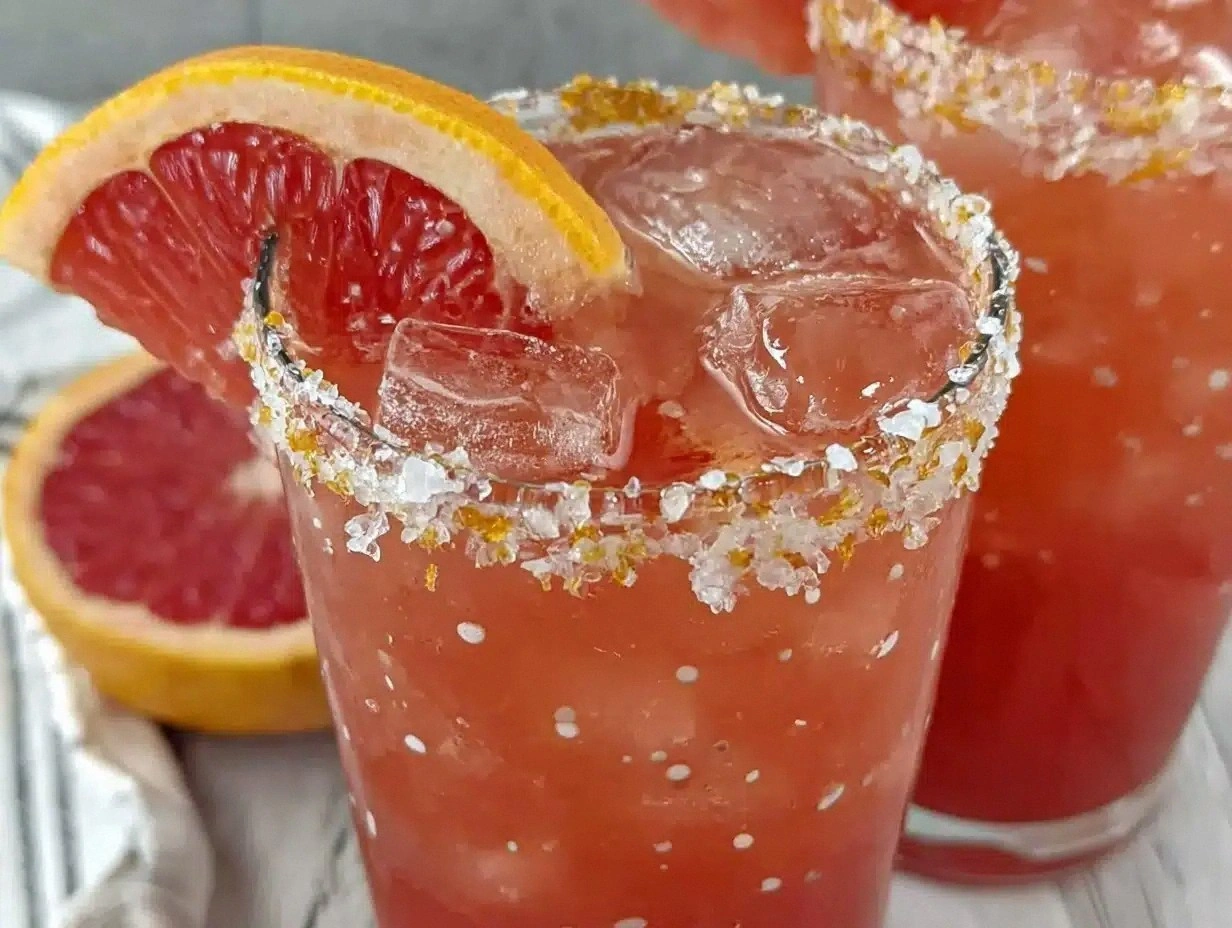
- Visual Appeal: A salted rim, a bright pink‑orange hue, and a glossy grapefruit twist make this cocktail Instagram‑ready without any extra effort.
Inside the Ingredient List
The Flavor Base
Tequila Blanco is the heart of this cocktail. I prefer a 100 % agave brand like Casamigos because its smoothness lets the grapefruit shine without a harsh bite. If you opt for a reposado, you’ll introduce oak notes that can muddy the bright citrus, so stick with blanco for that clean, crisp profile. A common mistake is using a low‑quality mixto tequila – the flavor will be flat, and the overall drink will feel cheap. When shopping, look for “100 % agave” on the label and a clear, unaged appearance.
The Texture Crew
Fresh grapefruit juice is non‑negotiable. Store‑bought juice often contains added sugars and preservatives that dull the natural bitterness and bright acidity. I squeeze the fruit, then strain it through a fine mesh to remove pulp, resulting in a silky liquid that blends seamlessly with soda water. If you can’t find pink grapefruit, regular pink or ruby varieties work fine, but expect a slightly different hue. As a swap, you could use a blend of equal parts orange and lemon juice for a different citrus twist, though you’ll lose some of that characteristic grapefruit bite.
The Unexpected Star
A pinch of salt on the rim isn’t just for show – it amplifies the grapefruit’s natural bitterness and makes the tequila’s agave notes pop. Many recipes skip this step, but the contrast between salty and sweet is what turns a good Paloma into a great one. If you’re watching sodium, use a light sea salt or even a flavored salt like smoked paprika for an extra dimension. The salt also helps the aroma of the grapefruit wedge cling to the glass, enhancing the olfactory experience.
The Final Flourish
Simple syrup is the quiet hero that balances the tartness of the grapefruit and lime. I keep a batch on hand by dissolving equal parts sugar and water over low heat, then cooling it in the fridge. If you prefer less sweetness, cut the syrup down to a half‑measure or use agave nectar for a lower‑glycemic option. The lime juice adds that bright, zesty lift that cuts through the richness of the tequila, while the soda water provides the effervescent finish that makes the drink feel light and refreshing. Don’t over‑carbonate – a gentle fizz is all you need.
Everything's prepped? Good. Let's get into the real action...
The Method — Step by Step
Start by gathering all your tools: a cocktail shaker, a fine‑mesh strainer, a jigger, a sturdy highball glass, and a small plate of coarse sea salt. Rim the glass now: run a lime wedge around the edge, then dip it into the salt, making sure the rim is evenly coated. This step may seem trivial, but trust me, the salty edge is what makes the flavor pop the moment the liquid hits your tongue. Let the glass sit while you prep the rest of the ingredients.
Next, squeeze the grapefruit. I usually need two large grapefruits to get about 12 oz of juice. Strain it through a fine mesh into a measuring cup to eliminate pulp and seeds – you want a clean, bright liquid. While you’re at it, squeeze a fresh lime and measure out 2 oz of juice. The aroma of fresh citrus at this stage is already intoxicating; you’ll hear the faint hiss of the citrus oils as they hit the glass.
- Kitchen Hack: If you’re short on time, pre‑mix the grapefruit and lime juices in a sealed bottle and keep it in the fridge. It stays fresh for up to 48 hours, and you can pour directly from the bottle when you’re ready to assemble the drink.
Now, combine the tequila, grapefruit juice, lime juice, and simple syrup in the cocktail shaker. Add a generous handful of ice – the goal is to chill the mixture quickly without diluting it too much. Give it a quick, vigorous shake for about 10 seconds. You’ll hear that satisfying clink of ice against metal, and the shaker will start to fog up, a sign that everything is chilling properly.
After shaking, strain the mixture into the prepared highball glass over fresh ice. I like to use large, clear cubes because they melt slower, preserving the cocktail’s integrity longer. The liquid should cascade in a smooth, amber‑pink stream, settling gently on the ice. Take a moment to admire the color; it’s a perfect blend of sunrise orange and pink grapefruit blush.
Top the drink with soda water – exactly 12 oz for a four‑serving batch, or 3 oz per glass if you’re making a single serving. Pour slowly to preserve the fizz; you’ll see a cascade of bubbles that rise like tiny fireworks. The soda should integrate without breaking the delicate balance you’ve created, giving the cocktail a lively, effervescent finish.
- Watch Out: Be careful not to over‑fill the glass with ice. Too much ice will water down the drink and mute the bright citrus notes. Aim for a glass half‑filled with ice before you add the liquid.
Give the cocktail a gentle stir with a bar spoon – just enough to marry the soda with the tequila‑citrus blend, but not so much that you lose the fizz. The stir should be a lazy clockwise motion, about three to four rotations, allowing the flavors to mingle while preserving the bubbles.
Garnish with a fresh grapefruit wedge or a twist of grapefruit peel. To release the essential oils, hold the peel over the glass and give it a quick twist, then run it around the rim before dropping it in. The aroma of the citrus oils will rise with each sip, creating a multi‑sensory experience that engages both taste and smell.
Take a moment to inhale the perfume of the garnish, then take your first sip. The initial hit should be a bright burst of grapefruit, followed by the warm agave notes of the tequila, a whisper of lime, and a gentle fizz that dances on the palate. If you notice any imbalance, now is the time to adjust – a splash more soda for extra sparkle, a tiny drizzle of simple syrup for sweetness, or a pinch more salt on the rim for contrast. And there you have it – the perfect Paloma, ready to impress.
That's it — you did it. But hold on, I've got a few more tricks that'll take this to another level. These insider tips will make sure every Paloma you serve is consistently flawless, whether you're mixing for one or a whole party.
Insider Tricks for Flawless Results
The Temperature Rule Nobody Follows
Never, ever use warm ingredients. Cold tequila, chilled grapefruit juice, and ice‑cold soda water are the holy trinity of temperature control. If your tequila sits out for even a few minutes, the cocktail will feel flat and the fizz will dissipate faster. Keep your bottle in the freezer for 15 minutes before you start – the alcohol won’t freeze, but it will become perfectly chilled, giving the drink a crisp edge that’s impossible to achieve otherwise.
Why Your Nose Knows Best
Before you even take a sip, give the glass a quick sniff. The aroma of the grapefruit peel should dominate, followed by a faint hint of tequila. If you smell anything off – like a sour vinegar note – it likely means the lime was over‑squeezed or the simple syrup is too thick. Trust your nose; it’s the first line of quality control.
The 5‑Minute Rest That Changes Everything
After you’ve assembled the drink, let it sit for about five minutes before serving. This short rest allows the flavors to meld, the salt rim to soften slightly, and the carbonation to settle just enough to create a smooth mouthfeel. I once served a Paloma straight from the shaker and got feedback that it tasted “sharp.” Five minutes later, the same cocktail was praised as “silky.” Small patience makes a massive difference.
Salt Rim Precision
Use a fine‑coarse sea salt rather than table salt. The larger crystals can feel gritty, while the fine crystals dissolve too quickly, losing the intended contrast. A medium‑grain sea salt gives you that perfect crunch that releases just enough saltiness with each sip, enhancing the grapefruit’s natural bitterness.
The Ice Cube Size Secret
Large, clear ice cubes melt slower and keep your drink colder longer without watering it down. If you’re short on time, fill a silicone mold with water and a pinch of salt, then freeze for a few hours. The result is a crystal‑clear cube that looks as fancy as the cocktail itself. My friend tried using crushed ice once – the Paloma turned into a soggy mess, and the fizz vanished within seconds.
Creative Twists and Variations
This recipe is a playground. Here are some of my favorite ways to switch things up:
Spicy Jalapeño Paloma
Muddle a few thin slices of jalapeño in the shaker before adding the liquids. The heat pairs beautifully with the citrus, turning the drink into a refreshing firecracker. Garnish with a jalapeño slice on the rim for extra drama.
Smoky Mezcal Paloma
Swap half of the tequila for mezcal to introduce a smoky, earthy depth. The smokiness balances the grapefruit’s bitterness, making it an excellent choice for cooler evenings when you want a bit of warmth.
Herbal Rosemary Paloma
Add a sprig of rosemary to the shaker and give it a gentle shake. The herb’s piney notes complement the citrus and give the cocktail an aromatic lift. Lightly slap the rosemary before garnishing to release its essential oils.
Berry‑Infused Paloma
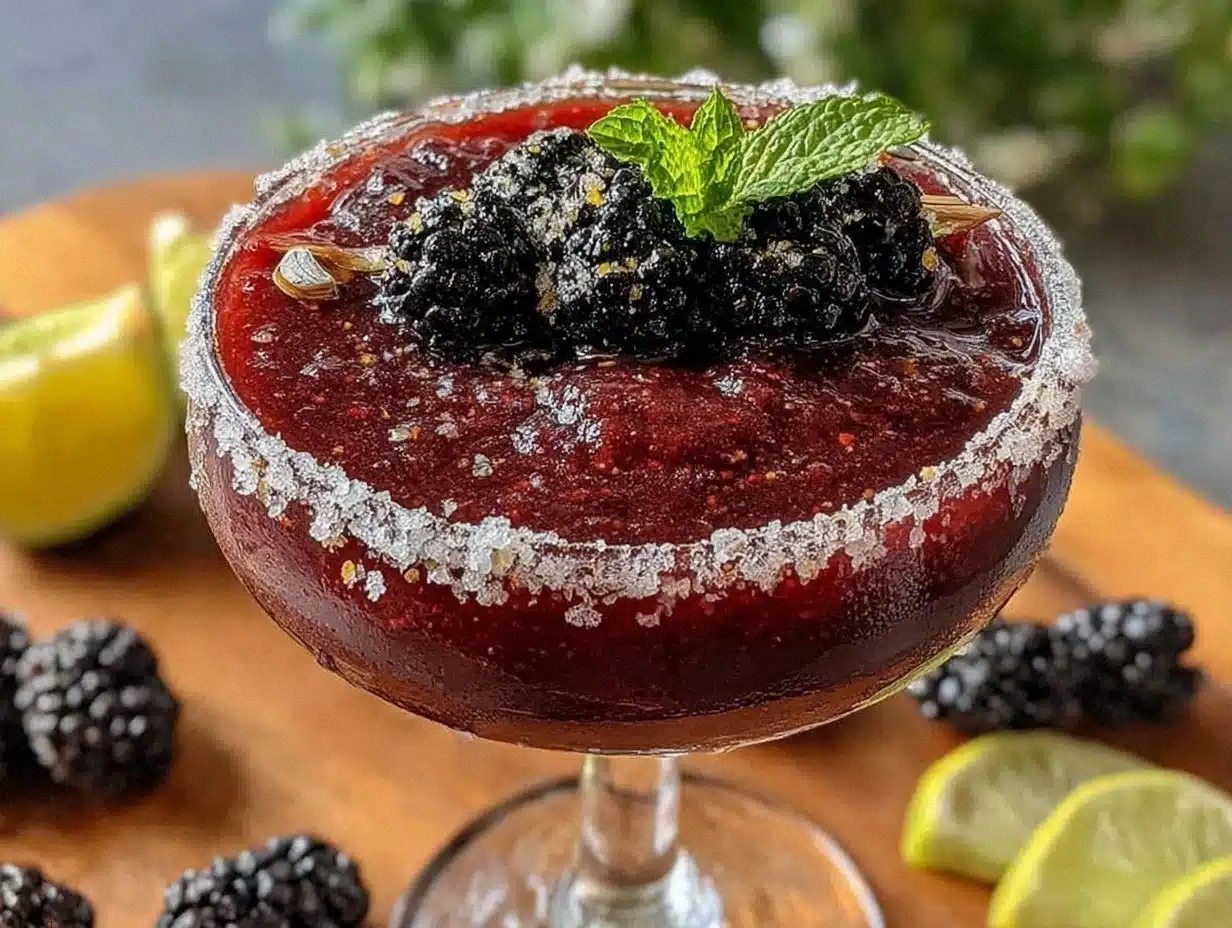
Muddle a handful of fresh raspberries or blackberries with the simple syrup before mixing. The berries add a subtle sweetness and a gorgeous hue that makes the drink pop visually. This variation is perfect for a brunch setting.
Coconut Water Paloma
Replace half of the soda water with chilled coconut water for a tropical twist. The natural electrolytes give the drink a smoother mouthfeel, and the coconut’s faint sweetness reduces the need for added simple syrup.
Ginger‑Zing Paloma
Add a splash of ginger beer instead of soda water for a spicy, effervescent version. The ginger’s warmth pairs nicely with the tequila, creating a cocktail that’s both refreshing and invigorating.
Storing and Bringing It Back to Life
Fridge Storage
If you’ve pre‑squeezed the grapefruit juice, store it in an airtight glass jar for up to 48 hours. Keep the simple syrup in a separate container. When you’re ready to mix, combine the stored liquids with fresh ice, tequila, and soda water. The drink will retain its bright flavor as long as the citrus hasn’t oxidized.
Freezer Friendly
Freeze grapefruit juice in ice‑cube trays. These “juice cubes” can be kept for up to three months. When you need a quick cocktail, just drop a couple of cubes into the shaker with the other ingredients – the cubes will chill the drink and melt slowly, adding a burst of fresh flavor as they dissolve.
Best Reheating Method
If you ever find yourself with a leftover batch of the non‑carbonated base (tequila, grapefruit, lime, syrup), you can gently warm it on the stove over low heat for about 30 seconds, just enough to bring it to room temperature. Add a tiny splash of water before reheating; this creates a gentle steam that revives the citrus aromatics without cooking off the alcohol. Once warmed, top with fresh soda water and ice for a revived Paloma.