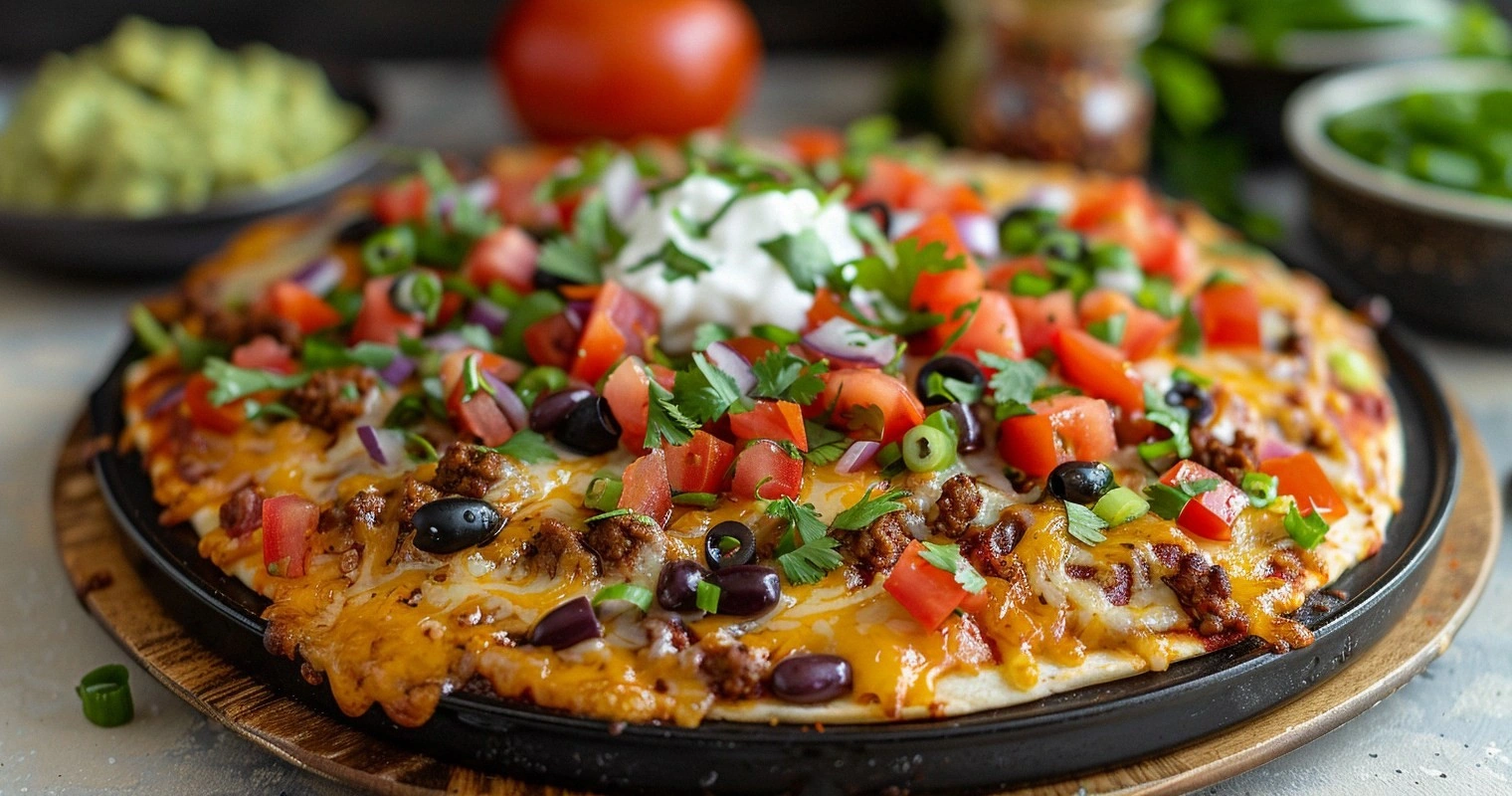
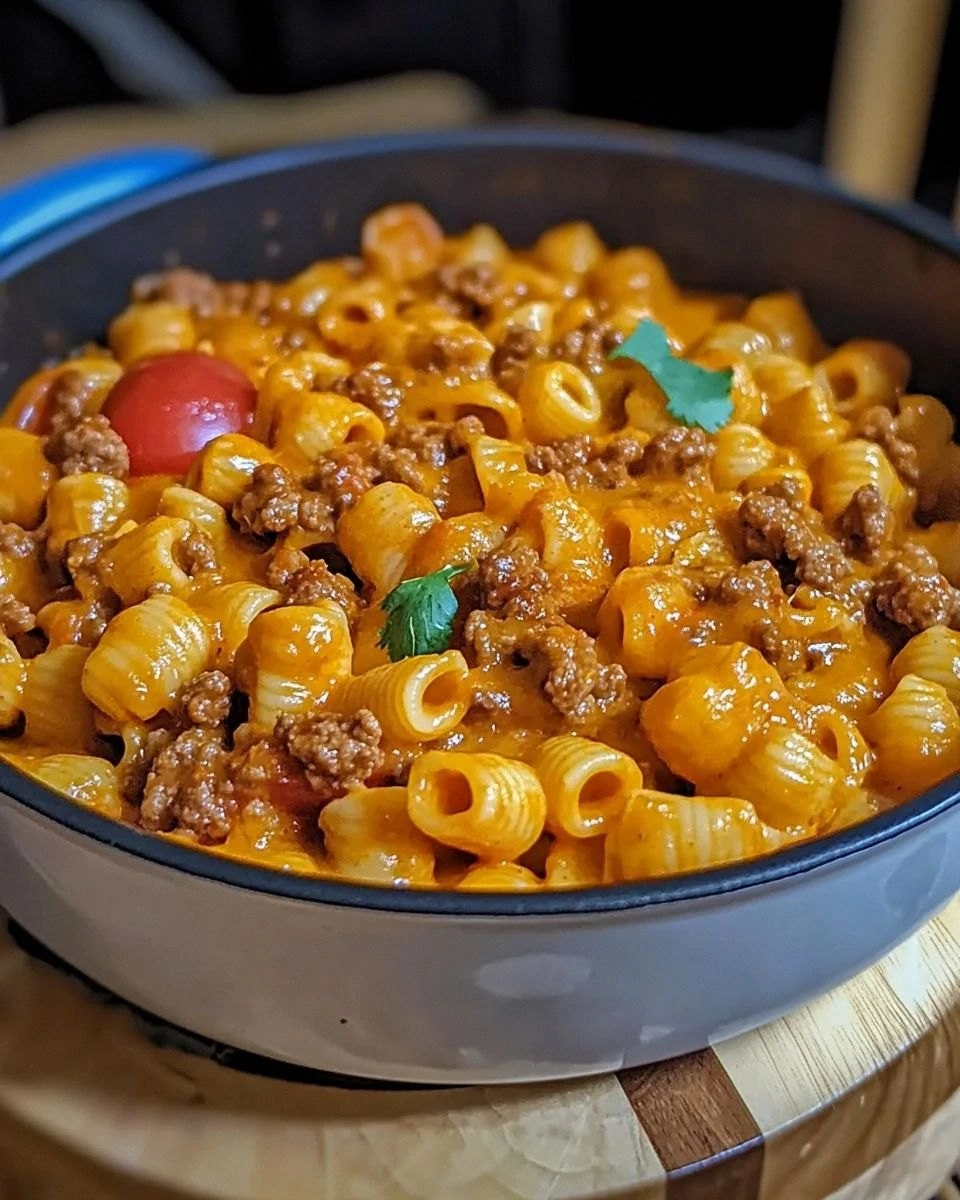
Picture this: Thursday night, six-thirty, stomach growling like a neglected garage band, fridge light blinking like it’s as exhausted as you are. I was still wearing my ID lanyard, one shoe on, one shoe kicked somewhere under the island, and I had promised my kid we’d eat something “better than drive-through.” Cue the heroic music, because what happened next was the stuff of legend—or at least the stuff of a very happy household. Into one single pot went a half-pound of ground turkey I’d forgotten to thaw properly, a rogue packet of taco seasoning I’d bought on clearance, the last cup of elbow macaroni rattling around the pantry, and a handful of cheese that absolutely did not look big enough to save the day. Twenty-five minutes later we were face-planting into bowls of what tasted like a beach-vacation taco truck collided with an Italian trattoria in the best possible way. Crispy bits of spiced meat, noodles that drank up a silky tomato-chili broth, and that cheese that somehow stretched from bowl to mouth like a delicious hammock—this, my friends, was the birth of the One Pot Taco Pasta that now graces our table at least twice a week.
I know, I know, the internet is already stuffed to the gills with “one pot wonders,” but hear me out—most of them taste like junior-high cafeteria food wearing a sombrero. They’re either tragically bland (sprinkling cumin on boiled noodles is not a personality) or they seize up into a grainy, congealed brick the second they hit room temperature. This version? It’s velvety, bold, lightning-fast, and it actually reheats like a dream—no rubber-microwave-mystery here. The secret lies in treating the pasta like risotto: we toast, we deglaze, we let the starch work its magic so the sauce coats each noodle like liquid velvet. And because we bloom the spices in hot fat first, you get layers of smoky, toasty depth that taste like you spent an hour building a proper chili base. I dare you to taste this and not go back for seconds; I certainly failed that challenge the first three times.
Stay with me here—this is worth it. We’re talking ten everyday ingredients, one vessel to wash, and a flavor payoff big enough to make Friday feel like Saturday night. If you’ve ever struggled with dry pasta bakes, watery one-pot duds, or weeknights that feel like culinary hostage negotiations, you’re not alone—and I’ve got the fix. Let me walk you through every single step—by the end, you’ll wonder how you ever made it any other way.
What Makes This Version Stand Out
Smoke-Show Spices: We sear the seasoning blend in oil until it’s almost mahogany, unlocking the volatile oils most recipes leave dormant. You’ll smell the difference before you taste it—think chili-roasted almonds versus raw ones.
Pasta-as-Sauce Thickener: Instead of pre-cooked noodles that drink up moisture later, we simmer the pasta directly in a seasoned tomato broth so the starch thickens the sauce naturally. No flour, no cornstarch, no gluey cheese goo required.
Two-Cheese Strategy: Sharp cheddar for attitude, Monterey Jack for meltability. Add them off-heat so they emulsify instead of turning into orange rubber pellets—because nobody invited Cheeto gravel to dinner.
One Pot, Zero Baby-Sitting: After the initial sauté, everything hangs out together while you change into sweats, pour a beverage, or referee homework meltdowns. The pot does the heavy lifting; you take the credit.
Left-Handover Hero: It reheats like a champ thanks to the pasta starch; splash in a tablespoon of water, microwave for ninety seconds, and it’s as glossy as minute one. Meal-preppers, rejoice.
Kid-Approved, Date-Impressing: My eight-year-old puts away adult portions, yet when I served it to friends with a quick cilantro-garnish upgrade, they assumed I’d enrolled in secret chef school. Dual-purpose dinners are gold.
Pantry Raid Approved: No specialty produce, no artisanal anything—canned tomatoes, dried noodles, ground meat, and basic taco spices. If you’ve ever assembled a nacho plate, you’re already 80% there.
Inside the Ingredient List
The Flavor Base
Ground meat is your canvas—turkey, chicken, beef, or even plant-based crumbles all work. I reach for 93% lean turkey because it stays tender without swimming in grease, but if you’re a beef believer, grab 85% so you still get those crave-worthy crispy edges. The taco seasoning is more than a lazy spice dump; we’re talking chili powder for warmth, cumin for earthiness, and a whisper of smoked paprika that makes the final dish taste like it kissed a grill grate. Salt early—not just for flavor, but to coax juices out of the meat so the spices bloom in actual fat, not in steam. Skip this step and you’ll wonder why your pasta tastes like library dust.
The Texture Crew
Elbow macaroni is classic for a reason: the little tubes grab pockets of sauce like edible lava lamps. If you’re out, rotini or small shells work, but steer clear of long noodles; they tangle and shatter when you stir in the cheese. Petite diced tomatoes meld into the liquid, giving body without turning everything into marinara. Chicken broth beats water every time—those invisible collagen proteins add a silky sheen that makes restaurant chefs smirk. And don’t eyeball the liquid; too much and your dinner is soup, too little and you get chalky pasta with singed bottoms.
The Unexpected Star
Here’s the curveball: a tablespoon of tomato paste seared until it turns brick red. It’s only twelve grams, but it triples the umami punch and nudges the sauce toward that long-cooked chili vibe. Most recipes leave tomato paste raw, which tastes metallic, like you licked a can. Let it sizzle for sixty seconds and you unlock sweet, almost caramel notes that hug every noodle. If you skip it, the dish still works, but it’s like watching a rom-com without the meet-cute—adequate, not magical.
The Final Flourish
Cheese is non-negotiable, but treat it gently. Shred off the block; pre-shredded cellulose coats shreds like sawdust and repels smooth melting. Stir in three-quarters off-heat, then sprinkle the rest on top and clap a lid for two minutes so it melts into a blanket, not a clump. A fistful of chopped cilantro at the end freshens the whole party, like opening a window after frying onions. No cilantro in your DNA? Use thin-sliced green onion tops; they still give that herbal high note without the soap-opera drama.
Everything’s prepped? Good. Let’s get into the real action...
The Method — Step by Step
- Set a heavy 4-quart Dutch oven or deep sauté pan over medium-high heat. Add 2 teaspoons of oil—just enough to film the bottom—and let it shimmer until it moves like water. Crumble in the ground meat; don’t crowd or it’ll steam instead of brown. Let it sit, untouched, for two full minutes so the underside develops those nutty, caramelized bits that taste like steakhouse magic. Break it up with a wooden spoon, season with half the taco seasoning, and continue cooking until only a hint of pink remains.
- Reduce heat to medium. Toss in the diced onion and bell pepper if you’re using fresh; frozen sofrito cubes go straight in, no thawing needed. Stir until the veggies sweat and the edges turn translucent, about three minutes. Add the remaining taco seasoning, cumin, and smoked paprika; cook for sixty seconds while stirring constantly—this is the flavor foundation, so don’t rush it. Your kitchen should smell like a border-town spice market on a Saturday morning.
- Clear a small circle in the center of the pan and drop in the tomato paste. Let it sizzle, undisturbed, until it darkens two shades—watch closely, it happens fast. Stir everything together so the paste coats the meat like rust-colored velvet. This step annihilates any tinny, canned taste and replaces it with sun-dried sweetness. Okay, ready for the game-changer?
- Pour in the diced tomatoes with their juice, broth, and milk. Yes, milk—just a quarter cup. The lactic acid tenderizes the pasta and gives the final sauce a creamy body without heaviness. Scrape the bottom to free any bronzed bits; they’re flavor gold. Bring the liquid to a rapid simmer; tiny bubbles should pop like champagne around the edges.
- Stir in the dry pasta, making sure every piece is submerged. Cover the pot, drop heat to low, and set a timer for the package’s minimum cook time minus one minute. Resist the urge to stir constantly; the pasta needs gentle contact with the hot bottom to release its starch. Peek once halfway and give a quick fold to prevent sticking.
That's it—you did it. But hold on, I've got a few more tricks that'll take this to another level...
Insider Tricks for Flawless Results
The Temperature Rule Nobody Follows
Keep your burner on the low side once the liquid is in. A lazy simmer prevents the bottom layer of pasta from overcooking while the top stays chalky. If you hear aggressive bubbling, crack the lid so steam escapes. Your reward is every noodle al dente and a sauce that clings instead of puddling.
Why Your Nose Knows Best
When the spices hit the oil, count slowly to thirty. If you smell popcorn-like nuttiness, you’re dialed in. If you smell something acrid or dusty, the heat’s too low—bump it up and keep stirring. This sensory checkpoint saves more pots than any timer.
The 5-Minute Rest That Changes Everything
After the cheese melts, cover the pot and walk away for five minutes. The starch network relaxes, the sauce tightens, and the flavors harmonize like a barbershop quartet. A friend tried skipping this step once—let’s just say it didn’t end well; her dinner tasted like cheese water over library paste.
Creative Twists and Variations
This recipe is a playground. Here are some of my favorite ways to switch things up:
Fajita Chicken Remix
Swap the ground meat for sliced chicken thighs, sear until golden edges appear, then proceed as written. Add a rainbow of frozen fajita veggies during the simmer for a Tex-Mex stir-fry vibe that teenagers inhale.
Green Chile Queso Blast
Fold in a 4-ounce can of diced Hatch chiles with the tomatoes. Swap half the cheddar for pepper Jack and finish with a dusting of cotija. The smoky heat sneaks up slowly, like a plot twist in a beach read.
Vegetarian Powerhouse
Trade meat for a can of black beans plus a cup of frozen corn. Boost umami with a teaspoon of soy sauce—trust me, it deepens the tomato flavor without tasting Asian. Carnivores won’t even notice the absence of meat.
Buffalo Wing Mash-Up
Replace half the broth with Buffalo wing sauce and use crumbled blue cheese on top. The result is tangy, fiery, and tastes like game-day junk food wearing a tuxedo.
Breakfast-for-Dinner Edition
Stir in a handful of baby spinach during the rest period, then crown each bowl with a runny fried egg. Pierce the yolk and let it ooze into the taco noodles—brunch dreams on a Tuesday.
Seafood Fiesta
Simmer the pasta as directed, then tuck in peeled shrimp during the last three minutes. They poach gently in the spicy broth and finish perfectly pink. Coastal comfort without the airfare.
Storing and Bringing It Back to Life
Fridge Storage
Cool leftovers to room temperature—no more than two hours on the counter—then spoon into airtight glass containers. It keeps four days, though it rarely survives that long in my house. Press plastic wrap directly onto the surface to prevent a rubbery skin from forming.
Freezer Friendly
Portion into quart freezer bags, squeeze out excess air, and lay flat on a sheet pan until solid. Frozen slabs stack like edible books and thaw in under ten minutes in a skillet with a splash of water. Quality holds for two months; afterward the texture dulls but flavor still trumps cafeteria pizza.
Best Reheating Method
For small portions, microwave on 70% power with a damp paper towel over the bowl. For family-size, return to the original pot, add two tablespoons of water or broth per serving, cover, and warm over medium-low heat, stirring every minute until glossy. Add a pinch of fresh cheese at the end for that just-made sheen.