I was standing in my kitchen at 2 a.m., a half‑finished pizza box on the counter and a lingering smell of burnt garlic clinging to the curtains. My roommate had dared me to create something that would make her forget the pizza entirely, and I was like, “Challenge accepted.” I rummaged through the fridge, found a lone salmon fillet that looked like it had survived a minor apocalypse, a bag of lentils that had been hiding behind the quinoa, and a lemon that still had its bright zest. The moment I sliced that lemon, the citrusy perfume hit the air like a fresh sea breeze, and I knew I was on to something.
Picture this: the oven humming at a steady 400 °F, the kitchen filling with the sound of a gentle sizzle as the salmon meets the hot air, and the lentils bubbling in a fragrant broth that smells like a farmer’s market on a sunny Saturday. You can almost feel the heat radiating from the tray, the buttery gloss of the sauce catching the light, and the anticipation building in your throat. When the timer dings, the salmon’s surface is caramelized to a golden‑brown perfection, while the lentils are tender yet still holding their shape, each bite a perfect balance of smoky depth and bright citrus lift.
Most baked salmon recipes either overcook the fish, leaving it dry as a desert, or they drown it in a swamp of sauce that masks its natural flavor. This version, however, treats the salmon like a prized guest: a quick, high‑heat bake that locks in moisture, paired with a lentil side that soaks up a lemon‑herb sauce without getting soggy. The secret? A thin layer of honey‑mustard glaze that caramelizes just enough to give the fish a subtle crunch, and a pre‑soaked lentil bath that infuses every grain with aromatics before they hit the oven.
I’m about to hand you the exact blueprint that turned a midnight panic into a plate worth bragging about. I dare you to taste this and not go back for seconds. Let me walk you through every single step — by the end, you’ll wonder how you ever made it any other way.
What Makes This Version Stand Out
- Flavor Explosion: The lemon‑herb sauce brightens the salmon while the lentils absorb that citrusy zing, creating a dance of tangy and savory notes that linger on the palate.
- Texture Harmony: Crispy, caramelized edges on the fish contrast with the creamy‑yet‑firm bite of perfectly cooked lentils.
- Simplicity: Fewer than ten ingredients, all pantry‑friendly, yet the result feels like a five‑star restaurant plating.
- Unique Ingredient Pairing: Lentils are rarely paired with salmon; this combo brings protein‑packed grains to the forefront without stealing the spotlight.
- Crowd‑Pleaser: Even the pickiest eaters (yes, the kids who hate fish) can’t resist the sweet‑savory glaze and the familiar comfort of lentils.
- Ingredient Quality: Fresh, wild‑caught salmon and high‑quality green lentils make the dish sing; a splash of good olive oil seals the deal.
- Cooking Method: High‑heat baking locks in juices while a gentle simmer of lentils ensures even cooking without a stovetop scramble.
- Make‑Ahead Potential: Cook the lentils a day ahead, store the glaze separately, and assemble in minutes for a stress‑free weeknight.
Inside the Ingredient List
The Flavor Base
Lemon juice and zest are the heart of this dish. The acid cuts through the richness of the salmon and brightens the lentils, while the zest adds aromatic oils that perfume the entire kitchen. If you skip the zest, you’ll lose that punchy citrus aroma that makes the sauce unforgettable. As a swap, you can use a splash of white wine vinegar, but the lemon’s fresh character is irreplaceable.
Olive oil serves as the carrier for the lemon and herbs, ensuring an even coating on both the fish and the lentils. Choose extra‑virgin for its peppery notes; a low‑quality oil will make the glaze taste flat. If you’re allergic, avocado oil works similarly, offering a neutral flavor and a high smoke point.
The Texture Crew
Green lentils are the star grain here. They hold their shape better than red lentils, providing a satisfying bite that contrasts with the flaky salmon. Rinse them thoroughly before cooking to remove any dust and to improve digestibility. If you prefer a softer grain, brown lentils are a decent alternative, though they’ll take a few extra minutes to soften.
Butter adds richness and helps the glaze turn golden. A tablespoon melted into the sauce before baking ensures a glossy finish. For a dairy‑free version, swap butter for coconut oil; the flavor will shift slightly, giving a subtle tropical hint.
The Unexpected Star
Honey‑mustard glaze is the secret weapon that transforms ordinary baked salmon into a caramelized masterpiece. The honey caramelizes under high heat, creating a thin, crackly crust, while the mustard adds a gentle tang. If you’re allergic to honey, maple syrup works as a natural sweetener, though it will lend a deeper, earthy sweetness.
Fresh herbs—dill and parsley—infuse the sauce with garden‑fresh brightness. Dill’s anise‑like flavor pairs perfectly with fish, while parsley adds a grassy lift. If you can’t find fresh dill, dried dill flakes will do, but use only a third of the amount to avoid bitterness.
The Final Flourish
Garlic cloves, minced finely, deliver that unmistakable aromatic base that makes your mouth water before the first bite. Too much garlic can overwhelm the delicate fish, so two cloves are ideal. For a milder version, roast the garlic first; the sweet, mellow flavor will still shine through.
Seasonings—salt, pepper, and a pinch of smoked paprika—enhance the natural flavors without masking them. The smoked paprika adds a whisper of wood‑fire depth that compliments the caramelized glaze. If you prefer a heat kick, a pinch of cayenne can be added, but keep it subtle to let the lemon remain the hero.
Everything's prepped? Good. Let's get into the real action...
The Method — Step by Step
Start by preheating your oven to 400 °F (200 °C). While the oven warms, rinse 1 cup of green lentils under cold water, removing any debris. Transfer them to a saucepan, cover with 2½ cups of water, add a pinch of salt, and bring to a gentle boil. Reduce to a simmer and let them cook for about 20‑25 minutes, until they’re tender but still hold their shape. The scent of simmering lentils should remind you of a rustic stew, a comforting prelude to the main event.
While the lentils are simmering, prepare the glaze. In a small bowl, whisk together 2 tablespoons olive oil, 2 tablespoons melted butter, the juice of one lemon, 1 tablespoon honey, 1 teaspoon Dijon mustard, 1 teaspoon dried dill (or 2 tablespoons fresh, finely chopped), 1 teaspoon fresh parsley, 2 minced garlic cloves, ½ teaspoon smoked paprika, ½ teaspoon salt, and ¼ teaspoon black pepper. The mixture should look glossy and slightly thick—like a velvety sauce ready to hug the salmon.
Pat the four salmon fillets (about 6 oz each) dry with paper towels. This step is crucial; excess moisture prevents that coveted caramelized crust. Place the fillets skin‑side down on a parchment‑lined baking sheet, then brush each generously with the lemon‑herb glaze, making sure the edges are well‑coated. The glaze will sizzle faintly as it meets the fish’s surface, a sound that signals flavor building.
Once the lentils are tender, drain them and return them to the pot. Add the remaining half of the glaze (the portion you didn’t use on the salmon) and stir gently. Let the lentils sit for a minute; they’ll absorb the lemon‑herb notes, turning a pretty pale green that hints at the flavors to come.
Place the baking sheet in the preheated oven. Bake the salmon for 12‑15 minutes, depending on thickness. Around the 10‑minute mark, you’ll notice the edges pulling away from the skin, and a fragrant aroma of citrus and butter will start to fill the kitchen. If you’re unsure, insert a thin knife into the thickest part; it should slide in with a slight wobble but not be raw.
While the salmon bakes, give the lentils a quick toss with a drizzle of fresh lemon juice and a sprinkle of extra chopped parsley. This brightens the dish and adds a pop of color. The lentils should look glossy, each grain coated in a thin sheen of sauce that catches the light.
When the salmon reaches a golden‑brown crust and the flesh flakes easily with a fork, remove it from the oven. Let it rest on the baking sheet for 3‑5 minutes; this allows the juices to redistribute, creating a buttery interior that’s impossible to resist.
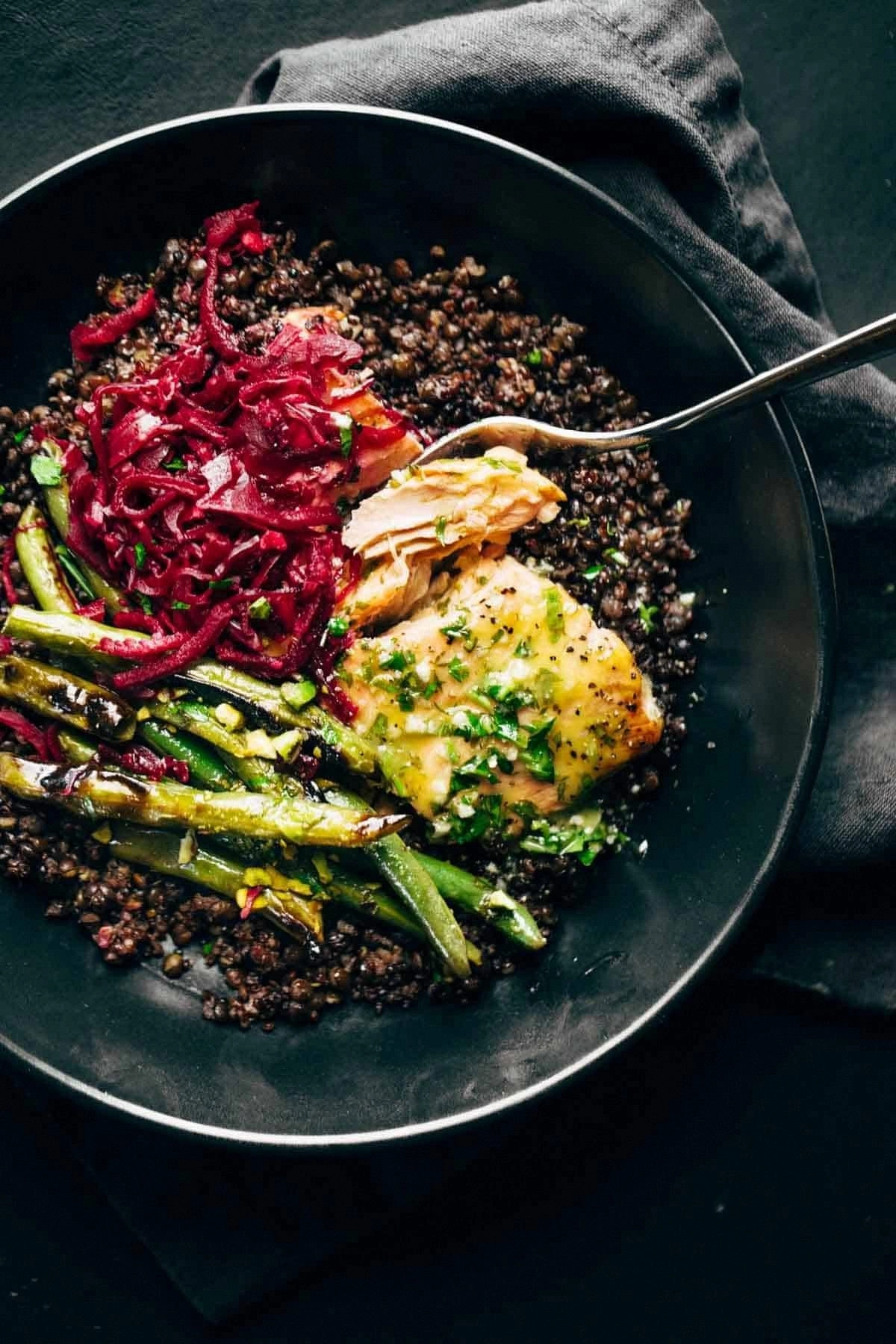
To plate, create a small nest of lentils on each plate, then lay a salmon fillet on top. Drizzle any remaining glaze from the pan over the fish, and garnish with a wedge of lemon and a few extra sprigs of dill or parsley. The final presentation should look like a seaside tableau—vibrant, inviting, and ready for the first bite.
That's it — you did it. But hold on, I've got a few more tricks that'll take this to another level...
Insider Tricks for Flawless Results
The Temperature Rule Nobody Follows
Never bake salmon at a low temperature hoping for “gentle cooking.” High heat (400 °F) sears the surface instantly, locking in moisture. If you’re using a fan‑assisted oven, drop the temp by 20 °F to avoid over‑drying. Trust me, a quick, hot blast is the secret to that coveted caramelized edge.
Why Your Nose Knows Best
Your sense of smell is the ultimate doneness gauge. When the kitchen fills with a buttery‑lemon aroma, the salmon is about three minutes away from perfection. If the scent is faint, give it a minute longer. This sensory cue beats any timer, especially when fillet thickness varies.
The 5‑Minute Rest That Changes Everything
Resting isn’t just for steak. Let the salmon sit for five minutes after baking; the residual heat finishes cooking the interior while the juices settle. Skipping this step is the reason many end up with a dry, crumbly piece of fish.
Lentil Soak Shortcut
If you plan ahead, soak the lentils for 30 minutes the night before. This reduces cooking time by half and guarantees an even texture. A friend once tried to skip soaking and ended up with a mushy, uneven batch—lesson learned.
The Butter‑Oil Balance
Using both butter and olive oil gives you the best of both worlds: butter’s flavor and oil’s high smoke point. Too much butter will burn at 400 °F; too much oil leaves the glaze thin. The 2:2 tablespoon ratio is the sweet spot.
Creative Twists and Variations
This recipe is a playground. Here are some of my favorite ways to switch things up:
Spicy Sriracha Splash
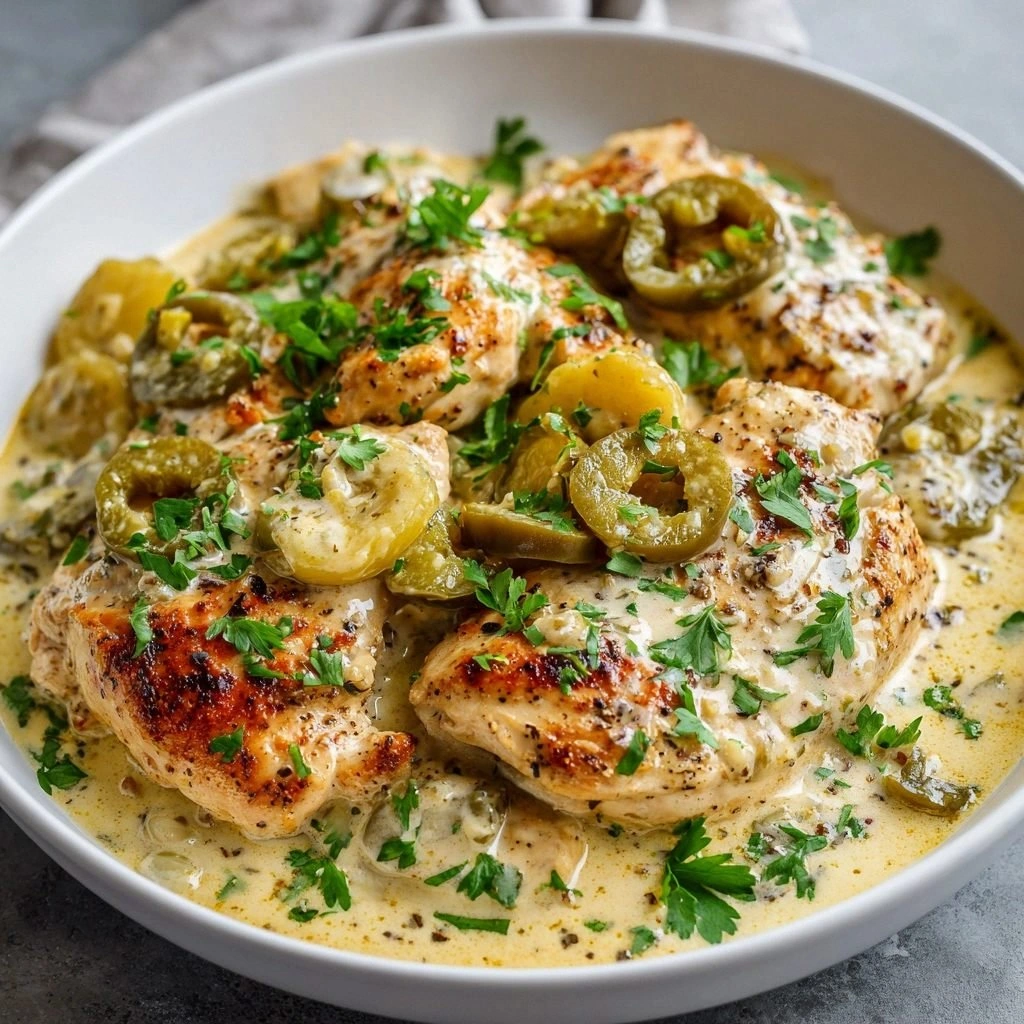
Add 1 teaspoon of sriracha to the glaze for a subtle heat that pairs beautifully with the honey’s sweetness. Top with sliced jalapeños for an extra kick—great for those who love a little fire.
Mediterranean Olive Medley
Stir in a handful of chopped Kalamata olives and a sprinkle of crumbled feta into the lentil mixture. The briny olives and creamy feta give the dish a sun‑kissed, Mediterranean vibe.
Maple‑Ginger Glaze
Swap honey for maple syrup and add a teaspoon of freshly grated ginger to the glaze. The result is a warm, autumnal flavor profile that works especially well with roasted root vegetables on the side.
Coconut Curry Twist
Replace the lemon juice with ¼ cup coconut milk and add 1 teaspoon curry powder to the lentils. The creamy coconut base turns the dish into a comforting, exotic bowl—perfect for cooler evenings.
Herb‑Infused Quinoa Swap
If lentils aren’t your thing, swap them for quinoa. Cook the quinoa in the same herb‑laden broth, and you’ll have a lighter, fluffier side that still carries the lemon‑herb essence.
Storing and Bringing It Back to Life
Fridge Storage
Allow the salmon and lentils to cool to room temperature (no more than two hours). Transfer to airtight containers—one for the fish, one for the lentils. They’ll keep fresh for up to three days. When reheating, add a splash of water or broth to prevent drying.
Freezer Friendly
Wrap each salmon fillet tightly in plastic wrap, then place in a freezer‑safe zip‑lock bag. The lentils can be frozen in a single portion bag. Both freeze well for up to two months. Thaw overnight in the fridge before reheating.
Best Reheating Method
Preheat the oven to 300 °F, place the salmon on a foil‑lined tray, and add a teaspoon of water or broth to the pan. Cover loosely with foil and heat for 10‑12 minutes. The lentils can be reheated in a skillet with a dash of olive oil and a splash of lemon juice, stirring until warmed through. This gentle reheating restores the original texture without turning the fish rubbery.