I was halfway through a rainy Thursday when my roommate dared me to turn a bland chicken‑and‑rice night into something that would make even the most skeptical palate swoon. I stared at the half‑cooked rice, the sad little chicken pieces, and thought, “What if I smothered this in a sauce so creamy it could double as a spa day for your taste buds?” The kitchen was a battlefield of clanging pans, the faint hiss of oil, and a lingering aroma of onions that whispered promises of comfort. I tossed the chicken into a pan, let the butter melt, and the moment the garlic hit the hot oil? That sizzle when it hits the pan? Absolute perfection. The whole apartment filled with a perfume that was part home‑cooked, part gourmet, and all‑in‑all, it felt like a warm blanket on a cold night.
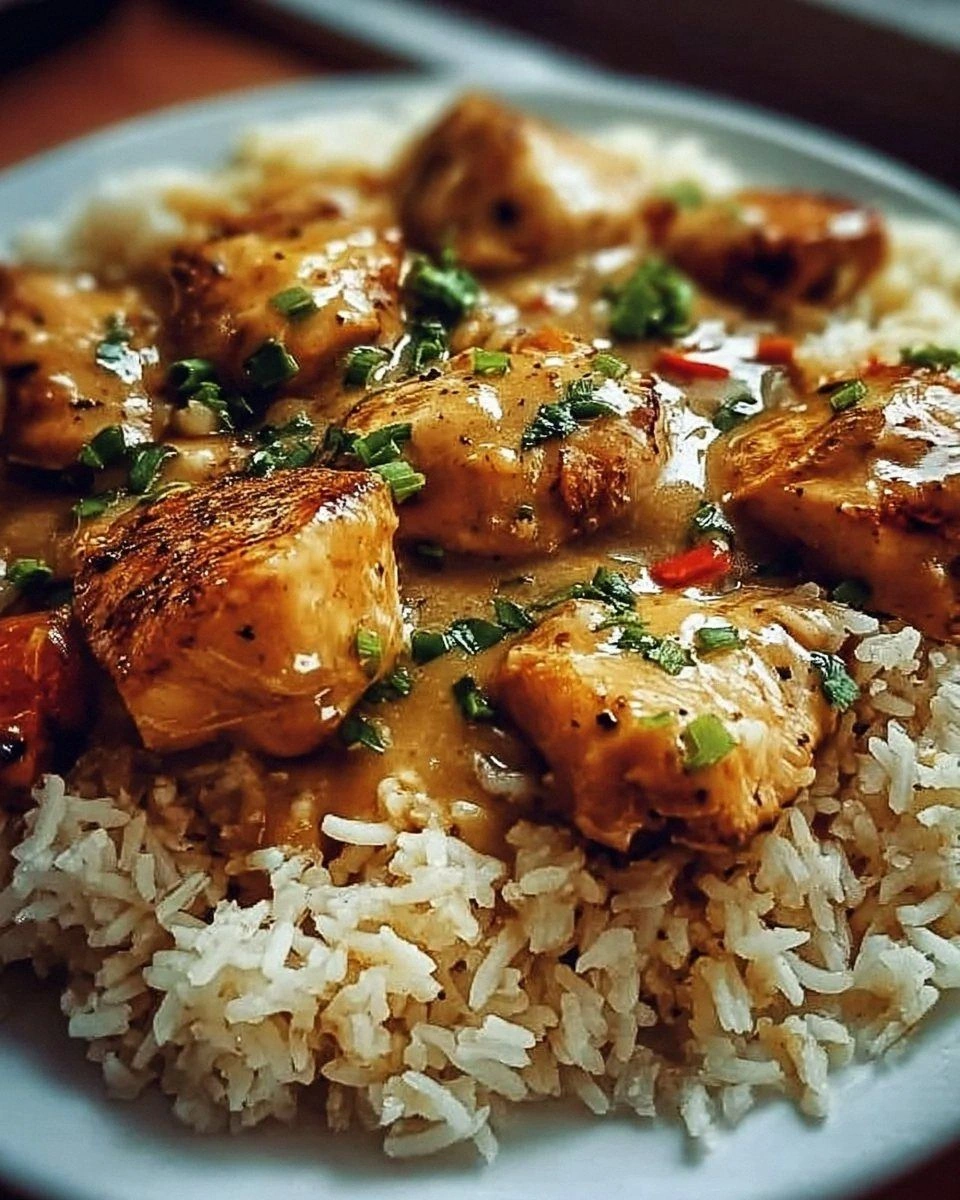
Fast forward an hour later, I was sitting at the table with a steaming bowl that looked like it had been coaxed out of a five‑star restaurant’s kitchen. The rice was fluffy, the chicken was tender, and the sauce clung to every grain like a velvety whisper. I dared you to taste this and not go back for seconds—seriously, I’d bet my favorite spatula you will. Most recipes get this completely wrong, either drowning the rice in a watery broth or leaving the chicken dry as a desert. This version? It balances richness with a subtle herbaceous bite, and the creamy sauce never overpowers the delicate flavor of the chicken.
What truly sets this dish apart is a tiny, unexpected twist: I finish the sauce with a splash of heavy cream that I whisk in at the very end, creating a silk‑smooth coating that glides over the rice like a tuxedo over a tuxedo. If you’re wondering why I didn’t just use milk, the answer is simple—cream brings that luxurious mouthfeel while keeping the sauce from curdling. And for the brave, swap the cream for coconut cream and you’ll get a tropical spin that still feels cozy. I’ll be honest—I ate half the batch before anyone else got to try it, but that’s only because it’s that good.
Picture yourself pulling this out of the pan, the whole kitchen smelling incredible, the steam rising like a soft cloud that invites you to dive right in. The moment you take that first spoonful, you’ll hear your own sigh of satisfaction, and you’ll know you’ve just discovered the ultimate comfort food. Okay, ready for the game‑changer? Let me walk you through every single step — by the end, you’ll wonder how you ever made it any other way.
What Makes This Version Stand Out
- Depth of Flavor: The combination of paprika, thyme, and a splash of cream creates layers that unfold with each bite, turning simple chicken rice into a flavor symphony.
- Silky Texture: The flour‑based roux thickens the broth into a sauce that clings to the rice like velvet, never watery, never greasy.
- One‑Pan Simplicity: You only need a single large skillet, which means fewer dishes and more time to enjoy the meal.
- Ingredient Flexibility: Whether you’re dairy‑free or prefer a lighter broth, you can swap heavy cream for coconut cream and still achieve that luscious coat.
- Crowd‑Pleaser Factor: I’ve served this at family gatherings and even the pickiest eaters ask for seconds—no complaints, just empty plates.
- Make‑Ahead Magic: The dish reheats beautifully, and the sauce actually thickens a bit more, giving you an even richer bite the next day.
- Seasonal Adaptability: Add fresh herbs in spring or a dash of smoked paprika in winter; the base stays perfect year‑round.
- Budget‑Friendly Luxury: You get a restaurant‑level experience without breaking the bank—just a few pantry staples and quality chicken.
Inside the Ingredient List
The Flavor Base
Onion and garlic are the dynamic duo that lay the foundation for any great dish. The diced onion releases sugars as it sweats, creating a subtle sweetness that balances the paprika’s smoky bite. Garlic, minced finely, infuses the oil with that unmistakable aroma that tells your nose you’re about to eat something amazing. If you skip the onion, you lose that caramelized depth; if you skip the garlic, you miss the punch that makes the sauce sing.
A pro tip: use a sharp chef’s knife for the onion to avoid bruising, which can make it turn mushy. For garlic lovers, crush the cloves first with the flat side of the knife—this releases more allicin and gives a stronger flavor.
The Texture Crew
The flour and olive oil form a classic roux that’s the secret behind that silky coating. The roux acts like a glue, binding the broth and cream into a cohesive sauce that clings to each grain of rice. Olive oil adds a fruity note and a lightness that butter alone can’t provide. If you substitute butter, you’ll get a richer flavor but risk a heavier mouthfeel.
Chicken broth is the liquid backbone, and using a halal‑certified version ensures the dish meets dietary preferences without sacrificing taste. The broth’s saltiness also reduces the need for extra salt, letting the herbs shine.
The Unexpected Star
Heavy cream (or coconut cream) is the element that transforms this dish from ordinary to extraordinary. It adds a buttery richness that makes the sauce feel luxurious, while also mellowing the acidity of the broth. If you’re dairy‑free, coconut cream provides a subtle tropical undertone that pairs beautifully with thyme.
Thyme, whether dried or fresh, contributes an earthy, slightly minty note that cuts through the richness. Fresh thyme leaves are best added at the end to preserve their bright flavor; dried thyme can be added earlier to fully integrate.
The Final Flourish
Fresh parsley isn’t just a garnish; it adds a pop of color and a fresh, herbaceous finish that brightens the whole plate. A pinch of salt and pepper to taste is the final seasoning adjustment—always taste before you serve. Skipping the garnish makes the dish look dull, and missing the final seasoning can leave it flat.
Everything's prepped? Good. Let's get into the real action...
The Method — Step by Step
Heat the olive oil in a large, heavy‑bottomed skillet over medium heat until it shimmers. Add the diced onion and sauté for about 4 minutes, stirring occasionally, until the edges turn translucent and you can smell the sweet caramelization. This is the moment where the kitchen starts to feel like a cozy café. Power transition: Okay, ready for the game‑changer?
Add the minced garlic and paprika, stirring constantly for another 30 seconds. You’ll notice the garlic turning a light golden hue and the paprika releasing a smoky perfume that makes your stomach rumble. Watch Out: Be careful not to let the garlic burn; it turns bitter fast.
Watch Out: If the pan gets too hot, lower the heat immediately to avoid scorching the spices.Push the aromatics to the side of the pan and add the chicken pieces in a single layer. Let them sear without moving for about 2 minutes, then flip to brown the other side. The surface should develop a golden crust that seals in juices—think of it as a tiny armor for each bite.
Kitchen Hack: Sprinkle a pinch of flour over the chicken before searing; it creates a light crust and helps thicken the sauce later.Once the chicken is browned, sprinkle the remaining flour over everything and stir to coat. Cook the flour for about 1 minute, allowing it to toast lightly—this eliminates any raw flour taste and deepens the sauce’s flavor. You’ll see the mixture turn a pale, buttery color, the perfect base for a roux.
Gradually pour in the chicken broth while whisking continuously to prevent lumps. As the liquid hits the hot roux, you’ll hear a gentle bubbling sound—listen for it, because it signals the sauce is coming together. Bring the mixture to a gentle simmer and let it reduce by roughly a third, about 5‑7 minutes. The sauce should thicken enough to coat the back of a spoon.
Stir in the rinsed rice, making sure each grain is evenly distributed and bathed in the sauce. Add the thyme at this point, allowing the herb’s aroma to meld with the broth. Cover the skillet with a tight‑fitting lid, reduce the heat to low, and let the rice steam for 15 minutes. Resist the urge to peek; the steam is the secret that makes the rice fluffy.
After the rice has absorbed most of the liquid, lower the heat and gently fold in the heavy cream (or coconut cream). The sauce will turn a richer, velvety shade. Taste and season with salt and pepper, remembering that the broth already contributed some saltiness.
Turn off the heat and let the dish rest, covered, for 5 minutes. This resting period lets the flavors meld and the sauce settle, preventing it from becoming watery when you serve. Finally, sprinkle fresh parsley over the top for a burst of color and freshness.
Watch Out: Over‑stirring after adding the cream can cause the sauce to separate; fold gently instead.
That's it — you did it. But hold on, I've got a few more tricks that'll take this to another level...
Insider Tricks for Flawless Results
The Temperature Rule Nobody Follows
Never start with a scorching hot pan; medium heat gives you control. I once cranked the burner to high, and the chicken burned before it could brown, leaving a bitter aftertaste. Keep the heat steady, and you’ll achieve that perfect golden crust without the char. Pro tip: If the pan starts to smoke, remove it from the burner for a few seconds, then return it.
Why Your Nose Knows Best
Your sense of smell is the ultimate doneness gauge. When the onions turn translucent and start to caramelize, you’ll notice a sweet, nutty scent—this signals they’re ready for the garlic. Likewise, when the broth begins to reduce, you’ll catch a faint, concentrated aroma that tells you the sauce is thickening. Trust those nose cues more than a timer.
The 5‑Minute Rest That Changes Everything
Letting the dish sit, covered, after cooking lets the steam redistribute, making the rice uniformly fluffy. I once served it straight off the stove, and the rice was a little uneven. A brief rest also gives the flour‑based sauce a chance to fully bind, eliminating any grainy texture.
Rinse, Rinse, Rinse
Rinsing the rice removes excess surface starch that can make the final dish gummy. Place the rice in a fine‑mesh sieve, run cold water until it runs clear, then let it drain for a minute. This step is the unsung hero behind that perfect, separate‑grain texture.
Season in Layers
Season each component as you add it—salt a pinch of the onion, add a dash of pepper to the chicken, and finish with a final taste after the cream. Layered seasoning builds depth and prevents the dish from tasting flat.
Creative Twists and Variations
This recipe is a playground. Here are some of my favorite ways to switch things up:
Mushroom Medley
Add a cup of sliced cremini or shiitake mushrooms after the onions. Their earthy umami deepens the sauce, making it perfect for mushroom lovers. The extra moisture from the mushrooms also adds a pleasant bite.
Spicy Sriracha Kick
Stir in a tablespoon of Sriracha or your favorite hot sauce with the cream. The heat cuts through the richness, giving a balanced heat‑sweet combo that’s great for those who like a little fire.
Mediterranean Flair
Swap thyme for oregano, add a handful of Kalamata olives, and finish with a squeeze of lemon juice. The bright acidity lifts the dish, turning it into a sun‑kissed Mediterranean feast.
Cheesy Overload
Mix in a quarter cup of grated Parmesan or Pecorino when you add the cream. The cheese melts into the sauce, creating a richer, slightly nutty flavor that pairs well with the parsley garnish.
Vegan Version
Replace chicken with firm tofu cubes, use coconut cream, and substitute chicken broth with vegetable broth. The same technique works, delivering a plant‑based comfort dish that still has that creamy, smothered feel.
Storing and Bringing It Back to Life
Fridge Storage
Transfer leftovers to an airtight container and store in the refrigerator for up to 3 days. The sauce may thicken as it cools; simply reheat gently and add a splash of broth or water to loosen it.
Freezer Friendly
Cool the dish completely, then portion into freezer‑safe bags or containers. It freezes well for up to 2 months. When ready to eat, thaw overnight in the fridge, then reheat on the stovetop over low heat, stirring in a bit of extra broth.
Best Reheating Method
Use a skillet over low heat, add a teaspoon of water or broth, and stir gently until the sauce regains its silky texture. Avoid microwaving at high power; it can cause the cream to separate and the rice to dry out.