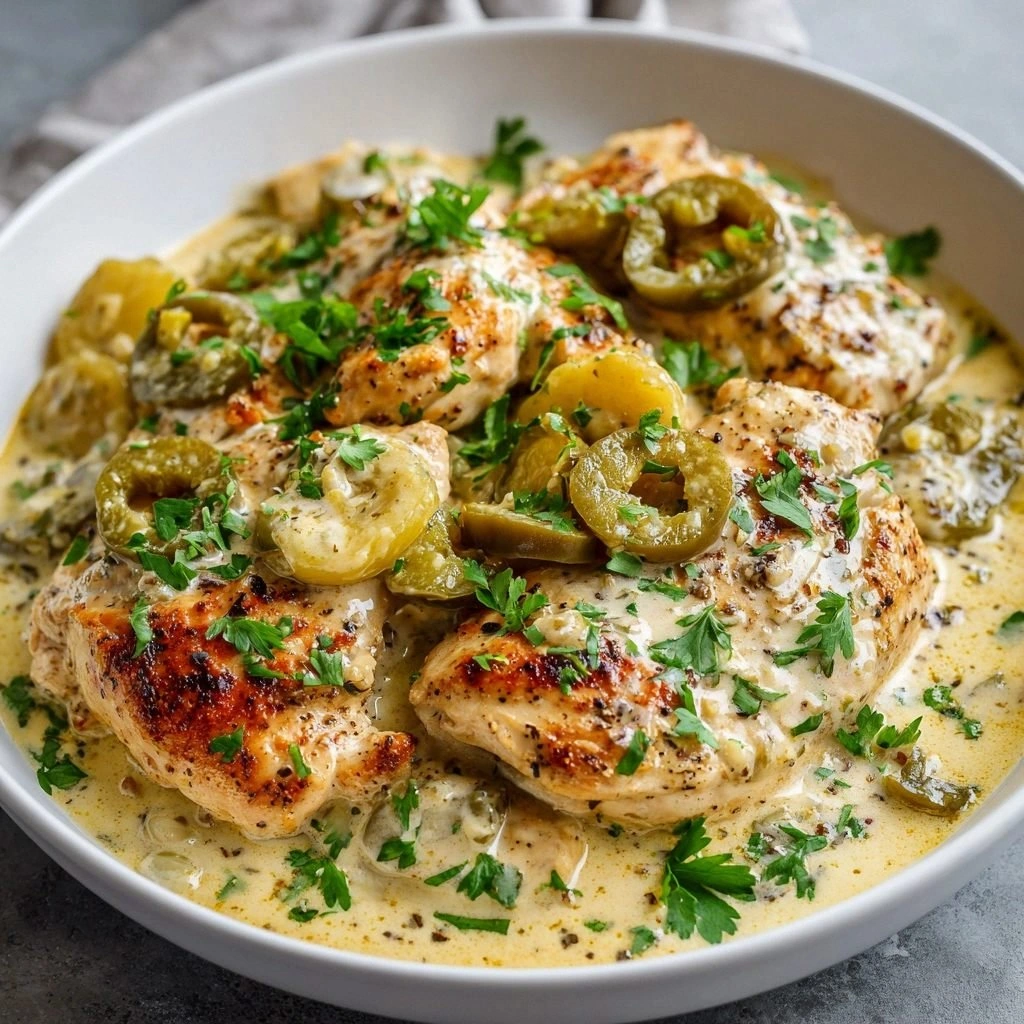
I was staring at a burnt pan, my kitchen smelling like a failed soufflé, when a friend texted: “You’ve got to try this lemon chicken.” I laughed, but the urge to rescue the day—and my taste buds—was too strong. I grabbed the ingredients, rolled up my sleeves, and promised myself I’d turn this disaster into a dish that would have people begging for seconds. The moment I added the first squeeze of lemon, the room filled with a citrus perfume that felt like a sunrise over a Mediterranean harbor.
Picture the scene: a bright yellow lemon glistening on the counter, garlic cloves humming in a bowl, olives scattered like tiny dark jewels, and the faint aroma of oregano that makes you feel like you’re in a Greek taverna. The sound of the skillet sizzling as the chicken hits the pan is a metronome of anticipation, the heat rising like steam from a freshly brewed espresso. The texture of the chicken, once raw, turns from rubbery to tender as the juices lock in, and the olive oil coats the surface, creating a glossy sheen that catches the light. The final flourish—fresh parsley—sprinkles a burst of green that feels almost ceremonial, like a chef’s signature flourish.
What sets this version apart is that it’s not just another “lemon chicken” recipe; it’s a carefully balanced symphony where each element plays a distinct role. The artichoke hearts bring a subtle nuttiness that contrasts the bright acidity of lemon, while the Kalamata olives add a salty depth that elevates the entire dish. The use of fresh garlic, not powdered, gives an aromatic punch that lingers on the tongue. The oregano is the unsung hero that ties the Mediterranean flavors together, and the final parsley garnish provides a fresh, herbal finish that brightens the palate. Together, they create a dish that feels both comforting and adventurous.
I dare you to taste this and not go back for seconds. I’ve been known to devour half the batch before anyone else gets a bite, and that’s not a brag—just a confession. Most recipes get this completely wrong by overcooking the chicken or under-seasoning the olives. Here, the technique is simple but precise: marinate, sear, simmer, and finish with a splash of lemon. Picture yourself pulling this from the oven, the whole kitchen smelling incredible, and knowing you’ve made the best version of this dish at home.
What Makes This Version Stand Out
- Taste: The citrusy lemon cuts through the richness of olive oil, while the olives add a briny counterpoint that keeps each bite exciting.
- Texture: The chicken stays juicy inside with a caramelized crust outside, and the artichokes provide a tender bite that contrasts the crunchy olives.
- Simplicity: With just eight ingredients, you can whip this up in under an hour, making it perfect for busy weeknights.
- Uniqueness: The combination of artichokes and Kalamata olives is rarely seen in standard lemon chicken recipes, giving it a distinctive Mediterranean flair.
- Crowd Reaction: Friends always ask for the recipe after dinner; the dish is a crowd-pleaser that feels like a vacation.
- Ingredient Quality: Fresh, high‑quality ingredients are key—especially the olives and fresh lemon juice—because they define the flavor profile.
- Cooking Method: Searing first locks in juices, then simmering with aromatics builds depth without overcooking.
- Make‑Ahead Potential: The flavors actually improve after a night in the fridge, making it a great make‑ahead option.
Alright, let’s break down exactly what goes into this masterpiece…
Inside the Ingredient List
The Flavor Base
Olive oil is the cornerstone of Mediterranean cooking, providing a silky canvas that helps the lemon juice and garlic mingle. It also prevents the chicken from sticking, allowing a beautiful sear. If you’re watching calories, you can swap half the oil for a light spray, but the flavor will be noticeably diminished. Remember, a good olive oil should have a peppery finish—don’t settle for a bland, cheap brand.
Fresh lemon juice is essential; it brightens the dish and balances the saltiness of the olives. A squeeze of fresh lemon is far superior to bottled juice, which can taste flat. If you’re craving a deeper citrus note, add a teaspoon of lemon zest to the sauce. The acidity also tenderizes the chicken, ensuring a juicy result.
The Texture Crew
Boneless, skinless chicken breasts are the star, offering a clean, lean protein that absorbs flavors. Slice them into even pieces to ensure uniform cooking. If you prefer a more substantial bite, use chicken thighs; just adjust cooking time slightly. The artichoke hearts bring a subtle, nutty texture that contrasts nicely with the crisp olives.
Kalamata olives are packed with briny flavor that cuts through the richness of the sauce. They’re also a source of healthy fats and antioxidants. If you can’t find Kalamata, green olives work as a decent substitute, though the flavor profile will shift slightly. Remember to pit the olives before adding them to avoid a bitter bite.
The Unexpected Star
Garlic is the aromatic backbone of this dish. Minced fresh garlic releases a warm, inviting scent that permeates the sauce. Avoid pre‑minced garlic, which can taste harsh; instead, crush the cloves with a knife to release their oils fully. The garlic also helps the oregano adhere to the chicken, enhancing the overall flavor.
Dried oregano brings a fragrant, earthy note that ties all the Mediterranean elements together. It’s a staple in Greek and Italian cooking, and its robust flavor stands up well against the lemon’s acidity. If you’re a fan of fresh herbs, a handful of fresh oregano will give a brighter, more vibrant taste, but dried oregano is more convenient.
The Final Flourish
Fresh parsley is the finishing touch that adds a burst of color and a fresh, herbaceous finish. It lightens the dish and balances the saltiness of the olives. Chop the parsley finely so it disperses evenly, and sprinkle it over the dish right before serving. If you prefer a milder flavor, substitute with cilantro for a slightly different herbal note.
Salt and pepper are the seasoning essentials that enhance every other ingredient. Add salt to taste after the chicken has cooked, so you can adjust the balance. Pepper adds a subtle heat that complements the citrus and olive oil. Be generous with the pepper; a well‑seasoned dish is the foundation of a memorable meal.
Everything’s prepped? Good. Let’s get into the real action…
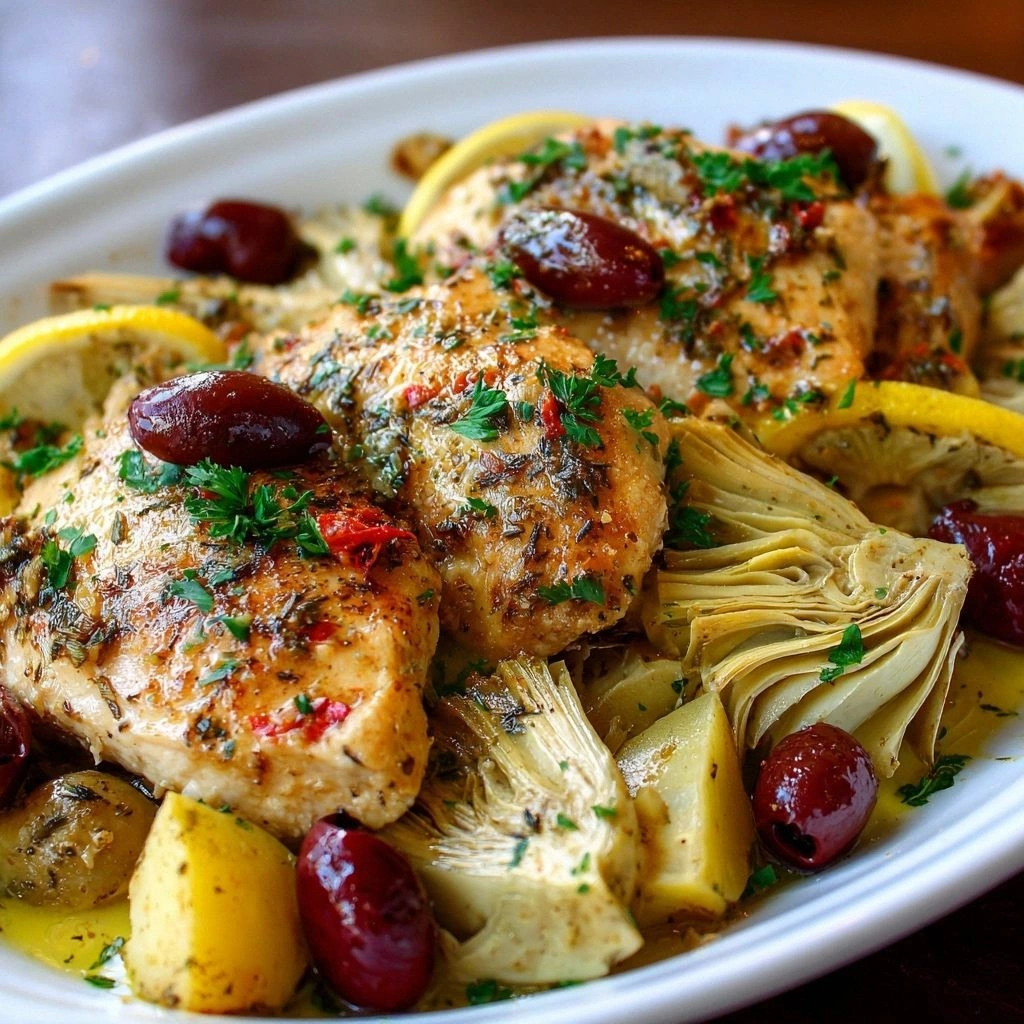
The Method — Step by Step
- Start by patting the chicken breasts dry with paper towels; this ensures a crisp sear. Season both sides generously with salt and pepper. Let the seasoned chicken rest at room temperature for 10 minutes to absorb the seasoning.
- Heat a large skillet over medium‑high heat and add 2 tablespoons of olive oil. When the oil shimmers, place the chicken breasts skin‑side down (if they have skin) and sear for 3–4 minutes until golden brown. Flip and sear the other side for another 3 minutes.
- Add the minced garlic to the pan, stirring constantly to prevent burning. Cook for 30 seconds until aromatic, then add the lemon juice and a splash of water to deglaze the pan. Scrape up any browned bits; they’re full of flavor.
- Stir in the oregano, artichoke hearts, and olives. Reduce heat to medium, cover the skillet, and let the chicken simmer for 10 minutes. The sauce should thicken slightly and the chicken should reach an internal temperature of 165°F.
- Remove the lid and increase heat to medium‑high to reduce the sauce to a glossy glaze. Stir occasionally so the sauce doesn’t stick to the bottom. This step intensifies the citrus and olive flavors.
- Once the sauce has thickened, remove the chicken from the skillet and let it rest for 5 minutes. Resting allows the juices to redistribute, keeping the meat moist.
- While the chicken rests, toss the remaining sauce with a splash of fresh lemon juice to brighten it further. If you’d like a richer sauce, add a teaspoon of butter at this point and stir until melted.
- Return the chicken to the skillet, spooning the sauce over each piece. Sprinkle chopped parsley on top for a fresh finish. Serve immediately over rice, pasta, or a bed of roasted vegetables.
That’s it— you did it. But hold on, I’ve got a few more tricks that will take this to another level. The key is to keep the sauce glossy and the chicken juicy, and that’s where the timing and temperature play a pivotal role.
Insider Tricks for Flawless Results
The Temperature Rule Nobody Follows
Many cooks rely on a thermometer, but the real secret is listening to the sound. When the chicken sizzles loudly and the surface turns a deep amber, you’ve hit the perfect sear. If you’re new to stovetop cooking, practice by searing a small piece of chicken and noting the color change. This tactile approach saves time and keeps the meat from drying out.
Why Your Nose Knows Best
The aroma of garlic and lemon is your best judge of doneness. When the garlic turns golden and the lemon scent becomes more pronounced, the sauce is ready. If you’re in doubt, give the pan a quick sniff; if it smells slightly burnt, lower the heat immediately. Your nose is a reliable tool—trust it.
The 5‑Minute Rest That Changes Everything
Resting the chicken for 5 minutes after cooking may seem trivial, but it’s a game‑changer. The juices redistribute, resulting in a tender, moist interior. Think of it as the final seasoning that allows flavors to meld. Skipping this step often leaves the meat dry and less flavorful.
Keep It Cool with a Quick Splash
If you’re reheating leftovers, add a splash of water or broth to the pan before reheating. This prevents the sauce from drying out and keeps the chicken juicy. Cover the skillet to trap steam, which helps re‑soften the meat while warming the sauce evenly.
Layer the Flavor with a Finish
Right before serving, drizzle a tablespoon of extra virgin olive oil over the dish. This adds a silky finish that makes the sauce coat the chicken like velvet. It also enhances the overall aroma, making the dish even more enticing.
Creative Twists and Variations
This recipe is a playground. Here are some of my favorite ways to switch things up:
Mediterranean Veggie Bowl
Swap the chicken for sliced zucchini or eggplant. Roast the veggies first for a smoky flavor, then toss them with the lemon‑olive sauce. Pair with quinoa for a hearty, plant‑based meal.
Spicy Greek Twist
Add a pinch of red pepper flakes during the garlic step for a subtle heat. The spice balances the citrus and brings a fiery kick that pairs well with a cool cucumber yogurt sauce.
Pasta Powerhouse
Serve the sauce and chicken over whole‑grain spaghetti or linguine. The pasta absorbs the lemon‑garlic sauce, creating a dish that feels like a classic Italian dinner with a Mediterranean twist.
Roasted Sweet Potato Base
Roast diced sweet potatoes until caramelized. Layer them in the skillet with the chicken and sauce for a sweet and savory contrast. The sweet potatoes add natural sweetness that complements the olives.
Herb‑Infused Crust
Coat the chicken in a mixture of chopped fresh herbs (rosemary, thyme, oregano) and breadcrumbs before searing. The crust adds crunch and an herbaceous layer that elevates the dish.
Citrus‑Balsamic Glaze
Finish the sauce with a splash of balsamic vinegar and a drizzle of honey. The sweet acidity gives a sophisticated glaze that pairs beautifully with the Mediterranean flavors.
Storing and Bringing It Back to Life
Fridge Storage
Cool the dish to room temperature, then cover tightly and refrigerate for up to 3 days. The lemon and olive oil keep the chicken moist, while the olives maintain their briny flavor.
Freezer Friendly
Store in an airtight container and freeze for up to 2 months. Thaw overnight in the fridge before reheating. The sauce may separate slightly; a quick stir will restore its consistency.
Best Reheating Method
Reheat the dish on the stovetop over low heat, adding a splash of water or broth to keep the sauce from drying out. Cover the skillet to trap steam, ensuring the chicken remains juicy.