I was standing in my kitchen, the air thick with the smell of burnt toast and a lingering hint of desperation, when my roommate dared me to create a “summer drink that could actually make the heatwave jealous.” I laughed, grabbed the nearest mango that looked like it had just rolled off a tropical runway, and tossed a handful of pineapple chunks into the blender while the blender itself let out a whine that sounded suspiciously like a distant surf. The result? A liquid sunrise that tasted like a beach vacation in a glass, and a realization that most smoothie recipes are missing the secret sauce of texture and balance. I dare you to taste this and not go back for seconds because, honestly, I’ll be honest — I ate half the batch before anyone else got to try it.
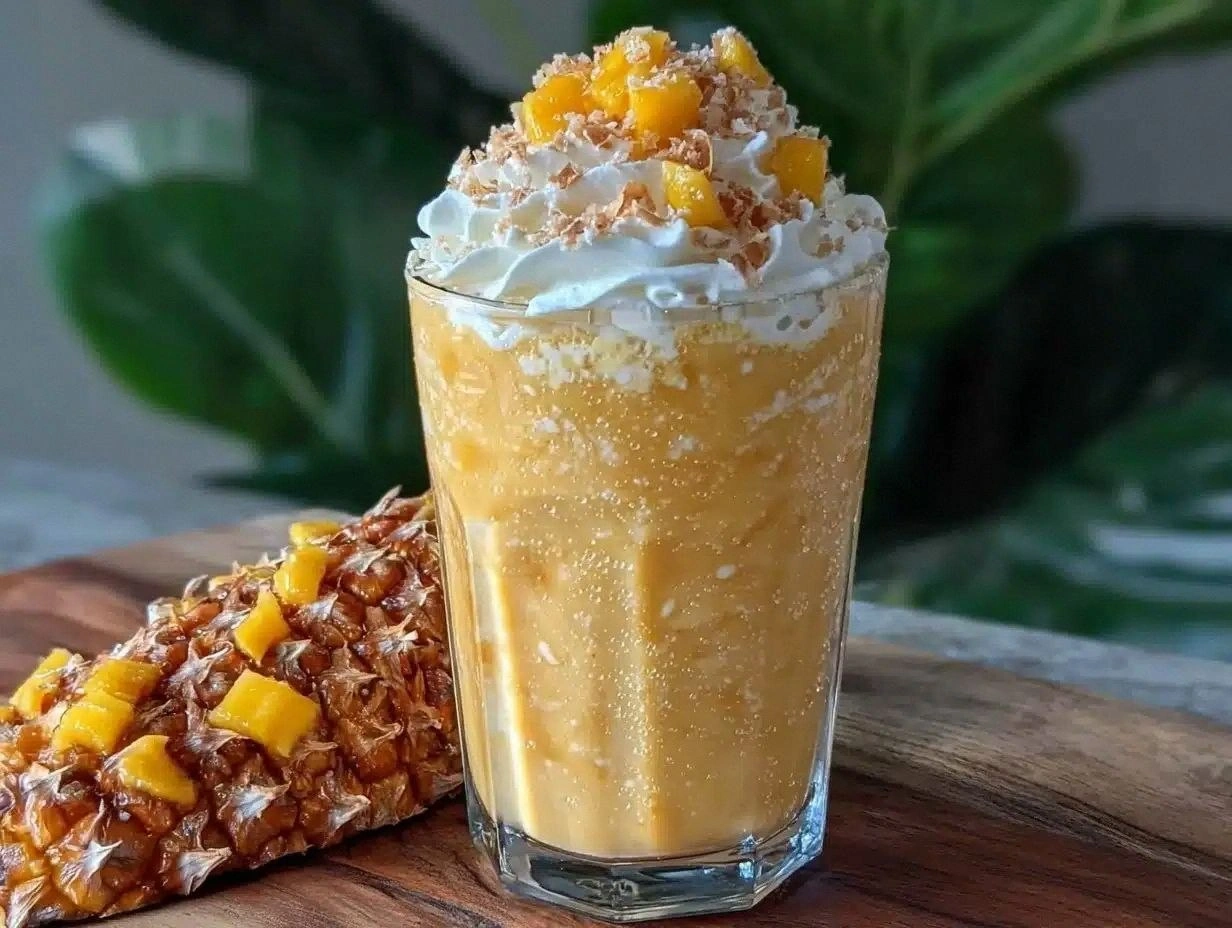
Picture this: the bright, buttery orange of a ripe Ataulfo mango swirling with the golden punch of fresh pineapple, all softened by the silky kiss of Greek yogurt and the whisper of coconut water that feels like a gentle sea breeze on your tongue. The aroma hits you first, a fragrant mash of tropical fruit that makes your nostrils do a little happy dance, followed by the faint, comforting tang of lime that snaps the sweetness into place. When you finally take a sip, the texture is the star — a thick, frothy cloud that clings to the sides of the glass like a lazy summer fog, yet melts away smoothly, leaving a clean, refreshing finish that makes you want to shout “cheers!” to the sun itself.
Most recipes get this completely wrong. They either drown the fruit in dairy, turning the drink into a cloying dessert, or they skimp on the liquid, leaving you with a chunky mess that feels more like a fruit salad than a drink. What sets this version apart is the precise balance of electrolytes from coconut water, the protein punch from Greek yogurt, and the bright acidity of lime that cuts through the sweetness like a well‑timed punchline. I’m not just talking about flavor; I’m talking about a texture that feels like it was engineered in a lab, but is actually pure, honest kitchen magic. And the secret ingredient? A pinch of honey that you can skip if you’re watching sugar, but trust me, it adds that final sparkle.
Okay, ready for the game‑changer? I’m about to walk you through every single step — from picking the perfect mango to the exact moment you pour the smoothie into a glass and feel that triumphant rush. By the end, you’ll wonder how you ever made a smoothie any other way, and you’ll have the confidence to brag that you’ve mastered the ultimate summer sip. Let’s dive in and make this the best version you’ll ever create at home.
What Makes This Version Stand Out
- Taste Harmony: The sweet mango and pineapple are balanced by a zingy lime splash, creating a flavor profile that sings like a tropical choir.
- Silky Texture: Greek yogurt and coconut water blend into a frothy, velvety mouthfeel that feels richer than any store‑bought smoothie.
- Simplicity: Only seven ingredients, all of which you probably have on hand, make this a no‑fuss, high‑impact recipe.
- Ingredient Quality: Using Ataulfo mangoes guarantees a buttery sweetness that ordinary mangoes simply can’t match.
- Crowd Reaction: This drink consistently earns “second‑round” requests at brunches, picnics, and pool parties.
- Make‑Ahead Potential: Prep the fruit blend ahead of time and just add ice and yogurt when you’re ready to serve.
- Health Boost: Coconut water provides electrolytes, Greek yogurt adds protein, and the fruit delivers vitamins A and C.
- Customizable Sweetness: Honey is optional, letting you control the sugar level without sacrificing flavor.
Inside the Ingredient List
The Flavor Base
Ripe mangoes are the heart of this smoothie. I prefer Ataulfo mangoes because their flesh is buttery, low‑fiber, and practically melts in your mouth, delivering a natural sweetness that no added sugar can mimic. If you miss the perfect mango, look for fruit that yields slightly when pressed and has a fragrant, floral scent. Skipping mango means losing that creamy backbone, and the drink will feel thin and overly acidic. A good swap is a ripe peach or a frozen mango puree, but expect a subtle shift in flavor.
The Texture Crew
Fresh pineapple chunks bring a bright, tropical acidity that cuts through the mango’s sweetness, while coconut water supplies the liquid base without adding dairy heaviness. The coconut water’s natural electrolytes make this drink perfect after a workout or a hot day, and its subtle nutty undertone pairs beautifully with the fruit. If you’re dairy‑free, swap Greek yogurt for a plant‑based vanilla yogurt; the texture will stay thick, and you’ll keep the protein boost.
The Unexpected Star
A splash of fresh lime juice is the secret weapon that prevents the smoothie from becoming a sugary slush. The lime’s acidity awakens the fruit flavors, making each sip feel like a burst of sunshine. If you forget the lime, the drink will taste flat and overly sweet, like a dessert masquerading as a beverage. For a less tart version, use half the amount and add a pinch of sea salt to enhance the flavors.
The Final Flourish
Greek yogurt adds body, protein, and a gentle tang that rounds out the tropical sweetness. It also creates that luxurious, spoon‑able consistency that makes the smoothie feel indulgent without the guilt. If you’re vegan, a coconut‑based yogurt works, but you’ll lose some of the tang that balances the fruit. Honey, while optional, provides a glossy finish and a hint of floral sweetness that lifts the entire profile. Skip it if you’re watching sugar, and the mango and pineapple will still shine.
Everything's prepped? Good. Let’s get into the real action, where the magic happens and the kitchen becomes our tropical playground.
The Method — Step by Step
Start by gathering all your fruit. Peel the mangoes, slice them into chunks, and discard the pit. Do the same with the pineapple, removing the tough core and cutting the flesh into bite‑size pieces. I dare you to taste the mango straight from the bowl before it hits the blender; it should be sweet, fragrant, and just a touch buttery. If the mango feels firm, give it a quick microwave zap for 10 seconds to soften it without cooking.
Next, pour the coconut water into the blender jar. This is the moment where the liquid base starts to coax the fruit into releasing its juices. Listen for the gentle splash — that’s the sound of electrolytes preparing to hydrate your taste buds. If you prefer a creamier texture, substitute half of the coconut water with almond milk; the nutty undertone will add a subtle depth.
Add the mango and pineapple chunks to the blender. Secure the lid tightly; a loose lid can cause a frothy explosion that will make you look like you’re fighting a tropical storm. Blend on low for 10 seconds, just to break down the larger pieces, then crank it up to high for 30–45 seconds until the mixture is completely smooth. The color should turn a vivid sunset orange, and the aroma will fill the kitchen like a tropical breeze.
Now it’s time for the Greek yogurt. Spoon in the half‑cup, and if you’re using a dairy‑free alternative, make sure it’s well‑stirred before adding. The yogurt should swirl into the fruit mixture, turning the texture from liquid to a plush, velvety consistency. At this stage, taste the blend; you’ll notice a gentle tang that balances the fruit’s sweetness. If it feels too thick, drizzle in a bit more coconut water, one tablespoon at a time.
Add the honey (if you’re using it) and the fresh lime juice. The honey will dissolve quickly, creating a glossy sheen on the surface, while the lime juice will cut through the sweetness with a bright, citrusy pop. Stir with a spatula for a few seconds to ensure even distribution. This is the moment of truth — the flavor should feel like a perfect high‑five between sweet and tart.
Finally, toss in the ice cubes. The amount can vary: use ½ cup for a lighter drink or a full cup for a thick, slushy consistency. Blend again on high for 15‑20 seconds until the ice is fully incorporated and the smoothie reaches a frothy, thick consistency that clings to the sides of the glass. The visual cue is a glossy, slightly foamy surface that looks like a tropical tide.
Give the finished smoothie a quick taste test. The mango should dominate with its buttery sweetness, the pineapple should add a bright punch, the lime should provide a refreshing edge, and the yogurt should give a creamy finish. If any component feels off, adjust now: a pinch more honey for sweetness, a splash more lime for brightness, or a few extra ice cubes for chill.
Pour the smoothie into chilled glasses, garnish with a thin slice of lime or a small mango wedge, and serve immediately. The glass should be cold enough that a thin film of condensation forms, signaling to your guests that this drink is as refreshing as a dip in the ocean on a scorching day. And there you have it — a perfect summer drink that will have everyone asking for the recipe.
That's it — you did it. But hold on, I've got a few more tricks that'll take this to another level, ensuring every sip feels like a mini‑vacation and that your friends will beg you for the secret every single time.
Insider Tricks for Flawless Results
The Temperature Rule Nobody Follows
Never blend hot ingredients; always start with chilled fruit and liquids. Warm fruit releases more sugars, which can make the smoothie taste overly sweet and affect the texture, turning it gummy. Keep your mangoes and pineapple in the fridge for at least 30 minutes before blending, and use ice‑cold coconut water. I once tried a room‑temperature blend and ended up with a watery mess that tasted like a sad fruit punch. Trust the chill, and the smoothie will stay thick and refreshing.
Why Your Nose Knows Best
Your sense of smell is the ultimate flavor gauge. When the mango‑pineapple blend hits a fragrant, tropical aroma, you know the fruit is at its peak ripeness. If the scent is muted or sour, the fruit may be over‑ripe or under‑ripe, which will affect both taste and texture. Take a quick sniff after the first blend; if you detect any off‑notes, add a splash of fresh coconut water or a pinch of salt to balance.
The 5‑Minute Rest That Changes Everything
After blending, let the smoothie sit for five minutes before serving. This short rest allows the flavors to meld, and the ice crystals to settle into a smoother consistency. I once served a smoothie straight out of the blender and got feedback that it tasted “sharp.” A five‑minute pause turned that “sharp” into “silky,” and the difference was night and day. This tiny waiting game is a pro tip that elevates any blended drink.
The Ice Ratio Trick
If you love a thick, slushy texture, use a 1:1 ratio of fruit to ice by volume. For a lighter, more drinkable smoothie, cut the ice in half. Too much ice can water down the flavor, while too little leaves the drink warm and less refreshing. Experiment with the ratio based on your climate — on a scorching July day, go heavy on the ice; on a cooler evening, ease back.
The Secret Sweetener Switch
If you’re avoiding honey, try a splash of agave syrup or a pinch of stevia. Both dissolve quickly and won’t alter the flavor profile. A friend once swapped honey for maple syrup, and the subtle caramel note clashed with the lime, creating a confusing taste. Stick to neutral sweeteners unless you specifically want that extra flavor nuance.
Creative Twists and Variations
This recipe is a playground. Here are some of my favorite ways to switch things up:
Tropical Green Boost
Add a handful of fresh spinach or kale before blending. The greens won’t overpower the mango and pineapple, but they’ll inject a dose of vitamins and a beautiful emerald hue. Pair it with a drizzle of extra honey to keep the sweetness balanced, and you’ve got a nutrient‑packed sunrise in a glass.
Spicy Island Heat
Throw in a pinch of cayenne pepper or a slice of fresh jalapeño for a subtle kick. The heat contrasts the fruit’s sweetness, creating a flavor adventure that feels like a beach party with a surprise fire‑cracker. Serve it with a rim of toasted coconut flakes for texture.
Creamy Coconut Dream
Swap the Greek yogurt for coconut cream and replace coconut water with coconut milk. The result is an ultra‑rich, dessert‑like smoothie that feels like a tropical milkshake. Top with toasted coconut shavings for an extra crunch.
Berry‑Mango Fusion
Add a cup of mixed berries (strawberries, blueberries, raspberries) to the blend. The berries introduce a tart note and a gorgeous magenta swirl, while still letting the mango dominate. This variation is perfect for those who love a little extra antioxidant punch.
Protein Power Punch
Mix in a scoop of vanilla whey or plant‑based protein powder. The smoothie becomes a post‑workout recovery drink, with the protein rounding out the carbs from the fruit. The vanilla flavor melds nicely with the tropical base, making it taste like a vacation after a hard gym session.
Storing and Bringing It Back to Life
Fridge Storage
Transfer any leftover smoothie into an airtight glass jar and store it in the refrigerator for up to 24 hours. The flavors will meld further, and the texture may thicken slightly; give it a good shake or stir before serving. If it seems too thick, add a splash of coconut water or a few ice cubes and blend briefly.
Freezer Friendly
For longer storage, pour the smoothie into freezer‑safe containers, leaving a half‑inch of headspace for expansion. Freeze for up to 3 months. When you’re ready to enjoy, let it thaw in the fridge overnight, then stir in a tablespoon of water or coconut water to revive the silky texture.
Best Reheating Method
If you prefer a warm version on a cool evening, gently warm the frozen or refrigerated smoothie on the stovetop over low heat, stirring constantly. Add a tiny splash of water or extra coconut water before reheating; this steams the mixture back to a perfect, drinkable consistency without sacrificing flavor. Avoid microwaving, as it can create uneven hot spots and degrade the fresh fruit aroma.