I still remember the first time I attempted a French chicken casserole. It was a gray Tuesday evening, my socks were damp from the rain, and my kitchen smelled like a failed chemistry experiment. The chicken was rubbery, the sauce tasted like watered-down disappointment, and I ended up eating a sad bowl of cereal while my culinary dreams went up in smoke. Fast forward three years, and I'm now the person my friends text at midnight begging for "that ridiculous chicken thing you make." This Hearty French Chicken Casserole a la Normande isn't just another recipe—it's your ticket to becoming the person who can turn a random Tuesday into something that feels like a tiny vacation in Normandy.
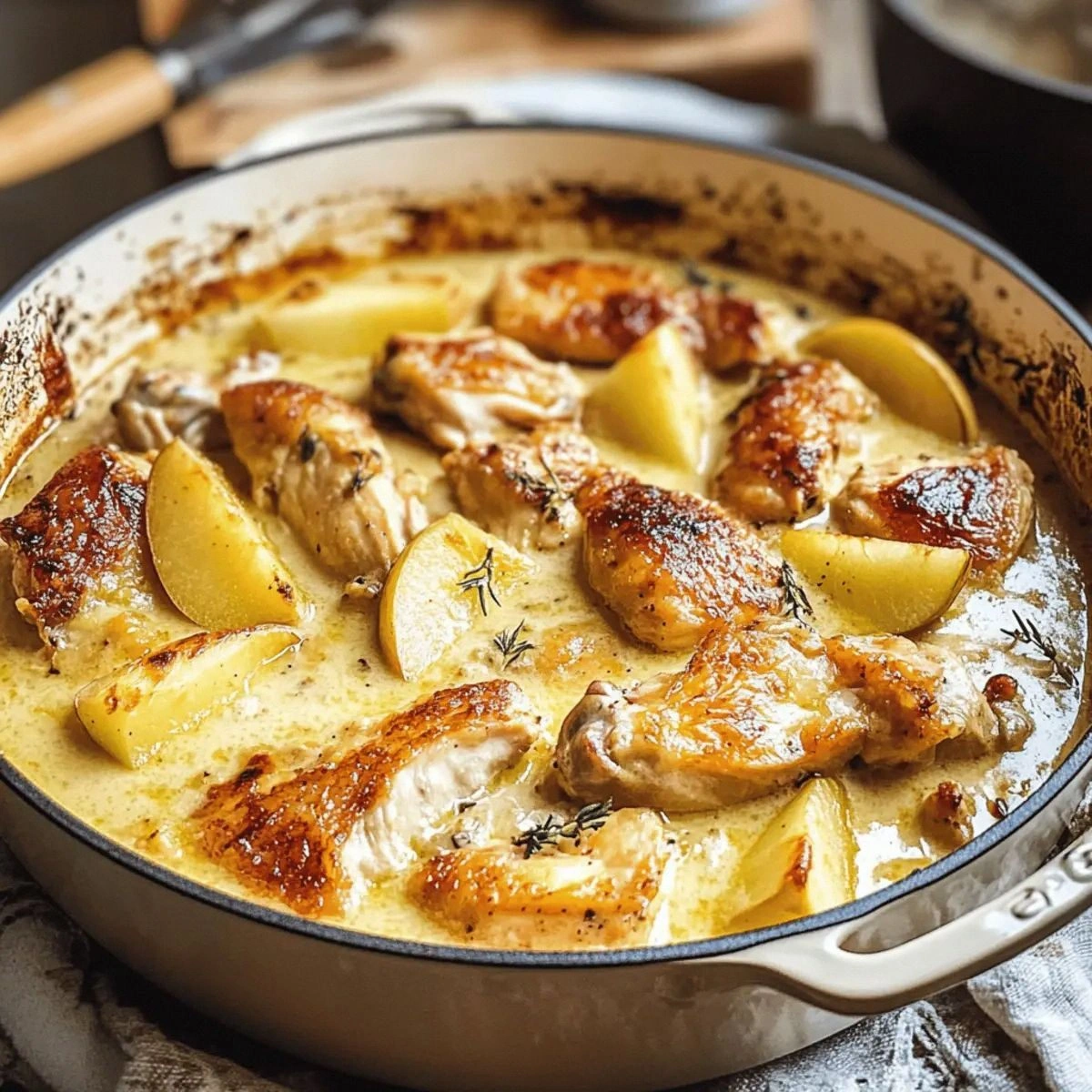
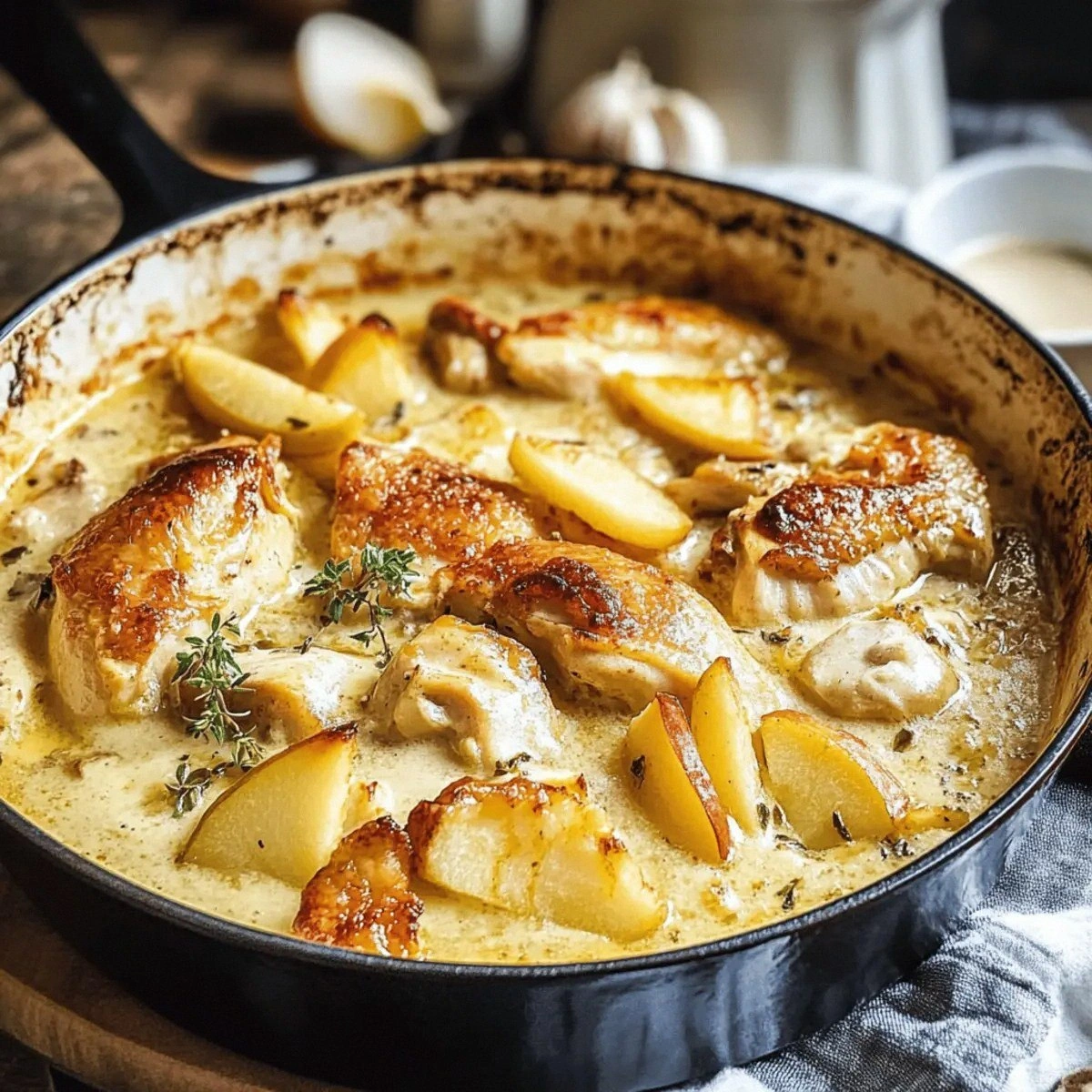
Picture this: tender chicken that falls off the bone with the gentlest nudge, swimming in a sauce so silky it makes velvet feel like sandpaper. The aroma alone is enough to make your neighbors knock on your door claiming they smell something "absolutely criminal" happening in your kitchen. That first bite? It's like someone wrapped you in a warm blanket while you watch autumn leaves fall outside your window. The apples add this whisper of sweetness that plays hide and seek with the savory depth of the bacon, while the cider brings everything together like a master conductor leading a symphony.
Here's the thing—most recipes for this dish get it completely wrong. They treat it like some fancy restaurant dish that requires a culinary degree and seventeen different pots. But I'm about to show you how to make the most restaurant-worthy meal of your life using just one Dutch oven and some seriously clever shortcuts. This version is what happens when French technique meets real-life weeknight cooking, and trust me, it's pure magic.
Stay with me here—this is worth it. By the time we're done, you'll have a foolproof method that works whether you're cooking for your picky kids, impressing a date, or just treating yourself because you deserve something spectacular. Let me walk you through every single step—by the end, you'll wonder how you ever made it any other way.
What Makes This Version Stand Out
Depth Overload: While other recipes stop at browning the chicken, we take it further by creating layers of flavor that would make a French grandmother weep with joy. The bacon fat becomes our cooking medium, the chicken fond builds our sauce base, and every ingredient gets its moment to shine before joining the party.
One-Pot Wonder: Despite tasting like you spent hours slaving over multiple pans, this entire masterpiece comes together in a single Dutch oven. That means less cleanup and more time to actually enjoy that glass of wine you opened for the recipe (and maybe a second one, no judgment here).
Apple Revelation: Most recipes either skip the apples entirely or turn them into mush. We add them at the perfect moment so they retain just enough bite to provide textural contrast while soaking up all that gorgeous sauce. It's like finding little treasures in every bite.
Make-Ahead Champion: This casserole actually tastes better the next day, which means you can prep it on Sunday and have dinner sorted for Monday night when you're too tired to even think about cooking. Just reheat gently and watch everyone think you're a culinary genius.
Crowd-Pleasing Magic: I've served this to the pickiest eaters I know—including that friend who claims to hate "fancy food"—and watched them go back for thirds. It's sophisticated enough for dinner parties but comforting enough for a family Sunday dinner.
Technique Made Simple: We take classic French techniques like deglazing and reducing, but break them down so anyone can nail them on the first try. No culinary school required, just follow my lead and prepare to amaze yourself.
Ingredient Quality Matters: This recipe celebrates simple ingredients done right. Good chicken, real cream, proper cider—these aren't expensive items, but they make all the difference between "meh" and "holy cow, what did I just put in my mouth?"
Alright, let's break down exactly what goes into this masterpiece...
Inside the Ingredient List
The Flavor Foundation
The chicken thighs and legs aren't just random choices—they're the heroes that stay juicy through long cooking times while developing incredible flavor. Breast meat would dry out faster than your phone battery at 5%, but dark meat becomes meltingly tender and absorbs all those gorgeous flavors like a sponge. When you're selecting your chicken, look for pieces that are similar in size so they cook evenly, and don't you dare remove that skin because it renders down into liquid gold.
Those bacon lardons aren't just there for show (though they do put on quite a performance). They create the flavor base that makes everything else sing. As the fat renders out, it becomes our cooking medium, infusing every single bite with smoky, salty depth. If you can't find lardons, thick-cut bacon works perfectly—just cut it into matchstick-sized pieces so it crisps properly and distributes throughout the dish.
The Aromatic Army
Shallots are the sophisticated older sister of onions in this dish—they bring a gentler, more complex sweetness that plays beautifully with the apples and cider. If you're in a pinch, a small onion works, but shallots really do make a difference here. Their delicate flavor doesn't overpower the other ingredients, and they melt into the sauce in a way that onions just can't match.
Fresh thyme is non-negotiable here—dried thyme tastes like the ghost of herbs past, all dusty and one-dimensional. Those three sprigs might seem like overkill, but trust me, the perfume they release as they simmer is what makes your kitchen smell like a French countryside cottage. Strip the leaves off two sprigs for cooking, but save one whole sprig to toss in at the end for that fresh pop of flavor.
The Liquid Gold
Hard dry apple cider is where the magic happens—it's got that perfect balance of fruit and acidity that makes the sauce sing. Don't you dare grab the sweet stuff unless you want dinner that tastes like candy. The dry cider reduces down and concentrates, giving us that complex, almost wine-like depth without the pretension. If you absolutely can't find hard cider, dry white wine works, but you'll miss that subtle apple note that makes this dish special.
That splash of brandy isn't just for show (though the flambé is pretty spectacular if I do say so myself). It adds this incredible depth and warmth that makes people ask "what's that amazing flavor?" It's like the bass line in a great song—you might not notice it specifically, but you'd miss it if it were gone.
The Final Flourish
The double cream is what transforms our sauce from "pretty good" to "I want to bathe in this." It adds richness and body, turning the cooking liquid into something that coats your spoon like liquid silk. Don't even think about using milk or half-and-half—they'll curdle faster than you can say "sacrebleu." This is the moment where we go big or go home.
Those apples aren't just garnish—they're the surprise element that makes people sit up and pay attention. We add them late in the game so they retain some texture, becoming these little pockets of sweet-tart flavor that cut through the richness of the sauce. A firm, tart apple like Granny Smith or Honeycrisp works best because they hold their shape and provide that crucial contrast.
Everything's prepped? Good. Let's get into the real action...
The Method — Step by Step
- Start by patting your chicken pieces absolutely dry with paper towels—this is not the time to be squeamish about touching raw meat. Moisture is the enemy of browning, and we want that skin to crisp up like a potato chip. Season generously with salt on both sides, more than you think you need because some will stay in the pan. Heat your Dutch oven over medium-high heat for about two minutes—drop a tiny piece of bacon in there, and if it sizzles immediately, you're ready to rock and roll.
- Add your bacon lardons to the dry pot and let them work their magic. Don't stir them around like a maniac—let them sit undisturbed for the first few minutes so they develop that gorgeous caramelization. The fat should start rendering out, creating a beautiful pool of liquid gold that smells like heaven. When they're crispy and brown, remove them with a slotted spoon but leave every last drop of that precious fat in the pan.
- Now comes the moment of truth—nestle your chicken pieces skin-side down in that bacon fat. Don't crowd the pan; work in batches if you need to because overcrowding leads to steaming, and steaming leads to sad, rubbery skin. Let them cook undisturbed for about 6-7 minutes until the skin is deep golden brown and releases easily from the pan. That sizzle when the chicken hits the fat? That's the sound of flavor being born.
- Flip the chicken and brown the second side for about 4 minutes, then remove to a plate. You should have these gorgeous brown bits stuck to the bottom of your pan—those are flavor bombs called fond, and they're about to become the base of our sauce. Add your shallots and celery to the pan with a pinch of salt, scraping up all those beautiful brown bits as the vegetables release their moisture.
- Add the minced garlic and cook for just 30 seconds—garlic burns faster than your ex's new relationship, so keep it moving. Pour in the brandy and stand back if you're feeling dramatic (and who isn't in the kitchen?). If you're brave and your hood fan is working, tilt the pan slightly and the brandy should flame up—this burns off the alcohol and adds incredible depth. Don't worry if it doesn't flame; just let it bubble away for a minute to reduce.
- Sprinkle the flour over the vegetables and stir to coat everything evenly. This is our thickening agent, and cooking it for a minute gets rid of that raw flour taste. Pour in the chicken stock while whisking constantly to prevent lumps—nobody wants a lumpy sauce. Add the hard cider and bring everything to a boil, then reduce to a simmer and let it bubble away for about 5 minutes until it starts to thicken slightly.
- Return the chicken and any accumulated juices to the pot, nestling the pieces in the sauce. Tuck in two sprigs of thyme, cover with a tight-fitting lid, and let it simmer gently for about 25 minutes. The kitchen should start smelling like you hired a French chef and opened a bistro in your home. Resist the urge to lift the lid every five minutes—you're letting steam escape and extending your cooking time.
- After 25 minutes, add your apple chunks and the crispy bacon we saved earlier. Give everything a gentle stir, being careful not to break up the chicken. Simmer uncovered for another 10 minutes so the apples soften slightly and the sauce reduces to the perfect consistency. Stir in the cream and let it heat through for about 2 minutes—don't let it boil or the cream might curdle and break your heart.
That's it—you did it. But hold on, I've got a few more tricks that'll take this to another level...
Insider Tricks for Flawless Results
The Temperature Rule Nobody Follows
Here's where most home cooks mess up: they cook everything too hot, too fast. This dish wants to simmer gently, like it's taking a relaxing bath, not getting waterboarded. If your sauce is boiling vigorously, turn it down immediately. You should see gentle bubbles breaking the surface, not a rolling cauldron. This slow, lazy simmer allows the chicken to become fork-tender and gives all those flavors time to mingle and get to know each other properly.
I learned this the hard way when I tried to rush dinner for a date and ended up with tough chicken and a broken sauce. My date still married me, but she still teases me about "the night I tried to poison her with hockey puck chicken." Low and slow is your friend here—embrace it.
Why Your Nose Knows Best
Your nose is actually the best kitchen timer you have. When the shallots are properly softened and starting to caramelize, they'll smell sweet and fragrant, not sharp and oniony. The bacon is perfectly crispy when it smells like the best breakfast you've ever had. And when the whole kitchen starts smelling like you've been transported to a French country inn? That's when you know you're on the right track.
Don't trust your eyes alone in the kitchen—your nose processes information faster and more accurately than any thermometer. When that first whiff of apple and thyme hits you during the final simmer, that's your cue that magic is happening. Ignore the clock and trust your senses; they've been honed over thousands of years of cooking evolution.
The 5-Minute Rest That Changes Everything
After you stir in the cream, resist the urge to serve immediately. Let everything sit for just 5 minutes off the heat—this allows the sauce to thicken slightly as it cools, and the chicken absorbs some of that gorgeous sauce back into itself. It's like the dish takes a deep breath and relaxes into its final form.
Plus, this gives you time to set the table, open another bottle of cider, and pretend like you weren't frantically cooking until the very last second. Your guests will think you're effortlessly cool, and your sauce will be the perfect consistency. Sometimes the best cooking technique is simply waiting.
The Apple Timing Secret
Adding apples too early is the fastest way to ruin this dish. They turn to mush and make your sauce taste like baby food. But add them too late and they're crunchy and raw. The sweet spot is during the last 10 minutes of cooking—they'll soften just enough while maintaining a pleasant bite that contrasts beautifully with the tender chicken.
I've experimented with every apple variety under the sun, and firm, tart apples work best. Granny Smith holds up perfectly, but Honeycrisp adds a lovely honey note that plays beautifully with the savory elements. Avoid Red Delicious—they turn mealy and sad, like they've given up on life.
Creative Twists and Variations
This recipe is a playground. Here are some of my favorite ways to switch things up:
The Mushroom Lover's Dream
Add a pound of mixed mushrooms—cremini, shiitake, and oyster—sautéed until golden and meaty. They add an earthy depth that makes this taste like it came from a forest bistro in autumn. Add them when you add the apples so they maintain their texture and don't disappear into the sauce. This version is so hearty that even dedicated carnivores won't miss the extra meat.
The Spicy Rebel
Add a diced jalapeño with the shallots and a pinch of smoked paprika for a version that warms you from the inside out. The cream mellows the heat just enough so it's present but not overwhelming, like a gentle hug from someone who just ate something spicy. This twist is perfect for those who think French food is too "delicate"—it maintains all the elegance while adding a kick that makes people pay attention.
The Seafood Surprise
Replace the chicken with thick cod fillets and the bacon with pancetta for a coastal version that's lighter but equally satisfying. Add the fish during the last 8 minutes of cooking so it stays flaky and doesn't turn to mush. The apples and cider work beautifully with white fish, creating a dish that tastes like seaside France in the fall.
The Vegetarian Champion
Use large portobello mushroom caps instead of chicken and vegetable stock instead of chicken stock. Add a can of white beans for protein and substance. The key is getting those mushrooms properly browned before building the sauce—they need that caramelization to stand up to all the other bold flavors. Even my meat-loving friends request this version regularly.
The Winter Warmer
Add a diced parsnip with the shallots and swap the apples for pears. The parsnip adds an earthy sweetness that makes this taste like winter comfort in a bowl, while pears hold their shape even better than apples and add a floral note. A splash of Calvados instead of brandy takes this over the top into "special occasion" territory.
The Summer Fresh
Lighten it up by using half-and-half instead of double cream and adding a handful of fresh tarragon at the end. Add some cherry tomatoes during the last 5 minutes for pops of brightness. This version tastes like a French countryside summer and won't leave you feeling like you need a nap after dinner.
Storing and Bringing It Back to Life
Fridge Storage
This casserole keeps beautifully in the refrigerator for up to 4 days, and honestly, it might taste even better on day two or three after all those flavors have had time to mingle and get cozy with each other. Store it in an airtight container, and make sure it's completely cooled before refrigerating—hot food in a cold fridge creates condensation that can water down your sauce.
When storing, I like to keep the chicken pieces whole rather than shredding them—they reheat better and maintain their texture. Spoon some of the sauce over the top before sealing to keep everything moist. If you find the sauce has thickened too much in the fridge, don't panic—just add a splash of stock or cream when reheating.
Freezer Friendly
This dish freezes like a dream for up to 3 months, but here's the key: freeze it without the cream added. The cream can separate and become grainy when frozen and reheated. Make the dish up to the point where you'd add the cream, let it cool completely, then freeze in portion-sized containers. When you're ready to eat, thaw overnight in the refrigerator, reheat gently, and stir in the cream at the very end.
Pro tip: freeze individual portions in freezer bags laid flat—they thaw faster and take up less space. Write the date and "ADD CREAM" in big letters on the bag so future you remembers what to do. Trust me, future you will thank present you for this level of organization.
Best Reheating Method
Low and slow is the name of the game here. Reheat in a covered pot over low heat, stirring occasionally and adding liquid as needed. The microwave works in a pinch, but it can make the chicken rubbery and the sauce grainy. If you must use the microwave, do it in 30-second bursts, stirring between each burst, and add a splash of cream to help the sauce come back together.
For the absolute best results, reheat in a 300°F oven covered with foil for about 20 minutes, adding a splash of stock if needed. This gentle heat warms everything through without overcooking the chicken or breaking the sauce. Stir in a tiny bit of fresh cream at the end to bring back that just-made brilliance.