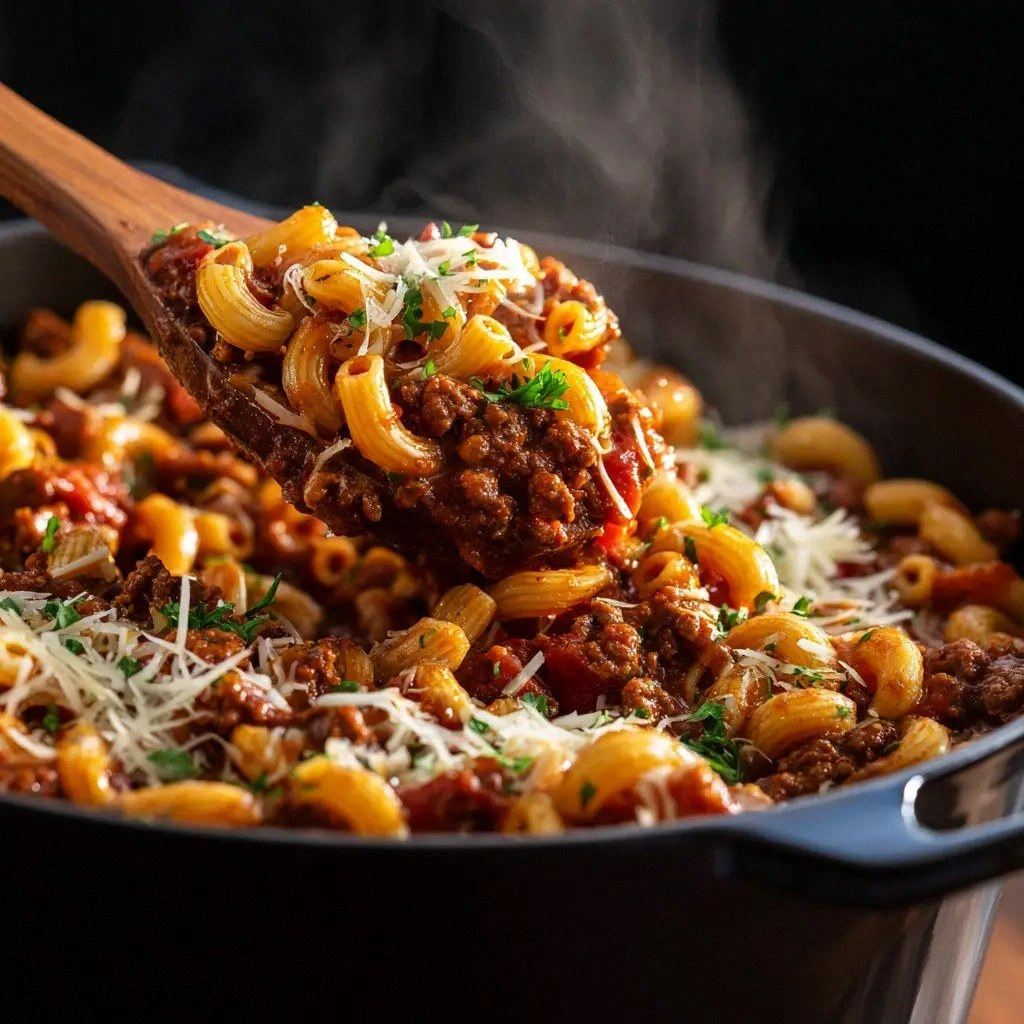
I remember that night like it was yesterday—my kitchen smelled of burnt garlic and a faint, desperate hope that a casserole would still be salvageable. I had a half‑filled pot of ground beef that had browned unevenly, a stubborn onion that had started to caramelize too fast, and a pantry that felt like a treasure trove of canned tomatoes and broth. My friends had dared me to turn that chaos into a meal that would make our taste buds do a happy dance. I pulled out my favorite recipe notebook, flipped to the goulash page, and decided that tonight’s dish would be the best version of this humble comfort food, and I was going to prove it.
Picture the scene: a sizzling pan, the sound of beef browning like a jazz solo, the aroma of onions and garlic filling the air, and the promise of a sauce that will coat your elbows like velvet. The heat is just right—hot enough to brown the meat but gentle enough to keep the onions from turning to charcoal. Every time the sauce hits the pot, you hear that satisfying sizzle that says, “This is going to be good.” The first bite is a burst of umami, the second a comforting hug of pasta and cheese, and the third… well, that’s when you realize you’re in the presence of culinary greatness.
What makes this version stand out? It’s a combination of bold flavors, simple technique, and a touch of kitchen wizardry that elevates a classic into something unforgettable. I’ve spent hours tweaking the ratios, experimenting with seasoning blends, and testing different types of pasta until I found the sweet spot that satisfies both the palate and the soul. I dare you to taste this and not go back for seconds. Trust me, this is hands down the best version you'll ever make at home.
If you’ve ever struggled to get a goulash that’s both hearty and not too heavy, you’re not alone—and I’ve got the fix. This recipe is a game‑changer that turns a one‑pot wonder into a showstopper. The next part? I’ll walk you through every single step, from the first sizzling pan to the final sprinkle of cheddar. By the end, you’ll wonder how you ever made it any other way.
What Makes This Version Stand Out
- Taste: A layered flavor profile that starts with the smoky bite of browned beef, deepens with the sweet tang of tomato, and finishes with the umami boost of soy sauce and Italian seasoning.
- Texture: The elbow macaroni stays al dente, while the sauce thickens into a silky glaze that clings to each noodle.
- Simplicity: One pot, one pan, and a handful of pantry staples—no need for fancy ingredients or complicated steps.
- Uniqueness: The addition of soy sauce creates an unexpected depth that sets this goulash apart from the traditional Hungarian version.
- Crowd Reaction: Friends always ask for seconds, and even the most skeptical taste testers come back for more.
- Ingredient Quality: Using lean ground beef and fresh onions ensures a leaner, healthier dish without sacrificing flavor.
- Cooking Method: A quick sear followed by a slow simmer locks in juices and develops a complex sauce.
- Make‑Ahead Potential: The dish reheats beautifully, making it perfect for busy weeknights or meal prep.
Alright, let’s break down exactly what goes into this masterpiece…
Inside the Ingredient List
The Flavor Base
The foundation of this dish is the classic combination of lean ground beef, onions, and garlic. The beef, when browned properly, releases a rich, meaty flavor that forms the backbone of the sauce. The onions add a subtle sweetness that balances the acidity of the tomatoes, and the garlic provides a punchy aroma that awakens the senses. Skipping any of these will result in a dish that feels flat and one‑dimensional. For the best results, choose a beef with 10% fat content; it gives the sauce a silky finish without being greasy.
Buying tip: Look for a fresh, well‑marbled cut of ground beef. Even though it’s lean, a bit of marbling helps the meat stay moist during cooking. If you’re in a hurry, you can use pre‑seasoned ground beef, but be sure to reduce the added salt in the recipe to avoid a salty over‑kill.
The Texture Crew
Elbow macaroni is the star of the show, but it’s more than just a filler. Its tubular shape holds onto the sauce, creating that comforting bite that makes the dish a crowd‑pleaser. The pasta’s firmness, when cooked al dente, provides a subtle chew that contrasts with the silky sauce. If you prefer a lighter texture, swap in a small pasta shape like orzo or small shells. Just remember to adjust the cooking time so the pasta doesn’t become mushy.
Pro tip: Parboil the pasta for 2 minutes before adding it to the pot. This step ensures that the pasta cooks evenly and absorbs the sauce without getting too soft.
The Unexpected Star
Soy sauce might seem like an odd choice for a goulash, but it’s the secret weapon that deepens the flavor profile. The savory umami of soy sauce cuts through the acidity of the tomatoes, creating a harmonious balance that lingers on the palate. It also adds a subtle saltiness that eliminates the need for extra salt. If soy sauce isn’t your thing, you can replace it with Worcestershire sauce or a splash of balsamic vinegar for a different twist.
Fun Fact: Soy sauce’s umami flavor was discovered by the Japanese in the 8th century, and it’s one of the oldest condiments in the world. Its presence in this dish is a nod to the global nature of comfort food.
The Final Flourish
Cheddar cheese is the crowning glory that turns this dish into a melt‑in‑your‑mouth experience. When melted, it creates a velvety coating that clings to each noodle, giving the dish a creamy finish that balances the tomato’s acidity. For a sharper flavor, use sharp cheddar; for a milder taste, choose a young cheddar. If dairy isn’t an option, a dairy‑free cheese alternative will work—just make sure it melts well.
If you’re looking for a twist, sprinkle a pinch of smoked paprika on top before serving to add a subtle smoky note that enhances the overall depth of the dish.
Everything’s prepped? Good. Let’s get into the real action…
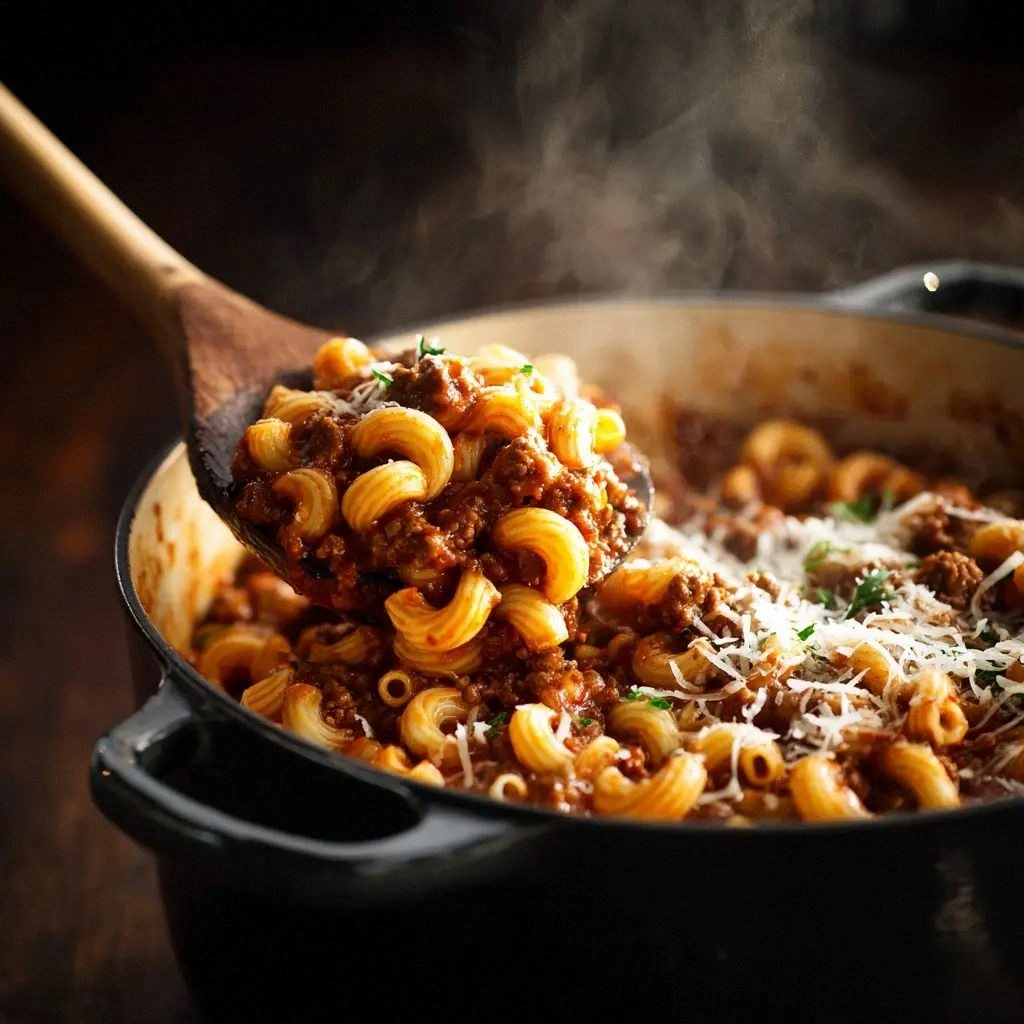
The Method — Step by Step
- Heat a large, heavy skillet over medium‑high heat. Add a splash of oil and let it shimmer. This is the moment of truth—watch the pan until it’s hot enough that a drop of water sizzles instantly. Add the ground beef, breaking it apart with a wooden spoon, and let it brown without stirring too much. The goal is to develop a caramelized crust; this will lock in flavor. When the beef is nearly cooked through, season with a pinch of salt and pepper.
- Push the beef to one side of the skillet and add the onion to the empty space. Sauté until translucent, about 3–4 minutes. Add the garlic and cook for an additional 30 seconds until fragrant. The onions should be soft but not browned, keeping the sauce bright and fresh.
- Pour in the canned tomato sauce and diced tomatoes, along with their juices. Stir to combine, breaking up any large tomato chunks. The sauce should look slightly glossy and the aroma should be unmistakably tomatoy. Let it simmer for 5 minutes to allow the flavors to meld.
- Add the beef broth and soy sauce. Stir until the mixture is well combined. Bring the mixture to a gentle boil, then reduce the heat to low. The sauce should be bubbling lightly, not a rolling boil that risks boiling over.
- Stir in the Italian seasoning and let the mixture simmer for 10 minutes. This step allows the herbs to infuse the sauce, creating a fragrant aroma that fills the kitchen. Keep an eye on the pot—if it starts to thicken too much, add a splash more broth.
- Add the uncooked elbow macaroni, stirring to coat the pasta in the sauce. Cover the skillet with a lid and let it simmer for 12–15 minutes, or until the pasta is al dente. The pasta will absorb the sauce, creating a cohesive dish. Watch out: if the liquid evaporates too quickly, add a bit more broth or water to keep the pasta from sticking.
- Once the pasta is cooked, sprinkle the shredded cheddar cheese over the top. Cover the skillet again and let the cheese melt for 2–3 minutes. The cheese should be melted, slightly golden, and coating the noodles in a silky blanket.
- Give everything a final stir, taste, and adjust seasoning with salt and pepper if needed. Plate the goulash hot, and if desired, garnish with fresh parsley or a drizzle of olive oil. The dish should look glossy, the cheese should be melted, and the aroma should be irresistible.
That’s it— you did it. But hold on, I've got a few more tricks that'll take this to another level…
Insider Tricks for Flawless Results
The Temperature Rule Nobody Follows
Many cooks assume that a high heat is always better, but for a dish like goulash, low and steady is the way to go. Cooking the sauce at a low simmer allows the flavors to meld without the risk of scorching the onions or burning the tomatoes. If you notice the sauce is too thick, add a splash of broth or water; if it’s too thin, let it reduce on low heat. This small adjustment can make a huge difference in the final texture.
Why Your Nose Knows Best
Smell is a powerful guide in cooking. As the sauce simmers, you’ll notice a complex bouquet of tomato, beef, and herbs. If the aroma is too sharp, give it a few more minutes to mellow. If it’s too flat, add a pinch more Italian seasoning. Trust your nose—if it smells good, the dish is on the right track.
The 5‑Minute Rest That Changes Everything
After the cheese melts, let the dish rest for 5 minutes before serving. This resting period allows the flavors to settle and the sauce to thicken slightly, making the dish even more cohesive. While the dish rests, the cheese will firm up a bit, giving you a cleaner bite. It also gives the pasta time to absorb any remaining liquid.
Cheese Matters
Not all cheddar is created equal. A sharp cheddar will give you a more pronounced flavor, while a mild cheddar will keep the dish more subtle. If you’re experimenting, try a blend of cheddar and mozzarella for a gooey, stretchy texture. Just be sure to shred the cheese finely so it melts evenly.
Keep It Fresh
If you’re making this dish ahead of time, let it cool completely before refrigerating. The sauce will thicken as it cools, so when you reheat, add a splash of broth or water to restore the desired consistency. Reheat on low, stirring occasionally, until the dish is piping hot. The cheese should melt again, and the pasta should be tender.
Serve With a Twist
A drizzle of olive oil or a squeeze of lemon can brighten the dish and cut through the richness. For an extra kick, sprinkle a pinch of crushed red pepper flakes or a dash of hot sauce. These small additions can elevate a simple comfort food into a memorable meal.
Creative Twists and Variations
This recipe is a playground. Here are some of my favorite ways to switch things up:
Spicy Chili Goulash
Add a tablespoon of ground cumin and a teaspoon of chipotle powder during the sauté step. Finish with a dash of hot sauce before serving. The smoky heat pairs beautifully with the savory base.
Mediterranean Twist
Replace the soy sauce with a splash of extra‑virgin olive oil and a teaspoon of oregano. Add a handful of chopped olives and sun‑dried tomatoes for a briny, sun‑kissed flavor profile.
Vegan Version
Use a plant‑based ground meat substitute, replace the cheddar with vegan cheese, and ensure the broth is vegetable‑based. The result is a hearty, dairy‑free dish that still delivers on comfort.
Cheesy Broccoli Goulash
Stir in a cup of steamed broccoli florets just before adding the cheese. The green crunch adds texture and a nutritional boost to the dish.
Pork & Beef Combo
Replace half the ground beef with ground pork for a richer, slightly sweeter flavor. The pork’s fat content also helps keep the sauce silky.
Pasta Swap
Use small shells or penne instead of elbow macaroni for a different mouthfeel. The shells hold the sauce better, making each bite more indulgent.
Storing and Bringing It Back to Life
Fridge Storage
Cool the goulash to room temperature before covering it tightly with plastic wrap or an airtight container. Store in the refrigerator for up to 3 days. When reheating, add a splash of broth or water to loosen the sauce and prevent it from drying out.
Freezer Friendly
Divide the cooled goulash into portioned freezer bags or containers. Seal tightly and label with the date. Freeze for up to 2 months. Thaw overnight in the refrigerator before reheating.
Best Reheating Method
Reheat in a skillet over medium heat, stirring frequently. If the sauce is too thick, add a tablespoon of broth or water at a time until the desired consistency is achieved. Heat until the dish is steaming hot, about 5–7 minutes.