Picture this: It was a sweltering August afternoon, the kind where the air feels like soup and even the dog refuses to move from the kitchen tiles. I'd promised my neighbors a dessert for the block party, but my air conditioner had given up the ghost and my motivation was melting faster than the ice in my sweet tea. After three failed attempts at a chocolate tart that turned into a gloopy mess, I stood in my steaming kitchen, flour in my hair, ready to admit defeat. That's when my grandmother's voice echoed in my head: "When life gives you peaches, baby, you make cobbler." Twenty minutes later, I'd sliced up the farmers' market peaches I'd bought on a whim, thrown together what I thought would be a decent dessert, and slid it into the oven. What emerged wasn't just dessert—it was pure, unadulterated magic that had neighbors fighting over the last spoonful and my teenage son asking if we could have it for breakfast. That day, I discovered that peach cobbler isn't just a recipe; it's a time machine that transports you to front porches, summer nights, and simpler times when dessert could solve any problem.
Now, I've spent the last two years perfecting that thrown-together recipe, testing it on unsuspecting dinner guests, church potlucks, and anyone brave enough to enter my kitchen. I've tried every version out there—the cakey ones that taste like dry biscuits, the gloopy versions swimming in cornstarch, and those tragic attempts that call for canned peaches swimming in high-fructose corn syrup. Most recipes get it completely wrong, treating this Southern icon like an afterthought instead of the show-stopping centerpiece it deserves to be. But here's what I discovered after thirty-seven test batches (yes, I counted, and no, I don't regret a single bite): the perfect peach cobbler needs to walk that razor-thin line between cake and pudding, with fruit that maintains its dignity and a topping that's crisp at the edges while saucing itself with buttery, caramelized magic underneath.
What I'm sharing today isn't just another recipe—it's the accumulation of every late-night baking session, every "just one more tweak," every "honey, I think you've gone too far" from my patient spouse. This version uses fresh peaches at their peak, a touch of bourbon that makes grown adults close their eyes in appreciation, and a technique for the topping that creates layers so delicate, they shatter like autumn leaves under your spoon. The secret lies in treating this humble dessert with the same respect you'd give a French pastry, while maintaining the soul-warming simplicity that makes cobbler what it is. By the time we're done here, you'll understand why this dessert has survived for centuries, and why after you serve it once, you'll be getting phone calls every summer asking, "Are you making that peach thing again?"
Let me walk you through every single step—by the end, you'll wonder how you ever made it any other way.
What Makes This Version Stand Out
The Peach Perfection: We're using fresh, ripe peaches—not that sad canned stuff that's been sitting in syrup since last century. The fruit gets macerated with brown sugar and bourbon, creating a syrup so good you'll be tempted to drink it straight. This step concentrates the peach flavor while keeping the fruit from turning into mush during baking.
The Topping Transformation: Instead of the usual dense biscuit that sits like a rock on your stomach, this topping rises and falls in waves, creating crispy peaks and sauce-soaked valleys. The secret? Cold butter cut into the flour until it's the size of peas, plus a splash of buttermilk that activates the baking powder for lift-off.
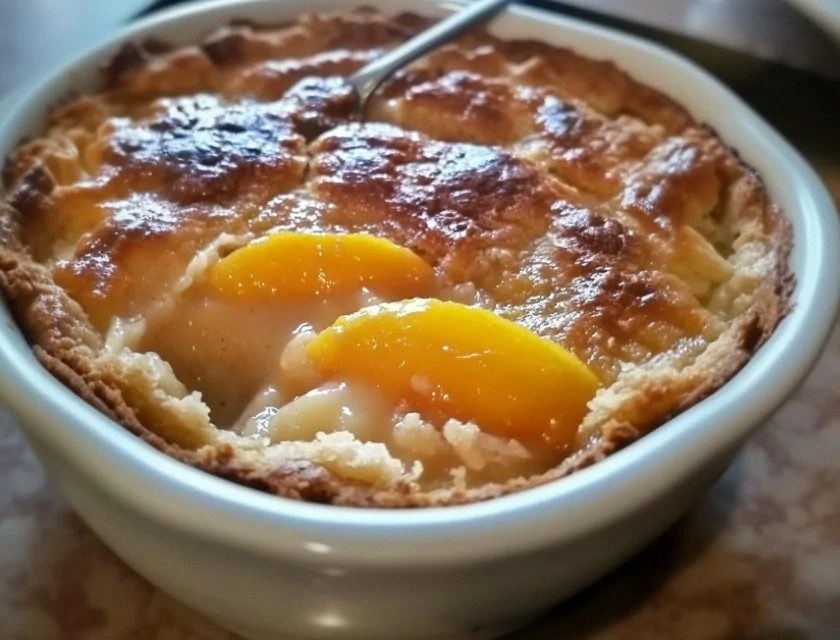
The Caramelization Magic: Here's where most recipes fail—they dump everything together and hope for the best. We start with a hot pan and melted butter that creates a caramel base, then pour in the batter which forms a delicate skin that captures the peach juices as they bubble up. The result? Edges that shatter like thin ice and a center that spoons out like velvet.
The Bourbon Brilliance: Just a tablespoon in the peaches makes all the difference. It doesn't taste like bourbon—it tastes like peaches that went to finishing school, sophisticated and deep with vanilla and caramel notes that make people ask, "What's your secret?"
The Temperature Trick: We start at a screaming-hot 425°F to set the edges, then drop to 350°F to finish cooking the center. This two-temperature method ensures you get those coveted crispy edges while maintaining a tender, almost pudding-like center that makes grown adults fight over corner pieces.
The Make-Ahead Miracle: You can prep the peaches up to two days ahead, and the dry topping mix keeps for a week in the fridge. Assembly takes five minutes when company's coming, making you look like a domestic genius while barely lifting a finger.
The Universal Crowd Appeal: I've served this to toddlers who demanded seconds, teenagers who usually hate fruit desserts, and food-snobby friends who claimed they "don't do sweets." Every single one of them asked for the recipe. This isn't just dessert—it's a social phenomenon that turns strangers into friends and friends into people who show up at your door with fresh peaches.
Inside the Ingredient List
The Flavor Base
The peaches are obviously the star here, but they need to be treated right. Look for fruit that gives slightly when pressed but isn't mushy—think of a tennis ball that's been played with for a set, not one that's been left in the rain. The skin should have a golden blush with maybe a hint of red, and when you sniff the stem end, you should smell summer. If all you can find are rock-hard grocery store peaches, walk away. This recipe deserves better, and frankly, so do you. When good peaches aren't available, frozen peach slices (thawed and drained) work better than fresh bad ones every single time.
Brown sugar isn't just for sweetness—it brings molasses notes that make the peaches taste more like themselves, if that makes sense. The molasses in brown sugar contains minerals that interact with the fruit acids, creating deeper, more complex flavors than white sugar ever could. Don't even think about substituting honey or maple syrup here; they bring too much moisture and will turn your cobbler into soup. Dark brown sugar works if that's what you have, but light brown lets the peach flavor shine without competition.
The Texture Crew
All-purpose flour forms the backbone of our topping, but here's where we get sneaky. We're using a higher ratio of fat to flour than traditional biscuits, which creates a more tender, almost cake-like texture that soaks up the peach juices without becoming gummy. The flour should be measured correctly—spoon it into the cup and level it off, don't scoop directly unless you want a topping that could double as building material. If you're feeling fancy, replace two tablespoons of flour with cornstarch for an even more tender crumb that melts on your tongue.
Cold butter is non-negotiable, and I mean straight-from-the-fridge cold. Warm butter creates a greasy, flat topping that sits like a sad pancake on your peaches. Cut it into small cubes, then pop it back in the freezer while you prep everything else. When the cold butter hits the hot oven, it creates steam pockets that give us lift and those irresistible flaky layers. I've tried this with shortening and oil in moments of desperation—trust me, only butter delivers that rich flavor and perfect texture we're after.
The Unexpected Star
Buttermilk might seem like an afterthought, but it's the difference between a good cobbler and a legendary one. The acid in buttermilk tenderizes the gluten in the flour while reacting with baking powder for extra lift. Plus, it adds a subtle tang that balances the sweet peaches perfectly. No buttermilk? Mix three-quarters cup of milk with two tablespoons of lemon juice or white vinegar and let it sit for five minutes. It's not quite the same, but it'll get you close enough that nobody will complain when they're licking their plates clean.
Bourbon is my secret weapon, but vanilla extract works if you absolutely must stay alcohol-free. The key is adding it to the peaches, not the topping. As the cobbler bakes, the alcohol cooks off, leaving behind vanilla and caramel notes that make people ask if you used some special variety of peach. Don't skip this—even if you think you hate bourbon, even if you're baking for kids. The flavor transforms in the oven, becoming something entirely different and absolutely essential.
The Final Flourish
Cinnamon and nutmeg need to be used with a light hand here. We're not making pumpkin pie; we want just enough warmth to make the peaches taste like peaches on their best day. Freshly grated nutmeg is worth the effort—those little jars of pre-ground nutmeg taste like sawdust compared to the real thing. A microplane zester makes quick work of whole nutmeg, and once you smell the difference, you'll never go back to the bottled stuff.
Everything's prepped? Good. Let's get into the real action...
The Method — Step by Step
- Start with the peaches because they need time to work their magic. Slice them into thick wedges—about eight pieces per peach—because thin slices turn to mush and big chunks don't cook through. Toss them with brown sugar, bourbon, and a pinch of salt in a bowl that seems too big, because once the sugar starts pulling out the juices, you'll need the room. Let this sit for at least thirty minutes, but two hours is better if you've got the patience. The peaches will slump and release their amber syrup, and you'll be tempted to eat them just like this with a spoon. Resist, barely, because the best is yet to come.
- While the peaches macerate, prep your topping but keep it rough—this isn't pastry school and we're not trying to win any beauty contests. Whisk together flour, sugar, baking powder, and spices in a large bowl. Cut in the cold butter using a pastry cutter or your fingers until you have pieces ranging from pea-sized to oat-sized. Those bigger butter pieces create steam pockets that give us lift, so resist the urge to over-process. The mixture should look like coarse sand with some bigger crumbs—if it starts to come together, you've gone too far and need to start over.
- Preheat your oven to 425°F and place a 9x13-inch baking dish inside to heat up. This hot dish trick is what separates amateur cobblers from the ones that make people write thank-you notes. While the oven heats, stir buttermilk into the flour mixture just until it comes together—it will be shaggy and rough, which is exactly what we want. Over-mixing develops gluten and gives you a tough topping that could double as shoe leather. The dough should look like it barely wants to hold together, with streaks of flour throughout.
- Carefully remove the hot dish from the oven—it should be hot enough that a drop of water dances across the surface. Drop in the butter and swirl it around until it's melted and starting to brown. This creates a caramel base that prevents sticking while adding nutty flavor. Pour the batter into the hot, buttery dish without stirring—it should sizzle and start cooking immediately around the edges. This is the moment of truth where we create that coveted crispy edge.
- Now comes the fun part: spoon the peaches and all their syrupy goodness over the batter, but don't stir. The batter will rise up around the peaches as it bakes, creating those signature pockets of fruit and cake. Try to distribute the peaches evenly, but don't stress about perfection—this is rustic food that tastes better when it looks homemade. The syrup will sink in some places and pool in others, creating natural sauces as it bakes.
- Slide the dish into that hot oven and set a timer for fifteen minutes. During this initial blast of heat, the edges will set and start to brown while the center remains liquid. Don't open the door to peek, no matter how tempting it is. The magic is happening in there—butter is browning, sugars are caramelizing, and your kitchen is starting to smell like heaven on earth.
- After fifteen minutes, reduce the temperature to 350°F without opening the door. This temperature drop allows the center to cook through without burning the edges. The cobbler needs another twenty-five to thirty minutes at this lower temperature. You'll know it's done when the edges are deep golden brown and pulling away slightly from the sides of the dish, while the center should spring back gently when pressed.
- The hardest part: let it rest for at least fifteen minutes before serving. I know, I know—you want to dive in immediately with a spoon while it's molten and perfect. But this rest allows the juices to thicken and the topping to set properly. It will still be gloriously warm, but now it holds together when you scoop it out instead of collapsing into a soupy mess. Plus, the flavors meld and deepen as it sits, transforming from good to unforgettable.
- Serve it up in big, messy scoops with vanilla ice cream that melts into the warm crevices. Don't try to make pretty slices—cobbler is meant to be rustic and generous. The contrast between the warm, jammy fruit and cold, creamy ice cream is what dessert dreams are made of. If you're feeling particularly indulgent, add a splash of heavy cream or a dollop of whipped cream, but honestly, it's perfect just as it is, spooned straight from the dish.
That's it—you did it. But hold on, I've got a few more tricks that'll take this to another level...
Insider Tricks for Flawless Results
The Temperature Rule Nobody Follows
Room temperature ingredients are the enemy of great cobbler. I know every baking blog preaches about bringing everything to room temp, but here's the thing—we want that temperature contrast. Cold buttermilk hitting hot butter creates steam that gives us lift. Cold butter staying cold until it hits the oven creates those flaky layers. Keep your peaches cold too—they'll hold their shape better during baking instead of turning to mush. My grandmother kept everything in the fridge until the last second, and her cobbler was legendary for a reason. The only thing that should be hot is your baking dish, and trust me, that temperature differential is what creates the magic.
Why Your Nose Knows Best
Don't trust the timer—trust your nose. When the cobbler is perfectly done, your kitchen will fill with the scent of caramelized peaches and browned butter that makes it impossible to concentrate on anything else. It's like a dinner bell for your senses, calling everyone to the kitchen. If you smell that and your cobbler still has ten minutes on the timer, check it anyway. Ovens vary, peaches vary in moisture content, and the difference between perfect and over-baked can happen in minutes. When you catch that first whiff of something incredible, start checking every two minutes. Your nose knows better than any recipe writer sitting in an office somewhere.
The 5-Minute Rest That Changes Everything
I know I mentioned resting earlier, but this deserves its own section because it's that crucial. A friend tried skipping this step once—let's just say it didn't end well. She served what amounted to peach soup with floating dumpling bits, and her dinner guests politely picked at it while making conversation about the weather. Those fifteen minutes of patience transform your cobbler from a hot mess into something that holds together when you scoop it, with juices that have thickened to the perfect consistency. The topping sets, the fruit settles, and suddenly you have a dessert that looks intentional instead of like an accident. Set a timer, pour yourself a cup of coffee, and practice the ancient art of waiting.
Creative Twists and Variations
This recipe is a playground. Here are some of my favorite ways to switch things up:
The Bourbon Street Version
Replace the bourbon with dark rum and add a teaspoon of vanilla paste to the peaches. The rum brings deeper molasses notes that pair beautifully with the brown sugar, while vanilla paste adds those gorgeous little specks that make people think you're a professional baker. Top with a rum-spiked whipped cream and you've got a dessert that tastes like New Orleans in summer. If you're feeling particularly festive, add a pinch of cayenne to the topping—it won't make it spicy, just adds a warmth that makes people ask what your secret is.
The Breakfast Club Edition
Add a tablespoon of maple syrup to the peaches and replace half the flour with ground almonds in the topping. The maple brings breakfast vibes while the almonds add protein and richness that make this feel almost wholesome. Serve it warm with a dollop of Greek yogurt and you can convince yourself it's a legitimate breakfast food. I've served this at brunch parties and watched guests go back for thirds while claiming they're being healthy because it has fruit and nuts.
The Tropical Getaway
Mix in a cup of fresh mango chunks with the peaches and replace the bourbon with coconut rum. Add toasted coconut flakes to the topping for extra texture and tropical flavor. This version tastes like vacation on a plate—sunshine and beaches and that relaxed feeling you get when you have nowhere to be. The mango adds a floral note that plays beautifully with the peaches, while the coconut brings a richness that makes this feel special occasion-worthy.
The Spiced Winter Warmer
When fresh peaches aren't available, use frozen peach slices and add a teaspoon each of cardamom and allspice to the fruit mixture. The warming spices transform this summer dessert into something perfect for cold winter nights. Add a splash of brandy instead of bourbon, and serve it with cinnamon ice cream. It's like wrapping yourself in a warm blanket while sitting by a fire—comforting and familiar but with enough complexity to keep things interesting.
The Gluten-Free Game Changer
Replace the flour with a gluten-free baking blend that includes xanthan gum, and add an extra egg to the topping for structure. The result is so good that gluten-eating guests won't know the difference. The key is using a blend that's meant for baking, not just rice flour, which will give you a sandy texture. Bob's Red Mill 1-to-1 works beautifully here, creating a topping that's tender and flaky with no compromise on flavor.
The Savory-Sweet Surprise
Add a pinch of black pepper and a tablespoon of balsamic vinegar to the peaches. Sounds weird, right? But the balsamic intensifies the peach flavor while the black pepper adds subtle heat that makes the sweetness more complex. This version pairs beautifully with vanilla bean ice cream and might just convert savory-only dessert skeptics. It's sophisticated enough for dinner parties but approachable enough for family dinner.
Storing and Bringing It Back to Life
Fridge Storage
Leftover cobbler keeps for up to five days in the refrigerator, though honestly, I've never seen it last that long. Cover the dish with plastic wrap or transfer to an airtight container. The topping will lose its crispness in the fridge—it becomes more cake-like, which isn't necessarily a bad thing. Some people actually prefer it this way, claiming it's more comforting and homey. If you're planning to store it, under-bake slightly so the fruit doesn't become mushy when reheated.
Freezer Friendly
This cobbler freezes beautifully, which is dangerous knowledge because now you can make double batches. Let it cool completely, then wrap individual portions in plastic wrap followed by foil. Freeze for up to three months. To reheat, thaw overnight in the fridge, then warm in a 350°F oven for about fifteen minutes. The topping won't be quite as crispy as fresh, but it's still miles better than most desserts. Pro tip: freeze unbaked portions in disposable pans, then bake from frozen—just add an extra ten to fifteen minutes to the cooking time.
Best Reheating Method
The microwave works in a pinch, but the oven is worth the extra time for restoring that crispy edge. Cover with foil and warm at 350°F for about fifteen minutes, then uncover for the last five to crisp up the topping. Add a tiny splash of water before reheating—it steams back to perfection, keeping the fruit juicy while the topping crisps. If you're reheating a single serving, a toaster oven works brilliantly and takes half the time. Top with fresh ice cream and nobody will know it isn't straight from the oven.