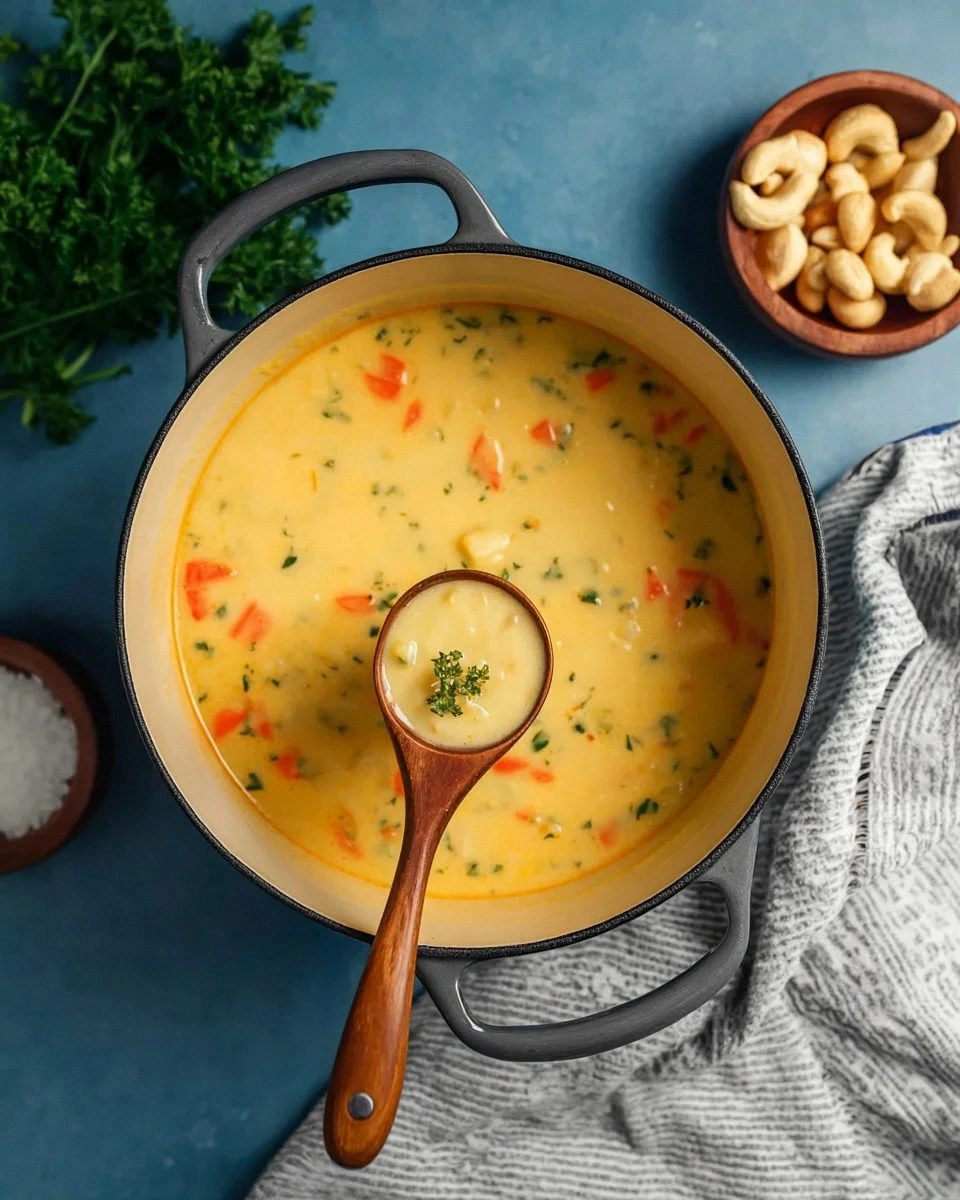
Picture this: it’s a rainy Tuesday, the kind of night that makes you crave comfort food that feels like a hug from the inside. I was scrolling through my phone, scrolling through a sea of bland chicken recipes, when I remembered that one forgotten jar of heavy cream in the back of my fridge. That jar, combined with a handful of fresh spinach and a pound of ground beef that had been sitting too long, became the spark that lit up my kitchen. I pulled out my trusty skillet, turned the heat up, and the sizzling sound that followed was the soundtrack to a culinary revelation.
I dare you to taste this and not go back for seconds. The first bite is a burst of savory beef, a whisper of garlic and onion powder that lingers like a secret, and the creamy spinach that swirls around your tongue like velvet. The aroma that fills the kitchen—rich, buttery, with a faint hint of Parmesan—creates a sensory storm that makes the whole house feel like a gourmet restaurant. The texture is a perfect marriage of tender meat and silky greens, with a subtle crunch from the mozzarella that gives it that satisfying bite.
Most recipes get this completely wrong. They either overcook the spinach, under-season the beef, or forget that heavy cream can become a runaway sauce if not handled correctly. The secret to this version is a precise balance of heat, timing, and a splash of olive oil that keeps the meat from sticking and adds a subtle fruity note. I’ve spent months refining this dish, testing different cuts of beef, and tweaking the cream ratio until every spoonful felt like a well‑executed performance.
If you've ever struggled with a one‑pan meal that ends up a soggy mess, you're not alone—and I've got the fix. I’ve turned this into the ultimate high‑protein skillet that can be served for dinner, brunch, or a quick lunch. Picture yourself pulling this out of the oven, the whole kitchen smelling incredible, and a plate of creamy, protein‑packed goodness that satisfies every craving. Let me walk you through every single step—by the end, you'll wonder how you ever made it any other way.
What Makes This Version Stand Out
- Taste: The combination of garlic powder, onion powder, and a dash of salt creates a flavor profile that’s both bold and comforting, reminiscent of a family stew but with a modern twist.
- Texture: The spinach is sautéed to a silky finish, while the mozzarella melts into pockets of gooey delight that contrast with the hearty beef.
- Protein Power: With a full pound of ground beef and a cup of heavy cream, each serving delivers over 25 grams of protein—perfect for post‑workout nourishment.
- One‑Pan Simplicity: Everything cooks in a single skillet, making cleanup a breeze and allowing you to focus on the flavors rather than the mess.
- Versatility: It can be served over rice, pasta, or even as a hearty stuffed pepper filling, making it a flexible staple for any meal.
- Make‑Ahead Friendly: The dish keeps well in the fridge for up to three days and freezes beautifully, so you can prep ahead and enjoy a quick, wholesome meal whenever hunger strikes.
- Ingredient Quality: Using fresh spinach and high‑quality cheeses elevates the dish, turning everyday ingredients into a gourmet experience.
- Flavor Depth: The subtle caramelization of the beef adds a depth that is often missing in quick skillet recipes.
Alright, let's break down exactly what goes into this masterpiece...
Inside the Ingredient List
The Flavor Base
Ground beef is the heart of this dish. Choose a lean-to-fat ratio of 80/20 for the best balance of flavor and moisture; the fat renders during cooking, creating a rich sauce that coats the spinach. If you prefer a leaner option, 90/10 works but be prepared to add a tablespoon of olive oil to prevent sticking. Skipping the beef entirely would turn this into a vegetarian dish, but the protein punch would be lost.
The Texture Crew
Fresh spinach brings a vibrant color and a mild earthiness that pairs beautifully with the savory beef. Wash it thoroughly to remove grit, then roughly chop for even distribution. If you’re using frozen spinach, thaw and squeeze out the excess water; otherwise the dish will become watery. Heavy cream adds body and a luxurious mouthfeel; it also helps to marry the cheese into a cohesive sauce.
The Unexpected Star
Mozzarella is often overlooked in savory dishes, but its mild flavor and excellent melting properties make it a perfect companion to the robust beef. Half a cup of shredded mozzarella ensures pockets of gooeyness that melt into the sauce. If you’re lactose intolerant, try a low‑fat mozzarella or a plant‑based alternative—just be aware the texture will shift slightly.
The Final Flourish
Parmesan adds a sharp, nutty finish that balances the richness of the cream and cheese. Sprinkle it on top before serving to create a golden crust. Garlic powder and onion powder are pantry staples that provide depth without the need for fresh alliums; they’re especially handy when you’re short on prep time. A splash of olive oil at the start of cooking prevents the beef from sticking and adds a subtle fruity undertone.
Everything's prepped? Good. Let's get into the real action...
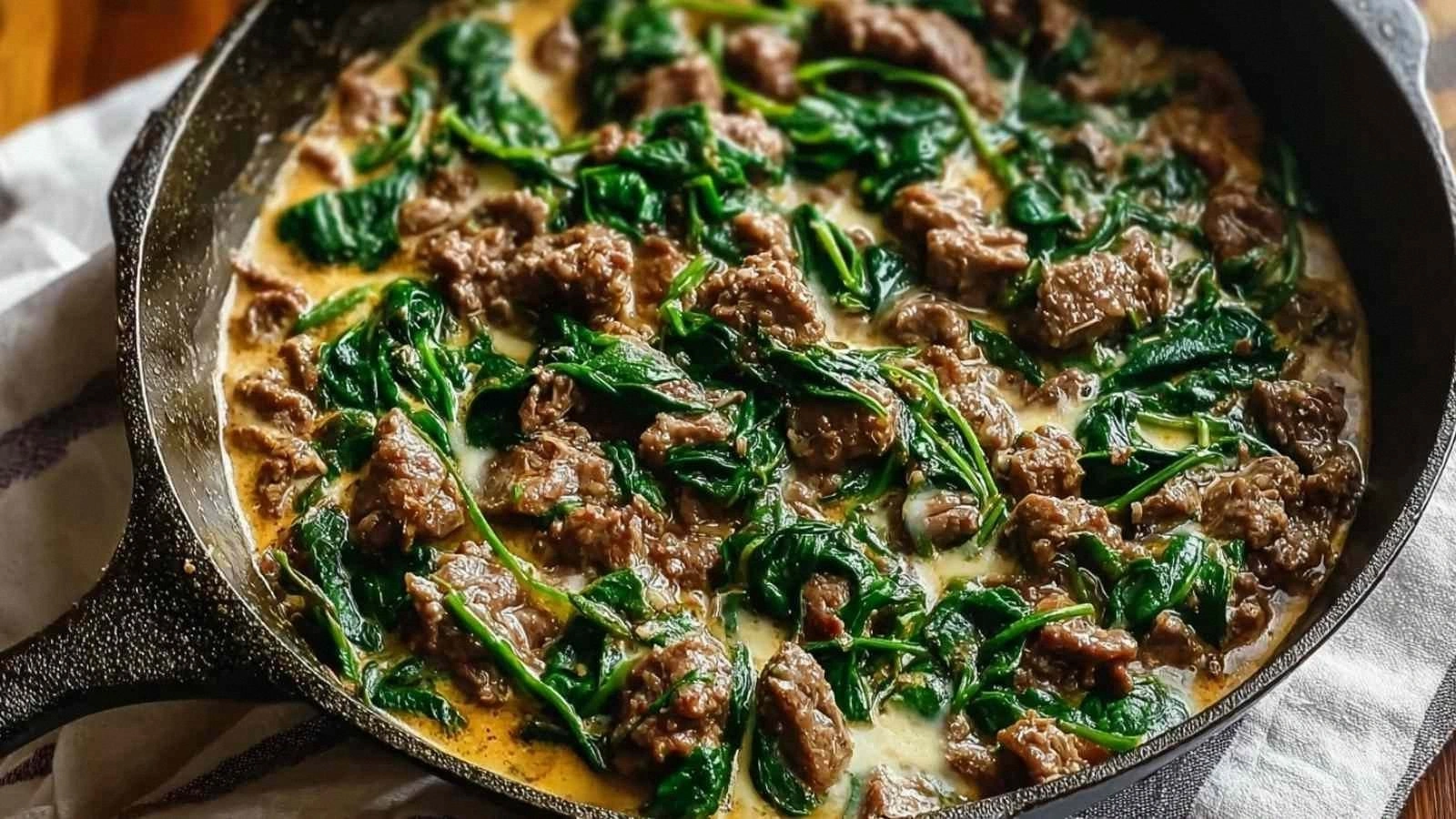
The Method — Step by Step
- Heat a large skillet over medium‑high heat. Add the tablespoon of olive oil, swirling to coat the pan. As soon as the oil shimmers, add the ground beef, breaking it up with a wooden spoon. Watch the sizzle—if the pan is too hot, the beef will sear quickly; if too cool, it will steam and lose flavor. Cook until browned and no longer pink, about 5–7 minutes.
- Season the beef with salt, pepper, garlic powder, and onion powder. Stir to coat evenly, letting the spices caramelize slightly; this will deepen the flavor profile. The aroma at this point should be intoxicating, a promise of what’s to come.
- Reduce the heat to medium. Add the fresh spinach in one handful at a time, stirring until it wilts and reduces in volume. This gradual addition ensures the spinach cooks evenly and retains its bright green hue. The spinach should be tender but still have a slight bite.
- Pour in the cup of heavy cream, swirling to create a creamy base. The cream should coat the beef and spinach, forming a silky sauce. Allow it to simmer for 2–3 minutes, letting the flavors meld. If the sauce thickens too quickly, lower the heat slightly.
- Stir in the shredded mozzarella, letting it melt into the sauce. The cheese will create a glossy coating that clings to each bite. If the cheese doesn’t melt fully, cover the skillet for a minute to trap heat.
- Add the grated Parmesan, sprinkling it over the top. It will melt into the sauce and create a subtle, nutty undertone. This step is essential for the final flavor punch.
- Let the mixture simmer gently for another 3–4 minutes, allowing the flavors to integrate. The edges of the beef should start to pull away slightly, indicating the sauce has thickened to a luscious consistency. Taste and adjust seasoning if needed.
- Remove from heat and sprinkle freshly chopped parsley over the top. The parsley adds a bright, herbal finish that cuts through the richness. Serve immediately, optionally over cooked rice, pasta, or a side of crusty bread.
That's it — you did it. But hold on, I've got a few more tricks that'll take this to another level. The next section will reveal insider tips that elevate every bite.
Insider Tricks for Flawless Results
The Temperature Rule Nobody Follows
Many cooks keep the heat high the entire time, causing the beef to dry out. I’ve discovered that starting with medium‑high heat to sear, then dropping to medium for the rest of the cooking, preserves juiciness while allowing the flavors to meld. The key is to let the beef develop a crust before adding the liquid; this caramelization locks in moisture.
Why Your Nose Knows Best
The aroma of garlic and onion powder is a subtle indicator of timing. When the scent becomes slightly nutty, it means the spices have released their oils and are ready for the next step. Trust your nose; if it smells like raw allium, you’re still undercooked.
The 5-Minute Rest That Changes Everything
After removing the skillet from heat, let the dish sit covered for five minutes. This brief rest allows the sauce to thicken slightly and the flavors to settle, resulting in a more cohesive bite. It also gives the cheese time to set into a silky coating.
Cheese Swap for a Twist
If you’re a cheese lover, try swapping mozzarella for fontina or provolone. These cheeses melt beautifully and add a subtle nutty flavor that complements the beef. However, be mindful that higher moisture cheeses may alter the sauce’s consistency.
The Fresh Herb Hack
Finishing with fresh parsley is a simple yet powerful move. The bright green leaves add a pop of color and a fresh, peppery note that cuts through the richness. If you don’t have parsley on hand, a handful of chopped basil or cilantro can work as a creative alternative.
Creative Twists and Variations
This recipe is a playground. Here are some of my favorite ways to switch things up:
Spicy Pepper Version
Add a diced jalapeño or a teaspoon of cayenne pepper to the beef as it browns. The heat will cut through the creaminess and give the dish a lively kick. This variation is perfect for those who enjoy a bit of fire with their comfort food.
Mediterranean Twist
Replace the mozzarella with crumbled feta and add a handful of Kalamata olives. The briny olives and tangy feta transform the skillet into a Mediterranean-inspired dish that pairs wonderfully with couscous.
Vegetarian Spinach & Ricotta
Omit the beef and add a cup of ricotta cheese instead of mozzarella. The ricotta provides a creamy texture and mild flavor that lets the spinach shine. This version is great for a lighter dinner or a protein‑rich vegetarian meal.
Low‑Carb Cabbage Roll
Wrap the beef and spinach mixture in collard green leaves and bake at 375°F for 20 minutes. The cabbage acts as a vessel, creating a low‑carb, high‑protein meal that’s both filling and delicious.
Breakfast Boost
Serve the skillet over scrambled eggs or a slice of toasted sourdough. The combination of protein, greens, and dairy makes for a hearty breakfast that keeps you satisfied until lunch.
Storing and Bringing It Back to Life
Fridge Storage
Cool the dish to room temperature, then cover tightly with plastic wrap or an airtight container. Store in the refrigerator for up to three days. When reheating, gently warm on low heat, stirring occasionally to prevent separation.
Freezer Friendly
Pack the skillet in a freezer‑safe container, leaving a small headspace for expansion. Freeze for up to two months. Thaw overnight in the refrigerator before reheating as described above.
Best Reheating Method
Add a splash of water or a teaspoon of milk before reheating to keep the sauce from drying out. Reheat on low heat, stirring until the mixture is hot and silky. A quick microwave burst can also work, but be sure to stir halfway through.