I once tried to throw together a “quick” brunch for my Galentine’s crew, and let’s just say the kitchen looked like a crime scene—spilled orange juice, a busted champagne bottle, and a lone strawberry rolling across the floor like a tiny, red tumbleweed. I was half‑panicking, half‑laughing, and absolutely determined not to let the disaster ruin the vibe. That chaotic moment sparked a revelation: a mimosa bar doesn’t have to be a messy, last‑minute scramble; it can be a sleek, curated experience that feels as polished as a runway show and as effortless as a sunrise. I dove head‑first into the world of sparkling cocktails, tasted every juice imaginable, and emerged with a kit that turns any brunch table into a celebration of color, flavor, and friendship.
Picture this: a long wooden table draped in blush‑pink linen, a cascade of fresh berries glistening like tiny jewels, and the gentle fizz of sparkling wine dancing in crystal flutes. The air is scented with citrus zest, a whisper of mint, and the faint, intoxicating perfume of edible flowers—if you’re feeling fancy. You can hear the soft clink of glasses, the low hum of conversation, and the occasional burst of laughter as friends swap stories and sip their custom‑crafted concoctions. The texture? Silky bubbles that kiss your palate, balanced by the bright acidity of fresh juice and the subtle earthiness of herbs. It’s a full‑sensory love letter to the art of brunch, and it’s all yours to serve.
What makes this version truly stand out is the meticulous balance of sweet, tart, and herbaceous notes, all anchored by a dry brut that keeps the drink from turning into a sugary swamp. Most mimosa recipes get this completely wrong, drowning the bubbles in syrupy orange juice that leaves you feeling sticky and unsatisfied. I’ve cracked the code by using a blend of three fresh juices—orange, pineapple, and grapefruit—each contributing a distinct layer of flavor that sings in harmony with the wine. Add a splash of cranberry for that gorgeous pink hue and a whisper of tartness, and you’ve got a drink that’s both Instagram‑ready and palate‑pleasing.
And here’s the kicker: I’m going to throw in a surprise ingredient that most people overlook—frozen berries. They chill your drink without watering it down, and when they melt, they release bursts of flavor that turn every sip into a mini‑explosion of fruit. I dare you to taste this and not go back for seconds. Okay, ready for the game‑changer? Stay with me here — this is worth it. Let me walk you through every single step — by the end, you’ll wonder how you ever made it any other way.
What Makes This Version Stand Out
- Taste: The trio of fresh juices creates a symphony of sweet, tart, and tropical notes that dance on the tongue, while the dry brut keeps the palate clean.
- Texture: Bubbles that cling to the glass like tiny fireworks, combined with the velvety mouthfeel of frozen berries that melt slowly, delivering a perfect chill without dilution.
- Simplicity: No complicated syrups or obscure ingredients—just fresh produce, quality sparkling wine, and a few clever tricks.
- Uniqueness: The addition of fresh herbs and optional edible flowers adds an aromatic dimension you rarely find in a standard mimosa bar.
- Crowd Reaction: Guests instantly become mixologists, customizing their drinks, and the vibrant colors spark endless photo ops.
- Ingredient Quality: Using 100 % juice and a reputable brut champagne ensures no artificial aftertaste and a refined finish.
- Method: The step‑by‑step assembly is designed for a smooth flow, so you never have to run back to the fridge mid‑service.
- Make‑Ahead Potential: Prep the juice blends and garnish stations ahead of time; the only real‑time work is pouring and stirring.
Inside the Ingredient List
The Sparkling Foundation
The base of any great mimosa is the sparkling wine or champagne. I opt for a dry brut because its crisp acidity balances the natural sweetness of the juices, preventing the drink from feeling cloying. If you prefer a softer, fruitier profile, a sparkling rosé adds a pink blush and a subtle hint of strawberry that pairs beautifully with the cranberry splash. Skipping the quality wine is a mistake; cheap bubbly can leave a metallic aftertaste that ruins the entire experience. Look for a bottle that lists “Brut” on the label and has a moderate price point—there are fantastic options under $15 that deliver elegance without breaking the bank.
The Flavor Base
Fresh orange juice is the heart of the mimosa, providing bright citrus notes that awaken the senses. I always squeeze my own oranges because the pre‑packaged stuff is often loaded with pulp and added sugars that dull the flavor. Pineapple juice brings a tropical sweetness that rounds out the tartness of grapefruit, while the grapefruit juice itself adds a sharp, pink‑tinged punch that makes the drink pop visually and taste‑wise. Cranberry juice is the secret weapon for that gorgeous rosy hue and a hint of tartness that keeps the palate from getting bored. If you’re allergic to any of these, you can swap grapefruit for pomegranate juice or replace cranberry with a splash of raspberry puree.
The Texture Crew
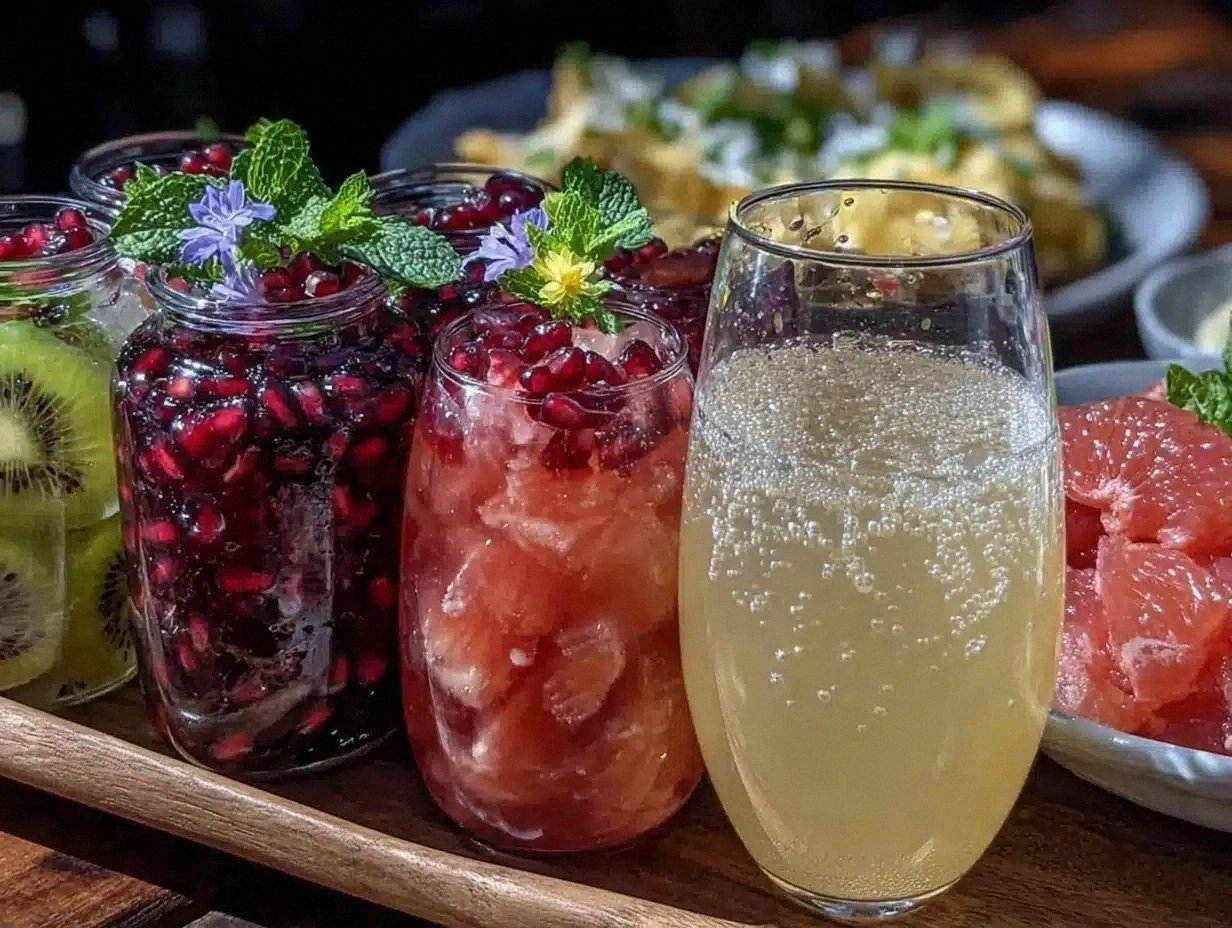
Fresh berries—strawberries, raspberries, and blueberries—serve as both garnish and flavor boosters. Their natural sugars seep into the drink as they sit, creating a subtle fruit infusion that evolves over the course of the brunch. Citrus slices (lemon, lime, blood orange) add a visual pop and a whisper of zest when you give the glass a gentle roll. Fresh herbs like mint, rosemary, or thyme introduce an aromatic twist; a quick slap of mint between your palms releases essential oils that lift the whole concoction. Edible flowers are optional but highly recommended for that wow factor—think of them as edible confetti that makes every glass feel like a celebration.
The Final Flourish
Ice cubes or frozen fruit are the unsung heroes that keep the mimosa chilled without watering it down. I prefer frozen berries because they double as garnish and chilling agent. If you’re short on time, a tray of regular ice works fine, but remember to add a splash of water to the juice blend to compensate for dilution. This final layer ensures that each sip remains crisp from the first pour to the last drop. Everything’s prepped? Good. Let’s get into the real action...
The Method — Step by Step
Start by chilling your sparkling wine bottles for at least two hours. The colder the wine, the better the bubbles will hold up against the fresh juices. While the wine is cooling, gather all your fresh fruits, herbs, and flowers, and give them a quick rinse under cold water. Pat them dry with a clean kitchen towel—any excess moisture will dilute the flavors later. I like to set everything out on a large wooden board so you can see all the colors at once; it’s a visual cue that gets everyone excited.
Next, prepare the juice blend. In a large pitcher, combine 3 cups of freshly squeezed orange juice, 2 cups of pineapple juice, and 2 cups of grapefruit juice. Stir gently with a wooden spoon, then add 1 cup of 100 % cranberry juice for that rosy blush. Taste the mixture; you should notice a bright, balanced profile where the sweet pineapple mellows the tart grapefruit, and the cranberry adds just enough zing. If the blend feels too sharp, add a splash of water or a drizzle of honey—but remember, the goal is to let the wine shine.
Now, it’s time for the “cool‑down” component. Take a handful of fresh berries—mix strawberries, raspberries, and blueberries—and spread them on a parchment‑lined tray. Freeze them for at least an hour. While they’re chilling, you can also slice thin rounds of lemon, lime, and blood orange, and set the herb sprigs in a glass jar with a little water to keep them fresh. This prep work ensures that when guests arrive, you won’t be scrambling for garnish.
While the berries freeze, set up your mimosa bar station. Place the chilled sparkling wine bottles in a decorative bucket filled with ice. Arrange the juice pitcher in the center, surrounded by small glass dispensers for each type of garnish—berries, citrus slices, herbs, and edible flowers. Provide a set of crystal flutes or tall glasses, and a small ladle or measuring jigger for guests to pour their own proportions. This self‑serve layout empowers your friends to become mixologists, which is half the fun.
When it’s time to serve, give each guest a flute, then invite them to pour a base of sparkling wine—about two‑thirds of the glass. I recommend a gentle pour down the side of the glass to preserve the bubbles; a fast, straight pour will cause excessive frothing and waste.
Now comes the “mix‑it‑yourself” moment. Encourage guests to add 1‑2 tablespoons of the juice blend, then top it off with a few frozen berries. The berries will slowly melt, releasing extra flavor while keeping the drink cool. For an extra aromatic punch, a quick slap of mint between the palms and a drop onto the rim does wonders. This is the part where the bar truly comes alive—people are laughing, experimenting, and snapping photos.
Finish each glass with a decorative garnish—perhaps a single edible flower perched on the rim, or a sprig of rosemary for a fragrant aroma. The visual appeal is just as important as the flavor; a well‑garnished glass feels like a mini celebration in itself. Let guests stir gently with a cocktail stirrer or simply swirl the glass to blend the layers. The bubbles will rise, the colors will mingle, and you’ll hear that satisfying “clink” that signals a perfect pour.
Finally, keep a spare pitcher of the juice blend on standby for refills, and replenish the frozen berries as they melt. A quick tip: if the berries are disappearing faster than expected, have a backup batch of fresh fruit ready to freeze for the next round. That way the bar never runs dry, and the party keeps flowing. That’s it — you did it. But hold on, I’ve got a few more tricks that’ll take this to another level...
Insider Tricks for Flawless Results
The Temperature Rule Nobody Follows
Never, ever serve sparkling wine straight from the fridge if you plan to mix it with fresh juice. The ideal serving temperature is between 45‑50°F (7‑10°C). This range allows the bubbles to stay lively while still letting the fruit flavors shine. If the wine is too cold, the bubbles become sluggish; too warm, and the drink feels flat. I keep a small ice bucket with a thermometer on hand, and I check the temp every 15 minutes during the brunch. This simple habit makes the difference between a “good” mimosa and a “wow‑worthy” one.
Why Your Nose Knows Best
Before you even take a sip, give the glass a quick sniff. The aroma of citrus, mint, and berries will tell you if the balance is right. If you detect an overpowering alcohol scent, add a splash more juice. If the perfume of herbs dominates, a tiny drizzle of sparkling water can soften it. Trusting your nose saves you from over‑adjusting the flavor after you’ve already poured the drink.
The 5‑Minute Rest That Changes Everything
After you’ve mixed the wine and juice, let the glass sit for five minutes before adding garnish. This pause lets the bubbles settle slightly, creating a smoother mouthfeel. I’ve seen guests rush the process and end up with frothy overflow, which is both messy and wasteful. A short rest also allows the flavors to meld, so the final sip feels cohesive rather than disjointed.
Herb‑Infused Ice Cubes
If you want an extra layer of aroma, freeze small herb sprigs (like mint or rosemary) inside ice cubes. As the ice melts, it releases a gentle perfume that subtly enhances the drink without drowning it. I prepare a tray of these in advance, and they’re a secret weapon for impressing even the most discerning palate.
The Garnish Hierarchy
Not all garnishes are created equal. Place edible flowers on the rim, citrus slices inside the glass, and berries floating on top. This hierarchy ensures each sip delivers a balanced bite of fruit, a burst of aroma from the herbs, and a visual cue that keeps the experience exciting. I once tried tossing everything together in a frenzy; the result was a chaotic mess that no one wanted to photograph.
Creative Twists and Variations
This recipe is a playground. Here are some of my favorite ways to switch things up:
Tropical Sunset
Swap the grapefruit juice for mango puree and add a splash of coconut water. The result is a silky, sun‑kissed drink that transports you to a beachside cabana. Garnish with a pineapple leaf and a tiny umbrella for extra flair.
Berry‑Blast Rosé
Use sparkling rosé instead of brut, and double the cranberry juice while cutting the orange juice in half. This creates a deeper pink hue and a sweeter profile that pairs perfectly with chocolate‑covered strawberries.
Herbal Garden
Add a few drops of basil‑infused simple syrup and garnish with a sprig of thyme. The herbal notes complement the citrus and give the drink an earthy elegance that’s perfect for a brunch with a garden theme.
Spicy Kick
Introduce a pinch of cayenne pepper or a slice of jalapeño to the juice blend. The subtle heat contrasts with the sweet fruit, creating a memorable flavor twist that will have your friends reaching for more.
Non‑Alcoholic Mocktail
Replace the sparkling wine with sparkling water or a high‑quality club soda. Keep the juice ratios the same, and you’ll have a refreshing, alcohol‑free version that’s just as festive. Perfect for designated drivers or anyone who prefers a lighter option.
Storing and Bringing It Back to Life
Fridge Storage
If you have leftover juice blend, store it in an airtight glass jar for up to three days. Keep the sparkling wine sealed with a wine stopper to preserve its bubbles. When you’re ready to serve again, give the juice a quick stir and pour over fresh ice or frozen berries.
Freezer Friendly
Frozen berries can be stored for up to six months. Portion them into zip‑top bags for easy grab‑and‑go. If you have excess juice, you can freeze it in ice cube trays; later, just pop a few cubes into a glass for an instant chill without dilution.
Best Reheating Method
Should you need to warm the juice (perhaps for a winter twist), do so gently on the stovetop over low heat—never boil. Add a tiny splash of water before reheating; this creates a gentle steam that revives the fresh flavor without scorching. Once warmed, let it cool to room temperature before mixing with chilled sparkling wine.