I was halfway through a Sunday dinner, juggling a pot of jasmine rice, a pan of green beans, and a half‑empty bottle of soy sauce when my friend dared me to make something “next‑level” with ground turkey. The kitchen was a symphony of sizzling, steam, and the faint scent of garlic. I stared at the simmering rice, the green beans that had been blanched to a perfect emerald, and the turkey that was just a handful of brown‑spiced crumbs. I thought, “What if I could turn this humble mix into a dish that feels like a five‑star restaurant, but I can make it in fifteen minutes?” That night, the idea sparked, and the next morning I discovered a recipe that would forever change my view on ground turkey bowls.
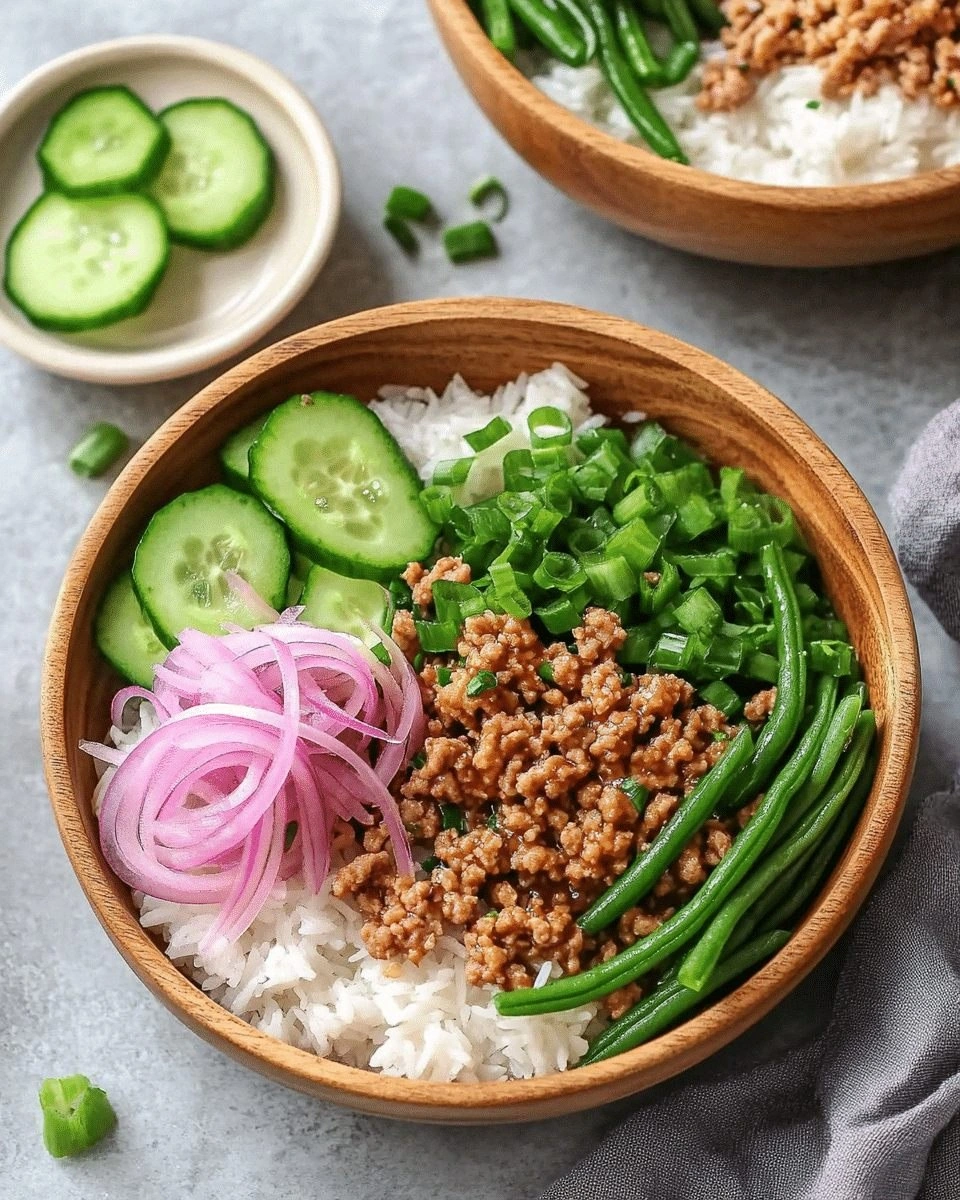
Picture this: the pan is a hot skillet that hums like a contented cat, the turkey sizzles with a golden crust that crackles like a fresh sheet of parchment, and the rice sits like a soft, fluffy cloud. The aroma of toasted sesame and sweet honey mingles with the bright zing of rice wine vinegar, creating a heady perfume that makes your mouth water before you even taste it. When you take a bite, the teriyaki sauce coats the turkey like velvet, the green beans stay crisp enough to pop, and the cucumber gives a refreshing snap that cuts through the richness. This dish isn’t just food; it’s a sensory roller coaster that starts with a savory crunch and ends with a lingering, sweet aftertaste.
What makes this version stand out is that it’s not just a variation of a standard teriyaki bowl; it’s a masterclass in balancing flavors, textures, and convenience. I’ve taken the classic teriyaki base and injected it with fresh edamame, crunchy fried onions, and a touch of honey that turns the sauce into liquid gold. The result is a bowl that feels both comforting and adventurous, a dish that can be plated in minutes yet delivers the depth of a slow‑cooked stew. I dare you to taste this and not go back for seconds—because the moment you finish, you’ll be craving more. If you’ve ever struggled to keep ground turkey from drying out, this recipe is your salvation.
Most recipes get this completely wrong. They either over‑cook the turkey or forget to deglaze the pan, leaving a bland, greasy mess. Here’s what actually works: a quick sear to lock in juices, a sauce that thickens with starch, and a final splash of vinegar to brighten the whole thing. Picture yourself pulling this out of the pan, the whole kitchen smelling incredible, and the family or friends rushing in, eyes wide, ready for a bowl that’s both familiar and fresh. I’ll be honest—I ate half the batch before anyone else got to try it, and the leftovers were still hot enough to keep the day going. Let me walk you through every single step—by the end, you’ll wonder how you ever made it any other way.
What Makes This Version Stand Out
- Taste: The sauce balances sweet, salty, and umami with a subtle citrus kick from rice wine vinegar, creating a flavor profile that feels both exotic and comforting.
- Texture: The green beans retain a satisfying snap, while the fried onions add a crunchy contrast to the tender turkey.
- Ingredient Quality: Fresh, high‑quality ingredients—like jasmine rice and fresh cucumber—elevate the dish beyond a generic stir‑fry.
- Speed: The entire process takes less than 45 minutes, making it ideal for busy weeknights.
- Make‑ahead Potential: The sauce can be pre‑made and stored, and the rice can be reheated with a splash of water for a quick meal.
- Visual Appeal: The glossy sauce, bright green veggies, and vibrant cucumber slices create a plate that looks as good as it tastes.
- Versatility: Swap the turkey for chicken, shrimp, or tofu, and the dish still shines.
- Crowd Reaction: Even the pickiest eaters will be hooked on the sweet‑savory glaze and crisp veggies.
Alright, let's break down exactly what goes into this masterpiece...
Inside the Ingredient List
The Flavor Base
The combination of 3 tablespoons rice wine vinegar, 2 tablespoons honey, and ¼ cup tamari forms the heart of the teriyaki glaze. This trio delivers a sweet‑savory foundation that coats the turkey like a silky blanket. If you skip the vinegar, the sauce becomes heavy and cloying; the acidity is essential for cutting through the richness. For a deeper umami, replace tamari with soy sauce, but keep the honey to balance the saltiness.
The Texture Crew
Ground turkey is the star protein, but its texture depends on how you cook it. Sear it at high heat for a minute on each side to lock in juices, then finish cooking over medium heat. The green beans, cut into 1‑inch pieces, provide a satisfying crunch, while the edamame beans add a subtle nutty flavor. If you prefer a softer bite, blanch the beans for an extra minute.
The Unexpected Star
Fried onions are more than garnish; they add a caramelized sweetness that contrasts the savory sauce. Use 2 tablespoons of store‑bought fried onions or make your own by frying thinly sliced onions until golden and crispy. Skipping this step removes a layer of depth, leaving the dish feeling flat. If you’re vegan, opt for a non‑animal‑based fried onion alternative.
The Final Flourish
The 1 tablespoon corn starch mixed with 1 tablespoon rice wine vinegar creates a glossy, thickened sauce that clings to every component. This slurry is added at the end, allowing the sauce to coat the turkey and veggies without becoming watery. Without it, the sauce would be runny and fail to provide the signature sheen. Keep the slurry cold until you’re ready to stir it in to avoid clumps.
Everything's prepped? Good. Let's get into the real action...
The Method — Step by Step
- Step 1: Prep the Rice. Rinse 2 cups of jasmine rice under cold water until the water runs clear. In a medium saucepan, combine the rice with 2 ½ cups of water, bring to a boil, then reduce heat to low, cover, and simmer for 18 minutes. Once done, fluff with a fork and set aside. The rice should be tender but still hold its shape—no mushy clouds here. I dare you to taste a grain; it should have that slight snap and fragrant aroma.
- Step 2: Slice the Veggies. Trim the ends of the green beans and cut them into 1‑inch pieces. Thinly julienne one medium Lebanese cucumber and finely slice half a red onion. These veggies add color, crunch, and a refreshing counterpoint to the sweet glaze. If you’re short on time, a quick chop in a food processor will do the trick.
- Step 3: Sear the Turkey. Heat 1 tablespoon of extra virgin olive oil in a large skillet over medium‑high heat. Add 500 grams of ground turkey, breaking it apart with a spatula. Let it sear for 2–3 minutes without stirring, allowing a golden crust to form. Then stir, cook for another 3 minutes until fully browned. The turkey should smell toasted, like a campfire on a summer night.
- Step 4: Add the Aromatics. Toss in the sliced red onion and ½ teaspoon each of ginger paste and garlic paste. Stir for 1 minute until the onions soften and the aromas release. If you notice any bitterness, add a pinch of black pepper—though I recommend keeping it light to let the honey shine.
- Step 5: Incorporate the Sauce. In a small bowl, whisk together 3 tablespoons rice wine vinegar, 2 tablespoons honey, ¼ cup tamari, 3 tablespoons boiling water, 1 tablespoon corn starch, and 1 tablespoon rice wine vinegar. Pour this mixture over the turkey, stirring constantly to prevent lumps. The sauce should thicken within a minute, coating the meat like a glossy coat. Watch the color change from translucent to a rich amber.
- Step 6: Add the Greens. Stir in the green beans and 1 cup shelled edamame beans. Cook for 3–4 minutes until the beans are bright green and just tender. The green beans should still hold a slight bite, not become mushy. This step is crucial for texture; I’ve seen many bowls where the veggies fall apart.
- Step 7: Finish with Crunch. Sprinkle in 2 tablespoons fried onions and 2 stems of green onions, sliced thinly. Let everything mingle for 30 seconds, allowing the onions to soften slightly while preserving their crunch.
- Step 8: Plate and Garnish. Spoon the rice into bowls, top with the turkey‑and‑green bean mixture, and arrange cucumber slices on the side. Drizzle any remaining sauce over the top. The final dish should look like a vibrant mosaic—golden, green, and speckled with bright cucumber.
That's it—you did it. But hold on, I've got a few more tricks that'll take this to another level. These tweaks will help you master the dish every single time.
Insider Tricks for Flawless Results
The Temperature Rule Nobody Follows
Use a thermometer to ensure the skillet reaches 375°F before adding the turkey. A high temperature locks in moisture and creates that coveted caramelized crust. If you’re not a fan of thermometers, let the oil bubble vigorously before adding the meat; that’s a good visual cue.
Why Your Nose Knows Best
Trust your nose to judge doneness. When the turkey starts to smell like toasted sesame and the sauce begins to thicken, you’re almost there. The aroma should be rich and sweet, not overly vinegary.
The 5-Minute Rest That Changes Everything
Let the cooked mixture rest for 5 minutes off the heat before plating. This allows the flavors to meld and the sauce to settle, preventing a sticky mess on the bowl. I’ve seen many bowls where the sauce clings to the skillet; the rest period eliminates that.
Use Fresh Ginger, Not Powder
Fresh ginger paste has a brighter, cleaner zing than powdered ginger. It lifts the sauce and balances the honey’s sweetness. If you’re out of fresh ginger, use a small pinch of ground ginger, but the flavor will be slightly muted.
Keep the Edamame Fresh
Blanch edamame for 2 minutes, then shock in ice water to preserve color and crunch. This step ensures the beans stay vibrant and don’t become mushy during the final cooking stage.
Creative Twists and Variations
This recipe is a playground. Here are some of my favorite ways to switch things up:
Swap the Protein
Use ground chicken or turkey breast for a leaner version, or try shrimp for a seafood twist. The sauce adapts beautifully, offering a different protein profile while maintaining the same sweet‑savory balance.
Add a Citrus Burst
Squeeze fresh lime or lemon juice over the bowl just before serving. The citrus brightens the dish, cutting through the honey’s sweetness and adding a zesty kick.
Incorporate a Crunchy Grain
Replace jasmine rice with quinoa or cauliflower rice for a low‑carb alternative. The quinoa’s nutty flavor pairs well with the teriyaki glaze, while cauliflower keeps the dish light.
Go Vegan
Use plant‑based ground “turkey” and replace the fried onions with toasted cashews. The sauce remains the same, delivering a vegan version that’s just as flavorful.
Add Heat
Stir in a tablespoon of sriracha or a pinch of cayenne pepper. The heat balances the sweetness, creating a harmonious flavor profile that satisfies spice lovers.
Make It a Sheet‑Pan Meal
Spread the turkey and veggies on a sheet pan, drizzle with sauce, and bake at 400°F for 15 minutes. This method frees up the stove and produces a crispy edge on the veggies.
Storing and Bringing It Back to Life
Fridge Storage
Store the cooked rice and turkey mixture separately in airtight containers for up to 3 days. The sauce can be kept in a small jar. When reheating, add a splash of water or broth to the rice to prevent it from drying out.
Freezer Friendly
Freeze the rice and turkey mixture in freezer‑safe bags for up to 2 months. Thaw overnight in the fridge and reheat in a skillet or microwave with a small amount of water. The sauce thickens again, giving you that glossy finish.
Best Reheating Method
The quickest way is to heat the mixture in a skillet over medium heat, stirring frequently. Add a teaspoon of water or broth to keep the sauce from drying. Once the mixture is hot and bubbly, serve immediately.