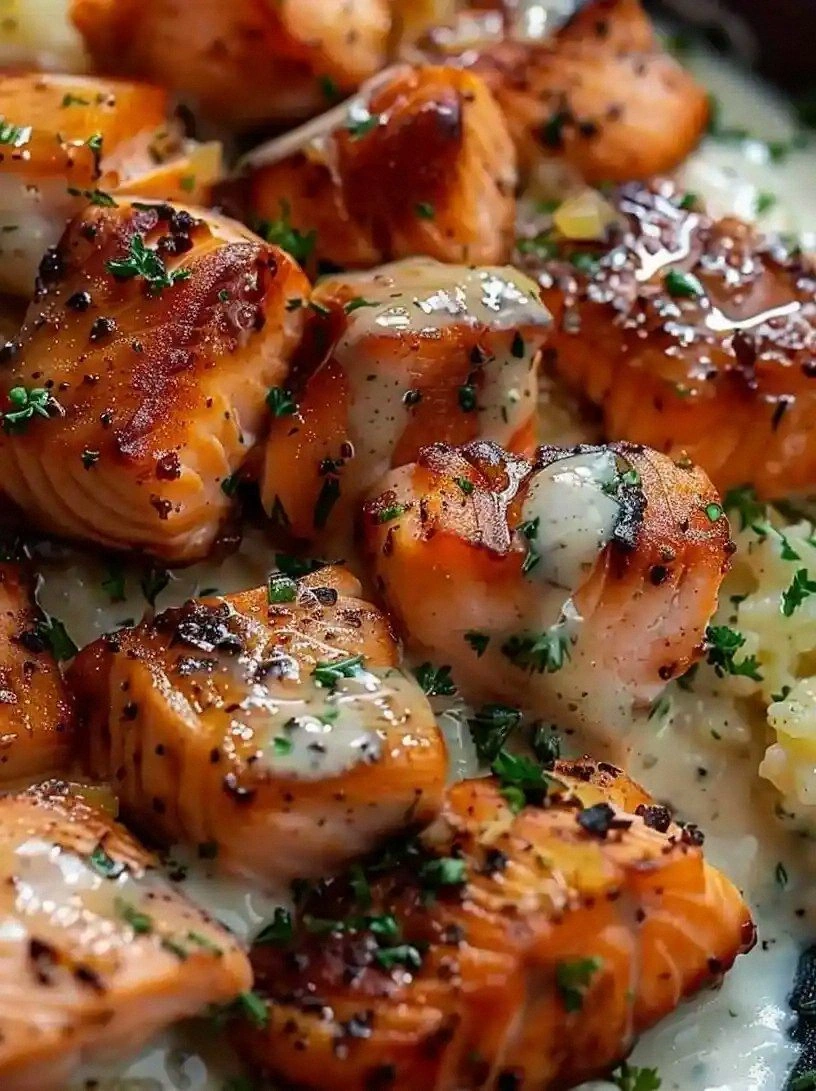
The first time I tried to make a quick salmon dinner, I ended up with a pan full of soggy flakes and a kitchen that smelled like burnt oil. I was halfway through the recipe, when a friend dared me to finish it in under 30 minutes, and I stared at the clock. That moment sparked a mission: create a salmon bite that’s crispy on the outside, tender inside, and drenched in a garlic‑cream sauce that feels like a velvet hug. The result? A dish that’s so simple yet so decadent, I can’t stop talking about it.
Picture the scene: a bright, airy kitchen, the sound of a sizzling pan, and the aroma of garlic and butter dancing in the air. The salmon, seared to a golden crust, releases a faint scent of sea that mingles with the sharp tang of lemon. When you dip a bite into the sauce, the first sensation is a silky, creamy texture that coats the fish like a fine mist. Then the paprika and thyme give a subtle warmth, while the fresh parsley adds a burst of green that pops against the buttery sauce.
What makes this version stand out is that it’s a complete sensory experience. I dare you to taste this and not go back for seconds. The sauce isn’t just a topping; it’s a companion that elevates every bite. Most recipes get this completely wrong, treating the sauce as a side rather than an integral part of the dish. Here, the sauce is the star, and the salmon is its loyal partner.
If you’ve ever struggled with salmon that turns out dry or a sauce that’s too thin, you’re not alone. I’ve been there. The trick is to balance the sear, the oven finish, and the creamy sauce so each component shines. Stay with me here—this is worth it. By the end, you’ll wonder how you ever made it any other way, and you’ll have a new go-to recipe that impresses guests and satisfies cravings alike.
What Makes This Version Stand Out
- Taste: The sauce is a marriage of garlic, cream, and a splash of lemon that lifts the salmon without overpowering it. The subtle paprika adds a gentle warmth that lingers on the palate. It’s a flavor profile that feels both comforting and adventurous.
- Texture: A perfectly seared crust gives a satisfying crunch that contrasts with the buttery, flaky interior. The sauce coats the fish like velvet, creating a silky mouthfeel that melts in your mouth.
- Simplicity: Five main ingredients plus a few seasonings, all cooked in one pan and finished in the oven. No need for fancy gadgets or time‑consuming techniques.
- Uniqueness: The garlic‑cream base is infused with thyme and paprika, giving it a depth that you won’t find in standard salmon recipes. It’s a fresh twist on a classic dish.
- Crowd Reaction: Guests rave about how the sauce makes the salmon feel luxurious. It’s a dish that works for both casual dinners and formal gatherings.
- Ingredient Quality: Using a high‑quality salmon fillet ensures the fish stays moist, while fresh garlic and butter add real flavor. The Parmesan adds a nutty finish that ties everything together.
- Cooking Method: Searing followed by a quick oven finish locks in juices, while the sauce is made on the stovetop for maximum flavor extraction.
- Make‑Ahead Potential: The sauce can be reheated without losing its silky texture, making it perfect for meal prep or entertaining.
Alright, let’s break down exactly what goes into this masterpiece. Each element has a purpose, and together they create a dish that’s both elegant and approachable.
Inside the Ingredient List
The Flavor Base
The backbone of this dish is the garlic‑cream sauce, which starts with a simple butter and garlic sauté. Butter melts the garlic, releasing its oils, while the garlic itself becomes fragrant and slightly caramelized. Heavy cream adds richness, and when heated, it thickens into a velvety texture. Parmesan cheese is the secret to a savory depth that cuts through the creaminess.
If you skip the Parmesan, the sauce will feel flat and less complex. The cheese brings umami and a subtle nutty flavor that complements the salmon’s natural taste. It’s a small addition that makes a huge difference. For a dairy‑free version, try nutritional yeast or a plant‑based cream, but keep in mind the flavor profile will shift slightly.
The lemon juice is a bright counterpoint that balances the richness. It also helps keep the salmon moist during cooking. A splash of acid is essential in any creamy dish, preventing it from becoming overly heavy. If you prefer a more citrusy punch, add a teaspoon of orange zest for an unexpected twist.
The Texture Crew
The salmon itself is the star. A 1‑lb fillet provides enough protein and flavor for four servings. Season it with salt, pepper, garlic powder, paprika, and dried thyme to build a layered flavor profile. The paprika adds a gentle heat that’s not overpowering, while thyme lends an earthy undertone. These spices work together to create a seasoning that’s both subtle and robust.
Searing the salmon on a hot pan creates a Maillard reaction, giving the fish a caramelized crust that locks in moisture. A quick sear of 2–3 minutes per side is enough to develop a golden exterior without overcooking the interior. The final oven finish ensures the fillet is cooked through while maintaining a tender bite. The combination of sear and bake is a time‑saving trick that yields professional results.
If you prefer a crispier edge, sprinkle a thin layer of breadcrumbs over the salmon before baking. This adds a crunchy texture that contrasts beautifully with the creamy sauce. Just be sure to keep the breadcrumb layer thin so it doesn’t overpower the fish’s natural flavor.
The Unexpected Star
Fresh parsley isn’t just a garnish; it brings a burst of green and a mild herbal note that brightens the dish. Parsley is also packed with vitamins and antioxidants, making it a nutritious addition. It’s a simple ingredient that can elevate the overall presentation and taste. If parsley isn’t available, consider chives or cilantro for a slightly different flavor profile.
The parsley’s bright color adds a pop of visual appeal, making the dish look as good as it tastes. A sprinkle of chopped parsley over the finished dish signals freshness and adds a subtle peppery kick. It’s a finishing touch that turns a good dish into a great one.
The Final Flourish
Olive oil is used only for searing, ensuring the salmon gets a beautiful, golden crust. Olive oil’s high smoke point makes it ideal for high‑heat cooking, preventing the fish from sticking or burning. The oil also adds a subtle fruity note that complements the garlic and lemon.
The butter used in the sauce adds richness and a silky mouthfeel. Butter’s fat content helps carry the flavors of garlic and Parmesan throughout the sauce. Using unsalted butter allows you to control the salt level more precisely, ensuring the dish isn’t too salty. If you’re watching sodium, opt for a low‑salt butter or reduce the amount slightly.
Everything’s prepped? Good. Let’s get into the real action.
The Method — Step by Step
- Preheat your oven to 400°F (200°C). While the oven warms, season the salmon fillet with salt, pepper, garlic powder, paprika, and dried thyme. Let it sit for 10 minutes to allow the spices to penetrate the flesh. The aroma of the seasoned fish will start to fill the kitchen, giving you a preview of the flavor to come.
- Heat a non‑stick skillet over medium‑high heat and add a tablespoon of olive oil. Once the oil shimmers, slide the salmon fillet into the pan. Sear for 2–3 minutes on each side until a golden crust forms. The sizzling sound is a cue that the Maillard reaction is working its magic. If the pan starts to smoke, reduce the heat slightly to avoid burning.
- Transfer the seared salmon to a baking sheet and slide it into the preheated oven. Bake for 6–8 minutes, or until the internal temperature reaches 145°F (63°C). The salmon should still feel slightly springy when you press the top with a fork. This quick oven finish locks in juices and keeps the interior tender.
- While the salmon cooks, melt 2 tablespoons of butter in a small saucepan over medium heat. Add the minced garlic and sauté until it turns translucent and fragrant, about 30 seconds. The garlic releases its oils, creating a flavorful base for the sauce.
- Pour in 1 cup of heavy cream and bring the mixture to a gentle simmer. Stir continuously until the sauce thickens slightly, about 2–3 minutes. The sauce should coat the back of a spoon without being runny. This step ensures a silky texture that will cling to the salmon.
- Whisk in ½ cup of grated Parmesan cheese until it melts completely, creating a glossy, rich sauce. The cheese adds a nutty depth that balances the cream’s richness. Taste and season with salt and pepper as needed. Remember, the sauce should be slightly salty, not overpowering.
- Add 1 tablespoon of lemon juice to the sauce, stirring quickly to combine. The acidity cuts through the richness, giving the dish a bright, lively finish. Let the sauce sit for a minute to meld the flavors before spooning it over the salmon.
- Remove the salmon from the oven and transfer it to a serving platter. Generously ladle the garlic‑cream sauce over each bite, ensuring every piece is coated. Sprinkle fresh parsley on top for a burst of color and a hint of herbaceous freshness. Serve immediately, perhaps with a side of roasted asparagus or a light salad.
That’s it — you did it. But hold on, I’ve got a few more tricks that will take this to another level. The sauce can be reheated without losing its silky texture, and a few small tweaks can elevate the dish further.
Insider Tricks for Flawless Results
The Temperature Rule Nobody Follows
Many home cooks overcook salmon, thinking the fish needs a long, slow bake. The truth is, salmon is best cooked quickly at a high temperature to preserve moisture. A 400°F oven finishes the job in minutes, leaving the fish tender and flaky. Keep an eye on the internal temperature; 145°F is the sweet spot.
Why Your Nose Knows Best
Before you start searing, give the salmon a quick sniff. A fresh fillet will have a clean, oceanic scent, while a slightly off odor can signal that the fish is past its prime. The aroma of garlic and butter will then become the first flavor indicator you’ll notice.
The 5-Minute Rest That Changes Everything
After baking, let the salmon rest for 5 minutes on a warm plate. This allows the juices to redistribute, preventing the fish from drying out when you cut into it. The rest also lets the sauce thicken slightly, creating a more cohesive bite.
How to Keep the Sauce Creamy
If you find the sauce is too thick, add a splash of heavy cream or a bit of milk to loosen it. Conversely, if it’s too thin, let it simmer a bit longer. The key is to maintain a balance that coats the fish without becoming heavy.
The Breadcrumb Trick for Crunch
Sprinkling a thin layer of panko breadcrumbs over the salmon before baking adds a delightful crunch. The breadcrumbs absorb the oil, creating a light, airy texture that contrasts with the creamy sauce. Just keep the breadcrumb layer thin so it doesn’t overwhelm the fish.
The Fresh Herb Finish
Fresh parsley is essential, but you can also add a handful of chopped dill or chives for a different herbaceous note. These herbs bring bright, citrusy undertones that complement the lemon in the sauce. The result is a dish that feels both fresh and sophisticated.
Creative Twists and Variations
This recipe is a playground. Here are some of my favorite ways to switch things up:
Crispy Coconut Crusted Salmon
Replace the breadcrumbs with shredded coconut and a pinch of curry powder before baking. The coconut adds a sweet, tropical flavor, while the curry gives a subtle heat. The result is a crunchy, exotic twist that pairs well with a mango salsa.
Spicy Chipotle Garlic Sauce
Swap the paprika for chipotle powder and add a dash of adobo sauce to the cream. The smoky heat from the chipotle pairs beautifully with the richness of the sauce, creating a bold, adventurous flavor profile.
Herb‑Infused Cream
Add a handful of fresh basil or tarragon to the sauce as it simmers. The herbs infuse the cream with aromatic oils, giving the dish a fragrant, herbaceous finish that brightens each bite.
Lemon‑Zest Glaze
Mix a tablespoon of lemon zest into the sauce for an extra citrus punch. The zest adds a bright, floral note that complements the lemon juice, giving the sauce a more vibrant flavor.
Salsa Verde Garnish
Top the finished dish with a spoonful of salsa verde for a fresh, tangy contrast. The green sauce brings a bright acidity that cuts through the creaminess, creating a balanced flavor profile.
Miso‑Glazed Salmon
Brush the salmon with a mixture of white miso paste and honey before baking. The miso adds umami depth, while the honey gives a subtle sweetness. The resulting glaze caramelizes on the outside, creating a caramelized crust.
Storing and Bringing It Back to Life
Fridge Storage
Store leftover salmon bites and sauce in an airtight container in the refrigerator for up to 3 days. Keep the sauce separate if you plan to reheat it, as it can thicken. When you’re ready to serve, reheat the salmon on a skillet over low heat for a few minutes to warm it gently.
Freezer Friendly
For longer storage, freeze the salmon bites in a single layer on a baking sheet before transferring them to a freezer bag. This prevents them from sticking together. They can be stored for up to 2 months. Thaw overnight in the refrigerator before reheating.
Best Reheating Method
Reheat the salmon in a skillet over medium heat, adding a splash of water or broth to keep the fish moist. The water will steam the salmon, preventing it from drying out. After 3–4 minutes, finish with a quick drizzle of the garlic cream sauce, warmed gently to maintain its silky texture.