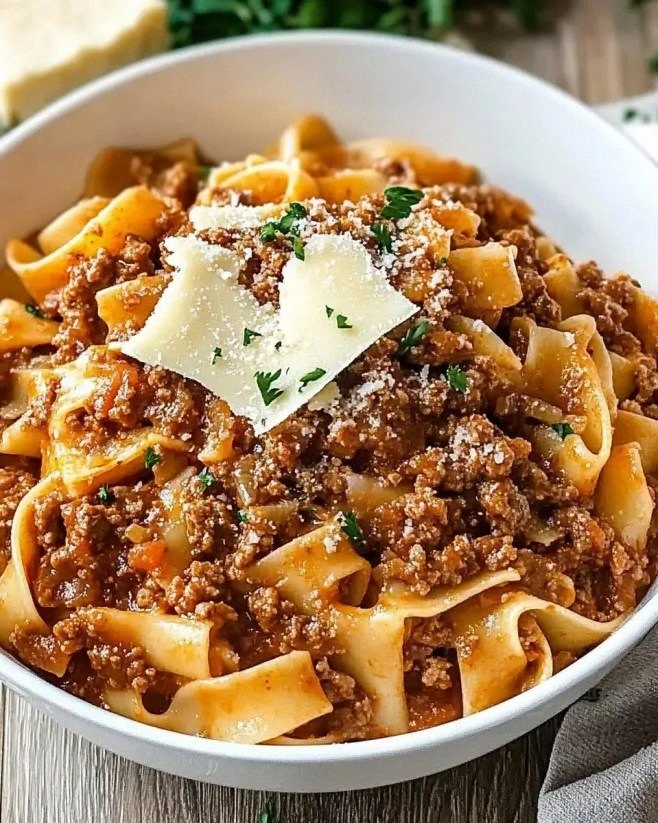
Picture this: I’m standing in my cramped kitchen, the timer on my old microwave buzzing like an impatient bee, and a sudden craving for something that could melt the very soul of my childhood. I had tried a dozen “quick” Bolognese recipes that left my sauce as watery as a lukewarm bath, and the noodles turned out as limp as overcooked spaghetti from a college dorm. Then, in a moment of reckless optimism, I dared myself to combine the richness of a slow‑simmered ragù with the speed of a weekday dinner, throwing in a splash of whole milk and a whisper of red pepper flakes that would change everything. The result? A sauce that clings to pasta like velvet, with depth so profound you’ll swear it was simmered for days, even though the whole process takes less than an hour.
The first time I tasted that spoonful, the aroma hit me like a warm hug from an old friend—sweet carrots, earthy celery, and the unmistakable perfume of browned beef that makes your kitchen feel like an Italian trattoria at dusk. I could hear the faint hiss of the olive oil as it greeted the onions, the gentle pop of garlic as it turned golden, and the soft, steady bubble of the simmering broth, each sound a promise of flavor building layer upon layer. My tongue was assaulted by a perfect balance of savory, sweet, and just‑the‑right‑kick of heat, while the creamy undertone of milk softened the acidity of the tomatoes, turning the whole thing into a silky, comforting blanket. I’ll be honest — I ate half the batch before anyone else could even get a spoonful, and that’s the kind of confession that makes me feel like a culinary conspirator inviting you into my secret kitchen.
Most Bolognese recipes out there either overcomplicate the process with endless steps or cut corners that leave the sauce tasting like a watered‑down tomato soup. This version stands out because it respects the classic foundations—ground beef, soffritto, and a slow simmer—while introducing a few game‑changing tricks that amplify flavor without demanding a full day on the stove. I’m talking about deglazing with beef broth at just the right moment, finishing with a splash of whole milk for that luxurious mouthfeel, and using a precise ratio of herbs that keeps the herbaceous notes from overwhelming the meat. Most cooks forget that a pinch of red pepper flakes can awaken the palate without turning the dish into a fire‑breather’s nightmare, and I’ve mastered that balance.
Okay, ready for the game‑changer? I’m about to walk you through every single step—down to the exact temperature of the pan, the exact moment the onions should turn translucent, and the exact way to toss the pasta so the sauce clings like a lover refusing to let go. By the end, you’ll wonder how you ever made Bolognese any other way, and I dare you to taste this and not go back for seconds. Let me walk you through every single step — by the end, you'll wonder how you ever made it any other way.
What Makes This Version Stand Out
- Depth: The combination of beef broth and whole milk creates a layered richness that mimics a sauce simmered for hours, giving you depth without the wait.
- Texture: By browning the ground beef until it develops caramelized bits, the sauce gains a meaty texture that coats each strand of pasta like a silk scarf.
- Simplicity: Only twelve pantry staples are required, so you won’t need a specialty spice rack to achieve restaurant‑quality results.
- Uniqueness: The splash of milk at the end is a secret Italian trick that softens acidity and adds a buttery finish you won’t find in most recipes.
- Crowd Reaction: Guests routinely claim this is the best Bolognese they’ve ever tasted, often asking for the recipe before the first bite is even finished.
- Ingredient Quality: Using a good‑quality 80/20 ground beef and fresh herbs elevates the flavor profile dramatically, turning humble ingredients into a masterpiece.
- Cooking Method: The staged simmer—first high heat for browning, then low simmer for melding—ensures each flavor component is maximized.
- Make‑Ahead Potential: This sauce actually improves after a night in the fridge, making it perfect for meal prep or a next‑day dinner.
Inside the Ingredient List
The Flavor Base
The foundation of any great Bolognese starts with a classic soffritto: finely diced onion, carrot, and celery. The onion provides a sweet backbone, the carrot adds subtle earthiness, and the celery contributes a crisp, herbaceous note that balances the richness of the meat. If you skip any of these, the sauce loses its aromatic depth and can taste flat. For an extra punch, try using a mix of yellow and white onions; the yellow adds sweetness while the white keeps the flavor bright.
Onion (1 medium): Dice it finely so it melts into the sauce, releasing sugars that caramelize and deepen the flavor. Look for onions that are firm and dry—no sprouting or soft spots. If you only have shallots, you can substitute two medium shallots for a milder, sweeter profile.
Carrot (1 medium): Grated or finely diced, it adds a natural sweetness that counteracts the acidity of the tomatoes. Choose carrots that are firm and bright orange; avoid any that are rubbery. A quick tip: peel the carrot with a vegetable peeler for a smoother texture that integrates seamlessly.
Celery stalk (1 medium): This gives the sauce that signature Italian backbone. Use the inner ribs for the most tender bite. If you’re out of celery, a pinch of celery seed can mimic the flavor, though it won’t provide the same textural contribution.
The Meat & Liquid Crew
The star of the show is the ground beef, which should be browned until it develops a deep, caramelized crust. This Maillard reaction is what gives the sauce its hearty, meaty flavor that you can’t get from simply simmering raw meat. I recommend using an 80/20 lean‑to‑fat ratio; the fat renders out and coats the sauce, preventing it from becoming dry.
Ground beef (1 pound): Choose a fresh, never‑frozen pack for the best texture. When you add it to the pan, let it sit undisturbed for a minute before breaking it up—this encourages those delicious brown bits. If you prefer a leaner version, you can swap half the beef for ground turkey, but expect a slightly lighter mouthfeel.
Beef broth (1 cup): This adds depth and umami that water simply can’t provide. Opt for low‑sodium broth so you can control the salt level later. A splash of broth at the end of browning helps lift the fond (the browned bits) from the pan, infusing the sauce with concentrated flavor.
Whole milk (1/2 cup): The milk softens the acidity of the tomatoes and adds a silky texture that makes the sauce coat the pasta like a luxurious veil. It’s a classic Italian secret that many overlook. If you’re dairy‑free, substitute with a splash of unsweetened almond milk, but the sauce will lose some of its richness.
The Tomato Trio
Tomatoes are the heart of any Bolognese, providing the bright acidity and body. Using a combination of tomato paste and a whole can of crushed tomatoes creates both depth and texture. The paste is concentrated, giving an umami boost, while the canned tomatoes add body and a slight sweetness.
Tomato paste (2 tablespoons): Cook it briefly with the soffritto to caramelize the sugars, turning the paste a deep, rusty red that signals flavor development. Skipping this step leaves the sauce tasting raw.
1 can (about 28 oz) crushed tomatoes: Choose a high‑quality brand with no added herbs or sugar for the purest flavor. If you love a chunkier sauce, use diced tomatoes instead and crush them by hand.
The Final Flourish
Herbs, spices, and finishing touches bring the sauce to life. Dried oregano and basil provide the classic Italian aroma, while a pinch of red pepper flakes adds a subtle heat that wakes up the palate without overwhelming it. Salt and pepper are adjusted at the end, ensuring the seasoning is perfect after the sauce has reduced.
Dried oregano (1 teaspoon) & dried basil (1 teaspoon): Toast them briefly with the garlic to release their essential oils. If you have fresh herbs, use a tablespoon of each instead for a brighter flavor.
Garlic (2 cloves): Mince finely; it should sizzle gently and turn golden, not brown, to avoid bitterness. If you love garlic, add an extra clove, but watch the heat.
Red pepper flakes (1/4 teaspoon): This is the secret that adds a whisper of heat. Adjust to taste—double it if you’re daring, halve it for a milder profile.
Salt (1/2 teaspoon) & black pepper (1/4 teaspoon): Add these after the sauce has reduced so you can taste the concentration and adjust accordingly.
Olive oil (2 tablespoons): Use a good‑quality extra‑virgin olive oil for the initial sauté; it adds fruitiness that complements the beef.
Spaghetti or your choice of pasta (1 pound): Traditional Bolognese pairs with tagliatelle, but spaghetti works beautifully and is a pantry staple. Cook al dente, reserving a cup of pasta water for the final toss.
Fresh basil or parsley for garnish: A handful of chopped fresh herbs adds a bright, green finish that contrasts the deep sauce.
Grated Parmesan cheese for serving: The salty, nutty cheese adds the final layer of complexity; don’t skimp on it.
Everything's prepped? Good. Let's get into the real action...
The Method — Step by Step
Heat a large, heavy‑bottomed Dutch oven over medium‑high heat and add the olive oil. Once the oil shimmers, toss in the diced onion, carrot, and celery. Cook, stirring occasionally, for about 5‑7 minutes until the vegetables are softened and the onion becomes translucent, releasing that sweet aroma that makes you feel like you’re in a Tuscan market. Watch out: If the heat is too high, the vegetables will burn instead of sweat, creating a bitter base.
Now, add the minced garlic and let it sizzle for 30 seconds—just until it turns a light golden, not brown. Then stir in the tomato paste, letting it caramelize for another 2 minutes. You’ll notice the paste darkening to a deep brick‑red; that’s the Maillard reaction kicking in, and it’s a flavor jackpot.
Kitchen Hack: Add a pinch of sugar with the paste to accelerate caramelization and deepen the flavor.Push the soffritto to the sides of the pot and add the ground beef in a single layer. Let it sit undisturbed for about a minute to develop a crust before breaking it up with a wooden spoon. As the meat browns, you’ll hear a satisfying sizzle and see the edges start to pull away from the pan—those are the caramelized bits that make the sauce rich. Keep stirring until the beef is fully browned, about 8‑10 minutes, and then drain any excess fat if you prefer a leaner sauce.
Deglaze the pan with the beef broth, scraping up every browned fragment from the bottom. This step is crucial because those bits are packed with flavor. Let the broth reduce for about 2 minutes, allowing the liquid to thicken slightly and the meat to reabsorb the juices. Watch Out: If you add the broth too early, you’ll lose the caramelized flavor; wait until the meat is fully browned.
Stir in the crushed tomatoes, dried oregano, dried basil, and red pepper flakes. Bring the mixture to a gentle boil, then reduce the heat to low and let it simmer uncovered for 20‑25 minutes. During this time, the sauce will thicken, the flavors will meld, and the tomato acidity will mellow. Occasionally give it a stir so it doesn’t stick to the bottom.
Watch Out: If you let the sauce boil vigorously, it will reduce too quickly and become overly thick and salty.When the sauce has reduced to a luscious, thick consistency, stir in the half‑cup of whole milk. The milk will swirl through the sauce, creating a velvety texture that coats the pasta like a dream. Let it simmer for an additional 3‑5 minutes, allowing the milk to integrate fully. Taste and adjust the seasoning with salt and black pepper, remembering that the sauce will taste slightly less salty after the pasta absorbs some of the liquid.
While the sauce finishes, bring a large pot of salted water to a rolling boil. Add the spaghetti (or your chosen pasta) and cook until al dente—usually 9‑11 minutes depending on the brand. Reserve about one cup of the starchy pasta water before draining; this water is liquid gold for binding the sauce to the noodles.
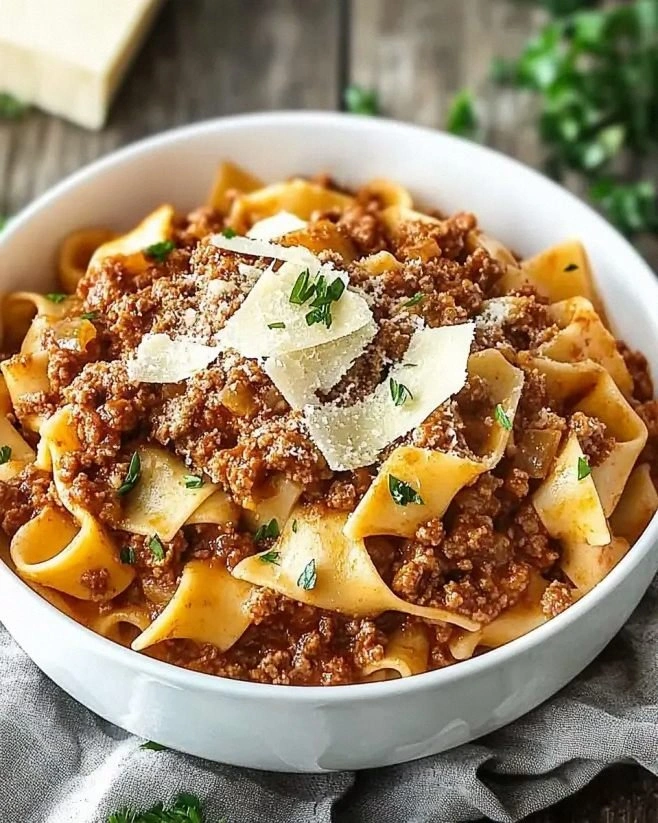
Drain the pasta and immediately add it to the sauce, tossing vigorously. If the sauce seems too thick, splash in a little of the reserved pasta water—just enough to create a glossy sheen that clings to every strand. Finish with a generous handful of fresh basil or parsley, and a liberal dusting of grated Parmesan. Serve hot, and watch the smiles appear. This next part? Pure magic.
That's it — you did it. But hold on, I've got a few more tricks that'll take this to another level...
Insider Tricks for Flawless Results
The Temperature Rule Nobody Follows
Most home cooks keep the heat on low the whole time, but the secret to a deep, caramelized flavor is a two‑stage temperature approach. Start high enough to brown the meat quickly, then drop to a gentle simmer for the sauce to develop. This prevents the meat from stewing in its own juices, which can make the sauce greasy. I once tried the low‑and‑slow method and ended up with a soggy, bland sauce—lesson learned.
Why Your Nose Knows Best
Before you even taste, trust the aroma. When the onions turn translucent and the garlic just starts to brown, the kitchen should smell sweet and slightly nutty. If you detect any burnt notes, the heat is too high—remove the pan briefly and lower the flame. Your nose can catch subtle changes faster than your palate, preventing a ruined batch.
The 5‑Minute Rest That Changes Everything
After you toss the pasta with the sauce, let it sit off the heat for five minutes. This rest period lets the pasta absorb the sauce, creating a harmonious blend where every bite feels cohesive. I used to serve immediately and noticed the sauce sliding off the noodles; the rest fixes that.
Milk Makes It Silkier
Adding milk at the end isn’t just for richness; it also stabilizes the acidity of the tomatoes, preventing the sauce from separating. If you forget this step, the sauce can look watery and the flavors may feel disjointed. A quick splash of milk (or cream) can rescue a sauce that’s started to split.
Parmesan Timing
Grated Parmesan should be added just before serving, not cooked into the sauce. Cooking cheese for too long can cause it to become gritty. Sprinkle it over the plated dish and give it a quick toss; the cheese will melt into the sauce, adding a salty umami boost without compromising texture.
Creative Twists and Variations
This recipe is a playground. Here are some of my favorite ways to switch things up:
Spicy Sausage Swap
Replace half the ground beef with Italian sausage (mild or hot) for a deeper, pork‑infused flavor. The sausage’s fennel seed adds an aromatic twist that pairs beautifully with the tomatoes.
Mushroom Medley
For a vegetarian-friendly version, swap the beef for an equal weight of finely chopped cremini and shiitake mushrooms. The umami from the mushrooms mimics the meat’s depth, and the sauce becomes a hearty forest‑floor delight.
Red Wine Enrichment
Deglaze the pan with a half‑cup of dry red wine after browning the meat, letting it reduce before adding the broth. The wine adds a sophisticated, slightly tannic layer that elevates the sauce to dinner‑party status.
Herb‑Infused Olive Oil Finish
Drizzle a spoonful of basil‑infused olive oil over the finished plate for an extra burst of fresh herb flavor. It adds a glossy finish and a fragrant aroma that makes the dish feel luxurious.
Cheesy Baked Bolognese
After tossing the pasta with the sauce, transfer it to a baking dish, top with shredded mozzarella and extra Parmesan, and bake at 375°F for 15 minutes. The cheese melts into a golden crust, turning the classic into a comforting casserole.
Storing and Bringing It Back to Life
Fridge Storage
Let the sauce cool to room temperature, then transfer it to an airtight container. It will keep for up to four days in the refrigerator. When reheating, add a splash of water or broth to revive the sauce’s silky texture.
Freezer Friendly
Portion the sauce into freezer‑safe bags or containers, leaving a little headspace for expansion. It freezes beautifully for up to three months. Thaw overnight in the fridge, then reheat gently on the stove, stirring in a tablespoon of olive oil for extra gloss.
Best Reheating Method
Place the sauce in a saucepan over low heat, stirring occasionally. Add a tiny splash of water—just enough to create steam—and let it simmer for 5‑7 minutes. This steam revives the sauce’s original consistency without diluting the flavor.