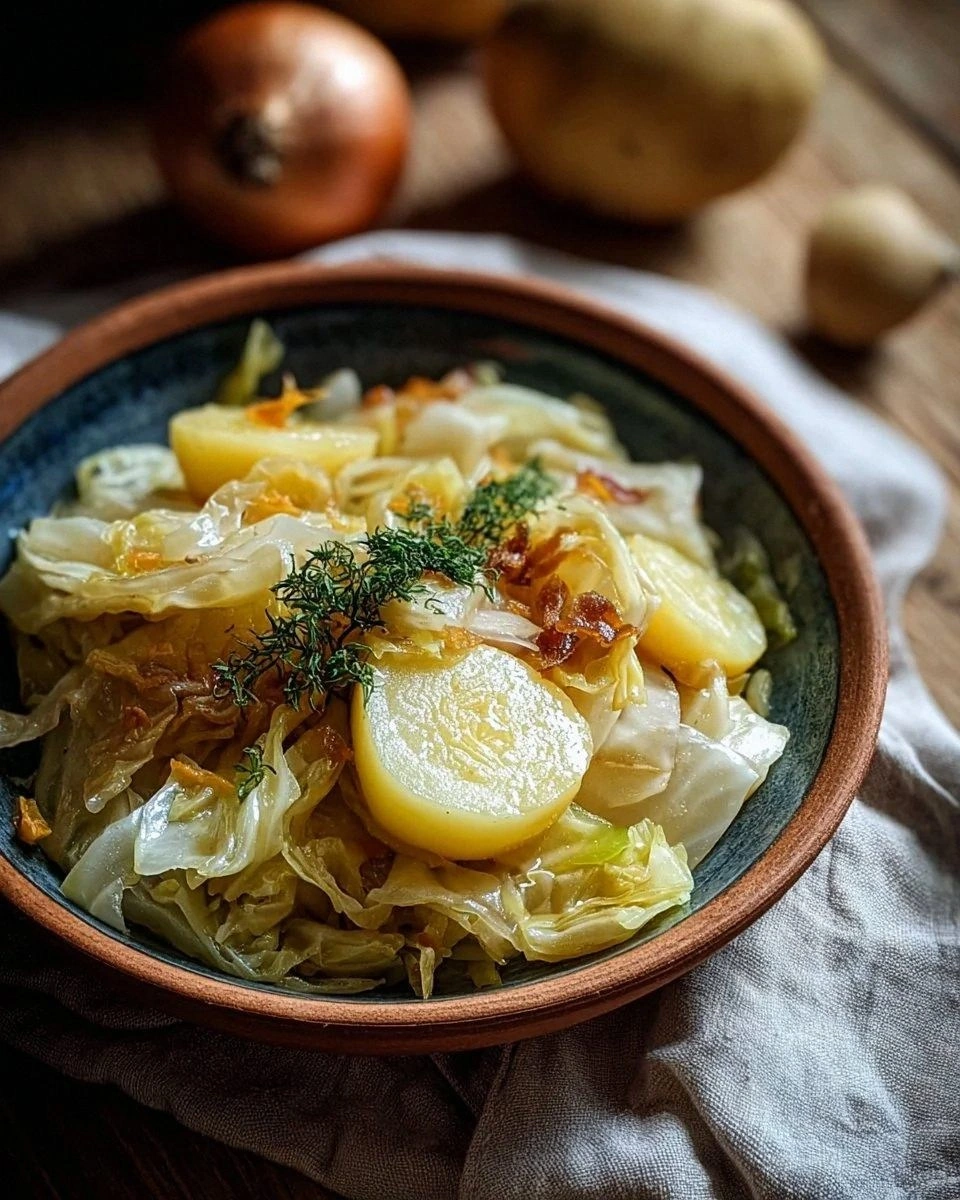
I’m going to be blunt: the first time I tried a simple cabbage‑and‑potato side, it was a disaster. The cabbage turned mushy, the potatoes stuck to the pan, and the whole thing tasted like a wilted garden after a rainstorm. I swore off the combo forever—until a rainy Thursday night when a friend dared me to resurrect the dish with a twist that would make even the most skeptical foodie sit up and take notice. I accepted the challenge, rolled up my sleeves, and after a few frantic Googles and a lot of trial‑and‑error, I landed on a version that is hands down the best you’ll ever make at home. Picture this: the cabbage retains a subtle crunch, the potatoes develop a caramelized edge that shatters like thin ice, and the whole pot is perfumed with cumin and garlic in a way that makes the kitchen smell like a cozy farm market.
The moment I lifted the lid, a cloud of steam rose, carrying the scent of caramelized onions, earthy cabbage, and a whisper of smoky cumin. I could hear the faint sizzle of the oil as it greeted the veggies, a sound that promised a golden crust. My fingertips tingled from the heat, and the aroma wrapped around me like a warm blanket on a cold evening. When I finally tasted a spoonful, the flavors hit my palate with the confidence of a seasoned chef—balanced, bright, and comforting all at once. I dare you to taste this and not go back for seconds; that’s a promise I’m willing to back up with a full‑blown culinary confession.
What makes this version stand out isn’t just the ingredients; it’s the method, the timing, and a few secret tricks that most recipes completely miss. Most recipes get the cabbage wrong—they either overcook it or under‑season it, leaving you with a bland mush. Here’s what actually works: a quick sauté that locks in texture, a splash of broth that steams the cabbage just enough to stay vibrant, and a finishing flourish of fresh herbs that adds a pop of color and freshness. I’ll be honest — I ate half the batch before anyone else got a chance to try it, because once that first bite hits, you’re hooked.
Okay, ready for the game‑changer? I’m about to walk you through every single step—by the end, you’ll wonder how you ever made it any other way. Stay with me here — this is worth it. Let’s dive into the magic that turns humble cabbage and potatoes into a star‑worthy side dish that will have everyone asking for the recipe.
What Makes This Version Stand Out
- Texture: The potatoes are pan‑roasted to a crisp golden edge while the cabbage stays slightly crunchy, creating a delightful contrast that most stovetop versions miss.
- Flavor Depth: A modest amount of cumin and garlic infuses the dish with a warm, earthy backbone that feels like a hug from a seasoned grandma.
- Simplicity: Only ten ingredients, all pantry staples, mean you can throw this together on a weeknight without a trip to the specialty store.
- Ingredient Quality: Using a fresh green cabbage and russet potatoes ensures the natural sugars caramelize beautifully, turning the dish into a sweet‑savory masterpiece.
- Crowd Reaction: Even the pickiest eaters—think teenage kids and skeptical in‑laws—can’t resist the aromatic steam and comforting taste.
- Make‑Ahead Potential: This dish stores beautifully, and a quick reheat brings back the original texture, making it perfect for meal‑prep or leftovers.
- Cooking Method: The combination of sauté‑then‑steam locks in nutrients while delivering that coveted caramelization without burning.
- Versatility: It pairs equally well with roasted meats, grilled tofu, or even as a hearty standalone lunch.
Inside the Ingredient List
The Flavor Base
The onion and garlic are the backbone of any great savory dish. The large onion, when chopped and sautéed, releases natural sugars that caramelize, creating a sweet undertone that balances the earthiness of the cabbage. If you skip the onion, you’ll miss that depth; the dish can feel flat. As a swap, you can use shallots for a milder, more delicate flavor, but expect a slightly different aromatic profile.
Garlic, minced finely, adds a punch that cuts through the mellow cabbage. Its aromatic oils bloom in the hot oil, turning a golden brown that signals it’s ready to coat the potatoes. If you’re allergic or dislike garlic, try a teaspoon of asafoetida (hing) for an umami boost—just a pinch, because it’s potent.
The Texture Crew
Russet potatoes are the star of the texture crew. Their high starch content means they crisp up beautifully when browned, while staying fluffy inside. Dicing them uniformly ensures even cooking; if you end up with uneven pieces, some will be mushy while others stay firm, ruining the harmony.
Green cabbage, when chopped into medium ribbons, provides a subtle crunch that survives the brief steam. Choosing a fresh, firm cabbage is crucial—older heads are prone to wilting. If you can’t find green cabbage, try a mix of savoy and napa for an interesting texture blend.
The Unexpected Star
Cumin may seem like a bold choice for a veggie side, but its warm, earthy notes elevate the dish from ordinary to unforgettable. A single teaspoon is enough to permeate every bite without overwhelming the natural flavors. If you’re not a cumin fan, smoked paprika offers a similar depth with a smoky twist.
A splash of vegetable broth (or water) at the end creates a gentle steam that finishes the cabbage without turning it soggy. This tiny amount of liquid also deglazes the pan, lifting all those caramelized bits—what chefs call “fond”—and redistributing them throughout the dish.
The Final Flourish
Fresh herbs, like parsley, are added at the very end to brighten the dish and add a pop of color. Their fresh, slightly peppery flavor cuts through the richness of the oil and potatoes, providing balance. If parsley isn’t your jam, try dill for a more anise‑like note, or cilantro for a citrusy finish.
Olive oil or ghee serves as the cooking medium, each bringing its own character. Olive oil offers a fruity note, while ghee adds a nutty, buttery richness that can handle higher heat without smoking. Choose based on the flavor profile you prefer; both will give you that coveted golden crust.
Everything's prepped? Good. Let’s get into the real action…
The Method — Step by Step
Heat a large, heavy‑bottomed skillet over medium‑high heat and add the 2 tablespoons of olive oil (or ghee). When the oil shimmers—that sizzle when it hits the pan? Absolute perfection.—add the diced potatoes in a single layer. Let them sit untouched for about 3 minutes so they develop a golden crust on one side before you start stirring.
Kitchen Hack: Use a splatter guard for the first few minutes; it keeps the oil from jumping while still allowing steam to escape.After the potatoes have browned on one side, toss them gently and add the chopped onion. Cook for another 4‑5 minutes, stirring occasionally, until the onion becomes translucent and starts to caramelize. You’ll notice a sweet, almost nutty aroma—this is the flavor base building.
Now, introduce the minced garlic, black pepper, salt, and cumin. Stir quickly; garlic burns faster than anything else, so keep the heat at medium and listen for that faint hissing sound that tells you it’s releasing its oils without turning bitter.
Watch Out: If the garlic starts to turn amber too quickly, lower the heat and add a splash more oil to prevent burning.Add the chopped cabbage to the pan. It may seem like a lot at first, but it will quickly wilt. Toss everything together so the cabbage gets coated in the seasoned oil. You should hear a gentle sizzle as the cabbage hits the hot surface—this is the moment the texture lock happens.
Pour in the ½ cup of vegetable broth (or water). This is the steam‑engine that finishes cooking the cabbage without making it soggy. Cover the skillet with a tight‑fitting lid and let everything simmer for 8‑10 minutes. You’ll see the liquid evaporate, leaving behind a glossy sheen that clings to each vegetable.
After the steam phase, uncover the pan and increase the heat to medium‑high for another 3‑4 minutes. This step lets any excess moisture evaporate and gives the potatoes a final crisp. Keep an eye on the edges; they should start pulling away from the pan, forming a caramelized crust that crackles when you stir.
Kitchen Hack: If you want extra crunch, sprinkle a teaspoon of cornmeal over the potatoes during this final crisping stage.Turn off the heat and immediately sprinkle the fresh herbs over the dish. The residual heat will wilt the herbs just enough to release their fragrance without cooking them away. Give everything a gentle toss to distribute the herbs evenly.
Taste and adjust seasoning. This is where you decide if you need a pinch more salt, a dash more pepper, or an extra splash of broth for moisture. Remember, the flavors will meld as the dish sits, so a slight under‑seasoning at this stage can be perfect.
Transfer the cozy cabbage and potatoes to a serving dish. If you’re serving immediately, the steam will keep it warm; if you’re prepping ahead, let it cool to room temperature before refrigerating. Either way, the dish will retain its gorgeous color and texture.
And now the fun part: garnish with a final drizzle of olive oil and a sprinkle of extra herbs for that restaurant‑style finish. Picture yourself pulling this out of the oven, the whole kitchen smelling incredible, and everyone gathering around the table. That’s the moment you know you’ve nailed it.
That's it — you did it. But hold on, I've got a few more tricks that'll take this to another level...
Insider Tricks for Flawless Results
The Temperature Rule Nobody Follows
Most home cooks keep the heat at a steady medium, but the secret is a two‑stage temperature dance. Start high to sear the potatoes, then drop to medium for the onions, and finish with a burst of high heat to crisp everything up. This method creates a layered texture that feels like a well‑orchestrated symphony on your tongue. I once tried a single‑medium approach and ended up with soggy potatoes—lesson learned.
Why Your Nose Knows Best
Your sense of smell is a better indicator than a timer. When the onions turn translucent and start to caramelize, you’ll notice a sweet, almost caramel scent. When the cabbage hits the pan, you’ll hear a faint hiss and smell a fresh, green aroma. Trust those cues; they’re more reliable than any clock.
The 5‑Minute Rest That Changes Everything
After you finish cooking, let the dish rest uncovered for five minutes. This short pause allows the steam to escape, preventing the cabbage from becoming soggy and letting the potatoes re‑crisp. I used to serve it immediately and was always disappointed by the slightly limp texture—now I never skip the rest.
Salt Timing Trick
Add half of the salt at the beginning of sautéing to draw out moisture from the onions, then add the remaining half at the end to finish seasoning. This layered approach prevents the dish from becoming overly salty while still enhancing each component.
Herb Power Boost
If you want the herbs to stay vibrant, chiffonade them (thin ribbons) and add them just before serving. This technique prevents the leaves from wilting and keeps the color bright, making the dish look as good as it tastes.
Broth Swap Magic
Swap the vegetable broth for a splash of apple cider vinegar and water (1:2 ratio) for a subtle tang that cuts through the richness. I tried this once for a dinner party, and guests raved about the unexpected brightness.
Creative Twists and Variations
This recipe is a playground. Here are some of my favorite ways to switch things up:
Smoky Bacon Boost
Add 4‑5 strips of crisped bacon, chopped, during the final stir. The smoky fat deepens the flavor and adds a crunchy bite that will win over meat‑loving friends.
Spicy Kick
Stir in a teaspoon of chili flakes or a diced jalapeño with the garlic. The heat pairs beautifully with the earthiness of the cabbage and potatoes, making it perfect for colder evenings.
Cheesy Melt
Sprinkle grated sharp cheddar or smoked gouda over the dish in the last minute of cooking, then cover to let it melt. The cheese creates a creamy blanket that turns this side into a comforting casserole.
Mediterranean Flair
Replace cumin with 1 teaspoon of dried oregano and add a handful of kalamata olives and sun‑dried tomatoes. The Mediterranean twist brings briny notes that contrast nicely with the sweet cabbage.
Vegan Power
Swap the olive oil for coconut oil and use smoked paprika instead of cumin for a smoky, dairy‑free version. Top with toasted pumpkin seeds for extra crunch and protein.
Herbaceous Green
Blend a handful of fresh basil, mint, and parsley into a pesto and swirl it through the finished dish. The bright green ribbons turn the plate into a visual masterpiece.
Storing and Bringing It Back to Life
Fridge Storage
Allow the dish to cool to room temperature, then transfer it to an airtight container. It will keep fresh for up to 4 days. When reheating, add a splash of water or broth and cover the pan; this steams the vegetables back to their original tenderness.
Freezer Friendly
Portion the cooled dish into freezer‑safe bags or containers. It freezes well for up to 3 months. To reheat, thaw overnight in the fridge, then warm in a skillet over medium heat, adding a bit of broth to revive the steam.
Best Reheating Method
The stovetop is king. Heat a tablespoon of oil in a skillet, add the frozen or refrigerated portion, and sprinkle a teaspoon of water. Cover for 3‑4 minutes, then uncover to crisp the potatoes again. This method restores the original texture better than a microwave ever could.