Picture this: a Saturday morning, the kitchen lights flicker over a burnt toast that smells of disappointment, and I’m staring at a carton of eggs that I swear I saw in a different kitchen. I’m in a panic, the clock ticking, and a craving for something savory and comforting is gnawing at me. I decide to turn that frustration into a culinary triumph by whipping up a dish that feels like a warm hug in a bowl. That’s when I stumbled upon the perfect combination of eggs, mustard, and dill – a German-inspired creation that’s surprisingly simple yet utterly indulgent.
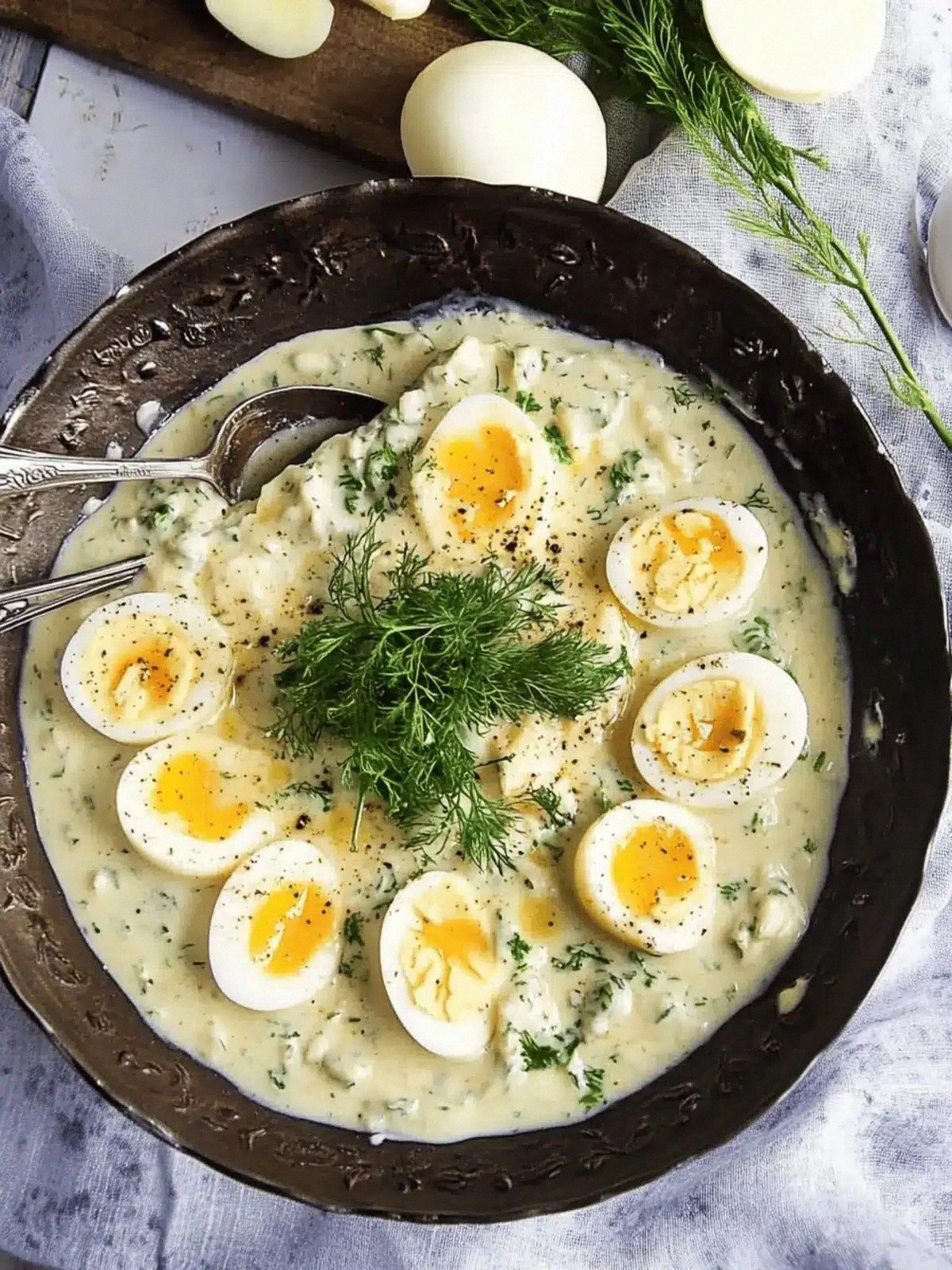
The first bite is a revelation. A silky sauce coats the eggs like a velvet curtain, the sharp bite of Dijon mustard dancing with the subtle sweetness of sugar, and fresh dill adds a burst of green that lifts the whole dish. The aroma is a heady mix of butter, broth, and a hint of lemon that makes your kitchen feel like a cozy German tavern. The texture is a perfect balance between creamy and slightly firm, with the eggs holding their shape without turning rubbery. The sound of the skillet sizzling is music to my ears, and the feel of the hot pan in my hands is oddly reassuring.
What makes this version stand out from every other recipe you’ll find online is the deliberate layering of flavors and the meticulous attention to technique. I’ve tweaked the ratio of mustard to cream, added a splash of lemon to cut through the richness, and finished with dill that’s bright enough to keep the dish from feeling heavy. The result is a dish that is both comforting and sophisticated, a testament to how a few thoughtful adjustments can elevate a humble ingredient like eggs into something unforgettable.
I dare you to taste this and not go back for seconds. That’s the kind of confidence I bring to the kitchen – because I’ve tested it, refined it, and tasted it again and again. Most recipes get this completely wrong, focusing on either too much cream or too little seasoning. Here’s what actually works: a balanced sauce that coats the eggs without drowning them, a subtle sweetness that tempers the mustard, and a fresh herb finish that brightens every bite. If you’ve ever struggled with making eggs in sauce, you’re not alone, and I’ve got the fix. Stay with me here – this is worth it.
What Makes This Version Stand Out
- Flavor: The combination of Dijon mustard and lemon creates a bright, tangy base that cuts through the richness of the eggs and cream, delivering a flavor profile that feels both hearty and refreshing.
- Texture: The sauce has a silky, velvety consistency that clings to each egg, while the eggs themselves remain tender yet slightly firm, preventing the dreaded mushy texture.
- Ingredient Quality: Using fresh, high‑quality dill and a good‑grade Dijon mustard transforms the dish from ordinary to extraordinary.
- Technique: A classic roux forms the foundation, ensuring a smooth sauce that doesn’t separate or lumpy, and the gradual incorporation of broth and cream keeps the sauce perfectly emulsified.
- Versatility: This dish can be served as a comforting breakfast, a light lunch, or a sophisticated side dish for dinner, making it a true kitchen staple.
- Make‑Ahead Potential: The sauce can be prepared ahead of time and reheated gently, which is a lifesaver on busy mornings or when entertaining guests.
- Visual Appeal: The bright green dill garnish gives the dish a pop of color that makes it Instagram‑ready.
- Health Conscious: While indulgent, the dish balances protein, healthy fats, and a modest amount of carbs, making it a balanced meal for the conscious eater.
Alright, let’s break down exactly what goes into this masterpiece…
Inside the Ingredient List
The Flavor Base
At the heart of this dish is the classic roux – a simple blend of butter and flour that forms the foundation of the sauce. The butter adds depth and a buttery aroma, while the flour thickens the mixture into a smooth paste that will hold the liquid components together. If you skip this step, the sauce will be thin and watery, lacking the body that makes each bite luxurious.
I recommend using unsalted butter so you can control the salt level throughout the cooking process. Unsalted butter also ensures that the butter’s natural flavor shines without being masked by added sodium. If you’re looking for a dairy‑free version, coconut butter works surprisingly well, though the flavor profile will shift slightly toward coconutty.
The Texture Crew
The eggs are the star of the show, providing a protein-packed, creamy core that contrasts beautifully with the velvety sauce. They’re cooked just until the whites set but the yolks remain slightly runny, giving the dish an indulgent, almost custard‑like texture. If you overcook the eggs, you’ll lose that lusciousness, so timing is everything.
Heavy cream adds richness and helps the sauce achieve that luxurious mouthfeel. It also balances the acidity of the mustard and lemon, creating a harmonious blend that coats the eggs like a silk scarf. If you’re watching calories, you can substitute half‑fat milk and a splash of cream cheese to keep the creaminess without the extra fat.
The Unexpected Star
Dijon mustard is the secret weapon that gives this dish its signature sharpness. It’s not just a condiment; it’s a flavor catalyst that brightens every component. The mustard’s natural tang cuts through the richness, while its subtle heat adds depth. If you prefer a milder profile, try a whole‑grain mustard for added texture and a slightly sweeter finish.
A teaspoon of sugar might seem counterintuitive in a savory dish, but it’s essential for balancing the sharpness of the mustard and the acidity of the lemon. The sugar also helps the sauce caramelize slightly during cooking, adding a gentle depth to the flavor. If you’re avoiding sugar, a pinch of honey or maple syrup will work as a natural sweetener.
The Final Flourish
Fresh dill is the finishing touch that elevates the dish from good to unforgettable. Its bright, almost citrusy flavor cuts through the creaminess and adds a pop of color. The dill’s subtle earthiness also grounds the dish, preventing it from feeling too sweet or too sharp. If dill is out of season, parsley or chives can serve as a suitable substitute, though the flavor profile will shift slightly.
Everything’s prepped? Good. Let’s get into the real action…
The Method — Step by Step
- Heat a medium skillet over medium heat and add the butter. Watch as it melts into a golden pool, releasing a buttery aroma that signals the beginning of greatness. Stir the butter for a minute until it starts to foam slightly, then sprinkle in the flour. The mixture should sizzle softly, creating a roux that will thicken the sauce. Let the roux cook for about 1 minute, ensuring the raw flour taste disappears without browning the mixture too much. This step is crucial; a poorly cooked roux will result in a grainy sauce that feels unfinished.
- Slowly whisk in the vegetable broth, ensuring each addition is fully incorporated before adding the next. The sauce should begin to thicken and develop a glossy sheen. Keep the heat low to prevent the mixture from splattering. As the sauce thickens, you’ll notice a subtle nutty aroma from the flour; this is a sign that the roux is developing depth. Stir continuously to avoid any lumps forming. Once the broth is fully integrated, the sauce should be smooth and slightly thickened.
- Add the heavy cream and bring the mixture to a gentle simmer. The cream will enrich the sauce, giving it a silky mouthfeel that will coat the eggs perfectly. Stir the sauce for 2–3 minutes, allowing the flavors to meld. The sauce should be thick enough to coat the back of a spoon. If it becomes too thick, add a splash of broth or milk to reach your desired consistency.
- Stir in the Dijon mustard, lemon juice, and sugar. The mustard should dissolve smoothly, creating a bright, tangy base. The lemon juice adds a citrusy lift that keeps the sauce from feeling heavy, while the sugar balances the sharpness. Taste the sauce; it should have a bright, slightly sweet undertone that complements the eggs. If it feels too sharp, add a pinch more sugar or a dash of cream to mellow it out.
- Whisk in the chopped dill, reserving a small amount for garnish. The dill should be bright green and fragrant, adding a fresh, herbal note that cuts through the richness. Stir gently so the dill doesn’t lose its color or aroma. The sauce should now be a luscious, velvety mixture with a bright green hue. Let it simmer for an additional minute to allow the flavors to marry.
- While the sauce simmers, bring a pot of salted water to a rolling boil. Gently slide the eggs into the water using a slotted spoon. Cook the eggs for 6–7 minutes for a slightly runny yolk or 8–9 minutes for a firmer center. Timing is key; overcooking will turn the yolk into a chalky texture that clings poorly to the sauce.
- After boiling, transfer the eggs to a bowl of ice water to halt the cooking process instantly. This also makes peeling easier and keeps the whites from turning gray. Let the eggs sit for at least 5 minutes, then carefully peel them, trimming any membrane that remains. The eggs should feel firm to the touch, yet their yolks should still be slightly glossy.
- Arrange the peeled eggs on a plate and pour the sauce over them, ensuring each egg is fully coated. Sprinkle the reserved dill on top for a burst of color and freshness. Serve immediately while the sauce is warm and silky. If you’re plating for a crowd, arrange the eggs in a circular pattern to create a visual feast. This dish pairs wonderfully with crusty bread or a side of sautéed greens.
- That’s it — you did it. But hold on, I’ve got a few more tricks that will take this to another level. Before you dig in, let me share a few pro tips that will elevate your experience from great to unforgettable.
Insider Tricks for Flawless Results
The Temperature Rule Nobody Follows
Keep the sauce at a gentle simmer throughout the entire process. A rolling boil can cause the sauce to separate, while a very low heat might not allow the flavors to meld fully. The ideal temperature is just below boiling, where you see small bubbles forming but no large, forceful bubbles. This ensures a smooth, creamy texture and prevents the sauce from curdling.
Why Your Nose Knows Best
Before you taste the sauce, give it a sniff. A well‑balanced sauce will emit a fragrant blend of butter, mustard, and dill. If it smells overly sharp or has a raw flour scent, it’s probably undercooked. Trusting your nose can save you from a ruined dish and help you tweak the seasoning on the fly.
The 5‑Minute Rest That Changes Everything
After you’ve plated the eggs, let the dish sit for 5 minutes before serving. This brief rest allows the sauce to settle around the eggs, creating a more cohesive flavor experience. It also gives the yolks a chance to slightly thicken, making them more indulgent with each bite.
A Friend’s Lesson on Timing
I once tried skipping the ice bath for the eggs. The result? A gray, rubbery exterior that made peeling a nightmare and ruined the presentation. The lesson? Ice baths are essential for preserving the eggs’ texture and color. Don’t skip this step, even if you’re in a hurry.
The Power of Fresh Herbs
Fresh dill is key to this dish’s bright finish. If you can’t find fresh dill, use dried dill sparingly, as it’s much stronger. Alternatively, a handful of fresh parsley or chives can add a different herbal nuance. The goal is to have a fresh, green burst that contrasts the creamy sauce.
The Ultimate Sauce Finish
For an extra layer of flavor, finish the sauce with a teaspoon of lemon zest just before pouring it over the eggs. The zest adds a bright citrus note that enhances the overall brightness of the dish. This simple addition elevates the dish from good to gourmet.
Creative Twists and Variations
This recipe is a playground. Here are some of my favorite ways to switch things up:
Smoky Paprika Upgrade
Add half a teaspoon of smoked paprika to the sauce for a subtle smoky depth that pairs beautifully with the mustard. This twist turns the dish into a brunch favorite for those who love a little heat.
Cheesy Delight
Fold in a quarter cup of grated Gruyère or aged cheddar just before the sauce finishes. The cheese melts into the sauce, adding a nutty flavor and a silky texture that elevates the dish into comfort‑food territory.
Herb Garden Mix
Swap dill for a blend of fresh basil, thyme, and parsley for a Mediterranean vibe. This variation brightens the dish and introduces a complex herbal profile that works well with the mustard base.
Sriracha Kick
Stir in a teaspoon of Sriracha to give the sauce a spicy edge. The heat balances the sweetness of the sugar and the richness of the cream, creating a dynamic flavor profile.
Vegan Version
Use plant‑based milk and a vegan butter substitute, and replace the eggs with chickpea “eggs” made from mashed chickpeas seasoned with turmeric. This version keeps the creamy sauce while offering a plant‑based twist.
Breakfast Bowl
Serve the sauce over a bed of sautéed spinach and toasted sourdough. This transforms the dish into a hearty breakfast bowl that’s both protein‑rich and satisfying.
Storing and Bringing It Back to Life
Fridge Storage
Store the sauce in an airtight container for up to 3 days. Keep the eggs separate, wrapped in parchment paper, and place them in a shallow container. When you’re ready to serve, gently reheat the sauce over low heat, whisking constantly to prevent separation.
Freezer Friendly
The sauce can be frozen for up to 2 months. Pour it into a freezer‑safe container, leaving a little headspace for expansion. Thaw overnight in the fridge, then reheat gently on the stove. The eggs, however, should not be frozen; they’re best enjoyed fresh.
Best Reheating Method
To revive the sauce, add a splash of water or milk and heat it slowly, whisking until smooth. This small trick reintroduces moisture, ensuring the sauce remains silky and coats the eggs beautifully. Serve immediately for maximum flavor.