Picture this: I’m standing in a cramped kitchen, the air thick with the scent of burnt garlic from last night’s over‑seasoned pasta, and my friend throws a challenge at me—“Make something that feels like a Michelin‑star meal, but in under forty minutes.” I stare at the skillet, the clock ticking, and decide to turn that disaster into destiny. The moment I pull the tray of fresh asparagus from the fridge, I know I’m about to rewrite the rulebook on quick, flavorful dinners.
The asparagus glistens under the kitchen lights, its green spears crisp and bright like emerald swords. I drizzle olive oil, and the scent of fresh herbs begins to rise, a subtle perfume that makes even the most skeptical foodie nod in anticipation. I hear the sizzle as the pan heats, the sound of potential turning into something tangible. The anticipation is almost palpable; you can almost taste the buttery citrus that’s about to coat every strand.
What sets this version apart isn’t just the ingredients—though the combination of lemon zest, butter, and cherry tomatoes is a flavor explosion—but the technique. I’ve perfected the balance of roasting that gives the asparagus a caramelized edge while keeping the interior tender, and the butter sauce is whisked to a silky consistency that clings to the pasta like a velvet blanket. The result is a dish that feels both indulgent and wholesome, a culinary paradox that satisfies cravings without guilt. It’s hands down the best version you’ll ever make at home.
I dare you to taste this and not go back for seconds. Imagine the kitchen filling with the aroma of citrus and butter, the sound of noodles sliding into the pan, and the sight of bright green spears dancing in golden sauce. Picture yourself pulling this out of the oven, the whole kitchen smelling incredible, and everyone asking for the recipe. Let me walk you through every single step—by the end, you’ll wonder how you ever made it any other way.
What Makes This Version Stand Out
- Flavor: The bright citrus of fresh lemon juice and zest cuts through the richness of butter, creating a harmonious balance that lifts the dish.
- Texture: Roasted asparagus develops a caramelized crust that shatters like thin ice when you bite, while the pasta stays al dente, offering a satisfying contrast.
- Visual Appeal: The vibrant green of asparagus against the golden butter sauce and ruby cherry tomatoes turns an ordinary plate into a feast for the eyes.
- Time Efficiency: Every element of this dish is ready in under 45 minutes, making it a perfect weeknight winner.
- Versatility: Swap the pasta for rice or quinoa, or use a plant‑based butter to keep the dish vegan without compromising flavor.
- Crowd‑Pleaser: It’s the kind of dish that makes people ask, “What’s in the sauce?” and you can proudly say, “It’s a lemon‑butter kiss.”
Alright, let’s break down exactly what goes into this masterpiece…
Inside the Ingredient List
The Flavor Base
Olive oil is the silent hero that starts the flavor journey. It coats each asparagus spear, ensuring that the heat reaches the interior evenly and preventing sticking. If you skip it, the spears may burn or stick to the pan, ruining the caramelized finish. For a richer taste, consider a splash of extra‑virgin olive oil right before roasting.
Unsalted butter is the heart of this dish. It melts into a silky sauce that coats the pasta like velvet, delivering a mouth‑watering richness that balances the bright lemon. A vegan butter works just as well, though the flavor profile shifts slightly toward a lighter, more buttery taste. If you’re sensitive to dairy, choose a plant‑based butter with a neutral flavor to let the lemon shine.
The Texture Crew
Asparagus is the star that brings both crunch and tenderness. When roasted at the right temperature, it develops a crisp edge while remaining tender inside, creating a delightful contrast. If you leave the spears too long, they’ll become mushy; too short, and they’ll be raw. The key is a 20‑minute roast at 425°F (220°C).
Pasta provides a comforting canvas for the sauce. Choose a shape that holds sauce well—fusilli or penne work best. If you use a thin noodle like angel hair, the sauce might slide off. A medium‑thick pasta keeps the butter from pooling and ensures every bite is flavorful.
The Unexpected Star
Cherry tomatoes add a burst of sweetness that balances the acidity of lemon. Their tiny size allows them to pop in the pan, releasing juices that mingle with the butter. If you prefer a different burst of flavor, try adding roasted red peppers or sun‑dried tomatoes for a smoky twist.
Parmesan cheese is the finishing touch that adds umami depth. Grated Parmesan melts into the sauce, giving it a nutty finish. For a vegan version, nutritional yeast offers a comparable cheesy flavor without dairy. Sprinkle it on top right before serving to keep the texture crisp.
Everything’s prepped? Good. Let’s get into the real action…
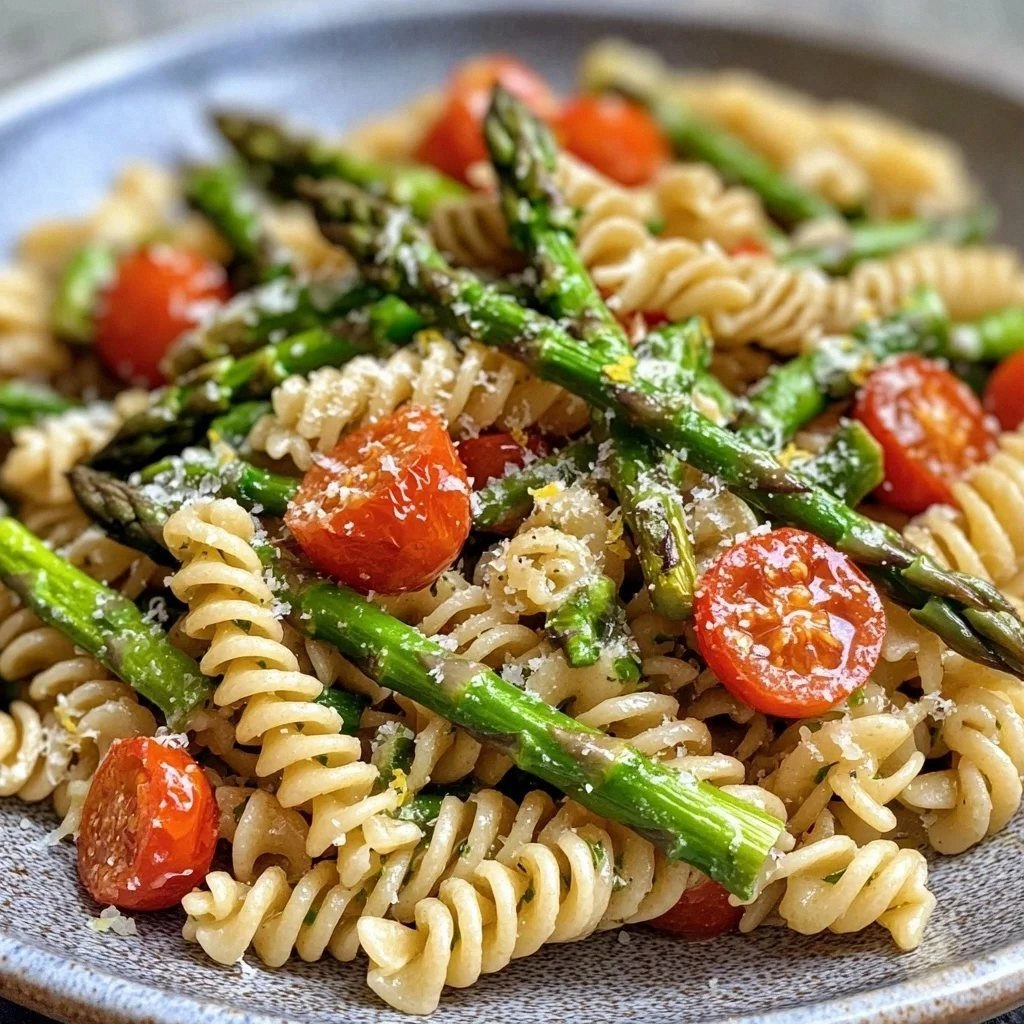
The Method — Step by Step
- Preheat your oven to 425°F (220°C). While it’s heating, wash the asparagus and trim the woody ends—about 1–2 inches from the bottom. The trimmed ends keep the spears uniform in size, ensuring even roasting. Place them on a baking sheet lined with parchment paper for easy cleanup.
- Drizzle the asparagus with 3 tbsp of olive oil, then season with salt and pepper to taste. Toss them gently so each spear is evenly coated. The oil not only prevents sticking but also carries the flavor of the lemon zest into the spears as they roast. Spread them out in a single layer to avoid steaming.
- Roast in the preheated oven for 20 minutes, shaking the pan halfway through. The spears should develop a golden crust on the edges, a sign that they’re caramelized. The timing may vary slightly based on the thickness of your asparagus; thicker spears may need an extra minute.
- While the asparagus is roasting, bring a large pot of salted water to a boil. Add 8 oz of your chosen pasta and cook according to package instructions, but stop 1 minute before al dente. This slight under‑cooking prevents the pasta from becoming mushy when it mixes with the buttery sauce.
- In a large skillet, melt 4 tbsp of butter over medium heat. Once melted, add the juice and zest of 1 lemon, stirring to combine. The butter will coat the pan, and the citrus will infuse the fat with bright, fresh flavor. Keep the heat low enough that the butter doesn’t brown.
- Add the roasted asparagus to the skillet and toss to coat in the lemon butter. The residual heat will keep the spears warm without overcooking them. If you’d like a slightly spicy kick, sprinkle a pinch of red pepper flakes at this point.
- Stir in 1/2 cup of halved cherry tomatoes. They’ll soften just enough to release juices, adding a sweet pop that balances the lemon’s acidity. The tomatoes also add a pop of color, making the dish visually stunning.
- Drain the pasta, reserving a splash of the cooking water. Toss the pasta into the skillet with the asparagus and butter sauce, adding a tablespoon of reserved pasta water to thin the sauce if needed. This step ensures every noodle is coated in the silky, citrus‑buttery mixture.
- Finish with 1/4 cup of grated Parmesan cheese, stirring until it melts into the sauce. The cheese adds a savory depth that elevates the dish from simple to sublime. Sprinkle extra Parmesan on top for an extra cheesy finish.
- Serve immediately, garnishing with fresh lemon wedges if desired. The dish is best enjoyed hot, when the butter is glossy and the asparagus edges are still crisp. The first bite should be a harmonious blend of buttery, citrusy, and slightly sweet flavors.
That’s it—you did it. But hold on, I’ve got a few more tricks that will take this to another level…
Insider Tricks for Flawless Results
The Temperature Rule Nobody Follows
Many cooks roast at a lower temperature, thinking it will cook the asparagus faster. The truth is, a high heat (425°F/220°C) caramelizes the sugars on the spears, giving them that coveted crisp edge. Keep the oven rack in the middle to ensure even heat distribution. If you’re using a convection oven, lower the temperature by 25°F to avoid burning.
Why Your Nose Knows Best
The moment the asparagus hits the pan, you’ll hear a satisfying sizzle. That sound is your cue that the oil is hot enough to start the Maillard reaction. If you hear a gentle hiss instead, the pan is too cold and the spears will steam rather than roast. This subtle difference can make or break the texture.
The 5-Minute Rest That Changes Everything
After you finish cooking, let the dish rest for 5 minutes before serving. This allows the butter sauce to thicken slightly and the flavors to meld. The rest also lets the pasta absorb any excess moisture, preventing it from becoming soggy. A quick pause turns a good dish into a great one.
The Secret to Perfect Pasta Texture
Stir the pasta in the skillet for a minute after draining. This helps the noodles absorb the butter sauce fully, preventing a dry center. If you prefer a lighter sauce, add a splash of pasta water earlier and let the noodles soak for a couple of minutes.
The Lemon Twist That Elevates the Dish
Instead of using just lemon juice, add a teaspoon of lemon zest to the sauce. The zest releases essential oils that give the sauce a bright, aromatic lift. If you’re a fan of tartness, squeeze in a few drops of white wine vinegar to deepen the citrus profile.
The Final Parmesan Pop
Grate the Parmesan right before serving to keep it from clumping. A small handful of fresh, grated cheese will melt into the sauce, creating a silky texture. If you’re vegan, sprinkle nutritional yeast for a similar cheesy flavor that’s dairy‑free.
Creative Twists and Variations
This recipe is a playground. Here are some of my favorite ways to switch things up:
Mediterranean Medley
Swap the cherry tomatoes for sun‑dried tomatoes and add kalamata olives for a briny kick. Finish with a drizzle of olive oil and a sprinkle of oregano. The olives add a savory depth that pairs beautifully with the citrus butter.
Protein Power
Add grilled chicken breast or shrimp to the skillet for a protein boost. The meat absorbs the lemon‑butter sauce, creating a hearty, satisfying meal. This variation turns a side dish into a full‑blown main course.
Pesto Boost
Stir in a tablespoon of basil pesto for an herbal twist. The pesto adds a green, nutty flavor that complements the lemon. It also thickens the sauce, giving the dish a richer mouthfeel.
Roasted Red Pepper Splash
Replace the cherry tomatoes with roasted red pepper strips for a smoky sweetness. The peppers soften during the roasting step, releasing their flavors into the butter. The result is a vibrant color contrast and a deeper taste profile.
Vegan Version
Use a plant‑based butter and nutritional yeast instead of Parmesan. The dish remains creamy and flavorful, with a slightly nutty finish. It’s a perfect plant‑based option that doesn’t sacrifice indulgence.
Winter Warmth
Add a handful of chopped kale or spinach to the skillet during the last minute of cooking. The greens wilt into the sauce, adding nutrients and a subtle earthiness. This twist makes the dish even more filling for colder months.
Storing and Bringing It Back to Life
Fridge Storage
Store leftovers in an airtight container for up to 3 days. Keep the sauce separate if possible to prevent the pasta from absorbing excess moisture. Reheat gently on the stovetop, stirring in a splash of water to revive the butter sauce.
Freezer Friendly
Freeze in a freezer‑safe container for up to 2 months. Thaw overnight in the fridge and reheat slowly on low heat, adding a little milk or broth to loosen the sauce. The asparagus may soften slightly, but the flavors remain intact.
Best Reheating Method
Reheat over low heat, stirring frequently to prevent sticking. Add a tiny splash of water before reheating—it steams back to perfection and restores the sauce’s silky texture. Finish with a sprinkle of fresh parsley for a burst of color.