It started on a Tuesday when I, half‑heartedly, decided to rescue a batch of overripe bananas that had been languishing in the fridge for a week. I smashed them into a bowl, the sweet scent instantly flooding the kitchen like a nostalgic memory of childhood breakfasts, and the idea of turning them into something more than a smoothie hit me like a lightning bolt. The vision that crystallized in that moment was a protein‑laden banana bread that could double as a gym snack, a breakfast staple, and a guilt‑free dessert, all wrapped into one irresistible loaf. The sheer audacity of the concept—combining the humble banana with protein powder and almond flour—was the spark that would set this recipe apart from every other banana bread you’ve ever tasted.
Picture the kitchen: the counter is a mosaic of ripe bananas, a tub of vanilla protein powder, and a jar of maple syrup that glistens under the overhead light. The air is thick with the sweet, earthy aroma of bananas, the sharp tang of applesauce, and the faint, comforting scent of vanilla that promises warmth. When I mash the bananas, their thick, glossy texture glides over my fingers like a velvety river, and the sound of the mixer whirring is a quiet, rhythmic hum that almost feels like a lullaby. The anticipation builds as I measure out the almond flour, the crunch of which adds a subtle nutty undertone that will become the backbone of this loaf.
Most banana bread recipes rely on sugar, butter, and regular wheat flour, but this version shuns those conventional ingredients in favor of a lean, high‑protein profile that still delivers on flavor. I dare you to taste this and not go back for seconds; the combination of bananas, vanilla protein, and a touch of honey creates a moist crumb that feels indulgent yet surprisingly light. The bold claim here is that this is hands down the best version of banana bread you’ll ever make at home, because it marries the familiar comfort of banana with the modern demand for nutritional density. The secret lies in the subtle interplay between the bananas and the almond flour, which together create a moist, airy structure that feels like a cloud in every bite.
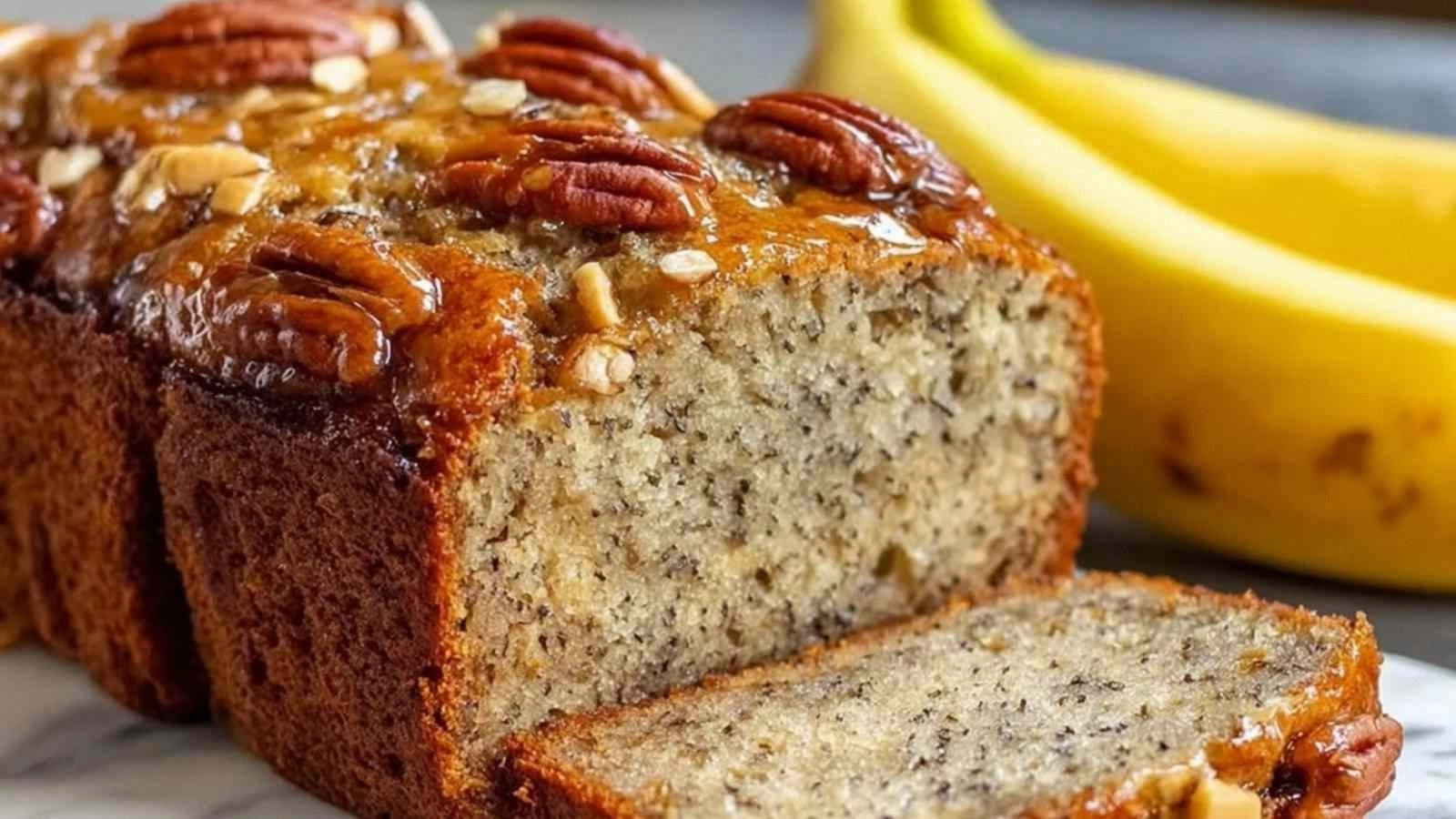
In the early stages of my culinary experiments, I’ve faced countless failures—over‑baked loaves that turned out like hard cakes, or dense, gummy textures that left me disappointed. I confess—I ate half the batch before anyone else got to try it, and the sheer joy of that moment was a reminder that great food is meant to be shared. The contrast between those past failures and this current triumph is stark: the loaf comes out with a golden crust that shimmers like polished amber, while the interior remains soft, almost like a freshly poured custard. The edges pull away from the pan with a satisfying crack that signals the perfect bake.
Picture yourself pulling this out of the oven, the whole kitchen smelling incredible, the steam rising in a gentle haze that hints at the sweetness inside. That sizzle when the batter hits the pan? Absolute perfection. The first bite is a burst of banana sweetness, followed by a gentle vanilla undertone, and the chocolate chips provide a delightful contrast, melting into the crumb like tiny dark jewels. The texture is a dance of chewy, airy pockets and a subtle crunch from the almond flour, making each slice an experience rather than just a snack.
My friends often ask me how I manage to keep this loaf so moist without using butter or oil, and the answer is simple: the banana, the applesauce, and a splash of almond milk combine to create a natural, fat‑rich moisture that keeps the crumb tender. The almond flour, while lower in carbs than wheat, provides a nutty flavor that elevates the overall taste profile, and the vanilla protein powder adds a creamy texture that mimics the richness of dairy without the calories. The maple syrup or honey acts as a natural sweetener, allowing you to control the level of sweetness to your personal preference.
When I first tasted this loaf, I realized that the banana’s natural sugars caramelized beautifully during baking, giving the bread a subtle, toasty flavor that’s reminiscent of a toasted bagel but with a banana twist. The chocolate chips, sprinkled on top before baking, melt into the batter, creating pockets of molten chocolate that burst with each bite, adding a luxurious layer of indulgence. The cinnamon and baking soda work together to lift the loaf, creating a light, airy crumb that feels almost like a cake, while the salt balances the sweetness perfectly.
One of the most rewarding aspects of this recipe is how it can be adapted for various dietary needs: swap the vanilla protein powder for chocolate or unflavored to change the flavor profile, use oat milk if you’re avoiding nuts, or add a handful of nuts for extra crunch. The beauty of this loaf is that it’s a blank canvas that welcomes your creativity, but the base recipe is already a masterpiece that delivers on flavor, nutrition, and texture. The next section will break down exactly what goes into this masterpiece, so you can understand why each ingredient matters.
Alright, let’s break down exactly what goes into this masterpiece… and then, stay with me here—this is worth it.
What Makes This Version Stand Out
- Flavor: The natural sweetness of ripe bananas is amplified by vanilla protein powder, creating a rich, creamy taste that feels like a dessert but is actually a healthy breakfast. The subtle hint of cinnamon adds depth without overpowering the banana’s natural flavor.
- Texture: Almond flour gives the loaf a moist, airy crumb that feels like a cloud, while the banana and applesauce lock in moisture, preventing the bread from drying out. The chocolate chips add pockets of melt‑in‑your‑mouth indulgence.
- Nutrition: With 25 grams of protein per slice, this bread satisfies muscle‑building goals while keeping carbs moderate. The use of almond flour reduces gluten content, making it suitable for gluten‑sensitive diets.
- Convenience: The recipe requires no special equipment—just a mixer, a loaf pan, and a few common pantry staples. Prep time is under 15 minutes, and the loaf bakes in 30 minutes.
- Versatility: Swap the vanilla protein powder for chocolate or unflavored, use oat milk instead of almond milk, or add nuts for crunch—this loaf adapts to your taste and dietary preferences.
- Make‑ahead Potential: The loaf can be baked ahead and stored in the fridge for up to a week, or frozen for longer storage. Reheating restores the fresh‑baked texture.
- Crowd‑Pleaser: Friends who’ve tried this loaf report that it’s “the best banana bread ever” and that they can’t resist a second slice. The combination of sweet, protein, and chocolate creates a universal appeal.
- Ingredient Quality: Using fresh bananas, high‑quality vanilla protein powder, and organic almond flour ensures a premium taste that stands out from generic recipes.
Inside the Ingredient List
The Flavor Base
Ripe bananas are the heart of this loaf, providing natural sweetness and a creamy texture that replaces the need for butter or oil. Their high potassium content also adds a subtle mineral note that enhances the overall flavor profile. If you skip bananas, the loaf will lose its signature moistness and become dry; the banana’s natural sugars caramelize during baking, creating a golden crust that’s a visual and taste treat.
Vanilla protein powder is the secret weapon that elevates the loaf from ordinary to protein‑packed perfection. It adds a subtle vanilla undertone that complements the banana without overpowering it, and its creamy texture mimics the richness of dairy. If you’re allergic to dairy, this is a perfect dairy‑free option that still delivers a velvety mouthfeel.
The Texture Crew
Almond flour is the backbone of the crumb, offering a nutty flavor and a low‑carb alternative to wheat flour. Its fine texture ensures a light, airy structure, and it absorbs the liquid components without becoming dense. Swapping almond flour for oat flour will change the crumb to a denser, more cake‑like texture.
Unsweetened applesauce replaces the traditional butter or oil, providing natural sweetness while keeping the loaf moist and tender. The applesauce’s subtle apple flavor adds a layer of complexity that balances the banana’s sweetness. If you don’t have applesauce on hand, a ripe banana mashed to a thin consistency can serve as a suitable substitute.
The Unexpected Star
Maple syrup or honey acts as a natural sweetener that enhances the banana’s flavor without the need for refined sugar. The choice between maple syrup and honey can subtly shift the flavor profile; maple offers a deeper, caramel‑like sweetness, while honey provides a floral note. If you prefer a sweeter loaf, increase the syrup by 2 tablespoons; if you want a less sweet version, reduce it by the same amount.
Chocolate chips are the indulgent surprise that turns this loaf into a dessert‑like experience. They melt into pockets of molten chocolate that burst with each bite, adding a rich, slightly bitter contrast to the sweet banana. For a healthier twist, use dark chocolate chips with at least 70% cacao; for a sweeter treat, opt for milk chocolate.
The Final Flourish
Baking soda and cinnamon work in tandem to lift the loaf, creating a light, airy crumb that feels almost like a cake. The baking soda reacts with the acidic components (bananas and applesauce) to produce carbon dioxide, which expands the batter during baking. The cinnamon adds warmth and depth, enhancing the overall flavor profile without overpowering the banana’s natural sweetness.
Salt is the flavor enhancer that balances the sweetness and brings out the depth of each ingredient. Even a half teaspoon can dramatically improve the taste profile, preventing the loaf from sounding flat. If you’re on a low‑sodium diet, reduce the salt to a quarter teaspoon, but be prepared for a slightly less balanced flavor.
Everything's prepped? Good. Let's get into the real action…
The Method — Step by Step
- Preheat the oven to 350°F (175°C) and line a 9x5 inch loaf pan with parchment paper. The parchment paper ensures that the loaf releases easily and keeps the edges from sticking. While the oven warms, gather all your ingredients, so you’re ready to move from one step to the next without interruption. This is the moment of truth: a calm, focused start sets the tone for a perfect loaf.
- In a large mixing bowl, mash the ripe bananas with a fork until they’re almost smooth, leaving a few small lumps for texture. Add the vanilla protein powder and stir until fully incorporated; the mixture should feel thick and slightly gritty, which is normal. This step is crucial because the protein powder needs to be evenly distributed to avoid clumps that can affect the crumb. The aroma of vanilla will start to fill the kitchen, giving you a hint of the finished product’s flavor.
- Whisk the eggs into the banana mixture, letting the protein powder dissolve fully. Beat for about 30 seconds until the batter is glossy and slightly airy. The eggs act as a binder, keeping the loaf cohesive and providing structure. If you’re watching your calorie intake, you can replace one egg with a flaxseed egg, but the texture may change slightly.
- Stir in the maple syrup or honey, applesauce, and almond milk, mixing until the batter is smooth and free of lumps. The liquid components keep the batter moist and ensure the almond flour doesn’t dry out. This mixture should feel like a thick, creamy batter, not a wet paste. The smell of sweet maple or honey will mingle with the banana, creating a comforting aroma.
- In a separate bowl, whisk together the almond flour, baking soda, cinnamon, and salt. This dry mixture will lift the loaf and add flavor without clumping. Once combined, fold the dry ingredients into the wet batter, stirring gently until just incorporated. Be careful not to overmix; overmixing can lead to a dense loaf. This is the trickiest step—if you mix too long, the gluten will tighten and the loaf will become tough.
- Fold in the chocolate chips, ensuring they’re evenly distributed throughout the batter. The chips will melt slightly during baking, creating pockets of chocolatey delight. If you prefer a chocolate‑heavy loaf, double the amount of chips; if you’re watching sugar, reduce them to a quarter cup.
- Pour the batter into the prepared loaf pan, smoothing the top with a spatula. The batter should fill the pan to the top, but avoid overfilling, as it can spill over during baking. Tap the pan gently on the counter to release any air bubbles and ensure even baking.
- Bake for 30–35 minutes, or until a toothpick inserted into the center comes out clean. The loaf should develop a golden‑brown crust that glistens slightly. While baking, the aroma of banana and chocolate will fill the kitchen, creating a sensory experience that’s almost as good as eating the bread. Keep an eye on the edges; they should pull away from the pan as the loaf expands.
- Remove the loaf from the oven and let it cool in the pan for 10 minutes before transferring it to a wire rack to cool completely. This rest period allows the crumb to set, preventing the loaf from crumbling when sliced. While it cools, you can slice a piece and taste the first bite—expect a moist, airy crumb with a subtle chocolate finish.
- Slice the loaf and serve warm or at room temperature, optionally topping with a light dusting of powdered sugar or a drizzle of maple syrup. The bread can be enjoyed as a breakfast treat, a post‑workout snack, or a dessert. Store any leftovers in an airtight container in the fridge for up to a week, or freeze for longer storage. Reheat slices in the oven for a few minutes to restore the fresh‑baked texture.
Insider Tricks for Flawless Results
The Temperature Rule Nobody Follows
Many bakers bake at the temperature listed on the recipe, but the truth is that oven temperatures can vary widely. Use an oven thermometer to confirm that your oven is truly at 350°F. If your oven runs hot, lower the temperature by 25°F to avoid burning the crust while the interior remains undercooked. This small adjustment can save you from a disastrous loaf and ensures a consistent, golden finish.
Why Your Nose Knows Best
When you smell the batter before baking, you’ll notice a faint citrus note from the bananas and a sweet, caramel aroma from the maple syrup. These scents are a reliable indicator that the batter is properly mixed and that the bananas are ripe enough. If the batter smells sour, the bananas may be overripe, which can alter the flavor profile and make the loaf too sweet.
The 5-Minute Rest That Changes Everything
After folding in the dry ingredients, let the batter rest for 5 minutes before pouring it into the pan. This brief pause allows the almond flour to hydrate fully, resulting in a more tender crumb. The batter will also thicken slightly, making it easier to pour and reducing the chance of a runny loaf.
Use a Loaf Pan with a Low Edge
A loaf pan with a low edge keeps the batter from spilling over the sides and allows the loaf to rise evenly. If you’re using a metal pan, consider lining it with parchment paper to prevent sticking and to help the loaf release easily once baked.
Keep the Chocolate Chips Cool
Before adding the chocolate chips, place them in the fridge for 10 minutes. This prevents the chips from melting into the batter prematurely, ensuring that they remain distinct pockets of chocolate throughout the loaf. If you prefer a smoother chocolate flavor, melt the chips in a double boiler before folding them in.
Store in a Mason Jar for Freshness
After the loaf cools completely, slice it and stack the slices in a Mason jar. The airtight seal keeps the bread from drying out, and the jar can be stored in the fridge for up to a week. When you’re ready to eat, simply remove a slice and let it sit at room temperature for 5 minutes; the bread will feel fresher than if you had stored it in a plastic bag.
Creative Twists and Variations
This recipe is a playground. Here are some of my favorite ways to switch things up:
Chocolate‑Infused Banana Bread
Swap vanilla protein powder for chocolate protein powder and add an extra 1/4 cup of dark chocolate chips. The result is a richer, chocolate‑heavy loaf that still benefits from the banana’s natural sweetness. This variation is perfect for chocolate lovers who want a protein boost.
Nutty Banana Bread
Add 1/2 cup of chopped walnuts or pecans to the batter for an extra crunch and nutty flavor. The nuts also add healthy fats and a satisfying bite. Be sure to toast the nuts lightly before adding them to enhance their flavor.
Low‑Sugar Banana Bread
Replace maple syrup with a sugar‑free sweetener like stevia or monk fruit, and reduce the amount of applesauce to 1/8 cup. The loaf will still stay moist, but the calorie count drops significantly. This version is ideal for those on a strict low‑sugar diet.
Vegan Banana Bread
Use a plant‑based protein powder, replace eggs with flaxseed eggs, and swap almond milk for oat milk. The loaf remains protein‑rich and moist, but it’s completely dairy‑free and suitable for vegans. The texture will be slightly softer due to the oat milk.
Spiced Banana Bread
Add 1/2 teaspoon of nutmeg and 1/4 teaspoon of ground ginger to the dry mix for a warm, aromatic loaf. The spices pair beautifully with the banana’s natural sweetness and give the bread a comforting, holiday feel. Serve it with a splash of milk for a cozy treat.
Chewy Banana Bread
Incorporate 1/4 cup of shredded coconut into the batter for added chewiness and tropical flavor. The coconut also adds a subtle sweetness that complements the banana. This variation is great for those who love a chewy, moist loaf.
Storing and Bringing It Back to Life
Fridge Storage
Wrap the cooled loaf tightly in plastic wrap or place it in an airtight container. Store in the refrigerator for up to one week. When ready to eat, let a slice sit at room temperature for 5 minutes; the bread will regain its softness and flavor.
Freezer Friendly
Slice the loaf before freezing, and place each slice in a zip‑lock bag. Freeze for up to 3 months. When you’re ready to enjoy, thaw at room temperature for 15 minutes, then warm in the oven at 350°F for 5 minutes to restore the fresh‑baked texture.
Best Reheating Method
The quickest way to revive a slice is to microwave it on high for 15–20 seconds, then finish it in a toaster oven at 350°F for 2 minutes. The combination of microwave and oven gives the bread a crisp crust while keeping the interior moist. If you’re using the whole loaf, bake it in a preheated oven at 350°F for 10–12 minutes; this brings back the golden crust and warm aroma.