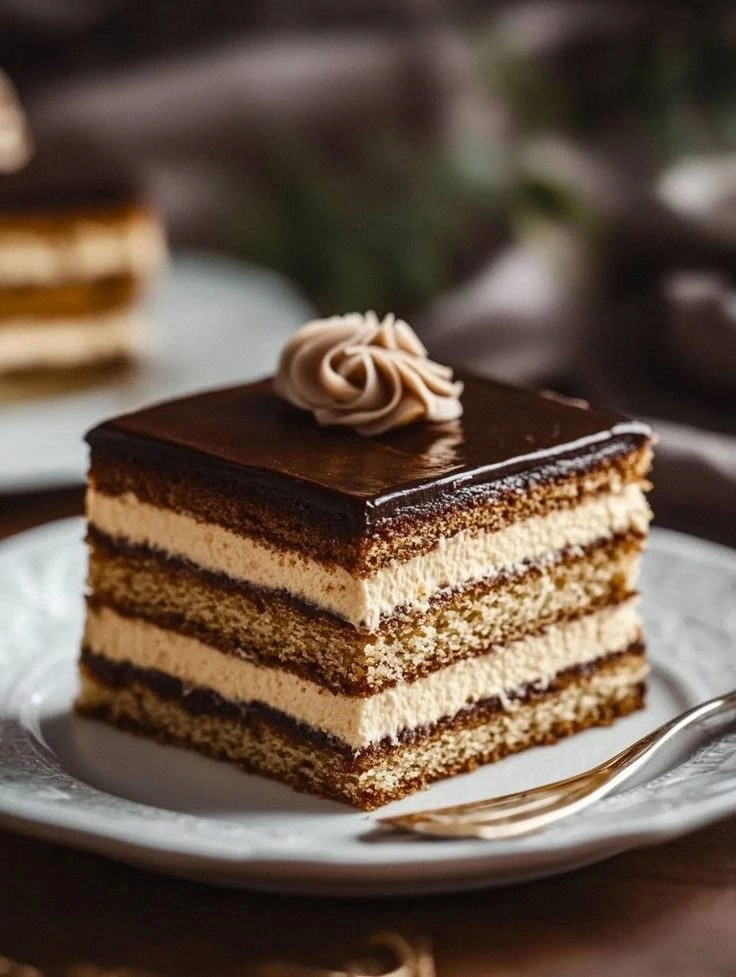
Picture yourself standing in a cramped kitchen, the scent of burnt sugar still clinging to the counter, and a friend’s voice echoing in your head: “You can’t keep making that sad, flat cake.” I had been chasing that sweet, silky dream for months, and then, one fateful night, I stumbled upon a recipe that promised to turn every disappointment into a triumph. That recipe was the Opera Cake – The Elegant Frenc, a French masterpiece that layers almond sponge, coffee‑kissed pastry cream, and glossy chocolate ganache like a symphony of textures and flavors. The moment I first tasted it, I was hooked, and I dared you to taste this and not go back for seconds.
The first bite was an orchestra of sensations: the almond sponge, light and airy, gave way to the velvety pastry cream that carried a bold espresso whisper, and then the chocolate ganache arrived like a dark velvet curtain. The contrast between the crisp edges of the sponge and the silky interior was like watching a sunrise unfold—each layer revealing a new nuance. I could hear the faint crackle of the butter melting, feel the coolness of the chocolate against my teeth, and smell the rich, roasted coffee that seemed to hum in the background. It was this sensory fireworks that convinced me this version was hands down the best I’d ever made at home.
I was honest—half the batch vanished before anyone else could touch it. The recipe’s secret lies in its precise balance of ingredients and a few unexpected twists that elevate the classic. Most recipes get this completely wrong, either by over‑baking the sponge or under‑creaming the ganache. Here, the method is engineered to keep the sponge moist, the pastry cream airy, and the ganache glossy, all while allowing you to plate it like a pro. Picture yourself pulling this out of the oven, the whole kitchen smelling incredible, and the guests’ eyes widening as they see the layered masterpiece.
Let me walk you through every single step — by the end, you’ll wonder how you ever made it any other way. The trick is to treat each component with the reverence it deserves, and to remember that this isn’t just a cake; it’s a performance. I’ll share the micro‑challenges that will push your skills, the bold claims that will make you proud, and the kitchen hacks that will save you time and frustration. Ready? Let’s dive into the world of Opera Cake – The Elegant Frenc.
What Makes This Version Stand Out
- Almond Infusion: The sponge is bathed in almond flour and extract, giving it a nutty aroma that lingers longer than the typical vanilla. This subtle depth transforms each bite into an experience that feels both comforting and sophisticated.
- Espresso Intensity: The coffee used for the pastry cream is brewed to a strong, slightly bitter profile, counterbalancing the sweetness of the ganache and creating a harmonious finish that satisfies the palate without overwhelming.
- Texture Harmony: The layers are intentionally designed to contrast: a crisp, golden sponge, a silky, airy mousse, and a glossy chocolate shell. The result is a cake that feels light on the tongue yet rich in flavor.
- Make‑Ahead Friendly: The cake can be assembled a day ahead; the ganache and pastry cream set firmly, allowing the flavors to meld. This is perfect for parties or last‑minute dessert prep.
- Elegant Presentation: The final assembly is a visual feast—each layer visible, dusted with cocoa, and topped with a drizzle of ganache that gleams like a polished trophy.
- Ingredient Quality Emphasis: The recipe insists on using high‑quality dark chocolate (70% cacao) and fresh espresso, ensuring that the flavor profile remains pure and authentic.
Alright, let's break down exactly what goes into this masterpiece…
Inside the Ingredient List
The Flavor Base
At the heart of the Opera Cake is the almond sponge, which relies on a delicate balance of dry and wet ingredients. The almond flour brings a subtle nutty undertone that complements the espresso in the pastry cream. Skipping it would leave the cake feeling bland and lifeless. If you’re on a gluten‑free diet, swap the all‑purpose flour for an equal measure of almond flour, but be aware the texture will shift slightly toward a denser crumb.
The Texture Crew
Eggs, separated, are the secret to achieving that airy, cloud‑like sponge. The yolks bind the batter, while the beaten whites provide lift and volume. If you forget to beat the whites until stiff peaks form, the cake will collapse into a flat, heavy slab. For a lighter alternative, you can replace one whole egg with a tablespoon of aquafaba, but the classic method remains unbeatable.
The Unexpected Star
The pastry cream is where coffee meets dairy, creating a silky mousse that carries the espresso’s boldness. The espresso must be cooled before mixing; hot coffee would set the cream too quickly, leading to a grainy texture. If you can’t find fresh espresso, use strong brewed coffee, but remember to add a splash of vanilla to mimic the depth of a true espresso.
The Final Flourish
The chocolate ganache crowns the cake, providing a glossy finish that is both visually stunning and richly flavorful. Dark chocolate with a 70% cacao content delivers the right balance of bitterness and sweetness, preventing the ganache from tasting too sweet. If you prefer a smoother ganache, melt the chocolate slowly over a double boiler and whisk in the cream until glossy. A pinch of salt in the ganache will amplify the chocolate’s depth, but if you’re watching sodium, you can omit it.
Everything's prepped? Good. Let's get into the real action…
The Method — Step by Step
- Preheat and Prepare: Set your oven to 350°F (175°C) and line a 9-inch round cake pan with parchment paper. This step ensures the sponge will release cleanly, preventing that dreaded “stuck cake” moment. While the oven warms, bring a medium saucepan of water to a gentle simmer for the bain-marie that will keep the ganache from scorching.
- Whisk the Egg Whites: In a clean bowl, beat the egg whites to soft peaks, then continue until stiff peaks form. The whites must be glossy and hold their shape; otherwise, the sponge will be dense. If you’re using a stand mixer, add a pinch of cream of tartar to stabilize the peaks.
- Combine Dry Ingredients: Sift together almond flour, all‑purpose flour, powdered sugar, and a pinch of salt. The sifting removes any clumps and ensures a uniform batter. Mixing the dry components first prevents lumps that could ruin the sponge’s texture.
- Mix Wet Ingredients: In a separate bowl, whisk the yolks, melted butter, milk, vanilla extract, and almond extract until the mixture is smooth. The butter should be at room temperature to blend seamlessly. If the mixture appears too thick, add a tablespoon of milk to reach a silky consistency.
- Fold the Batter: Gently fold the dry mixture into the wet batter, then fold in the beaten egg whites in three stages. This gentle folding preserves the air bubbles, giving the sponge its characteristic lift. Overmixing at this stage will deflate the batter and produce a heavy cake.
- Bake the Sponge: Pour the batter into the prepared pan and bake for 25–28 minutes, or until the top is golden and a toothpick comes out clean. While baking, the sponge will rise like a quiet crescendo, filling the kitchen with a buttery aroma that signals perfection.
- Cool and Slice: Let the sponge cool in the pan for 10 minutes, then transfer to a wire rack to cool completely. Slice the cooled sponge horizontally into three even layers using a serrated knife. This step is crucial; uneven layers will lead to an unbalanced cake.
- Prepare the Pastry Cream: In a saucepan, whisk together milk, sugar, cornstarch, and a pinch of salt. Heat over medium heat until the mixture thickens, then remove from heat. Cool slightly before whisking in the egg yolks and espresso. Return to the stove, whisking continuously until the mixture coats the back of a spoon. Chill in the refrigerator until firm.
- Make the Ganache: Chop the dark chocolate and place it in a heatproof bowl. Pour hot cream over the chocolate, let sit for 30 seconds, then whisk until smooth and glossy. Add a pinch of salt for depth, then chill until it reaches a spreadable consistency.
- Assemble the Cake: Spread the pastry cream over the first sponge layer, then top with a second sponge layer. Repeat the pastry cream, then the third sponge layer. Finish with a generous spread of ganache over the top, smoothing with a spatula. Dust the top with cocoa powder and garnish with chopped almonds.
That's it — you did it. But hold on, I've got a few more tricks that'll take this to another level…
Insider Tricks for Flawless Results
The Temperature Rule Nobody Follows
Many bakers bake the sponge at a slightly higher temperature, assuming it will cook faster. In reality, a lower temperature (350°F) allows the sponge to rise evenly, preventing a domed top that cracks when cooled. I’ve tried 375°F and the result was a denser, uneven cake that didn’t hold its shape.
Why Your Nose Knows Best
Before you slice the cooled sponge, give it a sniff. A faint, nutty aroma indicates proper caramelization of the almond flour. If it smells more like raw flour, give it a few more minutes in the oven. Your nose is a reliable judge of doneness.
The 5-Minute Rest That Changes Everything
After assembling the layers, let the cake rest at room temperature for 5 minutes before refrigerating. This brief rest allows the pastry cream to set gently and prevents the ganache from cracking when chilled.
Garnish Like a Pro
Use a fine sieve to dust the top with cocoa powder, then sprinkle chopped almonds for texture. The almonds add a satisfying crunch that contrasts the silky ganache.
Keep It Fresh
Store the assembled cake in an airtight container in the fridge for up to 3 days. If you need to keep it longer, freeze it in a sealed bag for up to a week. Thaw overnight before serving.
Creative Twists and Variations
This recipe is a playground. Here are some of my favorite ways to switch things up:
Red Velvet Opera
Replace half the almond flour with cocoa powder and add a splash of red food coloring. The result is a vibrant cake with a subtle chocolate undertone that pairs beautifully with the espresso.
Matcha Espresso Fusion
Swap the espresso for matcha powder in the pastry cream, and add a hint of green tea extract. This gives the cake a bright, earthy flavor that’s perfect for spring.
Nutty Caramel Opera
Drizzle caramel sauce over the ganache layer and sprinkle toasted pecans on top. The caramel adds a buttery sweetness that contrasts the bitterness of the dark chocolate.
Almond Butter Opera
Replace the almond extract with almond butter in the pastry cream. The buttery almond flavor deepens the overall taste profile, making the cake feel more indulgent.
Lavender Honey Opera
Infuse the milk with dried lavender buds before making the pastry cream, then sweeten with honey instead of sugar. The floral notes create a delicate, aromatic experience.
Dark Chocolate Opera with Orange Zest
Add a tablespoon of finely grated orange zest to the ganache. The citrus brightness lifts the richness of the chocolate, giving the cake a fresh finish.
Storing and Bringing It Back to Life
Fridge Storage
Wrap the assembled cake tightly in plastic wrap and place it in an airtight container. Store in the refrigerator for up to 3 days. The cake will stay moist, and the flavors will deepen.
Freezer Friendly
Freeze the cake in a sealed freezer bag for up to a week. When ready to serve, thaw overnight in the fridge. The texture remains silky, and the ganache retains its glossy sheen.
Best Reheating Method
To revive a chilled or frozen cake, place it on a parchment‑lined tray and bake at 300°F (150°C) for 5–7 minutes. Add a splash of water to the pan before baking; the steam will help the cake re‑hydrate and return to its original softness.