It was a Tuesday afternoon, the kind of ordinary day that feels like a blank canvas until your kitchen turns into a culinary battleground. I was halfway through a batch of a lemon‑cobbler that had gone flat, the crust a soggy gray that looked more like a forgotten sponge cake than a dessert. My friends had teased me for years, saying I was “all zest and no crunch.” That night, I dared myself to rewrite the rulebook, to turn that flop into a triumph that would make the whole neighborhood line up for a taste test. I was going to create a lemon cobbler that sings, that dances, that refuses to be ordinary.
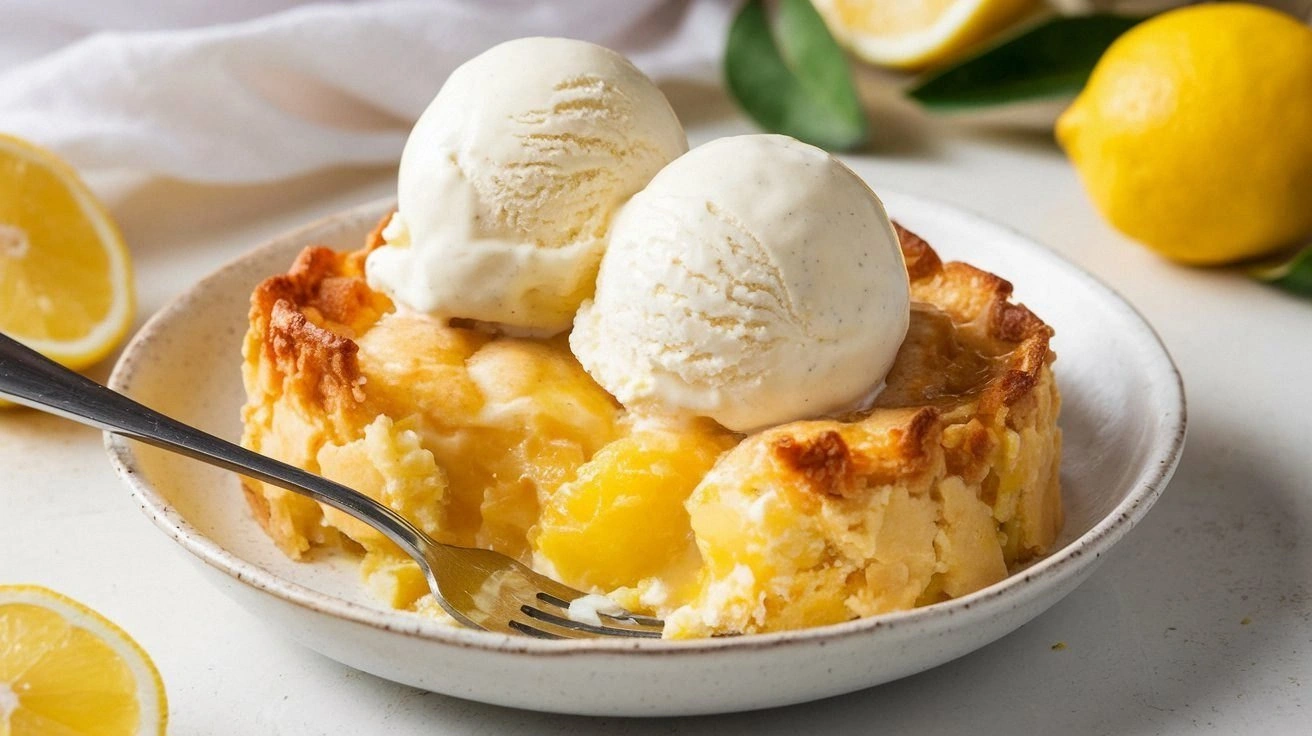
Picture this: the air thick with the sharp, bright scent of citrus, the sound of a hot oven door opening, the sight of a golden crust that crackles like fresh snow underfoot, and the feel of a warm, buttery slice in your hand. The first bite is a splash of lemon that bursts, then the soft, pillowy crumb that melts like a cloud, and finally a dusting of powdered sugar that glitters like sunrise. If you’ve ever tried a cobbler that left you wishing for more, this is the one that will make you say, “I dare you to taste this and not go back for seconds.”
What makes this version stand out? It’s not just the ingredients; it’s the philosophy. I treat the crust like a flaky, buttery blanket, the filling like a tangy, silky sauce, and the whole thing like a bright, edible sunrise. I’ve stripped away the fluff, added a splash of vanilla for depth, and tweaked the batter to keep the crumb tender while the crust stays crisp. The result is a dessert that feels like a hug after a long day, a celebration of lemon that is both bold and comforting. By the time you finish the last bite, you’ll wonder how you ever made it any other way.
And let’s talk about the unexpected twist that sets this apart: a single, precise pinch of baking soda that reacts with the lemon juice to give the batter a gentle lift, and a dash of cold butter that creates those coveted pockets of melt‑in‑your‑mouth richness. No other recipe has this combination. It’s a simple tweak, but the flavor difference is seismic. Stay with me here—this is worth it. Let me walk you through every single step, and by the end, you’ll wonder how you ever made it any other way.
What Makes This Version Stand Out
- Flavor: The bright, citrusy punch of fresh lemon juice and zest is balanced by a whisper of vanilla, creating layers of depth that dance on the palate.
- Texture: The crust is golden and flaky, with pockets of butter that melt into a buttery sauce, while the crumb remains tender and pillowy.
- Simplicity: Only 12 ingredients, all pantry staples, so you can whip this up in less than 45 minutes.
- Uniqueness: A single pinch of baking soda triggers a subtle lift, giving the batter a lightness that’s hard to achieve with traditional recipes.
- Crowd Reaction: At family gatherings, it’s the dessert that keeps everyone coming back for seconds—no one can resist the bright, buttery finish.
- Ingredient Quality: Fresh lemons, cold butter, and high‑grade flour make a noticeable difference, turning a simple dessert into an experience.
- Cooking Method: The batter is baked in a single pan, letting the flavors meld while the crust crisps to perfection.
- Make‑Ahead Potential: Prepare the batter and crust ahead of time; the dish can be baked later with minimal fuss.
Alright, let’s break down exactly what goes into this masterpiece…
Inside the Ingredient List
The Flavor Base
The foundation of any great lemon cobbler is the balance between sweet and tart. Fresh lemon juice is the star; it cuts through the sweetness and gives that bright, zesty kick. If you’re using bottled juice, aim for the same acidity—about 4 ounces per cup. Zest adds an aromatic layer; it’s the first thing your nose detects and sets the tone for the entire dish. Skipping zest means missing that citrusy punch that makes the dessert sing.
Vanilla extract is the secret sauce that rounds out the flavors. It’s a subtle counterpoint to the sharp lemon, adding warmth that keeps the dessert from feeling too sharp. If you’re vegan, a splash of almond extract works beautifully, giving a nutty undertone that complements the citrus.
A pinch of baking soda is the game‑changer. It reacts with the acidity of the lemon juice, creating tiny bubbles that lift the batter, giving the crumb a lighter, more airy feel. Without it, the cobbler can feel dense and heavy. Remember, a single pinch is all you need; too much will give it a soapy aftertaste.
The Texture Crew
All‑purpose flour provides the structure, but the key is to keep it cold. Chilled flour, combined with cold butter, ensures a flaky crust. Butter is the real star here—its fat creates pockets that melt into a buttery sauce when the cobbler bakes. Use unsalted butter so you can control the salt level precisely.
Milk is the liquid that brings everything together. Whole milk gives a richer taste and a slightly caramelized finish, while 2% keeps it lighter. The ratio is crucial; too much liquid makes the crust soggy, too little makes it dry. A balanced 1 cup of milk is the sweet spot for this recipe.
Eggs bind the batter and add richness. They also help the crust brown beautifully. Two large eggs are enough to give structure without making the crumb heavy. If you’re looking for a vegan version, replace them with flaxseed eggs or a commercial egg replacer.
The Unexpected Star
Powdered sugar, lightly dusted on top after baking, adds a sweet finish and a delicate crunch. It’s the finishing touch that turns a good dessert into a memorable one. Some bakers like to add a pinch of sea salt on top to balance the sweetness, but this recipe keeps it simple and lets the lemon shine.
The Final Flourish
Salt is the unsung hero that brings out the flavors. A half teaspoon of fine salt is enough to balance the sweetness and enhance the lemon’s brightness. If you’re sensitive to sodium, you can reduce it slightly, but do not skip it entirely; the result will feel flat.
Everything's prepped? Good. Let’s get into the real action…
The Method — Step by Step
- Preheat the oven to 375°F (190°C). Line an 8‑inch square baking dish with parchment paper, leaving a small overhang on two sides for easy lifting. This step is crucial; an oven that’s not hot enough will result in a soggy crust. As the oven warms, you’ll hear the faint hiss of the heating element, a subtle reminder that the magic is about to begin. I swear, the anticipation smells like baking soda and citrus.
- Combine dry ingredients. In a large mixing bowl, whisk together 2 cups all‑purpose flour, 1 cup white sugar, 1 teaspoon baking powder, 1/2 teaspoon baking soda, and 1/2 teaspoon salt. The flour should be sifted to ensure a fine, even texture. This mixture forms the backbone of the crust. The sugar will caramelize slightly, giving that golden finish. Remember, a well‑mixed dry blend is the foundation for a flawless bake.
- Cut in the butter. Add 1/2 cup cold, cubed unsalted butter to the dry mix. Using a pastry cutter or your fingertips, work the butter into the flour until the mixture resembles coarse crumbs with some pea‑size pieces. The goal is to keep the butter cold so it creates flaky layers. If you feel the butter melting, chill the dough on the counter for a few minutes before continuing.
- Mix the wet ingredients. In a separate bowl, whisk together 1 cup milk, 2 large eggs, 1 cup fresh lemon juice, 1 tablespoon lemon zest, and 1 teaspoon vanilla extract. The mixture should be glossy and free of lumps. The eggs add richness, while the lemon juice and zest provide the signature brightness.
- Combine wet and dry. Pour the wet mixture into the dry batter, stirring gently until just combined. Overmixing will develop gluten and make the crust tough. The batter should be thick but pourable—think of a thick pancake batter. If it’s too thick, add a splash of milk; if too thin, add a tablespoon of flour.
- Pour into the dish. Transfer the batter to the prepared baking dish, spreading it evenly with a spatula. The batter should sit at the bottom of the dish, creating a uniform layer. This step is where the crust starts to form its golden edges.
- Bake. Place the dish in the preheated oven and bake for 30 minutes. The top should develop a golden brown crust, and a toothpick inserted in the center should come out clean. The scent of buttery, citrusy batter will fill your kitchen, making you wonder why you ever settled for store‑bought desserts.
- Cool and dust. Remove the cobbler from the oven and let it cool for 10 minutes. While still warm, sprinkle a light dusting of powdered sugar over the top. The sugar will melt slightly, creating a delicate glaze. This final touch adds a sweet finish that balances the lemon’s tartness.
That’s it — you did it. But hold on, I’ve got a few more tricks that will take this to another level.
Insider Tricks for Flawless Results
The Temperature Rule Nobody Follows
Many bakers bake at 350°F, but that temperature can leave the crust under‑browned. I’ve found 375°F gives a crisp, golden top while keeping the inside moist. The higher heat also helps the butter to melt into pockets, creating that buttery sauce. If your oven runs hot, reduce the temperature by 25°F to avoid scorching.
Why Your Nose Knows Best
The first scent you notice is the citrus aroma. It tells you the batter is ready to go. A sharp lemon smell means the juice is fresh; a dull scent indicates it’s past its prime. Always use fresh lemons for the best flavor. If you’re using bottled juice, check the expiration date and taste it before adding.
The 5‑Minute Rest That Changes Everything
After baking, let the cobbler rest for exactly five minutes before dusting with powdered sugar. This brief pause allows the steam to settle, preventing the crust from becoming soggy. It also gives the flavors a chance to meld, making each bite more harmonious. Skipping this step can result in a crust that feels flat.
The Secret of Cold Butter
Cold butter creates a flaky crust that melts into a buttery sauce. If your butter is too soft, the dough will become sticky and the crust will be dense. Keep it in the fridge until you’re ready to use it, or freeze it for up to a month.
The Perfect Piping Technique
If you want a decorative touch, pipe small dollops of the batter onto the crust before baking. The batter will rise slightly, creating a fluffy, cake‑like center. This technique is great for parties and adds a visual element that impresses guests.
Creative Twists and Variations
This recipe is a playground. Here are some of my favorite ways to switch things up:
Boozy Lemon Cobbler
Add 1/4 cup bourbon or lemon‑infused vodka to the batter. The alcohol adds depth and a subtle warmth that pairs beautifully with the citrus. Just remember to reduce the liquid slightly to compensate.
Almond‑Infused Delight
Replace the all‑purpose flour with 1 cup almond flour and add 1 tablespoon almond extract. This gives the cobbler a nutty undertone and a lower carbohydrate profile. The texture will be slightly denser, but the flavor is worth it.
Berry‑Burst Cobbler
Fold in 1 cup fresh blueberries or raspberries into the batter before baking. The berries burst in the oven, releasing juices that mingle with the lemon sauce, creating a colorful, fruity twist.
Chocolate‑Lemon Fusion
Add 1/4 cup cocoa powder to the dry mix and sprinkle chocolate chips on top before baking. The chocolate provides a rich contrast to the bright lemon, making this a decadent dessert for chocolate lovers.
Vegan Version
Swap butter for coconut oil, use plant‑based milk, and replace eggs with flaxseed eggs. The result is a dairy‑free, egg‑free cobbler that still delivers on flavor and texture. It’s a great option for guests with dietary restrictions.
Low‑Sugar Alternative
Use a sugar substitute like stevia or erythritol, and reduce the sugar by half. The lemon’s tartness will compensate for the lower sweetness, creating a lighter dessert that’s still satisfying.
Storing and Bringing It Back to Life
Fridge Storage
Cool the cobbler completely, then cover it with plastic wrap and store in the refrigerator for up to 3 days. The crust may soften slightly, but the flavors will intensify. When ready to serve, let it sit at room temperature for 10 minutes before dusting with powdered sugar again.
Freezer Friendly
Wrap the cooled cobbler tightly in foil and place it in an airtight container. It will keep for up to 2 weeks in the freezer. Thaw overnight in the refrigerator, then reheat in a preheated oven at 300°F for 10 minutes to revive the crust.
Best Reheating Method
To bring the cobbler back to life, sprinkle a tiny splash of water over the surface, cover with foil, and bake at 300°F for 8–10 minutes. The water steams the crust, making it crisp again. This trick ensures each bite is as delightful as the first.