I’ll be honest — the first time I tried to make a “creamy baked mashed potato” I ended up with a soggy, sad‑looking casserole that tasted like boiled potatoes with a hint of butter. I was on a dare from a friend who claimed that no one could ever make a mashed potato that stayed fluffy after a bake, and I was determined to prove them wrong. The kitchen was a battlefield of clanging pots, the oven humming like a low‑rumbled promise, and the air was already thick with the scent of butter melting into a buttery sea. I could hear the faint sizzle of the butter as it hit the hot pan, the whisper of the potatoes being mashed, and the occasional pop of the oven door opening and closing — a symphony that made my heart race.
Fast forward to today, and I’ve finally cracked the code. Imagine a mound of golden‑brown potatoes that, when you dig in, melt on your tongue like a cloud of buttery silk, while the top crackles with a delicate crust that shatters like thin ice. The secret? A daring duet of cream cheese and half‑and‑half that turns ordinary spuds into a velvety masterpiece, plus a double‑butter strategy that guarantees that buttery flavor you crave without ever turning greasy. Most recipes get this completely wrong, either skimping on the dairy or over‑baking until the center dries out. Not this one. This version stays moist, creamy, and indulgent from edge to center, and it does it all in under an hour.
What truly sets this dish apart is the balance between richness and texture. The potatoes are boiled just until they’re fork‑tender, then mashed with a hot‑handed blend of butter, cream cheese, and half‑and‑half until they’re smoother than a jazz sax solo. After a quick bake, the top forms a caramelized crust that gives a satisfying crunch, while the interior remains as soft as a pillow‑filled cloud. I dare you to taste this and not go back for seconds — it’s that good. The secret weapon is a final sprinkle of fresh chives that adds a pop of color and a subtle oniony bite that cuts through the richness, keeping every spoonful exciting.
Okay, ready for the game‑changer? The technique that makes this the most irresistible baked mashed potatoes you’ll ever love is the two‑stage butter infusion: first you melt butter into the hot potatoes, then you dot the top with extra butter before baking, creating that coveted golden crust. And the best part? You can prep the mash ahead of time, pop it in the oven when you’re ready, and still get that fresh‑out‑of‑the‑oven magic. Let me walk you through every single step — by the end, you’ll wonder how you ever made it any other way.
What Makes This Version Stand Out
- Texture: The interior stays ultra‑creamy thanks to the cream cheese and half‑and‑half, while the top crisps up into a buttery, golden crust that shatters like thin ice.
- Flavor: A double‑butter approach layers buttery richness, and the modest pinch of salt amplifies every potato note without ever tasting salty.
- Simplicity: Only eight ingredients, all pantry‑friendly, and the method uses one pot and one baking dish — perfect for busy weeknights.
- Uniqueness: Most baked mash recipes skip the cream cheese; this addition gives a tangy depth that feels luxurious yet familiar.
- Crowd Reaction: Guests often claim it’s the best side dish they’ve ever had, and it consistently earns seconds (and sometimes thirds).
- Ingredient Quality: Using Russet potatoes ensures a fluffy mash, while salted butter adds a nuanced flavor that unsalted butter can’t match.
- Cooking Method: The bake finishes the dish with a caramelized top, turning a stovetop mash into a restaurant‑style side.
- Make‑Ahead Potential: You can prep the mash a day ahead, refrigerate, and simply bake before serving — no loss of creaminess.
Inside the Ingredient List
The Flavor Base
The 8 tbsp of salted butter is the heart‑beat of this dish. It melts into the hot potatoes, coating each starch molecule with a layer of richness that prevents the mash from feeling dry. If you skip this butter, you’ll end up with a bland, watery mash that can’t hold its shape. For a dairy‑free version, try using a high‑quality olive oil, but expect a different flavor profile.
The Texture Crew
Cream cheese (8 oz) is the secret weapon that transforms the mash from ordinary to extraordinary. Its tangy undertone cuts through the butter’s richness, while its fat content ensures the mash stays luxuriously smooth even after baking. If you’re out of cream cheese, substitute with an equal amount of mascarpone or a blend of sour cream and Greek yogurt, but keep the total dairy fat high.
Half and half (1 cup) adds a liquid silk that loosens the mash just enough for a fluffy bite without making it soupy. Skim milk will thin the mash too much, while heavy cream can make it overly dense. The perfect balance is key, and the half‑and‑half gives you that golden middle ground.
The Unexpected Star
A modest 0.5 tsp of salt may seem trivial, but it’s the catalyst that awakens the natural flavors of the potatoes and butter. Salt is a flavor amplifier; without it, even the best butter can taste flat. If you’re watching sodium, you can reduce this to a pinch, but be prepared for a slightly muted taste.
The Final Flourish
Fresh chives bring a bright, herbaceous finish that cuts through the richness, adding a pop of color and a subtle onion note. If chives aren’t your thing, try finely chopped parsley or a sprinkle of smoked paprika for a different twist. The key is to add them after baking so the fresh flavor remains vibrant.
Everything's prepped? Good. Let's get into the real action...
The Method — Step by Step
Preheat your oven to 375°F (190°C). While the oven warms, fill a large pot with cold water, add a generous pinch of salt, and bring it to a rolling boil. This is the moment of truth: the potatoes need to cook evenly, so make sure the water is bubbling vigorously before you drop them in.
Kitchen Hack: Cut potatoes into uniform 1‑inch cubes; this speeds up cooking and ensures every piece reaches the perfect tenderness.Peel the 2 lbs of Russet potatoes and add them to the boiling water. Cook for about 12‑15 minutes, or until a fork slides in with little resistance. Keep an eye on them — overcooking can make the mash watery, while undercooking leaves a gritty texture.
Drain the potatoes thoroughly and return them to the hot pot. Let them sit for a minute to evaporate excess moisture; this step is crucial for a fluffy mash. Then, add 8 tbsp of salted butter and begin mashing with a potato masher or ricer. The butter should melt instantly, coating each potato piece with a glossy sheen.
Now comes the game‑changer: add the 8 oz of softened cream cheese and 1 cup of half‑and‑half. Stir vigorously until the mixture is silky smooth, with no lumps. The mash should look glossy, like a velvet curtain ready to be draped over a stage.
Season with 0.5 tsp of salt and a generous grind of fresh black pepper. Taste and adjust — remember, the baked crust will intensify flavors, so you want a slight edge now.
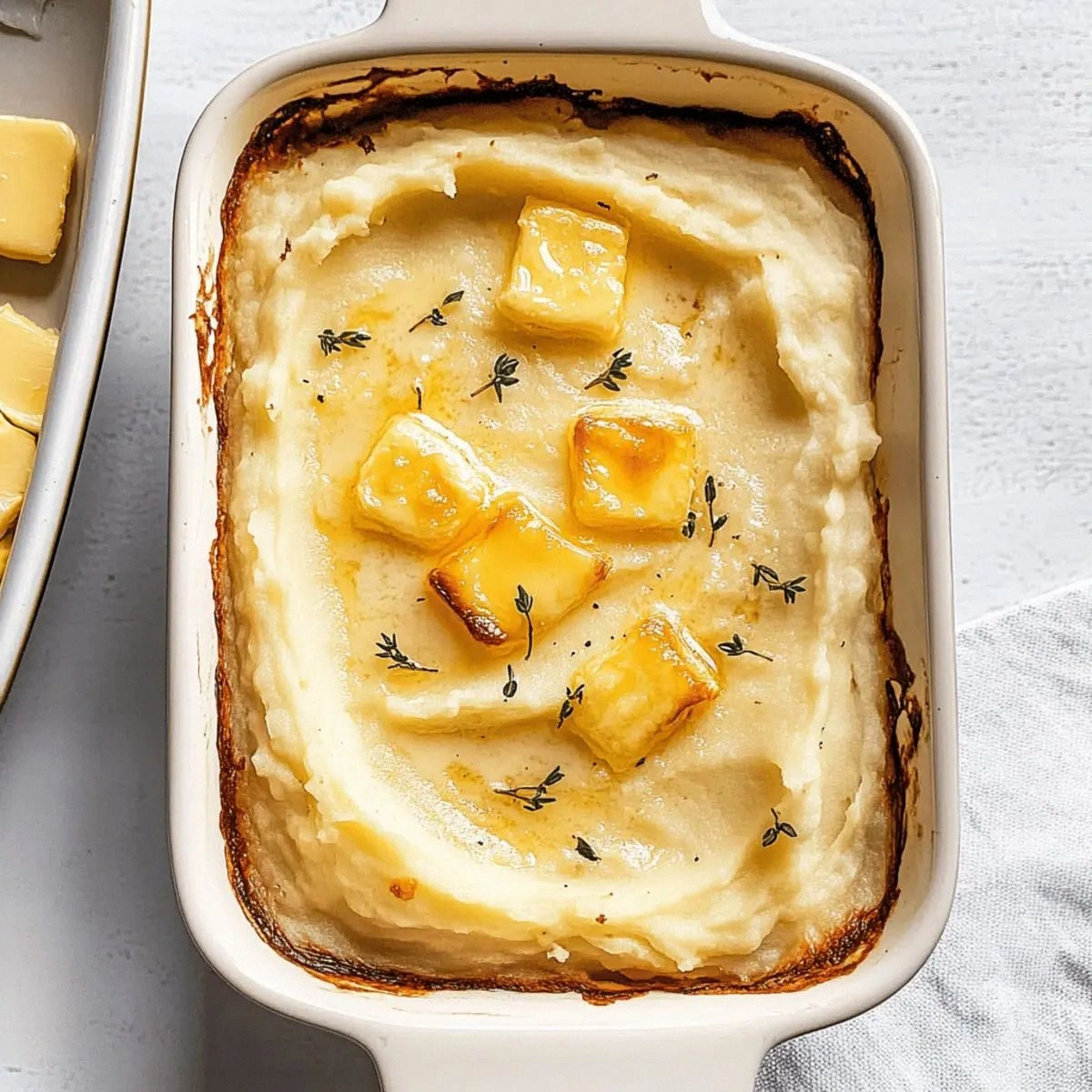
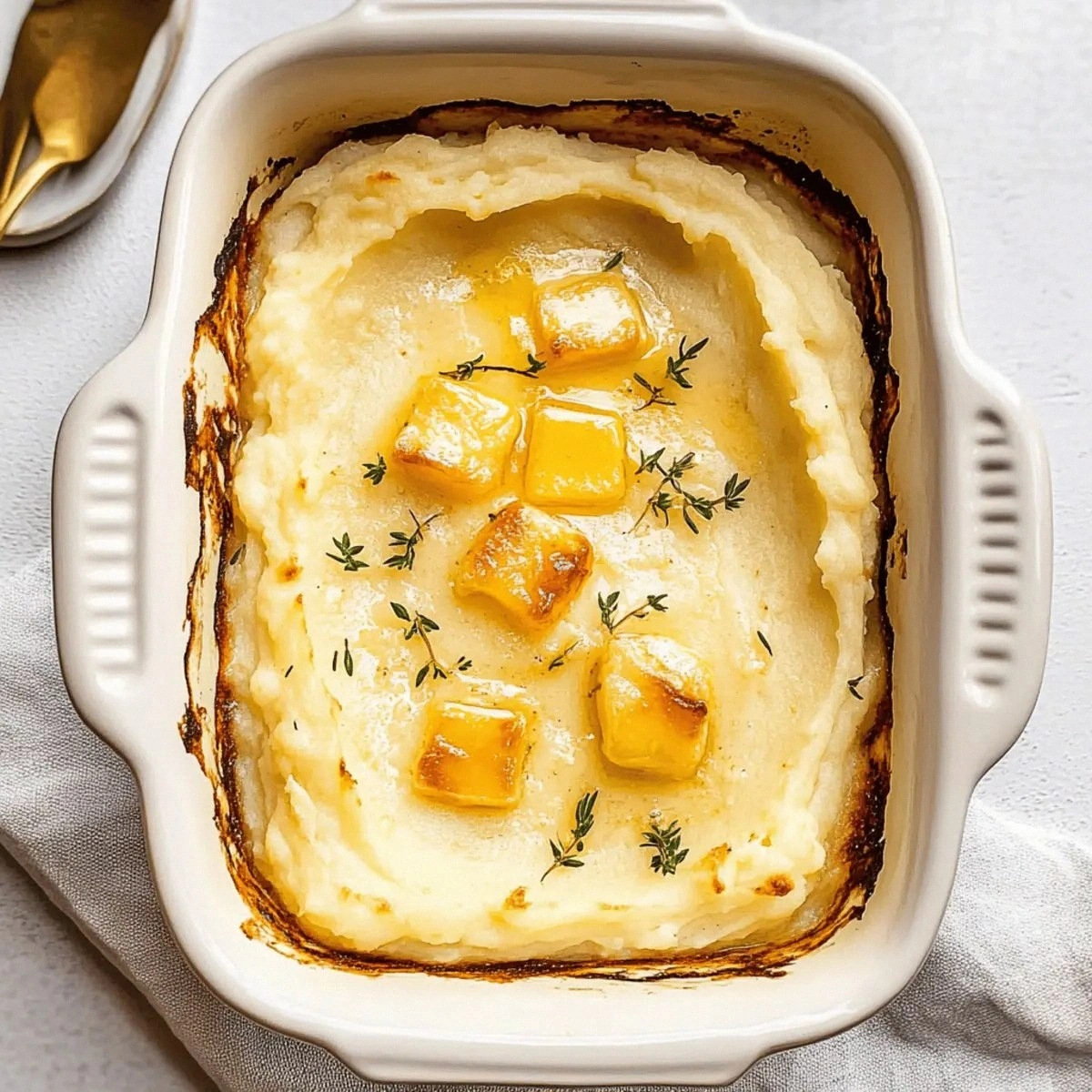
Transfer the creamy mash into a greased 9‑x‑13‑inch baking dish, spreading it into an even layer. Dot the top with the remaining 2 tbsp of salted butter, cutting it into small pieces so it melts into a beautiful golden crust as it bakes.
Watch Out: If you use a glass baking dish, the crust may brown faster; lower the oven temperature by 10°F to avoid over‑browning.Slide the dish into the preheated oven and bake for 25‑30 minutes, or until the top is a deep golden brown and the edges start pulling away from the sides of the dish. You’ll hear a faint crackle as the butter caramelizes — that’s the sound of flavor forming.
Remove the dish from the oven and let it rest for five minutes. This brief pause lets the interior settle, making each scoop smoother. Finally, sprinkle a generous handful of chopped chives over the top for a fresh, herbaceous finish.
Serve hot, straight from the dish, and watch your guests dive in. Picture yourself pulling this out of the oven, the whole kitchen smelling incredible, and hearing the collective gasp as the first spoonful hits the table. This is hands down the best version you’ll ever make at home.
That's it — you did it. But hold on, I've got a few more tricks that'll take this to another level...
Insider Tricks for Flawless Results
The Temperature Rule Nobody Follows
Never bake mashed potatoes at a temperature higher than 375°F. Higher heat can cause the butter to burn before the interior gets a chance to set, resulting in a bitter crust. Keep the oven steady and trust the slow caramelization; it creates that deep, nutty flavor we all love. A friend once cranked the oven to 425°F and ended up with a burnt top and a gummy center — let's just say it didn't end well.
Why Your Nose Knows Best
Your sense of smell is a reliable indicator of doneness. When the butter on top starts to emit a nutty, toasty aroma, you’re within minutes of perfection. If the scent is faint, give it another 5 minutes; if it’s strong and you see the edges pulling away, pull it out now. Trust your nose more than the timer, and you’ll avoid over‑baking.
The 5‑Minute Rest That Changes Everything
After baking, let the mash rest for exactly five minutes before serving. This short rest allows the steam inside to redistribute, making each spoonful silky rather than watery. Skipping this step can leave you with a soggy bottom and a crust that slides off the dish. I used to serve it hot off the oven and got mixed reviews — the rest period fixed that instantly.
Butter‑Dotting Precision
When you dot the top with the final 2 tbsp of butter, cut it into tiny cubes (about ¼‑inch). This ensures an even melt and prevents one spot from becoming overly greasy while another stays dry. Uniform butter distribution gives a consistent golden crust that’s both crunchy and buttery.
The Secret of the Chive Sprinkle
Add the chives after the bake, not before. Heat dulls their fresh flavor, turning them into a muted green garnish. By sprinkling them on the hot dish, the residual heat releases a subtle aroma without cooking away the bright bite. This small timing tweak makes a big difference in the final flavor profile.
Creative Twists and Variations
This recipe is a playground. Here are some of my favorite ways to switch things up:
Garlic‑Infused Dream
Add two minced garlic cloves to the butter when you melt it. The garlic will perfume the mash, giving it a warm, aromatic depth that pairs beautifully with roasted chicken. For an even stronger punch, roast the garlic first.
Cheddar‑Lover’s Upgrade
Stir in 1 cup of shredded sharp cheddar cheese after the cream cheese has melted. The cheddar adds a tangy bite and a beautiful orange hue, making the dish visually striking and extra cheesy.
Herbaceous Green
Swap the chives for a mixture of fresh thyme, rosemary, and parsley. The herb blend adds earthy notes that complement the richness, perfect for a Thanksgiving spread.
Spicy Kick
Fold in ½ tsp of smoked paprika and a dash of cayenne pepper into the mash before baking. The subtle heat contrasts the creamy base, delivering a surprise burst of flavor that will impress spice lovers.
Vegan Velvet
Replace the butter with vegan margarine, use dairy‑free cream cheese, and swap half‑and‑half for oat milk. The texture remains luscious, and the flavor stays indulgent, proving that dairy‑free can be just as decadent.
Storing and Bringing It Back to Life
Fridge Storage
Cool the baked mash to room temperature, then cover tightly with foil or a plastic lid. It will keep for up to 3 days in the refrigerator. Reheat gently in a 350°F oven for 15‑20 minutes, adding a splash of half‑and‑half or milk to revive the creaminess.
Freezer Friendly
Portion the mash into freezer‑safe containers, leaving a ½‑inch headspace for expansion. Freeze for up to 2 months. To reheat, thaw overnight in the fridge, then bake at 350°F for 20‑25 minutes, again adding a splash of liquid to restore the silky texture.
Best Reheating Method
For the crispiest top, reheat uncovered; for a softer interior, cover with foil for the first half of reheating, then uncover to brown the crust. Adding a tiny splash of water (about 2 tbsp) before reheating creates steam that revives the melt‑in‑your‑mouth feel.