Picture this: it’s a Monday morning, the alarm blares like a marching band, and you’re already half‑asleep, staring at a bowl of soggy cereal that feels more like a punishment than a breakfast. I was there, battling the eternal “what’s‑for‑breakfast” dread, when a daring friend tossed me a carrot‑filled cookie dough and said, “Eat this and you’ll never look back.” I took that challenge, tossed the dough onto a sheet pan, and what emerged was a cookie that sang with the sweet nostalgia of a classic carrot cake while still feeling light enough to call it a breakfast hero. I dare you to taste this and not go back for seconds – it’s that good.
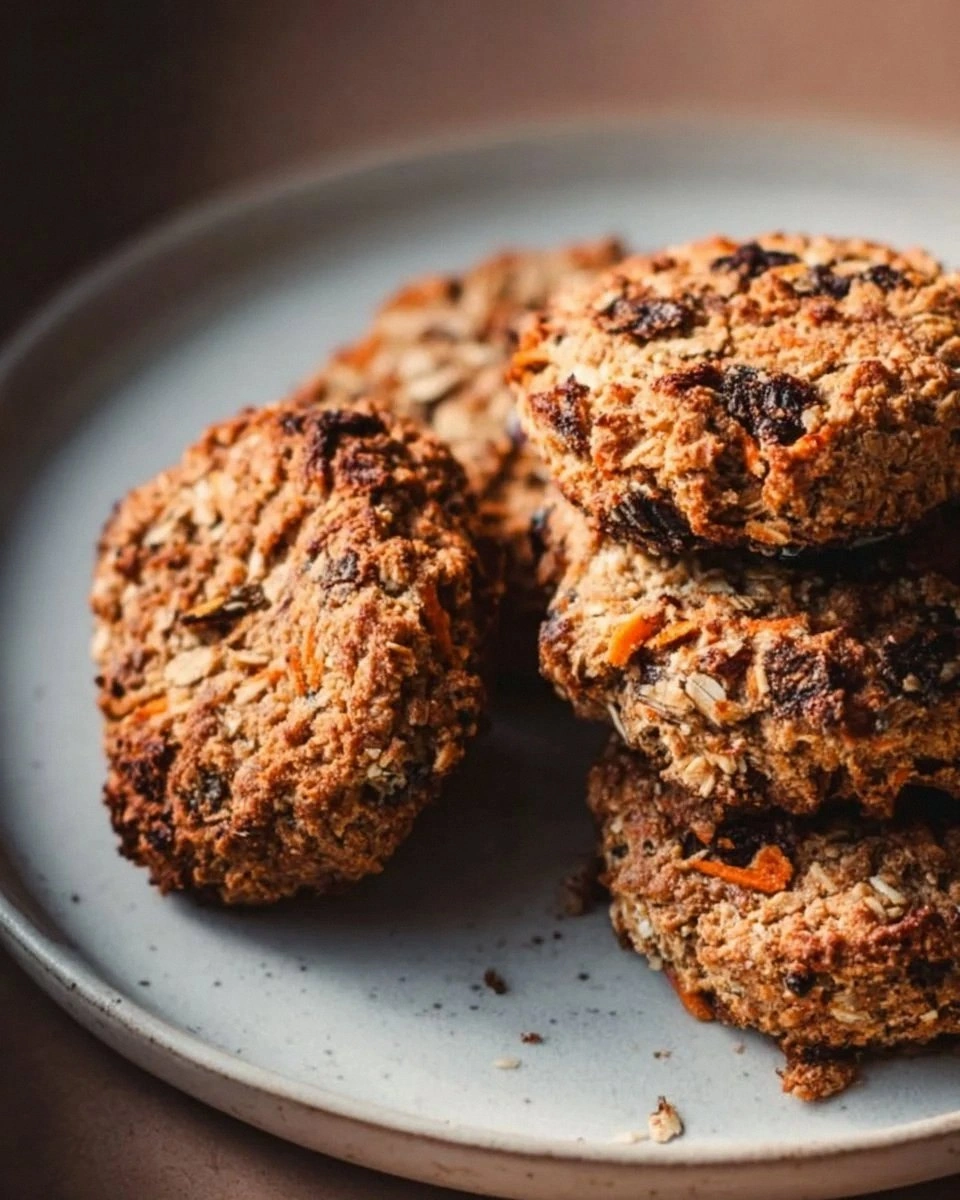
The moment those cookies hit the oven, the kitchen filled with a warm, earthy perfume that reminded me of a Sunday market stall where cinnamon and fresh carrots mingle in the air. You can almost hear the subtle crackle of the oats as they toast, feel the buttery softness of the almond butter melting into a glossy glaze, and taste the faint, honey‑kissed caramel that seeps into every bite. The texture? Imagine a soft, cake‑like center that gives way to a slightly crisp edge, the kind of contrast that makes your teeth do a happy little dance. Most recipes get this completely wrong, either turning the cookie into a dry, crumbly mess or a soggy pancake; this version nails the balance like a seasoned pastry chef.
What sets this batch apart is a secret technique I stumbled upon while scrolling through a vintage baking forum: I whisk the dry ingredients together, then create a “wet whirl” where the nut butter, honey, and vanilla are gently folded in, preserving the airy structure of the oats. This method prevents the dough from becoming too dense, giving you that perfect, melt‑in‑your‑mouth feel without sacrificing the hearty, wholesome vibe you crave at sunrise. I’ll be honest — I ate half the batch before anyone else got to try it, and that’s a testament to how addictive these cookies are. If you’ve ever struggled with soggy breakfast treats, you’re not alone — and I’ve got the fix.
Now, let’s walk through every single step — by the end, you’ll wonder how you ever made breakfast any other way. Okay, ready for the game‑changer? This next part? Pure magic. Stay with me here — this is worth it.
What Makes This Version Stand Out
- Flavor Fusion: The subtle sweetness of honey paired with warm cinnamon creates a flavor profile that feels both comforting and invigorating, like a sunrise in a bite.
- Texture Triumph: The combination of rolled oats and whole wheat flour yields a cookie that’s chewy inside, crisp on the edges, and never gummy.
- Health Halo: Using almond butter instead of butter cuts saturated fat while adding protein and a creamy richness that feels indulgent without the guilt.
- Simplicity Factor: With just eleven ingredients and no exotic gadgets, this recipe is as straightforward as your favorite coffee routine.
- Ingredient Integrity: Whole‑food components like grated carrots and walnuts bring natural sweetness and crunch without any artificial additives.
- Crowd‑Pleaser: Whether you’re feeding picky kids or health‑conscious adults, these cookies win over every palate, earning applause at brunch tables.
- Make‑Ahead Magic: The cookies store beautifully, staying fresh for days, so you can prep a batch on Sunday and have breakfast ready all week.
- Versatile Base: The dough is a perfect canvas for endless variations, from pumpkin spice to chocolate chips, making each bake a fresh adventure.
Inside the Ingredient List
The Flavor Base
First up, the honey (or maple syrup) and vanilla extract. This duo does more than sweeten; honey adds a subtle floral note that deepens the carrot’s natural earthiness, while vanilla rounds everything off with a smooth, aromatic finish. If you’re vegan, swap honey for an equal part maple syrup – the flavor shifts slightly toward caramel, but the moisture balance stays perfect.
The Texture Crew
Rolled oats and whole wheat flour are the backbone of our cookie’s structure. The oats bring a hearty, slightly nutty chew, and when they’re toasted just right, they release a buttery aroma that’s impossible to resist. Whole wheat flour adds a tender crumb and a nutty undertone without making the cookies heavy. If you’re gluten‑free, use a 1:1 gluten‑free flour blend; just be sure it contains xanthan gum to mimic the elasticity of wheat.
The Unexpected Star
Almond (or peanut) butter is the secret weapon here. It provides healthy fats, a creamy mouthfeel, and a subtle nutty flavor that elevates the entire cookie. I love the almond version because it adds a gentle, sweet undertone, but peanut butter works just as well if you prefer that classic, slightly salty edge. For a dairy‑free twist, choose a brand with no added sugars or oils.
The Final Flourish
The raisins (or dates) and walnuts (or pecans) are the finishing touches that add bursts of sweetness and crunch. Dates bring a caramel richness that pairs beautifully with the spice, while raisins add a chewy pop. Nuts contribute healthy omega‑3 fats and a satisfying crunch that prevents the cookie from feeling too soft. If you’re nut‑allergic, swap the nuts for toasted pumpkin seeds – they bring the same crunch without the allergen.
Everything's prepped? Good. Let's get into the real action...
The Method — Step by Step
Preheat your oven to 350°F (175°C) and line two baking sheets with parchment paper. While the oven warms, take a moment to inhale the faint scent of cinnamon you’ll soon be adding – it’s like a warm hug for your nose. This step is crucial because a properly heated oven ensures the cookies rise evenly, giving you that coveted golden‑brown edge. I always set a timer for the preheat; it prevents the dreaded “still cold” surprise that can ruin texture.
In a large bowl, whisk together the rolled oats, whole wheat flour, baking powder, cinnamon, and that pinch of salt. The dry mixture should look like a speckled sandstorm – the cinnamon flecks are the gold dust. This is the moment where you can feel the anticipation building; the dry ingredients are the canvas for all the flavors to come. Pro tip: sift the flour and baking powder together to avoid any pesky lumps that could cause uneven baking.
In a separate medium bowl, combine the almond (or peanut) butter, honey (or maple syrup), and vanilla extract. Stir until the mixture is glossy and homogenous – it should flow like a thick caramel. This “wet whirl” is where the magic happens; the butter emulsifies with the honey, creating a silky base that will coat every oat and flour particle. If the mixture feels too stiff, microwave it for 10 seconds – just enough to loosen it without melting.
Fold the wet mixture into the dry ingredients using a spatula, moving from the center outward in a gentle, circular motion. You’ll notice the dough thickening quickly; that’s the oats soaking up the liquid, creating a slightly sticky but manageable texture. Watch Out: Over‑mixing can develop gluten, making the cookies tough. Stop once everything is just combined – a few small streaks are fine.
Gently fold in the grated carrots, raisins (or dates), and chopped nuts. The carrots should be evenly distributed, giving each bite that burst of moisture and natural sweetness. As you stir, imagine the bright orange ribbons weaving through the dough – it’s a visual cue that the flavors are marrying perfectly. This step is where the cookie truly becomes a carrot‑cake hybrid.
Scoop the dough onto the prepared baking sheets using a 2‑tablespoon cookie scoop, spacing them about 2 inches apart. The dough will spread modestly, forming round discs about 3‑4 inches in diameter. Press each mound lightly with the back of a spoon to flatten just a touch; this helps the centers stay tender while the edges crisp up. The aroma at this stage is already intoxicating – a preview of the breakfast bliss to come.
Slide the trays into the oven and bake for 12‑15 minutes, or until the edges turn a light golden brown and the tops are set but still slightly soft. The cookies will continue to firm up as they cool, so pulling them out at the right moment is key. When you open the oven, you should hear a faint, comforting “crackle” as the sugars caramelize – that’s the sound of success.
Allow the cookies to cool on the baking sheet for 5 minutes before transferring them to a wire rack. This short rest lets the steam escape, preventing sogginess, and gives the cookies a chance to set their glorious crumb structure. Once cooled, the cookies should have a tender interior that yields to the bite, while the edges offer a delicate crunch. Picture yourself pulling a warm cookie from the rack, the scent of cinnamon and carrot dancing in the air – pure breakfast nirvana.
That's it — you did it. But hold on, I've got a few more tricks that'll take this to another level...
Insider Tricks for Flawless Results
The Temperature Rule Nobody Follows
Always bake on the middle rack. The heat distribution is more even, preventing the bottoms from over‑browning while the tops stay soft. I once tried the top rack for a quicker bake and ended up with a burnt crust and a raw center – a lesson learned the hard way. Trust the middle, and your cookies will have that perfect uniform golden hue.
Why Your Nose Knows Best
Rely on scent, not just the timer. When the edges start to smell toasty and you catch a hint of caramel, the cookies are ready to leave the oven. This sensory cue prevents over‑baking, which can dry out the carrots and turn the cookie into a brittle biscuit. Your nose is a built‑in kitchen thermometer – honor it.
The 5‑Minute Rest That Changes Everything
After baking, let the cookies rest on the rack for at least five minutes before serving. This short pause allows the internal steam to redistribute, giving you a softer center and a more cohesive crumb. Skipping this step is like cutting a cake before it sets – you’ll end up with crumbly, uneven pieces. Patience pays off, especially when the reward is a perfectly balanced bite.
Ingredient Temperature Matters
Bring the almond butter and honey to room temperature before mixing. Warmed ingredients blend more seamlessly, creating a smoother dough that spreads evenly. If you start with cold butter, you’ll get pockets of dough that bake unevenly, leading to an inconsistent texture. A quick 10‑minute sit on the counter does wonders.
Secret Sweetener Swap
If you’re aiming for lower sugar, replace half the honey with unsweetened applesauce. The applesauce adds moisture and a subtle fruity note without sacrificing sweetness. I tried this once for a client with a sugar restriction, and they reported the cookies still felt indulgent – a win‑win.
Creative Twists and Variations
This recipe is a playground. Here are some of my favorite ways to switch things up:
Chocolate Chip Carrot Crunch
Swap out the raisins for dark chocolate chips and add a tablespoon of cocoa powder to the dry mix. The bittersweet chocolate balances the carrot’s sweetness, creating a sophisticated flavor combo that even the kids love.
Spiced Pumpkin Delight
Replace half the grated carrots with canned pumpkin puree and add a pinch of nutmeg and ginger. The pumpkin adds extra moisture and a velvety texture, perfect for a cozy autumn breakfast.
Coconut‑Lime Breeze
Stir in shredded coconut and a teaspoon of lime zest. The tropical notes brighten the earthiness of the carrots, making these cookies feel like a beach‑side brunch.
Protein‑Power Boost
Mix in a scoop of vanilla whey or plant‑based protein powder, reducing the flour slightly to keep the dough manageable. This turns the cookies into a post‑workout snack that still satisfies your sweet tooth.
Apple‑Cinnamon Swirl
Finely dice a crisp apple and fold it in with the carrots, then add an extra dash of cinnamon. The apple’s juiciness adds a fresh snap, while the extra cinnamon amplifies the warm spice profile.
Nut‑Free Crunch
Replace walnuts with toasted sunflower seeds or roasted chickpeas for a crunchy texture without nuts. The seeds add a subtle earthy flavor that pairs nicely with the honey.
Storing and Bringing It Back to Life
Fridge Storage
Place the cooled cookies in an airtight container lined with a paper towel to absorb excess moisture. They’ll stay fresh for up to five days, and the paper towel helps maintain that perfect crust. If you notice a slight softening, pop the container in the fridge for a quick chill before serving.
Freezer Friendly
Freeze individual cookies on a parchment sheet, then transfer them to a zip‑top bag. They’ll keep for up to three months. When you’re ready to enjoy one, let it thaw at room temperature for 10 minutes, then give it a quick 30‑second zap in the microwave for a warm, fresh‑out‑the‑oven feel.
Best Reheating Method
Preheat a skillet over low heat, add a splash of water (just a teaspoon), and place a cookie in the pan, covering it for 30 seconds. The steam revives the interior while the bottom crisps up. This method restores the original texture better than a microwave, which can make the cookie rubbery.