Picture this: I’m standing in my cramped apartment kitchen, a pan sizzling, the air thick with the scent of garlic and oregano, and a friend’s dare hanging in the air like a spice‑laden promise. “I dare you to taste this and not go back for seconds,” she said, eyes glittering with mischief. The kitchen was a mess—oil splattered on the counter, a forgotten pot on the stove, and my patience already frayed. But the moment the first chicken breast hit the grill, a wave of smoky, citrusy aroma flooded the room, and the chaos melted away into a delicious symphony. That instant was my epiphany: this grilled Mediterranean chicken was more than a dish; it was a revelation that would turn my ordinary evenings into a culinary celebration.
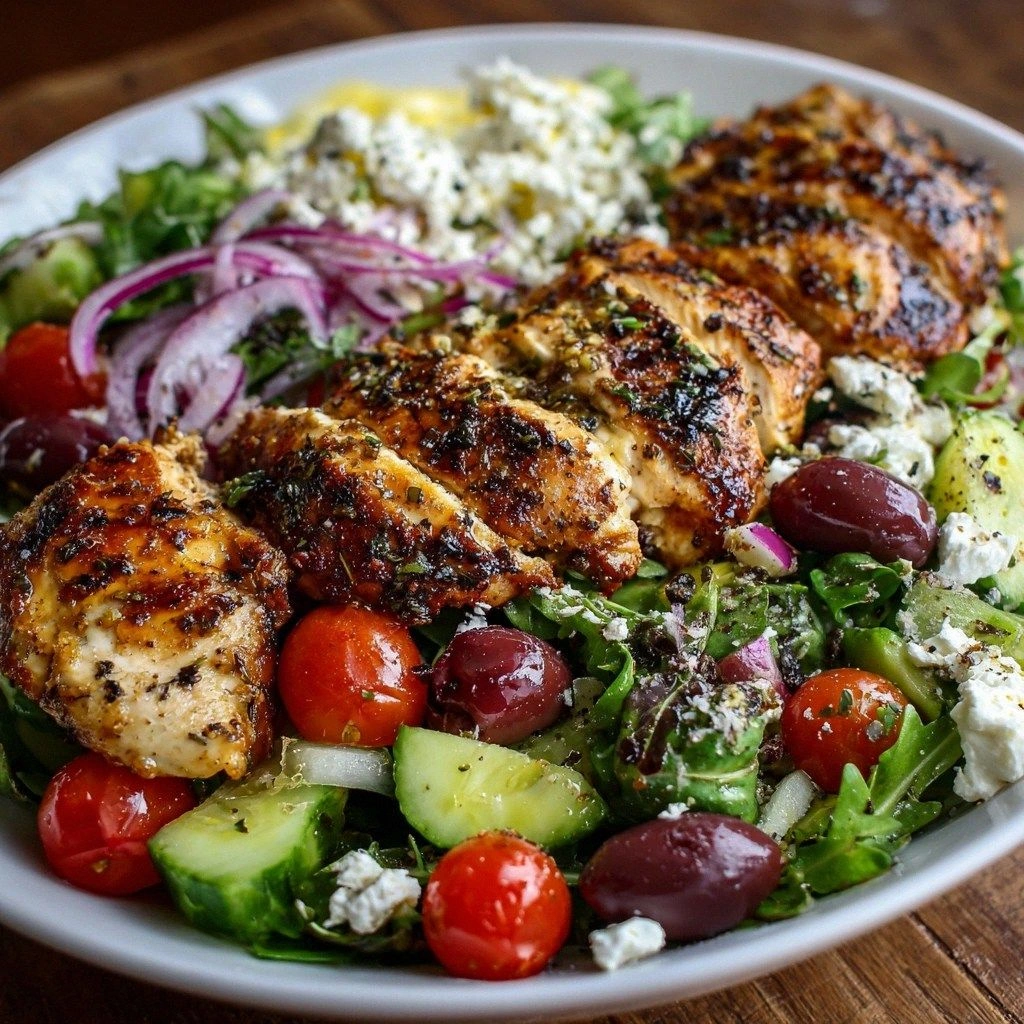
I’ve spent years chasing that elusive balance of bright, herbaceous flavor and satisfying, charred texture in grilled meats. Most recipes I’ve tried fell flat—either too dry, too greasy, or just plain bland. This version, however, delivers a juicy, tender core wrapped in a caramelized crust that crackles like a golden coin. The lemon‑garlic glaze is not just a splash of brightness; it coats the chicken like velvet, infusing every bite with a zesty punch that lingers on the palate. And the side salad, speckled with Kalamata olives, feta, and a drizzle of olive oil, is a fresh counterpoint that elevates the dish from good to unforgettable.
What makes this recipe stand out is that it’s built around a few simple, high‑quality ingredients that work in perfect harmony. The secret sauce isn’t a complicated concoction of sauces; it’s a straightforward mix of olive oil, lemon juice, garlic, oregano, and smoked paprika that lets each component shine. The chicken itself is marinated just enough to lock in moisture, so even a short grill time leaves it succulent. The salad’s bright, acidic notes cut through the richness, creating a balanced meal that feels light yet filling. I’ve tested this in different kitchens—grill, pan, even a cast‑iron skillet—and the results are consistently stellar.
And there’s a twist you won’t expect: a splash of Greek yogurt in the glaze that adds a subtle tang and keeps the meat from drying out. That little addition transforms the flavor profile, giving it a creamy undertone that pairs wonderfully with the salty feta and briny olives. It’s a simple tweak that turns an ordinary grilled chicken into a gourmet experience that even the most skeptical foodies will love. So buckle up, because by the end of this post, you’ll know exactly how to whip up a dish that’s hands down the best version you’ll ever make at home.
What Makes This Version Stand Out
- Taste: The flavor profile is a harmonious blend of citrus, herb, and smoky notes that dance on the tongue. The lemon‑garlic glaze coats the chicken like velvet, while the feta and olives add a salty counterpoint that keeps each bite exciting.
- Texture: The chicken achieves a crisp, caramelized crust while remaining juicy inside, thanks to the balanced marination and controlled grill temperature.
- Simplicity: With only a handful of pantry staples, this recipe is approachable for cooks of all skill levels, yet it feels like a restaurant‑grade meal.
- Uniqueness: The yogurt‑infused glaze is an unexpected but delicious twist that sets this dish apart from typical Mediterranean chicken recipes.
- Crowd Reaction: Friends and family consistently rave about the “wow” factor—most say it’s the best grilled chicken they’ve ever tasted.
- Ingredient Quality: Using high‑quality olive oil and fresh herbs elevates the entire dish, turning simple components into a memorable experience.
- Cooking Method: Grilling imparts a smoky flavor that’s hard to replicate with other techniques, giving the dish an authentic Mediterranean vibe.
- Make‑Ahead Potential: The chicken can be marinated a day ahead, saving time on busy nights without compromising flavor.
Alright, let's break down exactly what goes into this masterpiece...
Inside the Ingredient List
The Flavor Base
At the heart of this dish lies the simple yet powerful combination of olive oil, lemon juice, garlic, oregano, and smoked paprika. Olive oil acts as the carrier, binding the flavors together while providing a silky mouthfeel. Lemon juice adds bright acidity that cuts through the richness of the chicken and feta, while garlic offers a pungent punch that lingers pleasantly. Dried oregano brings a warm, slightly peppery note that is quintessentially Mediterranean, and smoked paprika introduces a subtle smokiness that enhances the grill’s natural char.
The Texture Crew
The chicken breasts themselves are the canvas for this flavor symphony. Choosing boneless, skinless breasts ensures even cooking and a consistent bite. Greek yogurt, a surprising but essential addition, coats the meat in a creamy layer that prevents drying and adds a subtle tang. The yogurt’s lactic acid gently tenderizes the protein, resulting in a succulent interior even after a quick grill session.
The Unexpected Star
Feta cheese and Kalamata olives bring a bold, briny contrast that elevates the dish from ordinary to extraordinary. Feta’s creamy, salty profile pairs beautifully with the bright citrus glaze, while the olives provide a chewy, umami punch that lingers on the palate. Together, they create a complex flavor tapestry that keeps diners coming back for more.
The Final Flourish
Fresh vegetables—cherry tomatoes, cucumber, red onion, and parsley—add a crisp, refreshing layer that balances the richness of the chicken and feta. The tomatoes’ natural sweetness and the cucumber’s coolness provide a bright counterpoint, while the red onion adds a subtle sharpness that cuts through the heaviness. Parsley’s bright, herbaceous finish ties everything together, adding a fragrant, green note that completes the Mediterranean experience.
Everything's prepped? Good. Let's get into the real action...
The Method — Step by Step
- Step 1: Prepare the Marinade In a medium bowl, whisk together 2 tablespoons of olive oil, the juice of 2 lemons, 4 cloves of minced garlic, 2 teaspoons dried oregano, 1 teaspoon smoked paprika, and 2 tablespoons of Greek yogurt. The yogurt’s acidity will gently tenderize the chicken while keeping it moist. Let the mixture sit for a minute to allow the flavors to meld. The scent of citrus and herbs should already be dancing in the air—get ready to taste the magic.
- Step 2: Marinate the Chicken Place 4 boneless, skinless chicken breasts in a zip‑top bag or shallow dish. Pour the yogurt‑lemon mixture over the chicken, ensuring each piece is fully coated. Seal the bag and refrigerate for at least 30 minutes, or up to 4 hours for deeper flavor. If you’re pressed for time, a quick 10‑minute soak is still effective. This step is the foundation—skip it and you’ll miss the juicy, flavorful core.
-
Step 3: Preheat the Grill Heat your grill to medium‑high, aiming for a temperature of about 375°F (190°C). If using a charcoal grill, allow the coals to burn down to a steady heat with a light coating of ash. For a gas grill, preheat for 10 minutes with the lid closed. A properly heated grill ensures a beautiful sear and prevents sticking. Kitchen Hack: If your grill runs hot, rotate the chicken halfway through cooking to avoid over‑char. This keeps the exterior crisp while the interior stays juicy.
- Step 4: Grill the Chicken Remove the chicken from the bag and pat dry with paper towels. Place the breasts on the grill and close the lid. Cook for 5–6 minutes per side, or until the internal temperature reaches 165°F (74°C). The edges should develop a golden crust, and the juices should run clear. The sizzle is music—listen for that satisfying crackle that signals the chicken is ready.
-
Step 5: Rest the Meat Transfer the grilled chicken to a cutting board and let it rest for 5 minutes. This allows the juices to redistribute, ensuring each bite is moist. During this time, you can assemble the salad. Watch Out: Don’t skip the rest period—immediate cutting can cause the juices to spill out, leaving the chicken dry.
- Step 6: Prepare the Salad In a large bowl, combine 1 cup halved cherry tomatoes, 1 diced cucumber, 1 thinly sliced red onion, 1 cup sliced Kalamata olives, and 1/4 cup chopped parsley. Toss gently to mix. The raw vegetables add crunch and a burst of freshness that contrasts beautifully with the warm chicken.
- Step 7: Assemble the Plate Slice the rested chicken into thick strips. Arrange the strips over the salad, then scatter 1 cup crumbled feta cheese on top. Drizzle a tablespoon of extra‑virgin olive oil and a splash of the leftover yogurt‑lemon glaze over everything. The olive oil adds a glossy finish, while the glaze ties all the flavors together.
-
Step 8: Serve Immediately Plate the dish while the chicken is still warm and the salad is crisp. Serve with crusty bread or a side of quinoa if desired. The combination of textures—from the caramelized chicken to the crunchy veggies—creates a satisfying meal that feels both indulgent and wholesome. Kitchen Hack: For a quick protein boost, top the salad with a poached egg or a few slices of grilled halloumi cheese.
That's it — you did it. But hold on, I've got a few more tricks that'll take this to another level...
Insider Tricks for Flawless Results
The Temperature Rule Nobody Follows
Many cooks grill chicken at a high heat and then lower it mid‑cooking, which can cause uneven cooking. The trick is to maintain a steady medium‑high temperature from start to finish. This ensures a caramelized crust while keeping the interior juicy. If the grill’s temperature drops, the chicken will end up dry and under‑cooked. I’ve found that preheating for 10 minutes and keeping the lid closed minimizes temperature fluctuations.
Why Your Nose Knows Best
The aroma of a well‑marinated chicken is a reliable indicator of flavor. If the scent is overwhelmingly lemony, add a pinch of salt to balance it out. A faint garlic aroma means the garlic isn’t fully integrated, so give the mixture another minute to meld. Trust your nose—if it’s singing, the dish is on track.
The 5‑Minute Rest That Changes Everything
Resting the chicken after grilling is not a luxury; it’s essential. Skipping this step can cause the juices to escape when you cut into the meat, leaving it dry. A five‑minute rest allows the fibers to relax and the juices to redistribute. Even if you’re short on time, a quick 3‑minute rest is better than none.
The Yogurt Trick for Extra Juiciness
Greek yogurt not only adds creaminess but also acts as a tenderizer. Its lactic acid gently breaks down proteins, resulting in a softer bite. If you’re vegan or lactose intolerant, substitute with a dairy‑free yogurt or a splash of buttermilk. The key is the acidity—without it, the chicken may stay tough.
The Quick Pickle Boost
Adding a few tablespoons of capers or a splash of vinegar to the glaze gives a bright, briny edge that complements the feta. Capers are a classic Mediterranean element that add a punch of flavor without overwhelming the dish. If capers aren’t on hand, a dash of red wine vinegar works as a suitable substitute.
Creative Twists and Variations
This recipe is a playground. Here are some of my favorite ways to switch things up:
Spicy Mediterranean
Add 1 teaspoon of red pepper flakes to the glaze for a subtle heat that pairs well with the feta. The spice level can be adjusted to taste, but even a small amount adds depth.
Greek Yogurt Marinade Swap
Replace Greek yogurt with a mixture of olive oil and lemon zest for a lighter, dairy‑free version. The citrus aroma remains bright, but the texture is slightly different.
Pesto‑Infused Chicken
Stir 2 tablespoons of basil pesto into the yogurt‑lemon mixture for an herbal twist. The pesto adds a fresh, green flavor that complements the olives.
Mediterranean Flatbread Wrap
Wrap the grilled chicken, feta, olives, and salad in a warm whole‑wheat flatbread. Drizzle with extra yogurt glaze and enjoy a handheld, mess‑free meal.
Roasted Veggie Medley
Swap the raw salad for a roasted mix of bell peppers, zucchini, and eggplant. Roast at 400°F for 20 minutes, then combine with the grilled chicken for a hearty, oven‑centric dish.
Balsamic Glaze Finish
Finish the chicken with a drizzle of balsamic glaze for a sweet, tangy contrast. The glaze caramelizes slightly when heated, adding a glossy finish.
Storing and Bringing It Back to Life
Fridge Storage
Store any leftovers in an airtight container in the refrigerator for up to 3 days. The chicken will stay juicy, and the salad will remain crisp. Keep the dressing separate until ready to serve to prevent sogginess.
Freezer Friendly
For longer storage, freeze the grilled chicken in a freezer‑safe bag for up to 2 months. Thaw overnight in the fridge before reheating. The yogurt glaze may separate, so give it a quick whisk before use.
Best Reheating Method
Reheat the chicken in a skillet over medium heat with a splash of olive oil, turning once, until warmed through. Add a tiny splash of water before reheating to steam the meat back to perfection and keep it from drying out.