I still remember the night I tried to salvage a dinner that had gone spectacularly wrong. I had a bag of pre‑shrimps, a rainbow of frozen veggies, and a pantry stocked with every sauce imaginable. I tossed everything into a pan, hoping the chaos would somehow turn into a meal. Instead, the shrimp were rubbery, the veggies were soggy, and the sauce tasted like it had been forgotten in a cupboard for months. That disaster sparked a quest: to create a quick, garlic‑infused shrimp stir‑fry that would outshine any takeout and make my taste buds do a victory dance. If you’ve ever stared at a pantry full of potential and felt the dread of a culinary flop, this recipe is your lifeline.
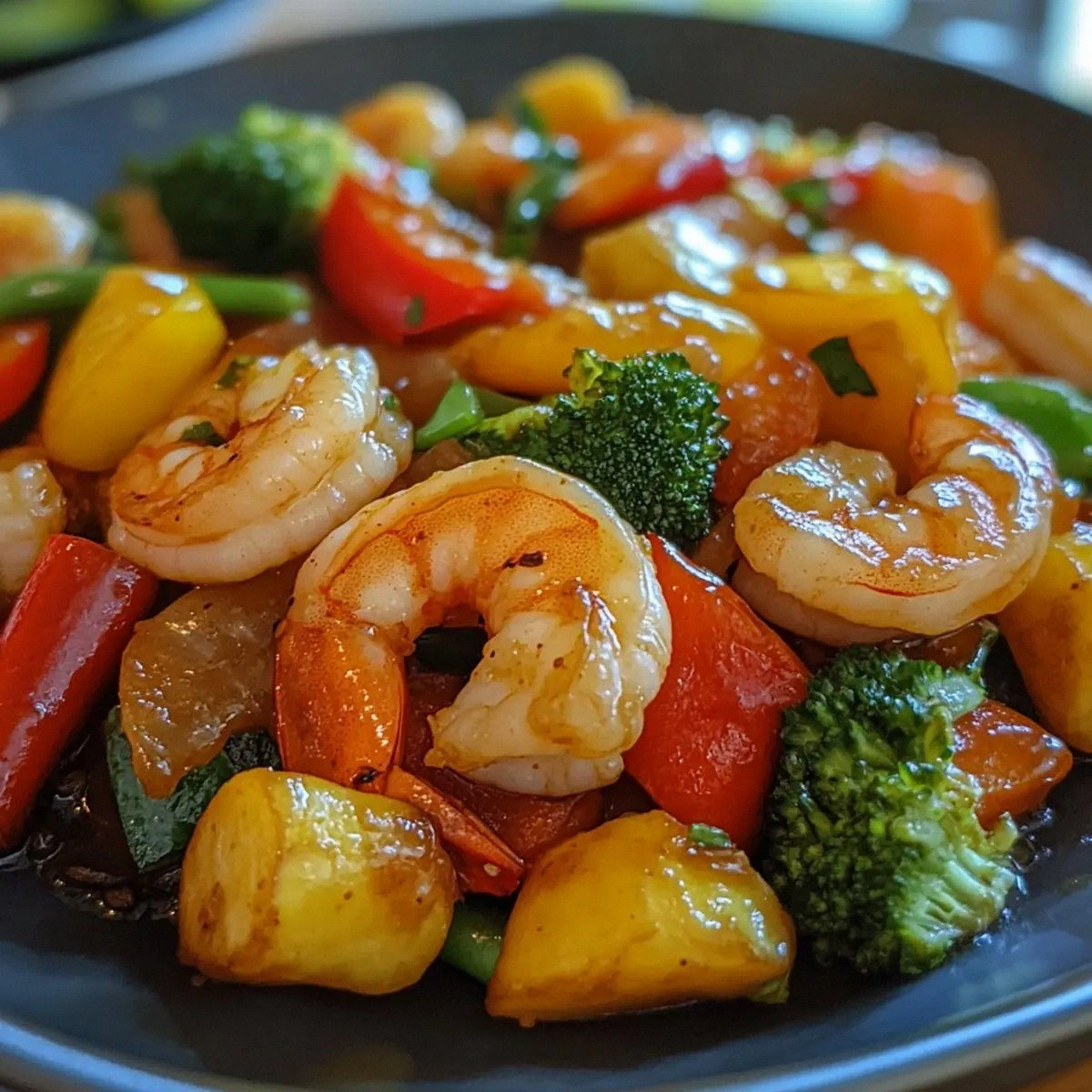
Picture the kitchen: the skillet sizzles as the garlic hits the hot oil, releasing a scent so intoxicating it feels like a secret handshake between you and the universe. The sound is a rhythmic pop, the visual is a golden swirl of garlic and shrimp. The taste? A burst of umami, a subtle sweetness from honey, and a gentle heat that lingers like a whisper. The texture? Shrimp that stays tender and juicy, veggies that stay crisp enough to crunch with each bite, and a sauce that clings to everything like velvet. Every component works in harmony, creating a dish that feels like a hug from the inside out. And best of all, you can whip this up in under 30 minutes, making it a perfect answer to the "what’s for dinner?" question.
What makes this version stand out is not just the combination of flavors, but the method that preserves the integrity of each ingredient. I’ve experimented with dozens of shrimp stir‑fry recipes, and most of them either overcook the shrimp or under‑season the vegetables. In my version, the shrimp are seared to perfection, the vegetables are blanched to lock in crunch, and the sauce is a balanced blend that coats without overwhelming. The result is a dish that is simultaneously bold, balanced, and comforting. It’s the kind of meal that makes your friends ask for seconds, and I dare you to taste this and not go back for seconds. The confidence in my voice comes from countless trials, a few kitchen mishaps, and a relentless pursuit of the perfect bite.
The secret ingredient that sets this dish apart is a subtle splash of rice vinegar that brightens the sauce and balances the honey’s sweetness. Many recipes use soy sauce alone, but the vinegar adds a tang that cuts through the richness of the shrimp and the oil. The final touch? A handful of fresh cilantro and sesame seeds that add a pop of color and a nutty crunch. Together, these elements create a flavor profile that feels like a symphony: savory, sweet, spicy, and bright all at once. The dish is so versatile that it can be served over rice, quinoa, or even tossed with noodles for a hearty pasta alternative. By the end, you’ll wonder how you ever made it any other way.
What Makes This Version Stand Out
- Flavor: The sauce is a harmonious blend of garlic, soy, honey, and vinegar that coats each ingredient without drowning it.
- Texture: Shrimp stays juicy and tender, while broccoli, carrots, and snap peas retain their vibrant crunch.
- Simplicity: Only ten ingredients, all pantry staples, and a single pan.
- Speed: Ready in under 30 minutes, making it ideal for weeknights.
- Versatility: Works as a main dish, a side, or a protein‑packed salad topper.
- Health: Low in fat, high in protein, and packed with vitamins from fresh veggies.
- Make‑ahead: Prep the sauce ahead of time and store in the fridge for up to 3 days.
- Crowd‑pleaser: Even the pickiest eaters love the bright, bold flavors and the satisfying crunch.
Alright, let’s break down exactly what goes into this masterpiece…
Inside the Ingredient List
The Flavor Base
Garlic is the star of any savory dish, and in this recipe it provides a punch that lingers in the mouth. Four cloves, minced finely, release their oils and give the sauce a depth that no other aromatics can match. If you’re not a garlic fan, try using 3 cloves and adding a pinch of dried oregano for a subtle twist. The garlic’s boldness is what makes the sauce feel like it’s dancing on your tongue.
Soy sauce brings umami and saltiness to the mix, acting as the backbone of the flavor profile. A tablespoon of good‑quality, low‑sodium soy sauce balances the richness of the shrimp without making the dish overly salty. If you’re watching sodium, swap for coconut aminos or tamari, and keep the quantity the same for a similar depth.
Rice vinegar adds a bright, acidic note that cuts through the sweetness of honey. One tablespoon is enough to lift the entire dish and give it a clean finish. If you prefer a milder vinegar, use a splash of white wine vinegar instead, but keep the ratio the same to maintain balance.
The Texture Crew
Broccoli florets are the crunchy backbone of the dish, offering a satisfying bite that contrasts with the tender shrimp. Two cups of florets are ideal; too many and the veggies become mushy, too few and the dish feels incomplete. Blanch the broccoli in boiling water for 30 seconds before adding it to the pan to lock in color and crunch.
Bell peppers add a sweet, crisp element and a splash of color that makes the dish visually appealing. One cup of diced bell pepper works best; choose a mix of red, yellow, and orange for maximum vibrancy. If you’re in a hurry, pre‑cut peppers from a bag are a convenient option.
Carrots bring sweetness and a subtle earthiness that balances the sauce’s acidity. Slice them into thin matchsticks for even cooking; this ensures they remain crisp and not overcooked. One cup is enough to add texture without overpowering the shrimp.
Snap peas are the final crunchy element, adding a sweet, delicate snap that pairs well with the savory sauce. One cup of snap peas is a perfect amount; they cook quickly and retain their bright green color. If snap peas are out of season, frozen peas can be a suitable alternative, but they will be softer.
The Unexpected Star
Green onions are a subtle yet essential garnish that adds freshness and a mild onion flavor. Two stalks, sliced thinly, provide a bright, peppery note that cuts through the richness of the sauce. If you’re vegan or simply dislike onions, replace with scallions or thinly sliced shallots.
Fresh cilantro is the finishing flourish that adds a burst of herbal freshness. A quarter cup, chopped, brings a citrusy aroma that lifts the dish. If cilantro is not your thing, parsley or basil can serve as a suitable substitute, though the flavor profile will shift slightly.
The Final Flourish
Sesame seeds add a nutty crunch and a subtle toasty flavor that complements the shrimp. A tablespoon is enough to sprinkle over the finished dish. Toast the seeds lightly in a dry pan before adding for an extra layer of aroma.
Sesame oil brings a distinctive nutty aroma that enhances the overall flavor. A tablespoon of toasted sesame oil is enough to coat the shrimp and veggies, adding depth without overpowering. If you’re allergic or simply prefer a neutral oil, use extra‑virgin olive oil instead.
Olive oil is the cooking medium that helps sear the shrimp and sauté the veggies. Two tablespoons are sufficient to coat the pan and prevent sticking. For a lighter version, substitute with avocado oil or canola oil.
Honey provides a natural sweetness that balances the saltiness of soy sauce and the acidity of vinegar. One tablespoon is perfect for a subtle sweet undertone. If you’re on a low‑sugar diet, replace honey with maple syrup or agave nectar, but adjust the quantity to taste.
Everything’s prepped? Good. Let’s get into the real action…
The Method — Step by Step
- Heat a large non‑stick skillet over medium‑high heat. Add two tablespoons of olive oil, swirling to coat the bottom. The oil should shimmer but not smoke. This step is crucial: the right temperature ensures a perfect sear on the shrimp.
- Add the minced garlic to the hot oil. Let it sizzle for about 30 seconds, until fragrant but not browned. The garlic should release its oils, turning the oil a golden hue. Be careful not to burn it, as burnt garlic tastes bitter.
- Introduce the shrimp to the pan, spreading them in a single layer. Cook for 2 minutes on each side, until they turn pink and opaque. The shrimp should be juicy, not rubbery. This is the moment of truth—watch the color change closely.
- Remove the shrimp and set aside on a plate. Keep them warm by covering loosely with foil. This prevents them from overcooking once the veggies are added.
- In the same pan, add the broccoli florets. Stir-fry for 3 minutes, letting them get a slight char. The broccoli should stay bright green and firm. This step locks in the crunch.
- Add the diced bell peppers, carrots, and snap peas. Cook for another 4 minutes, until the veggies are tender yet crisp. The vegetables should be vibrant, not mushy.
- Return the shrimp to the pan, tossing everything together. Pour in soy sauce, sesame oil, honey, rice vinegar, and red pepper flakes. Stir until the sauce coats every ingredient. The sauce should thicken slightly and cling to the shrimp and veggies.
- Add the sliced green onions, chopped cilantro, and toasted sesame seeds. Toss gently to combine. The herbs should release their aroma, giving the dish a fresh finish.
- Serve hot over steamed rice or quinoa, or enjoy on its own. The dish should look vibrant, with a glossy sauce and a sprinkle of green.
That’s it—you did it. But hold on, I’ve got a few more tricks that will take this to another level. These insider tips will help you perfect every bite, ensuring that each component shines.
Insider Tricks for Flawless Results
The Temperature Rule Nobody Follows
Many cooks think medium heat is enough, but the secret lies in medium‑high. A hotter pan ensures the shrimp sears quickly, locking in juices. If the pan is too hot, the shrimp can burn; if too cool, they’ll steam instead of sear. Keep an eye on the oil’s sheen—when it starts to ripple, you’re ready.
Why Your Nose Knows Best
Before you taste the sauce, sniff it. A strong, balanced aroma signals that the flavors have melded properly. If it smells too sharp or too sweet, adjust by adding a splash of soy or a pinch of honey. Your nose is the best judge of balance.
The 5‑Minute Rest That Changes Everything
After you remove the shrimp from the pan, let them rest for 5 minutes. This allows the juices to redistribute, making each bite succulent. A quick rest also lets the sauce thicken slightly, improving the coating.
The Quick Blanch for Crunch
If you’re short on time, blanch the veggies in boiling water for 30 seconds before sautéing. This pre‑cooking step preserves color and crunch, giving the dish a professional finish.
The Final Splash
Right before serving, drizzle a tiny splash of sesame oil. This adds a glossy sheen and a final burst of nutty aroma. It’s a small step that makes the dish feel more refined.
Creative Twists and Variations
This recipe is a playground. Here are some of my favorite ways to switch things up:
Spicy Thai Twist
Replace the red pepper flakes with Thai bird’s eye chilies, and add a splash of fish sauce for a deeper umami note. Toss in a handful of Thai basil for an herbal kick. This version delivers a fiery, fragrant experience.
Citrus Burst
Add the zest of one lemon and a squeeze of lime juice to the sauce. The citrus brightens the dish, cutting through the richness of the shrimp. It’s a refreshing take that pairs well with grilled fish.
Creamy Coconut Variation
Stir in half a cup of coconut milk after the shrimp return to the pan. The sauce becomes silky and tropical, balancing the heat from the pepper flakes. Serve over jasmine rice for a complete meal.
Vegetarian Swap
Omit the shrimp and add tofu cubes instead. Marinate the tofu in soy sauce, sesame oil, and a touch of honey before pan‑frying. The tofu absorbs the sauce, delivering a hearty, plant‑based option.
Low‑Carb Edition
Serve the stir‑fry over cauliflower rice instead of regular rice. Keep the vegetables unchanged, and the dish remains low in carbs while still full of flavor. This version is perfect for keto or low‑glycemic diets.
Storing and Bringing It Back to Life
Fridge Storage
Cool the dish to room temperature before placing it in an airtight container. Store in the fridge for up to 3 days. The flavors will deepen, making it even more delicious.
Freezer Friendly
Pack the stir‑fry in a freezer‑safe container, leaving a small space for expansion. Freeze for up to 2 months. When reheating, thaw overnight in the fridge, then heat in a skillet.
Best Reheating Method
Add a splash of water or broth to the pan before reheating. This prevents the sauce from drying out and keeps the shrimp tender. Heat over medium heat until steaming hot.