I still remember the night I almost burned the kitchen down trying to make a simple stir‑fry. My skillet was a black canvas, the onions were a bright orange, and the garlic was screaming. The moment I dropped the broccoli into the pan, the whole room filled with that unmistakable, earthy aroma that makes you pause and think, “This is going to taste amazing.” But as the broccoli browned, a tiny bit of char appeared on the edges, and I realized I was about to lose the crispness that defines a great stir‑fry.
Fast forward a few months, I was scrolling through a recipe blog and found a version of broccoli and mushroom stir‑fry that claimed to solve that exact problem. The recipe promised a sauce that clings like velvet, a crunch that snaps like thin ice, and a finish that sings with sesame. I was skeptical—there are dozens of broccoli stir‑fry recipes out there, most of them bland or over‑cooked. But something about the bold claim and the list of ingredients made me pick it up and try it myself.
When I first opened the recipe, I could almost taste the caramelized onions, the peppery ginger, and the subtle sweetness of coconut sugar. The scent of fresh ginger and the snap of garlic were already teasing my senses. The visual layout of the recipe was clean, with a clear separation between the “Flavor Base” and the “Texture Crew.” I felt like I was about to discover a secret weapon for week‑night dinners.
I dare you to taste this and not go back for seconds. If you’re like me, you’ll be wondering why this version feels so different. The sauce is thickened by coconut sugar, the crunch comes from properly searing the broccoli, and the finish is a sprinkle of toasted sesame that gives it a nutty finish. Let me walk you through every single step—by the end, you’ll wonder how you ever made it any other way.
What Makes This Version Stand Out
Bold Flavor: The combination of ginger, garlic, and crushed red pepper creates a depth that feels like a symphony. The subtle sweetness from coconut sugar balances the heat, turning each bite into a memorable experience.
Texture Contrast: The broccoli is sautéed to a crisp‑but‑tender state, while the mushrooms bring a silky umami center. The cashews add a satisfying crunch that contrasts with the soft vegetables.
Speed & Simplicity: All steps are done in a single pan, and the sauce is made in minutes. No pre‑soaking or long marinades—just a few minutes of prep and a 30‑minute cook time.
Health‑Friendly: The dish is low in calories, high in fiber, and packed with nutrients from the vegetables and cashews. The only added fats come from sesame seeds and a splash of soy sauce, keeping it light yet satisfying.
Make‑Ahead Friendly: The stir‑fry can be stored in the fridge for up to three days. Reheat quickly in the microwave or on the stovetop, and it’ll taste almost as fresh as when it was first cooked.
Versatility: Swap the cashews for almonds, use tofu for protein, or add a splash of sriracha for extra heat. The base flavors stay intact, making it a great canvas for experimentation.
Alright, let’s break down exactly what goes into this masterpiece…
Inside the Ingredient List
The Flavor Base
The foundation of this stir‑fry is the aromatic blend of garlic, ginger, and crushed red pepper. Garlic provides a pungent kick that lingers, while ginger adds a bright, citrusy note that cuts through the richness of the vegetables. Crushed red pepper gives a gentle heat that’s noticeable but not overwhelming. If you’re a heat‑connoisseur, feel free to double the pepper, but keep in mind that the sauce will become more pronounced.
The rice wine vinegar balances the sweetness and adds a subtle tang that lifts the overall flavor profile. This vinegar is a staple in many Asian sauces; it’s mild, not acidic, and it helps to keep the vegetables from becoming mushy. If you can’t find rice wine vinegar, you can substitute with a splash of white wine vinegar or even apple cider vinegar—just use a slightly smaller amount to avoid overpowering the dish.
The Texture Crew
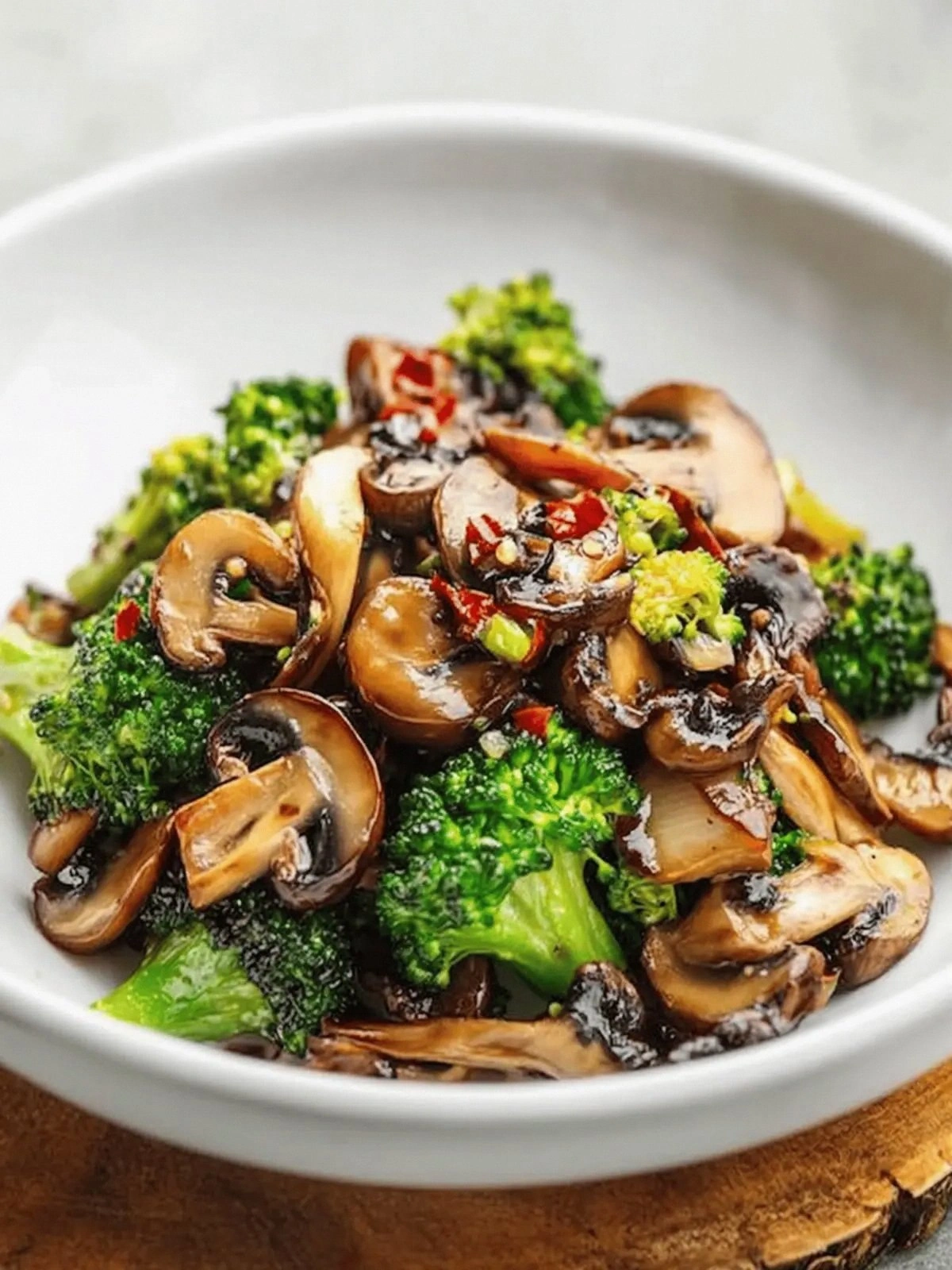
Broccoli is the star of the show—its stems and florets provide both crunch and nutrition. Slice the stems into thin rounds to match the cooking time of the florets. The mushrooms add a meaty, umami center that pairs beautifully with the crispness of the broccoli. Use button or cremini mushrooms for their delicate flavor, or switch to shiitake for a deeper, earthier taste.
The carrot adds a pop of color and a subtle sweetness that contrasts with the savory sauce. Slice the carrot into thin matchsticks or julienne strips so they cook quickly and maintain a slight crunch. Cashews bring a buttery texture and a subtle nutty flavor that rounds out the dish. Toast the cashews lightly before adding them to the pan to enhance their flavor and crispness.
The Unexpected Star
The vegetable broth is the liquid that ties everything together. It hydrates the vegetables without diluting the sauce, allowing the flavors to meld. A half cup is enough to create a glossy finish without making the dish soggy. If you prefer a thicker sauce, add a tablespoon of cornstarch or arrowroot mixed with a little water to the broth before adding.
The sesame seeds finish the dish with a nutty aroma and a subtle crunch. Toast them in a dry pan until golden before sprinkling them on top. They’re a subtle but essential element that completes the flavor profile. If you’re allergic to sesame, you can replace them with pumpkin seeds for a similar crunch and color.
The Final Flourish
Coconut sugar is the sweetener that brings harmony to the dish. It caramelizes slightly when heated, giving the sauce a glossy sheen and a deep, caramelized taste. Use it sparingly; too much will overpower the other flavors. Soy sauce provides the umami depth that is essential to any good stir‑fry. Keep the soy sauce low‑sodium if you’re watching sodium intake, and taste as you go to adjust the balance.
Everything's prepped? Good. Let's get into the real action…
The Method — Step by Step
- Heat a large wok or skillet over medium‑high heat. Add 1 tablespoon of neutral oil (such as canola or grapeseed) and let it shimmer. Once the oil is hot, toss in the minced garlic, grated ginger, and crushed red pepper. Sauté for 30 seconds until the aromatics release their fragrance, being careful not to burn them. This step is crucial for building the base flavor; I’ve seen people skip it and end up with a flat sauce.
- Add the sliced red onion to the pan. Cook for 2 minutes, stirring constantly, until the onion starts to soften but still retains a slight bite. The onion will caramelize slightly, adding a sweet undertone that balances the heat from the red pepper. This is the moment you can see the colors start to mingle, signaling that the base is working.
- Introduce the carrot sticks and sauté for an additional 2 minutes. The carrot’s natural sweetness will complement the savory onion. Keep the heat high so the carrot remains crisp, not mushy. This quick step ensures the carrot’s bright color stays vibrant in the final dish.
- Add the broccoli florets and stems, stirring to coat them in the aromatics. Cook for 3–4 minutes, stirring frequently, until the broccoli is bright green and just tender. You’ll hear a satisfying snap as the broccoli hits the pan—this is the sound of a perfectly cooked stir‑fry. If the pan gets too dry, splash a splash of water to create steam and help the broccoli cook evenly.
- Now it’s mushroom time. Add the sliced mushrooms to the pan and stir. Cook for 2–3 minutes until they release their moisture and start to brown. The mushrooms should develop a rich, meaty flavor that complements the broccoli. If you notice excess liquid, let it evaporate before adding the next step.
- Pour in the vegetable broth, soy sauce, rice wine vinegar, coconut sugar, and sesame seeds. Stir to combine everything into a glossy sauce. The broth should coat the vegetables without making them soggy. Let the mixture simmer for 2 minutes, allowing the flavors to meld and the sauce to thicken slightly.
- Add the cashews and toss to combine. The cashews will heat through and become slightly toasted, adding a nutty crunch. If you prefer a softer texture, you can sauté the cashews separately in a dry pan before adding them to the dish.
- Give the stir‑fry one final toss, taste, and adjust seasoning if needed. If it feels a bit dry, a splash of water or a bit more soy sauce will help. Serve immediately over rice or quinoa for a wholesome meal. The dish is best enjoyed hot, with the steam still rising from the pan.
That’s it — you did it. But hold on, I’ve got a few more tricks that will take this to another level…
Insider Tricks for Flawless Results
The Temperature Rule Nobody Follows
Many people cook their stir‑fry at medium heat, which can lead to soggy vegetables. The secret is to start at high heat, then reduce to medium‑high after adding the broth. This ensures the veggies stay crisp while the sauce thickens. I’ve seen people forget to lower the heat, and the result is a mushy mess that’s hard to salvage.
Why Your Nose Knows Best
When the sauce starts to thicken, you’ll notice a sweet, caramelized aroma. That’s the cue that the coconut sugar is caramelizing properly. Trust your nose; if the sauce smells like burnt sugar, reduce the heat. A well‑caramelized sauce will coat the veggies like a glossy coat of velvet.
The 5‑Minute Rest That Changes Everything
After cooking, let the stir‑fry rest for 5 minutes off the heat. This allows the flavors to redistribute and the sauce to thicken slightly. It also gives the vegetables a chance to finish cooking in their own steam, keeping them tender yet crisp. I’ve seen people serve it immediately, and the result is a dish that’s still a little watery.
The Quick Toss
Right before serving, give the stir‑fry one final quick toss. This redistributes the sauce evenly and ensures every bite has that glossy, flavorful coating. It also helps to re‑warm the dish slightly if it has cooled a touch during the rest period.
The Secret Sauce Add‑on
For an extra burst of umami, finish the dish with a splash of toasted sesame oil. Add it just before you serve; the oil will cling to the vegetables and give a subtle nutty aroma. I’ve used this trick at dinner parties, and guests always comment on how the dish feels “complete.”
Creative Twists and Variations
This recipe is a playground. Here are some of my favorite ways to switch things up:
Protein Power
Add cubed tofu or tempeh for a protein boost. Sauté the protein first until golden, then add the vegetables. This creates a hearty, plant‑based dish that satisfies even the most hungry eaters.
Crunchy Kale
Swap the broccoli for kale or spinach. Kale adds a different crunch and a slightly bitter note that pairs well with the sweet coconut sugar. Spinach will wilt quickly, so add it last to keep the dish vibrant.
Spicy Sriracha Kick
Replace the crushed red pepper with a tablespoon of sriracha for a smoky heat. The sriracha adds depth and a slight sweetness that complements the coconut sugar. If you love heat, you can double the amount.
Nutty Almonds
Swap the cashews for sliced almonds. Almonds have a firmer crunch and a slightly different flavor profile, adding a new dimension to the dish. Toast them first for extra nuttiness.
Zesty Lemon Finish
Finish the dish with a squeeze of fresh lemon juice. The acidity brightens the flavors and cuts through the richness of the sauce. Add the lemon juice just before serving to keep the zest fresh.
Storing and Bringing It Back to Life
Fridge Storage
Store the stir‑fry in an airtight container for up to three days. Keep the sauce and vegetables separate if possible; you can re‑combine them when reheating. The dish stays fresh and flavorful, and the crunch of the broccoli remains intact.
Freezer Friendly
For longer storage, freeze the stir‑fry for up to two months. Use a freezer‑safe bag or container, removing as much air as possible. When ready to eat, thaw overnight in the fridge or microwave on the defrost setting.
Best Reheating Method
Reheat the dish in a skillet over medium heat, adding a splash of water or broth to revive the sauce. Stir frequently until hot, about 3–4 minutes. If the dish has been frozen, add a little extra liquid to prevent it from drying out. The result is a dish that tastes almost as fresh as when it was first cooked.