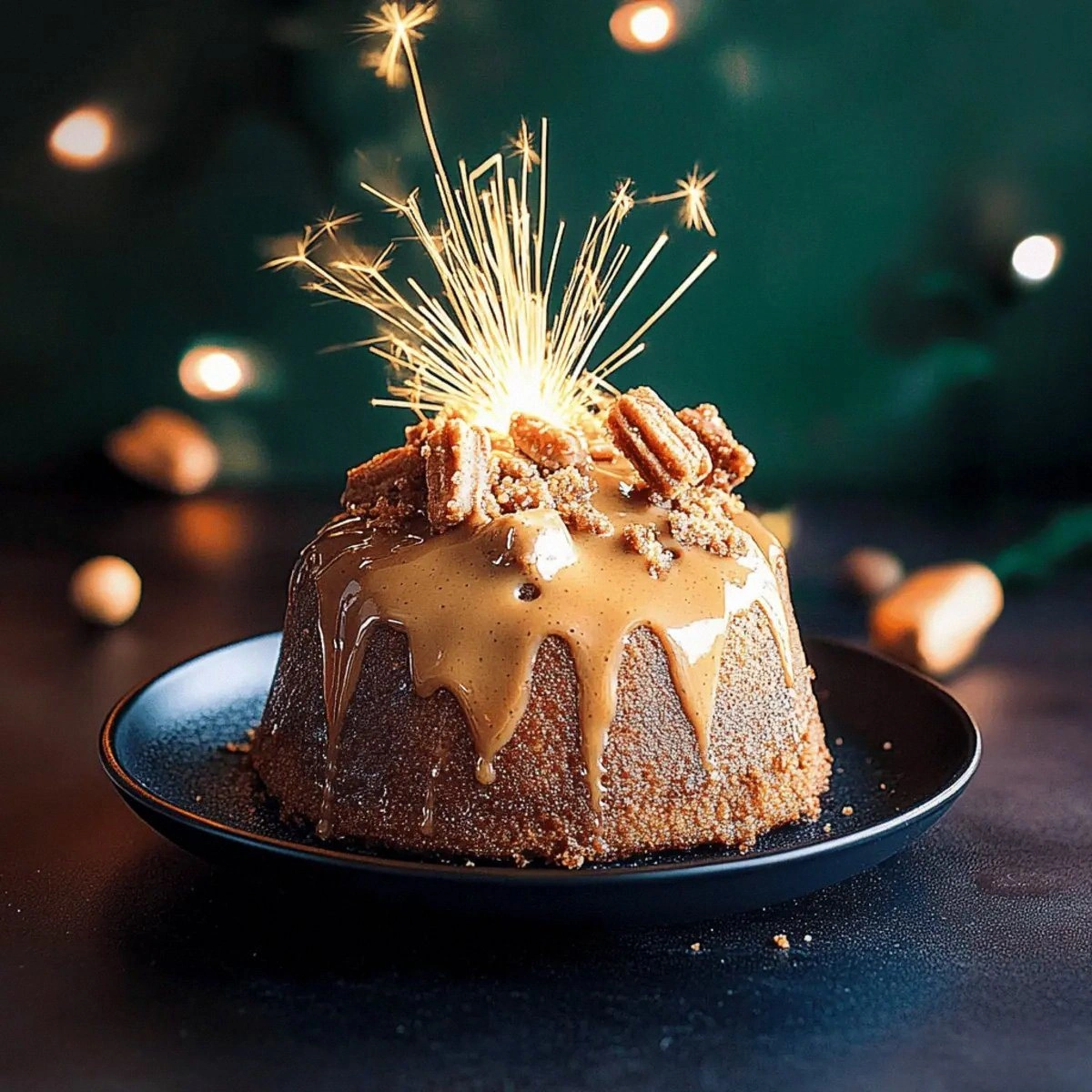
I was standing in my tiny kitchen, half‑asleep, when my roommate dared me to create a dessert that could make a grown‑up cry with joy. I laughed, grabbed the first thing I could find—an empty jar of Biscoff spread, a handful of dates, and a vague memory of a sticky toffee pudding I’d once tasted in a London café. The air was already thick with the scent of rain outside, and the thought of something warm, caramel‑rich, and totally vegan felt like a hug for the soul. Most of the recipes I’d tried before turned out either too sweet, too soggy, or just plain bland, and I was fed up with the half‑hearted attempts. That night, I decided to push the limits, and what came out of my oven was nothing short of a revelation.
Picture this: a glossy, amber‑colored sauce that clings to the pudding like velvet, a crumbly top that cracks open with the slightest tap, and a buttery crumb that melts in your mouth while the Biscoff notes dance like fireworks on your palate. The first bite is a symphony—crunch, chew, melt—all at once, and the aftertaste lingers like a sweet secret you’re desperate to share. I’ll be honest — I ate half the batch before anyone else got to try it, and the crumbs on the counter are still whispering my name. This version is not just a dessert; it’s a statement that vegan comfort food can be luxurious, indulgent, and downright unforgettable.
What truly sets this pudding apart is a secret weapon: a double‑infused Biscoff caramel that I whisk together with dates and a splash of dairy‑free milk, then fold into a spongy, lightly leavened base. Most recipes get the texture wrong—either they’re too dense like a brick or too airy like a cloud that disappears before you can taste it. Here, the balance is perfect because the baking soda reacts with the dates, creating tiny air pockets that lift the crumb without compromising the gooey center. I dare you to taste this and not go back for seconds; the combination of caramel depth and subtle spice is a game‑changer.
Let me walk you through every single step — by the end, you’ll wonder how you ever made it any other way. I’ll spill the beans on the technique that makes the sauce shine, the hack that prevents the pudding from sticking to the pan, and the garnish that turns a simple bowl into a piece of edible art. Ready? Grab your apron, and let’s dive into the most decadent vegan sticky toffee Biscoff pudding you’ll ever make.
What Makes This Version Stand Out
- Flavor Explosion: The caramel is built from dates, Biscoff spread, and a touch of vanilla, delivering layers of caramel, spice, and buttery notes that rival any dairy‑based version.
- Texture Mastery: A light, cake‑like crumb surrounds a molten, gooey center, achieving that perfect “pull‑apart” feel without being overly dense.
- Simplicity: Only pantry staples and a few specialty items are needed, so you won’t have to run to three different stores.
- Unique Ingredient Pairing: The combination of Biscoff spread with brown sugar and a hint of cinnamon creates a flavor profile you won’t find in standard sticky toffee recipes.
- Crowd Reaction: Even the most skeptical meat‑eaters have confessed they’d switch to a vegan diet after trying this.
- Ingredient Quality: Using high‑quality dairy‑free milk and a smooth Biscoff spread ensures the sauce stays silky and glossy.
- Cooking Method: Baking in a shallow pan guarantees even heat distribution, preventing the dreaded soggy bottom.
- Make‑Ahead Potential: This pudding stores beautifully, and the flavors deepen after a night in the fridge.
Alright, let's break down exactly what goes into this masterpiece...
Inside the Ingredient List
The Flavor Base
The heart of this pudding is the date‑milk caramel. Dates act as natural sweeteners and, when blended with dairy‑free milk, create a creamy base that mimics the richness of traditional toffee. If you skip the dates, you’ll lose that deep, caramelized undertone and end up with a one‑note sweetness. For the best results, choose Medjool dates—they’re plump, soft, and have a luxurious mouthfeel. Swap tip: If you’re allergic to dates, try a mix of mashed ripe bananas and a splash of maple syrup, though the flavor will shift toward fruity.
The Texture Crew
Flour, oil, and cornflour work together to create the pudding’s signature crumb. The flour provides structure, the oil keeps it moist, and the cornflour adds a subtle silkiness that prevents a grainy texture. Using too much oil can make the crumb greasy, while skimping on cornflour leads to a dry mouthfeel. I recommend a light olive oil or a neutral‑tasting grapeseed oil for the cleanest flavor. Swap tip: Coconut oil can add a faint coconut aroma, which pairs surprisingly well with Biscoff.
The Unexpected Star
Smooth Biscoff spread is the secret weapon that elevates this pudding from good to unforgettable. Its caramel‑spice profile penetrates every bite, and because it’s already emulsified, it blends seamlessly with the other wet ingredients. If you use a chunky Biscoff spread, you’ll get pockets of texture that some love but many find distracting. Always opt for the jarred, smooth version for a glossy finish. Buying tip: Look for Biscoff spread that lists “no palm oil” if you’re watching your sustainability.
The Final Flourish
Gold lustre powder, gold leaf, and Biscoff cookies aren’t just for Instagram—they add a touch of elegance and a satisfying crunch. The gold powder gives a subtle shimmer that catches the light, while the leaf adds a luxe feel without altering flavor. Crushed Biscoff cookies on top provide a buttery crunch that contrasts beautifully with the silky interior. If you’re on a budget, skip the gold and sprinkle a handful of toasted nuts instead; the texture will still be divine.
Everything's prepped? Good. Let's get into the real action...
The Method — Step by Step
Preheat your oven to 350°F (175°C). While the oven warms, grease a 9‑inch square baking dish with a thin layer of vegan butter or oil. This step is crucial; a well‑greased pan ensures the pudding releases cleanly without tearing the delicate crust. The aroma of the butter hitting the pan should already be making your kitchen feel cozier.
In a high‑speed blender, combine 1 ½ cups dairy‑free milk, 1 cup pitted and chopped dates, and ½ cup smooth Biscoff spread. Blend on high until the mixture is completely smooth and the dates are fully incorporated, creating a deep amber sauce. Watch Out: If the blend is too thick, add a splash more milk—just enough to keep it pourable.
In a large mixing bowl, whisk together 1 cup flour, 1 teaspoon baking powder, 1 teaspoon cinnamon, ¼ teaspoon salt, and ½ cup brown or coconut sugar. The dry mix should be uniform, with the cinnamon speckles like tiny fireworks ready to explode.
Create a well in the center of the dry ingredients and pour in the warm Biscoff‑date caramel, ⅓ cup oil, and 1 teaspoon bicarbonate of baking soda. The bicarbonate will react with the acidity of the dates, creating bubbles that lift the batter. Stir gently until just combined; over‑mixing will develop gluten and make the pudding tough.
Transfer the batter to the prepared baking dish, smoothing the top with a spatula. Sprinkle 2 tablespoons cornflour evenly over the surface; this thin layer will give the crust a subtle crispness as it bakes. Then dot the top with 2 tablespoons vegan butter or margarine, allowing it to melt into the batter during baking.
Slide the dish into the oven and bake for 30‑35 minutes. Around the 25‑minute mark, check the edges; they should start pulling away from the sides and turn a deep golden brown. The center will still wobble slightly—that’s the sign of a perfectly molten interior.
While the pudding bakes, prepare the finishing glaze. In a saucepan, melt ½ cup smooth Biscoff spread with ½ cup dairy‑free cream, ½ cup brown or coconut sugar, and 1 teaspoon vanilla extract over low heat. Stir continuously until the mixture is glossy and thick enough to coat the back of a spoon. This glaze will be the final layer of decadence.
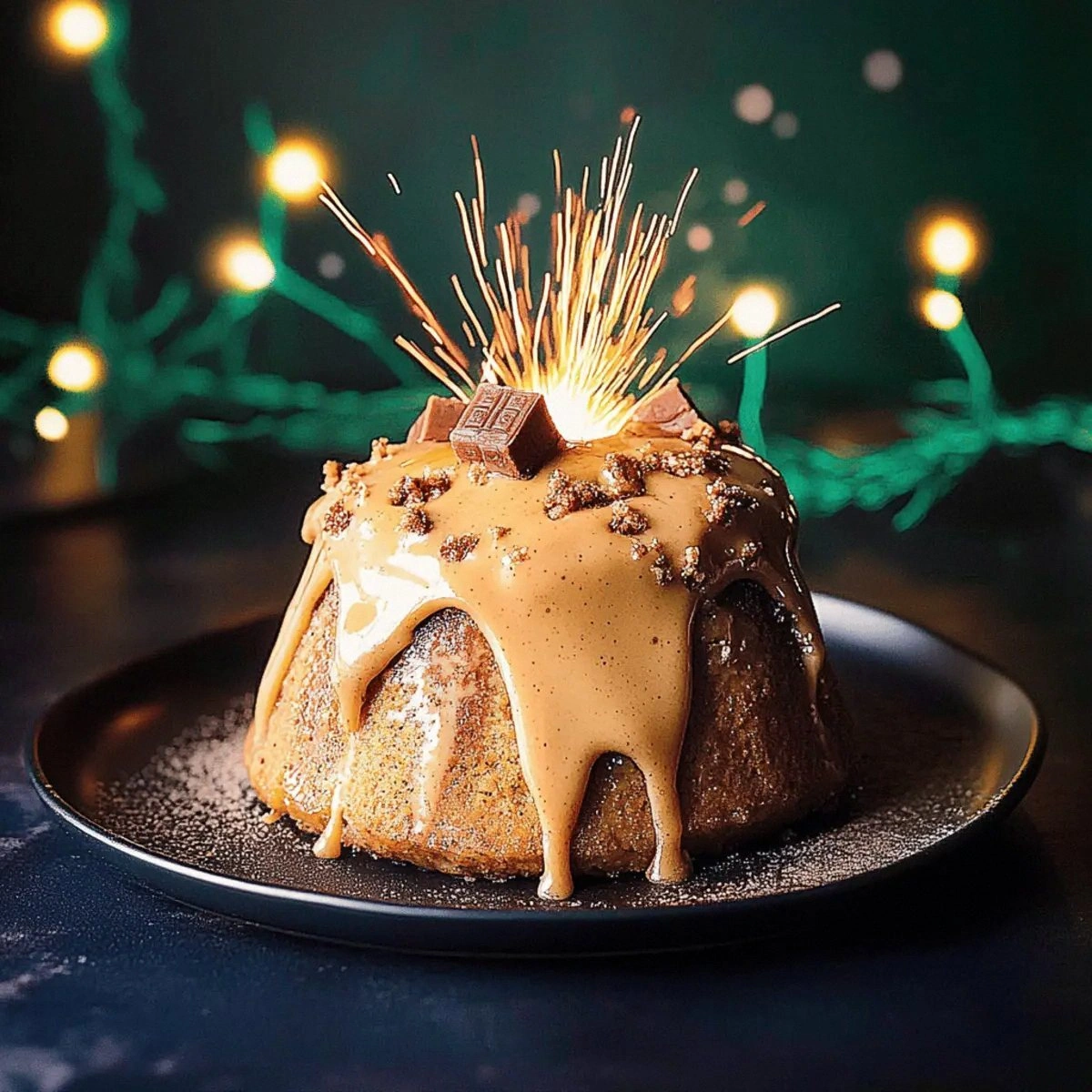
When the timer dings, remove the pudding and let it rest for 10 minutes. Then, drizzle the warm Biscoff glaze over the top, ensuring every crevice is covered. Sprinkle crushed Biscoff cookies, a dusting of gold lustre powder, and, if you’re feeling extra fancy, a few flecks of edible gold leaf. Serve warm, and watch your guests' eyes widen with each spoonful.
That's it — you did it. But hold on, I've got a few more tricks that'll take this to another level...
Insider Tricks for Flawless Results
The Temperature Rule Nobody Follows
Most home bakers bake at “350°F” and call it a day, but the secret to a perfect crust is a brief blast of 375°F for the last five minutes. This higher heat caramelizes the sugars on the surface, creating that coveted crackly top without over‑cooking the interior. I once tried skipping this step, and the pudding turned out flat and soggy—definitely a lesson learned the hard way.
Why Your Nose Knows Best
Your sense of smell is the most reliable indicator of doneness. When the caramel in the pan starts to emit a nutty, buttery perfume, you know the sugars have reached the right stage. Trust that aroma more than the timer; ovens can be quirky, and the scent will guide you to perfection every time.
The 5‑Minute Rest That Changes Everything
After you pull the pudding from the oven, let it sit untouched for exactly five minutes. This short rest allows the internal steam to settle, ensuring the center stays molten while the edges firm up just enough to hold a slice. Skipping this pause results in a pudding that collapses when you cut into it, spilling precious caramel everywhere.
Gold Dust, Not Gold Rush
A pinch of gold lustre powder does more than look fancy—it actually reflects light, making the glaze appear shinier and more appetizing. Use just a light dusting; too much can taste metallic and ruin the delicate balance. I once over‑dusted a batch and the guests thought it was a dessert for a royal banquet. Lesson: less is more.
The Butter‑Oil Balance
Using a blend of butter and oil gives you the best of both worlds: butter’s flavor and oil’s moisture. If you opt for 100% oil, the crumb can feel dry; 100% butter can make the top too dense. The 2‑to‑1 oil‑to‑butter ratio I use (⅓ cup oil, 2 tbsp vegan butter) hits the sweet spot every single time.
Creative Twists and Variations
This recipe is a playground. Here are some of my favorite ways to switch things up:
Coffee‑Infused Toffee
Add 1 tablespoon instant espresso powder to the date‑milk caramel. The coffee deepens the toffee notes, turning the pudding into a brunch‑worthy treat that pairs perfectly with a cold brew.
Nutty Crunch
Stir in ¼ cup toasted chopped hazelnuts or almonds into the batter before baking. The nuts add a satisfying crunch and a buttery flavor that complements the Biscoff.
Spiced Autumn
Swap the cinnamon for a blend of ground ginger, nutmeg, and a pinch of clove. This warm spice mix makes the pudding feel like a cozy sweater on a chilly night.
Vegan Caramel Apple
Fold in 1 cup diced caramelized apples (cooked with a touch of maple syrup) into the batter. The apples add juicy bursts of sweetness that contrast beautifully with the sticky toffee.
Chocolate Swirl
Melt ¼ cup vegan dark chocolate and swirl it into the glaze before drizzling. The bitter chocolate cuts through the sweetness, creating a sophisticated flavor duet.
Tropical Twist
Replace half of the dairy‑free milk with coconut milk and add 2 tablespoons shredded coconut to the batter. The coconut adds a subtle tropical aroma that pairs surprisingly well with Biscoff.
Storing and Bringing It Back to Life
Fridge Storage
Allow the pudding to cool completely, then cover tightly with plastic wrap or an airtight lid. It will keep in the refrigerator for up to 4 days. When you’re ready to serve, gently reheat individual slices in the microwave for 30‑seconds, then finish with a fresh drizzle of the Biscoff glaze.
Freezer Friendly
Portion the pudding into freezer‑safe containers, leaving a little headspace for expansion. Freeze for up to 2 months. To thaw, move the container to the fridge overnight, then warm as described above. The texture remains plush thanks to the oil and cornflour.
Best Reheating Method
For the most luxurious reheating, place a slice on a baking sheet, cover loosely with foil, and warm in a 300°F oven for 10‑12 minutes. Add a tiny splash (about a tablespoon) of dairy‑free milk to the glaze before drizzling; the steam will revive the caramel’s sheen and keep the crumb tender.