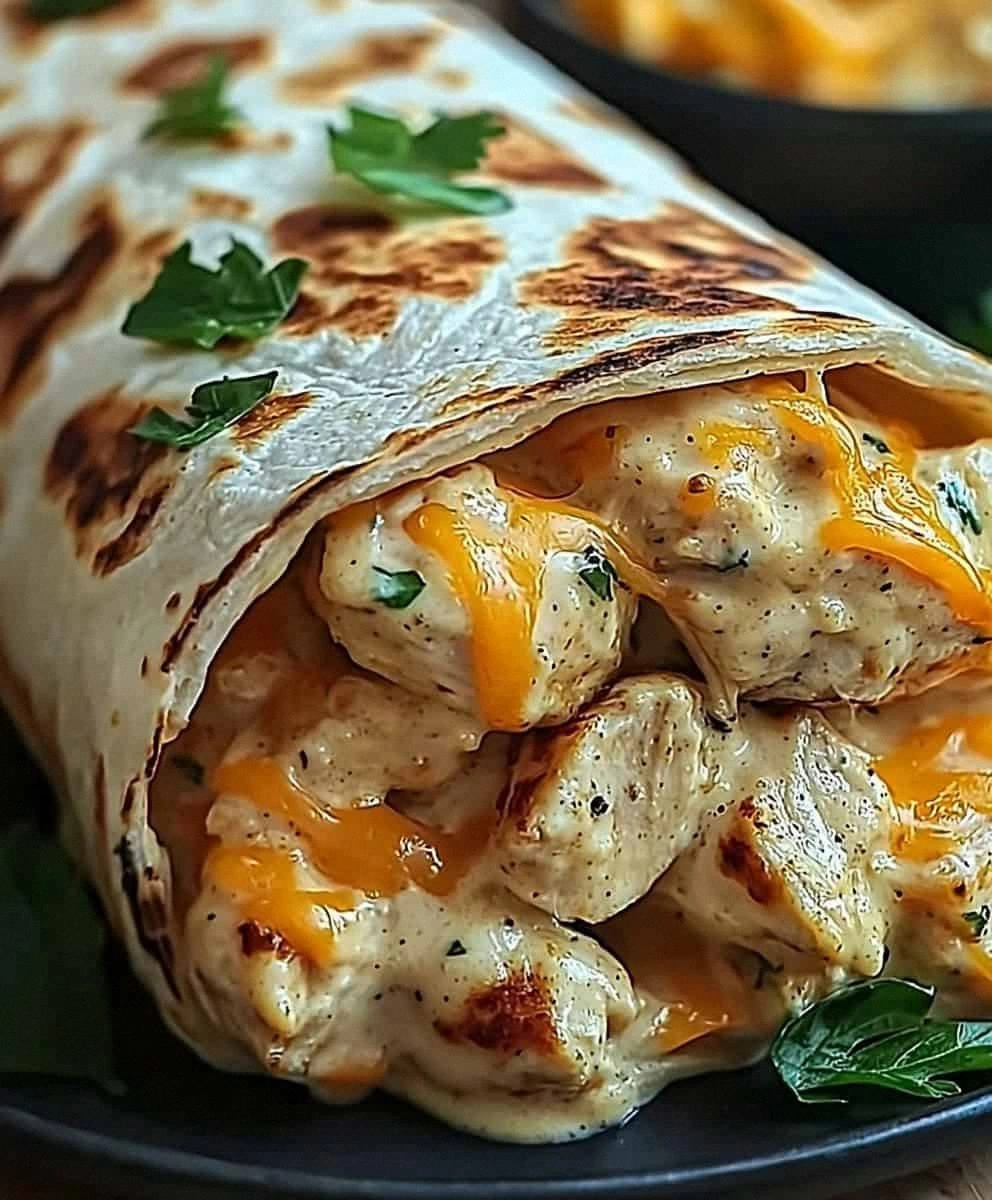
I still remember the day I bit into what I thought was going to be a sad desk-lunch wrap and ended up having a full-blown, eyes-rolled-back, quiet-moment-with-the-universe experience. The outside was toasty and crackling like a campfire marshmallow, the chicken was juicy enough to make me question every dry breast I'd ever eaten, and the cheese—oh, the cheese—had melted into a velvet river that coated every shred of chicken like it was auditioning for a dairy commercial. I looked around my empty kitchen, crumbs on my chin, and whispered, "Why doesn't every wrap taste like this?" That single bite launched a months-long obsession. I tested twenty-three different cheeses, eight tortilla brands, three kinds of chicken prep, and one slightly dramatic incident involving a smoke alarm and a rogue cayenne cloud. Friends started inviting themselves over on wrap-testing nights; my neighbor began leaving Tupperware on my doorstep with sticky notes that read, "Testing fee, pay in wraps."
Most recipes treat a chicken wrap like a sad afterthought—some dry bird slapped in a cold tortilla with a sprinkle of pre-shredded cheese that never quite melts. They skip the step that makes the cheese actually fuse with the chicken, ignore the Maillard magic that happens when you press the wrap on a hot pan, and somehow forget that texture exists. The result? A limp, tepid roll-up that tastes like regret and cafeteria memories. I vowed to right those culinary wrongs. I wanted a wrap that could moonlight as comfort food, a handheld that could steal the spotlight at game night, a recipe so reliable that even my "I burn water" friend could nail it. This version is the glorious love child of a panini press and a quesadilla, raised on a steady diet of flavor and molten cheese science.
If you've ever wrestled with rubbery chicken, tortillas that split the moment you fold, or cheese that somehow disappears into a greasy puddle, you are not alone. I've been there—standing over the trash, mourning a fallen wrap like it owed me rent money. Today we banish those tragedies to the realm of forgotten TikTok trends. We're talking perfectly seasoned chicken that stays succulent, a two-cheese Mornay-style sauce that refuses to separate, and the crisp-crevice finish that makes every bite play crackle-and-melt symphonies on your palate. Picture yourself pulling this golden slab off the skillet, the kitchen perfumed with buttery cheddar and paprika, your people circling like cartoon wolves sniffing a steak. Ready to make that moment happen? Let me walk you through every single step—by the end, you'll wonder how you ever made it any other way.
What Makes This Version Stand Out
Cheese Insurance: We build a quick stovetop Mornay (fancy word for cheese sauce that won't break) so every fiber of chicken gets lacquered in creamy, molten goodness—no cold shredded clumps, no oily separation, just glossy cohesion.
Chicken That Never Saw a Dry Day: A two-stage sear followed by a gentle simmer in the sauce means the meat stays plump and flavored from edge to edge. Say goodbye to stringy poultry that tastes like punishment.
Crispy Edge Factor: After assembly, we pan-press the wrap until the tortilla's exterior turns into thin toffee-like shards while the inside stays soft. It's the textural contrast equivalent of finding the crunchy corner piece of brownie.
Make-Ahead Warrior: The filling keeps three days refrigerated and freezes like a champ. You can batch-cook on Sunday, stuff and toast all week, becoming the lunch hero your future self high-fives.
Pantry Friendly: No specialty store goose chases. Plain flour, milk, basic spices, and grocery-store cheese become restaurant-level luxury with one skillet and a whisk. If you own a fork, you're already halfway there.
Customizable Without Chaos: Swap cheeses, crank up heat, sneak in veggies, or go low-carb with a cheese tortilla. The framework is bulletproof; the flavor playground is endless.
Alright, let's break down exactly what goes into this masterpiece...
Inside the Ingredient List
The Flavor Base
Chicken breast gets a bad rap because it turns into cardboard if you glare at it too long. We solve that by slicing it thin so it cooks in minutes, not millennia. Olive oil brings fruitiness and helps the paprika, garlic powder, onion powder, and black pepper bloom; skipping it leaves the spices tasting dusty like forgotten potpourri. Paprika isn't just a pretty red dust—it adds sweet-smoky depth and turns the chicken a sunset shade that screams "eat me." Salt is our tiny grain of truth: without it, every other flavor sulks in the corner.
The Texture Crew
Butter and flour form the classic roux that thickens our sauce; it's like giving the cheese a cozy blanket so it won't curdle under heat. Milk must be whole or 2%—skim will work, but your sauce will wear thin like discount leggings. Cheddar brings sharp, nutty backbone while Monterey Jack contributes creamy meltability; together they form the Beyoncé and Jay-Z of the dairy world. A pinch of cayenne sneaks in gentle warmth that blooms at the back of your throat, whispering rather than shouting.
The Unexpected Star
Flour tortillas act like edible security blankets, hugging everything together. Size matters—ten to twelve inches lets you fold burrito-style without blowouts. Warm them first; a cold tortilla cracks like your resolve on Monday morning. Shredded lettuce gives cool crunch that prevents the whole affair from turning into a cheese bomb. Diced tomatoes add bright, garden-fresh pop that cuts through richness like a squeeze of lemon on fettuccine. Red onion is optional but adds candy-stripe color and peppery bite that makes each bite feel new.
The Final Flourish
Sour cream or Greek yogurt lend tangy silk that cools spicy edges, a soft blanket for the palate. Hot sauce is the wild card; a few shakes turn up the volume without drowning the cheese symphony. Taste as you go—your tongue is the best measuring spoon ever invented.
Everything's prepped? Good. Let's get into the real action...
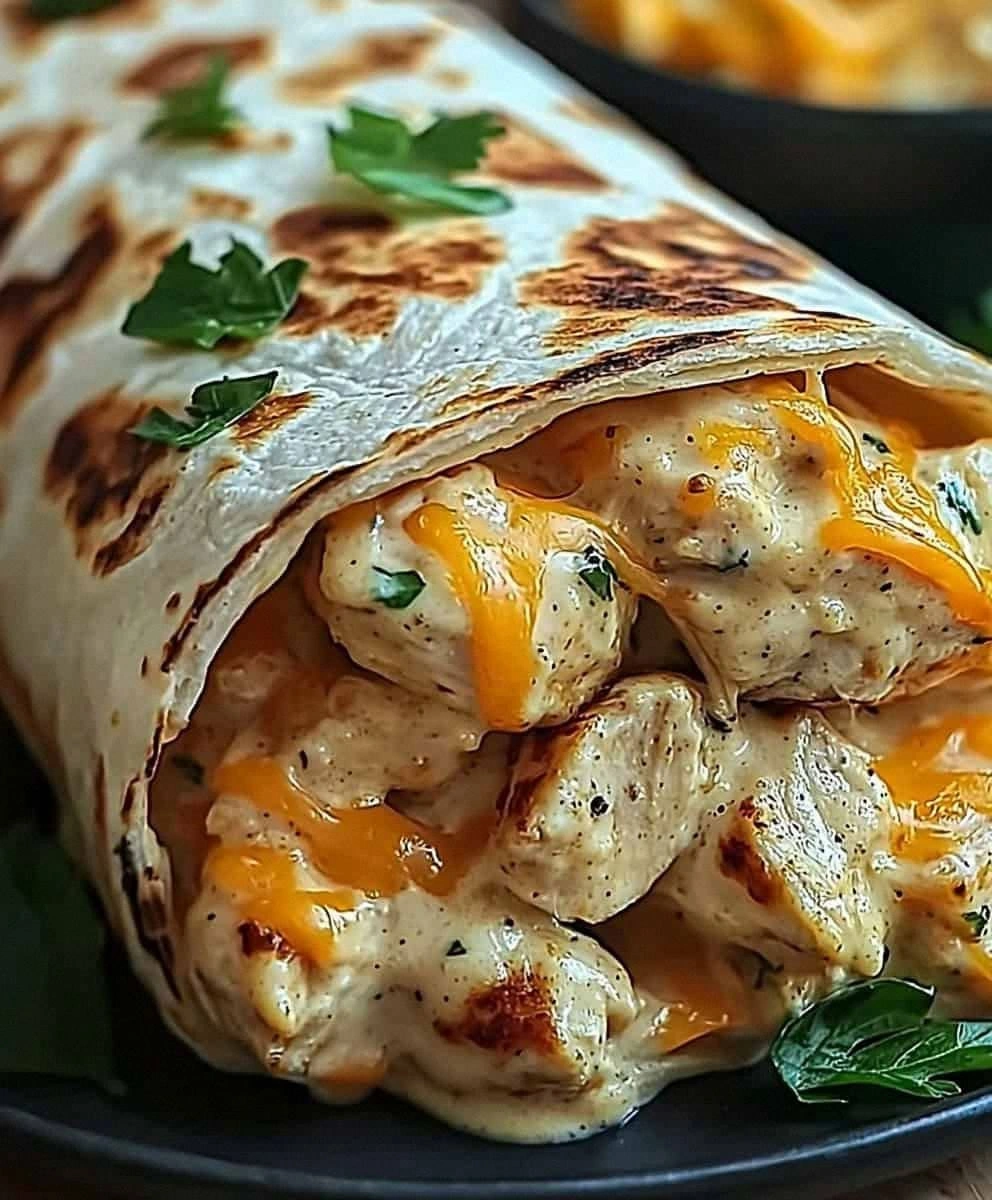
The Method — Step by Step
- Start by patting the chicken breasts hostage-level dry with paper towels—moisture is the enemy of that gorgeous caramel sear we want. Slice each breast horizontally so you have four thin cutlets that cook faster than it takes your playlist to shuffle to that song you secretly love. This thinness means the seasoning penetrates in minutes, not hours, and the chicken stays juicy because it leaves the pan sooner. Season both sides with paprika, garlic powder, onion powder, black pepper, and salt, pressing the spices in like you're tucking them into bed.
- Heat olive oil in a large skillet over medium-high until it shimmers like a mirage on hot pavement. Lay the cutlets down; they should hiss like an angry cat—music to any cook's ears. Sear for two minutes per side until a crust forms that's the color of antique mahogany. Remove to a plate; don't worry about doneness yet because we'll finish them in the sauce. That crust equals flavor strata that will later mingle with molten cheese.
- Lower heat to medium and melt butter in the same pan, scraping up those bronzed chicken bits—free flavor nuggets. Whisk in flour and cook for one minute; the roux should smell like buttery hazelnuts and look like wet sand on a Caribbean beach. Gradually pour in milk while whisking; patience here prevents lumps that look like cottage cheese gone rogue. Keep whisking until the mixture thickens enough to coat the back of a spoon; you'll know it's ready when a finger drawn across the spoon leaves a clean trail like a ski slope in fresh powder.
- Stir in cheddar and Monterey Jack a handful at a time, letting each addition melt before the next. The sauce should slump lazily off your spoon like silk pajamas sliding off a satin pillow. Season with salt, pepper, and cayenne if you like a gentle back-of-throat glow. Now nestle the chicken back into the pool of liquid gold; simmer for three minutes so the meat finishes cooking and drinks up cheese like it's on vacation.
- Remove from heat and let the filling cool for five minutes; this prevents tortilla steam that causes blowouts. Taste and adjust salt; remember the cheese adds saltiness so you may not need extra. Shred the chicken directly in the pan using two forks; you want bite-size ribbons that will roll neatly without poking through the wrap.
- Lay a tortilla on a board and sprinkle a sparse layer of lettuce down the center—think of it as a crunchy raft that keeps the cheese from sogging through. Spoon one quarter of the cheesy chicken mixture on top, then tomatoes, red onion, a whisper of sour cream, and hot sauce if you're feeling sassy. Roll burrito-style: fold the sides in, then roll from the bottom, tucking and tightening like you're swaddling a baby.
- Heat a dry skillet over medium and place the seam side down. Set a heavy pan or cast-iron press on top; this presses the wrap like a panini and creates that crave-worthy crispy shell. Cook for two minutes until the bottom turns golden and the edges start to bronze like summer shoulders. Flip, press again, and toast the second side. The tortilla should sound hollow when tapped—kitchen sonar for crunch.
- Transfer to a cutting board and let rest for one minute; this sets the cheese so it doesn't lava-flow when you slice. Use a sharp knife to halve on the diagonal—yes, diagonal matters because it feels fancier and gives you more surface area to admire the molten cross-section. Serve immediately while the cheese is still a silky river and the exterior crackles like thin ice underfoot.
That's it—you did it. But hold on, I've got a few more tricks that'll take this to another level...
Insider Tricks for Flawless Results
The Temperature Rule Nobody Follows
Room-temp cheese melts faster and smoother, so pull your shredded cheese from the fridge while the chicken sears. Cold cheese hits hot sauce and seizes into stubborn pebbles that refuse to blend. If you're in a rush, microwave the cheese for eight seconds—just long enough to knock off the chill, not turn it into pizza rubber.
Why Your Nose Knows Best
When the roux smells like toasted hazelnuts and your kitchen suddenly feels like a Parisian bistro, you've nailed the flour cook-out. Under-cooked flour tastes like kindergarten paste; over-cooked roux turns nut-brown and will thicken less. Trust the aroma—it's more reliable than the clock.
The 5-Minute Rest That Changes Everything
After toasting, let the wrap nap for five minutes before slicing. The cheese sets just enough to stay inside, and the exterior stays crisp instead of turning sweaty. A friend tried skipping this once—let's just say it ended with molten cheddar on her favorite white jeans.
Creative Twists and Variations
This recipe is a playground. Here are some of my favorite ways to switch things up:
Buffalo Blue-Cheese Blitz
Replace half the cheddar with crumbled blue, spike the sauce with ¼ cup buffalo wing sauce, and swap lettuce for shredded celery. The result tastes like game-day wings decided to cosplay as lunch.
Green Chile Avalanche
Fold in a drained can of chopped Hatch chiles and swap Monterey Jack for pepper jack. The gentle burn builds slowly, like sunburn you don't notice until you're glowing.
Breakfast-for-Dinner Edition
Add scrambled eggs and crumbled bacon to the filling, then serve with a side of maple syrup for dipping. Sweet-salty-smoky chaos that makes grown adults fight over the last bite.
Mediterranean Escape
Use shredded rotisserie chicken tossed with oregano, swap cheeses for feta and mozzarella, add chopped spinach and sun-dried tomatoes. Serve with tzatziki for a vacation in wrap form.
Low-Carb Cheese Wrap
Skip the tortilla, sprinkle shredded cheese in a non-stick pan, cook until crisp, add filling and roll. It's keto-friendly and tastes like the frico you didn't know you needed.
Storing and Bringing It Back to Life
Fridge Storage
Cool the filling completely before refrigerating in an airtight container; it keeps up to three days. Wraps are best assembled fresh, but you can stash built ones in parchment and reheat in a dry skillet. Add a tiny splash of water to the pan before covering with a lid; the steam revives the tortilla while the bottom crisps.
Freezer Friendly
Freeze the filling in zip-top bags pressed flat for up to two months. Thaw overnight in the fridge, then warm gently with a splash of milk to loosen the sauce. Freeze assembled wraps by wrapping each in parchment then foil; reheat from frozen in a 400°F oven for 20 minutes, flipping halfway.
Best Reheating Method
Skip the microwave unless you enjoy rubber tragedies. Instead, warm a skillet over medium, add the wrap seam-side down, cover with a lid, and heat for three minutes per side. The lid traps steam so the inside melts while the bottom stays crisp. If the tortilla browns too fast, lower the heat and add a teaspoon of water to create a quick steam bath.