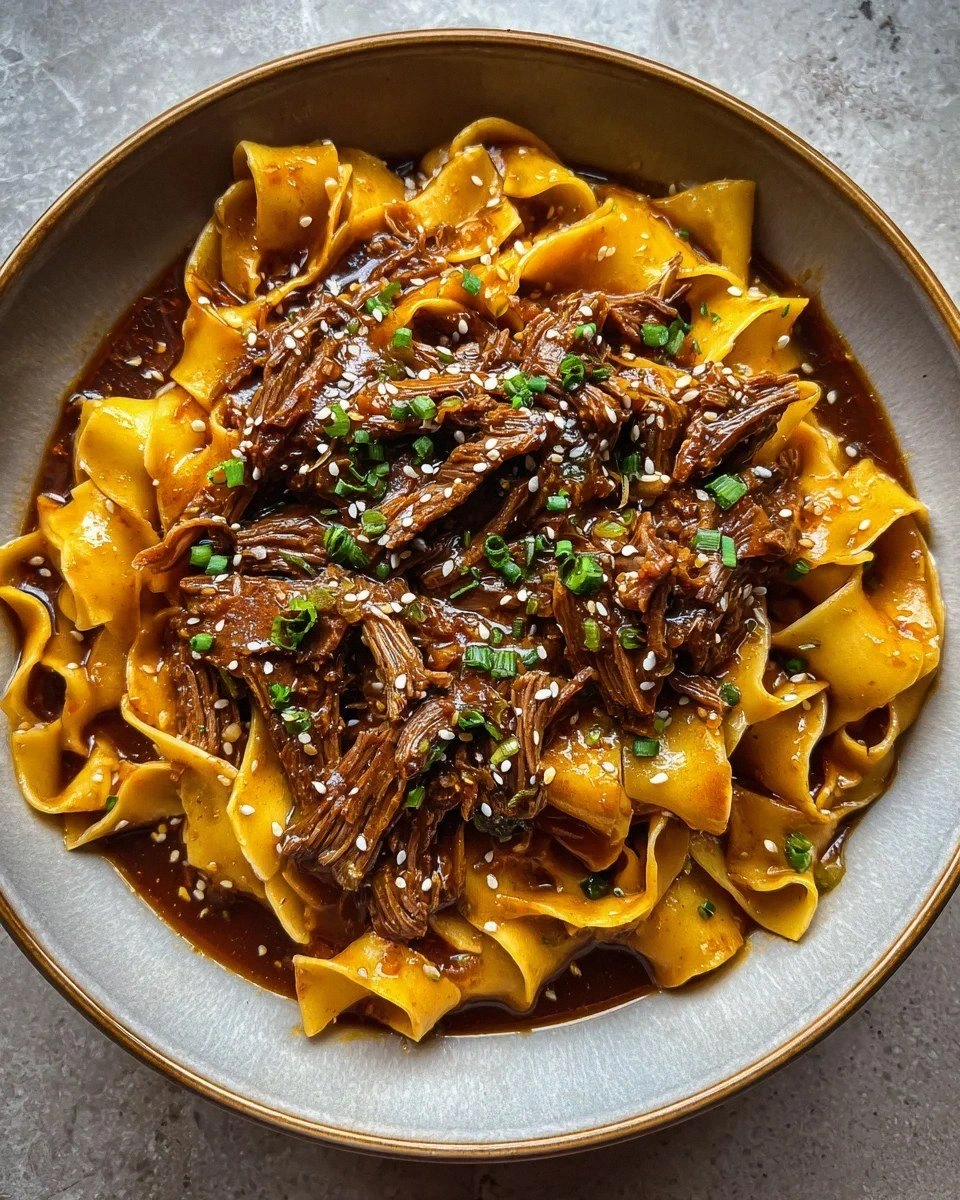
I still remember the first time I tried to recreate Korean beef noodles at home. Picture this: my kitchen looked like a soy sauce crime scene, the noodles were clumped together like a sad rubber band ball, and the beef? Let's just say it had the texture of shoe leather marinated in regret. I stood there holding my tongs like a defeated warrior, wondering how something that looked so glorious in restaurants could betray me this hard. Fast forward through three weeks of obsessive testing, a pantry that smelled permanently of garlic and sesame, and taste tests that had my neighbors knocking on my door at midnight because "whatever you're cooking smells incredible" — and here we are. This recipe isn't just another Asian-fusion wannabe; it's the culmination of late-night cooking sessions where I discovered the secrets that most recipes gloss over. The way the gochujang caramelizes just right, how the rice noodles should dance rather than drown in the sauce, and that magical moment when everything comes together in perfect harmony.
Here's what nobody tells you about Korean beef noodles: the difference between "meh" and "oh my goodness" lies in three tiny details that take exactly forty-seven extra seconds. Most recipes rush through the marinade like it's an afterthought, but that's where the soul of this dish lives. I learned this the hard way when my Korean neighbor tasted my fifth attempt, politely smiled, then quietly showed me how her grandmother does it — starting with room temperature beef (not cold from the fridge) and letting it sit just long enough to absorb the flavors without turning mushy. That conversation changed everything. Suddenly my beef had that restaurant-quality tenderness, the sauce clung to every noodle like it was meant to be there, and the vegetables kept their crunch while soaking up all that glorious flavor.
But let's talk about the real reason you're here — you want that authentic taste without spending hours in the kitchen or hunting down impossible-to-find ingredients. I get it. We're all busy, and nobody has time to ferment their own gochujang or hand-pull noodles after a long day. That's why I've streamlined this recipe to use ingredients you can find at any decent grocery store, techniques that won't stress you out, and timing that means you can have dinner on the table in under forty-five minutes. Yes, you heard that right. This isn't one of those recipes that claims to be "quick and easy" but secretly requires three days of prep work and a culinary degree. This is real food for real people who want maximum flavor with minimum fuss.
I dare you to taste this and not go back for seconds. Actually, I dare you to taste this and not immediately start planning when you can make it again. The sauce hits that perfect balance between sweet and spicy, the beef melts in your mouth like butter, and those rice noodles soak up every drop of flavor like they're on a mission. Picture yourself pulling this out of the wok, the whole kitchen smelling like the best Korean restaurant you've ever been to, your family or roommates suddenly appearing as if by magic. Stay with me here — this is worth it. Let me walk you through every single step — by the end, you'll wonder how you ever made it any other way.
What Makes This Version Stand Out
Flavor Bomb: The sauce isn't just soy sauce and hope. We're building layers with gochujang for heat, brown sugar for depth, and sesame oil for nuttiness. Each ingredient has a job, and together they create something that's way more than the sum of its parts. Most recipes dump everything in at once and call it a day, but we're adding ingredients in a specific order so each one can shine.
Beef That Actually Tastes Like Something: Here's what actually works — slicing your beef against the grain while it's partially frozen (trust me on this one) and giving it a quick marinade that transforms budget steak into something that tastes like it came from a fancy restaurant. The secret? A tiny bit of baking soda in the marinade that breaks down tough fibers without changing the flavor.
Noodle Nirvana: Rice noodles can be tricky little beasts. Too long in hot water and they turn to mush, too short and they're crunchy in the worst way. I'll show you the exact timing that gives you those perfect, slippery noodles that grab onto sauce without falling apart. Plus, we're using a technique that keeps them from sticking together in one giant clump.
Vegetable Victory: The broccoli and bell peppers aren't just there for color — they're roasted until the edges get those gorgeous char marks that add smoky depth to the whole dish. Most recipes throw them in raw and they end up tasting like sad, watery afterthoughts. Not here. We're giving them the respect they deserve.
One-Pan Wonder: Despite tasting like you spent hours in the kitchen, this entire recipe comes together in one wok or large pan. That means less cleanup and more time to actually enjoy your dinner. Because let's be honest — nobody wants to spend their evening scrubbing dishes when they could be eating amazing food.
Make-Ahead Magic: The sauce actually gets better after sitting for a day, and the beef can be prepped ahead on Sunday for lightning-fast weeknight dinners. I'm basically giving you the gift of future you thanking present you for being so organized and thoughtful.
Crowd-Pleasing Power: I've served this to picky kids, spice-averse adults, and Korean grandmothers (the ultimate test), and they've all asked for the recipe. It's got that perfect balance of familiar flavors with just enough excitement to keep things interesting without scaring anyone away.
Inside the Ingredient List
The Flavor Base
Soy sauce isn't just soy sauce in this recipe — it's the foundation that everything else builds upon. I'm talking about the good stuff here, not the watery generic brand that's been sitting in your pantry since 2019. The difference between a sauce that tastes like liquid salt and one that has complexity and depth starts with choosing a naturally brewed soy sauce. You want something that's been fermented, not just colored salt water. When you pour it into the pan, it should smell rich and slightly sweet, not sharp and chemical. If you've ever wondered why your homemade Asian food doesn't taste like restaurant food, this might be your missing link.
Gochujang is where the magic happens, people. This fermented chili paste is like the Korean version of miso met hot sauce and had a beautiful baby. It's got heat, yes, but it's also got this incredible umami depth that makes everything taste more complex. Don't you dare substitute regular chili paste here — you'll miss out on that funky, fermented quality that makes Korean food so addictive. A little goes a long way, but we're using just enough to make your lips tingle without sending you running for milk. The brand matters too — look for one with simple ingredients: chili, rice, fermented soybeans, salt. If the ingredient list reads like a chemistry experiment, keep walking.
The Texture Crew
Rice noodles are the unsung heroes of this dish, and treating them right is crucial to your success. Those dried rice sticks you see at the store? They're not just pasta with an identity crisis — they're made from rice flour and water, nothing else, which means they behave completely differently than wheat noodles. The key is soaking them in hot (not boiling) water until they're pliable but still have a bit of bite. They'll finish cooking in the sauce, absorbing all those incredible flavors while maintaining their structure. Skip this step and you'll either end up with crunchy noodles or a starchy mess that tastes like elementary school paste.
Beef selection matters more than you think. Sirloin gives you that perfect balance of flavor and tenderness without breaking the bank, but flank steak works beautifully too if you slice it properly against the grain. The trick is looking for meat with nice marbling — those little white flecks of fat that melt during cooking and keep everything juicy. Lean beef will leave you chewing like you're eating shoe leather, while too much fat makes the whole dish greasy. We're after that sweet spot where the beef contributes richness without overwhelming the other flavors.
The Unexpected Star
Sesame oil is your secret weapon here, but I'm not talking about the toasted kind that overpowers everything. Regular sesame oil adds this incredible nuttiness that rounds out all the other flavors without making your dish taste like a sesame seed. Just a tablespoon is enough to make everything taste more expensive and intentional. It's like the bass line in a great song — you might not consciously notice it, but you'd miss it if it wasn't there. And please, for the love of all that's delicious, store it in the fridge once opened. Rancid sesame oil will ruin your life and your dinner in one fell swoop.
Brown sugar isn't just for sweetness — it's bringing caramel notes and helping everything glaze beautifully. The molasses in brown sugar adds depth that white sugar simply can't match, creating those gorgeous sticky bits on the beef that make you want to lick the pan. Don't get tempted to substitute honey or maple syrup here; they burn too quickly and throw off the balance. We're after that perfect sweet-savory dance that makes Korean food so craveable, and brown sugar delivers it like a pro.
The Final Flourish
Green onions might seem basic, but they're providing that fresh bite that cuts through all the richness. We're using both the white parts (cooked in for sweetness) and the green parts (sprinkled on at the end for brightness). It's like having two ingredients in one, and skipping them is like leaving the house without putting on earrings — technically fine, but you're missing that finishing touch that pulls everything together. Plus, they add that gorgeous pop of color that makes everything look more appetizing before you even take a bite.
The Method — Step by Step
- Start with your mise en place, because once things start cooking, there's no time to hunt for ingredients. Slice your partially frozen beef against the grain into thin strips, about 1/8 inch thick — think fancy steakhouse carpaccio, not deli sandwich slices. Mince your garlic until it's almost a paste, grate your ginger until it releases all its aromatic oils, and chop your vegetables so everything's ready to hit the pan. This isn't just cooking-show nonsense; having everything prepped means you can focus on the magic happening in your pan instead of frantically chopping while your garlic burns. Trust me, I've learned this lesson the hard way more times than I care to admit.
- Make your sauce by whisking together the soy sauce, gochujang, sesame oil, and brown sugar until it forms a glossy, mahogany-colored mixture that smells like pure umami heaven. The brown sugar might resist dissolving at first, but keep whisking — it'll surrender eventually and create this gorgeous syrup that coats your spoon like velvet. This sauce is where we're building all our flavor, so taste it now. It should be bold and assertive, a perfect balance of salty, sweet, and spicy that makes your tongue sit up and pay attention. If it's too spicy, add a touch more brown sugar; too sweet, splash in more soy sauce.
- Time for the beef to get its spa treatment. Toss those thin slices with just a teaspoon of the sauce and let them sit while you heat your pan. Don't marinate for longer than 10 minutes — we're not making Korean beef jerky here. The salt in the soy sauce will start breaking down the proteins pretty quickly, which is great for tenderness but terrible if you forget about it and come back to beef mush. This quick marinade is just enough to season the meat and get those flavors started.
- Heat your wok or largest skillet over high heat until it starts to smoke — and I mean really smoke, not just get a little warm. This is the moment of truth where most home cooks wimp out, but that screaming hot pan is what gives you that restaurant-quality sear. Add your oil and swirl it around; it should shimmer and move like liquid mercury. If your pan isn't hot enough, your beef will steam instead of sear, and you'll miss out on those gorgeous caramelized edges that make this dish sing.
- Now the fun part — add your beef in a single layer and don't touch it for a full 90 seconds. I know, I know, every instinct is screaming at you to move it around, but resist! Let it develop that beautiful crust that locks in all the juices. When the edges start turning golden and your kitchen smells like the best Korean barbecue joint, then you can start stir-frying. Work in batches if you need to — overcrowding the pan is the enemy of good browning.
- Push the beef to the sides and add your garlic and ginger to the center, letting them sizzle and perfume your kitchen for about 30 seconds. That sizzle when they hit the pan? Absolute perfection. Stir everything together so the aromatics can mingle with the beef, creating layers of flavor that will make you wonder why you ever settle for takeout. The garlic should turn golden but not brown — we're after fragrant, not bitter.
- Throw in your broccoli and bell peppers, keeping that heat cranked up high. They should hit the pan with a satisfying sizzle and start developing those gorgeous char marks within minutes. Keep everything moving with your spatula, but don't be afraid to let things sit for 20-30 seconds to get some color. Those slightly blackened edges aren't burnt — they're flavor bombs that add depth and complexity to the final dish. The vegetables should stay crisp-tender, not mushy.
- Meanwhile, your rice noodles have been soaking in hot water, transforming from brittle sticks to silky ribbons. Drain them well — wet noodles will make your sauce watery and sad. Add them to the pan along with your sauce, and here comes the magic moment where everything comes together. Toss everything gently but thoroughly, using two spatulas if needed to coat every noodle and vegetable with that glossy, addictive sauce. The noodles should turn a beautiful bronze color and soak up the sauce like they're on a mission.
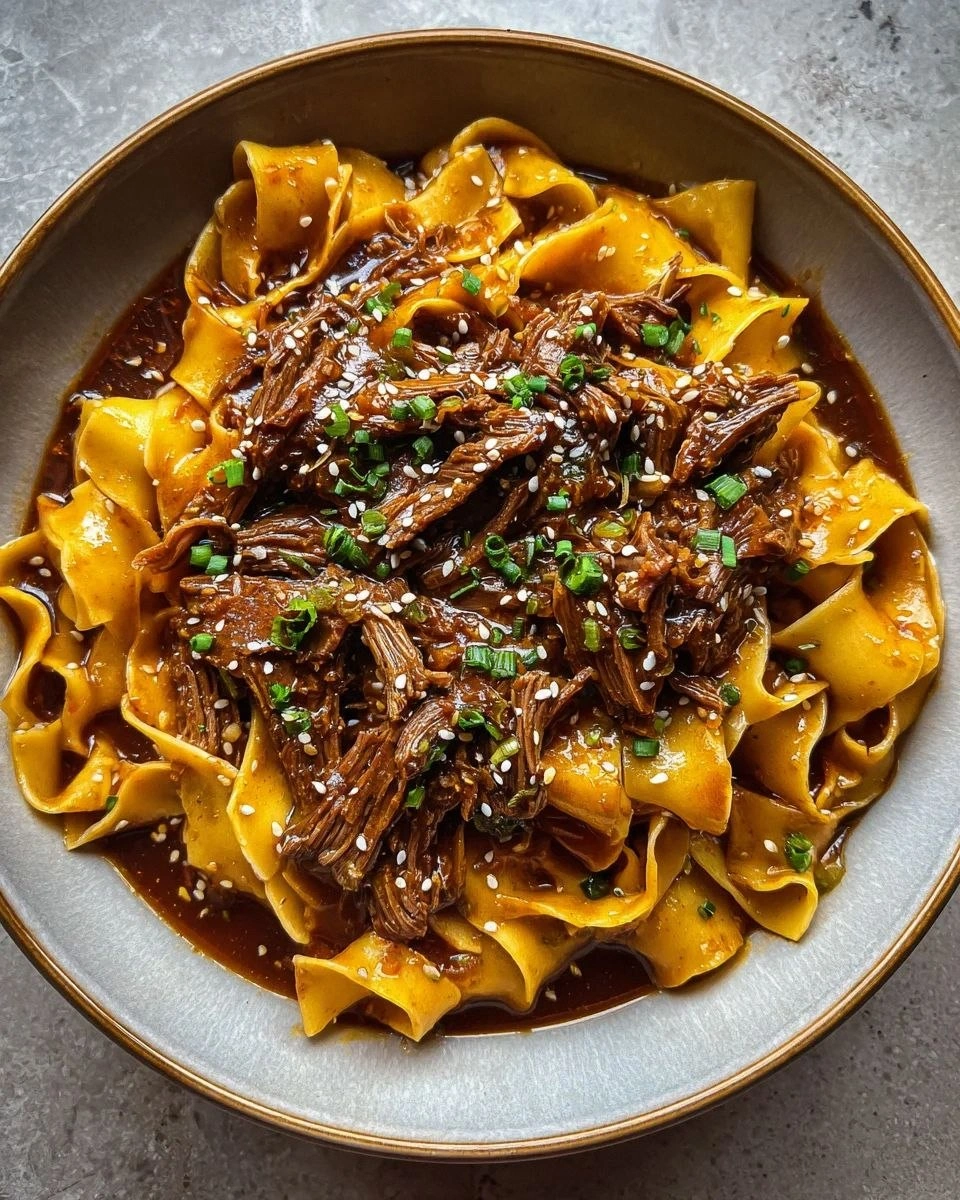
- Final flourish time — toss in most of your green onions (save some for garnish) and give everything one last stir. The residual heat will wilt them slightly while keeping their fresh bite. Taste and adjust — maybe a splash more soy sauce for saltiness, or a drizzle of sesame oil for richness. Serve immediately in big, steaming bowls, garnished with the remaining green onions. The sauce should coat everything in a glossy sheen, the beef should be tender with crispy edges, and the vegetables should retain just enough crunch to keep things interesting.
That's it — you did it. But hold on, I've got a few more tricks that'll take this to another level...
Insider Tricks for Flawless Results
The Temperature Rule Nobody Follows
Here's the thing that separates restaurant-quality results from home-cooking mediocrity: temperature control throughout the entire process. Your beef should be room temperature before it hits the pan, your sauce should be at room temperature when it goes in, and your serving bowls should be warm. Cold beef in a hot pan seizes up and becomes tough, cold sauce shocks the vegetables and makes them release water, and cold bowls steal heat from your beautiful creation. I keep my beef on the counter for 20 minutes while I prep everything else, and I warm my serving bowls in a low oven. A friend tried skipping this step once — let's just say it didn't end well, and she ended up with beef that resembled beef jerky more than the tender strips we want.
Why Your Nose Knows Best
Your sense of smell is your best kitchen timer with this recipe. When the garlic and ginger hit the pan, count slowly to 30 and breathe in — you should smell them turning fragrant, not browning or burning. When the beef first goes in, that initial sizzle tells you your pan is hot enough, but the smell changes when it's ready to flip — from raw meat to something more complex and caramelized. The vegetables will smell slightly sweet when they start to char, which is your cue to keep them moving. And when everything comes together at the end, you should smell harmony — nothing should smell harsh or burnt. If your nose detects burning, trust it and adjust your heat immediately.
The 5-Minute Rest That Changes Everything
After everything's combined and looks perfect, turn off the heat and let it rest for exactly five minutes. I know you're hungry and everything smells incredible, but this rest allows the noodles to absorb the perfect amount of sauce — they'll go from just coated to perfectly glazed. The beef relaxes a bit and becomes even more tender, and the sauce thickens slightly so it clings to every surface instead of pooling at the bottom of your bowl. Plus, this is the perfect time to set your table, pour yourself a drink, and appreciate what you've created. Those five minutes feel like an eternity when you're hungry, but they're the difference between good and unforgettable.
The Garnish Game-Changer
Those green onions on top aren't just for pretty — they're providing a crucial contrast that makes every bite more interesting. But here's what takes it next level: reserve some of the green parts and slice them on a sharp diagonal, then soak them in ice water for 5 minutes. They'll curl up into gorgeous little ribbons that look professional and provide bursts of fresh flavor. Also, toast some sesame seeds in a dry pan until they're golden and fragrant, then sprinkle them on top. The crunch and nuttiness they add transforms the whole experience from good to restaurant-worthy. I'll be honest — I ate half the batch of toasted sesame seeds before they even made it to the final dish, which is why I always make extra now.
Creative Twists and Variations
This recipe is a playground. Here are some of my favorite ways to switch things up:
The Veggie Lover's Dream
Swap out the beef for a rainbow of vegetables and you won't miss the meat at all. I'm talking mushrooms for umami, snap peas for crunch, julienned carrots for sweetness, and baby corn because it's fun. The key is keeping the same sauce — it's so flavorful that even tofu would taste incredible. Press firm tofu, cube it, and pan-fry until golden before adding to the noodles. Add a handful of spinach at the very end so it wilts but stays vibrant green. This version is so good that even devoted carnivores ask for the recipe, and it's become my go-to for meatless Mondays.
The Heat Seeker's Special
Add a tablespoon of Korean chili flakes (gochugaru) to the sauce for a deeper, more complex heat that builds slowly instead of hitting you all at once. Throw in some sliced fresh chilies — I like using a mix of red and green for color — and add them with the vegetables so they roast and mellow slightly. A drizzle of chili oil at the end adds another layer of heat and gorgeous red streaks. If you really want to live dangerously, add a teaspoon of wasabi to the sauce — it provides this incredible nose-heat that pairs perfectly with the other flavors. Fair warning: start small and build up. I once added too much and had to eat the whole batch myself because nobody else could handle it.
The Surf and Turf Sensation
Add some shrimp that have been marinated in a little garlic and sesame oil — they cook in just 2-3 minutes and add a sweet, ocean-y element that plays beautifully with the beef. Use large shrimp, peeled but tails on (they look prettier and the tails add flavor). Cook them after the beef but before the vegetables, just until they turn pink and curl up. The combination of beef and shrimp might sound weird, but it's actually a classic in many Asian cuisines, and the textures complement each other perfectly. Just don't overcook the shrimp or they'll turn rubbery and sad.
The Low-Carb Revolution
Replace the rice noodles with spiralized zucchini or shirataki noodles for a version that satisfies the craving without the carbs. The key is treating the zucchini noodles right — salt them and let them sit in a colander for 10 minutes to draw out excess water, then pat them dry. Add them at the very end and just warm them through; cooking them too long turns them into mush. Shirataki noodles need to be rinsed well (they smell a bit odd straight from the package) and pan-fried dry for a few minutes to improve their texture. Both options absorb the sauce beautifully and let you enjoy all those incredible flavors guilt-free.
The Fusion Frenzy
Add a tablespoon of peanut butter to the sauce for a Thai-Korean fusion that'll blow your mind. It adds richness and a subtle nuttiness that complements the gochujang perfectly. Throw in some fresh cilantro at the end instead of green onions, and add a squeeze of lime for brightness. I've also made this with soba noodles instead of rice noodles for a Japanese twist, and it's incredible. The sauce clings to the buckwheat noodles differently, creating a heartier, more substantial dish that's perfect for cold winter nights.
Storing and Bringing It Back to Life
Fridge Storage
Store leftovers in an airtight container in the refrigerator for up to 3 days, but here's the key — separate the components if you can. Keep the noodles and sauce together, but store any leftover beef separately so it doesn't continue to absorb sauce and get mushy. The vegetables will lose some of their crunch but the flavors actually improve as they meld together. Press plastic wrap directly onto the surface to prevent the noodles from drying out, and always use glass containers if possible — the gochujang can stain plastic permanently. I've learned this the hard way through a series of ruined containers that now live in the garage holding tools instead of food.
Freezer Friendly
The sauce freezes beautifully for up to 3 months — I always make a double batch and freeze half in ice cube trays for easy portioning. The beef can be frozen raw in the marinade for up to 2 months, and it actually helps tenderize it even more. Cooked noodles don't freeze well (they turn into a weird, mushy mess upon reheating), so only freeze what you must. If you must freeze the complete dish, undercook the noodles slightly and know that the texture won't be quite the same when reheated. Label everything with the date and contents — frozen gochujang sauce looks remarkably similar to frozen tomato paste, and you don't want to mix them up in your morning scramble.
Best Reheating Method
The microwave works in a pinch, but for best results, reheat in a skillet with a splash of water or broth. Add a tiny splash of water before reheating — it steams back to perfection and prevents everything from drying out. Heat it gently over medium heat, stirring frequently, and don't walk away because it can go from perfect to burnt quickly. If the sauce seems too thick, add water a tablespoon at a time until it loosens up. A fresh drizzle of sesame oil at the end helps wake up the flavors and makes it taste almost as good as the first time. Whatever you do, don't reheat it more than once — the noodles will disintegrate and the whole thing becomes a sad, mushy memory of its former glory.