I was staring at a half‑cooked chicken breast on the stove, the kitchen smelling like burnt toast and disappointment. My friend had dared me to whip up something that could survive the chaos of a weekday breakfast and still taste like a five‑star brunch. I stared at the clock—five minutes left before the kids were due—and decided that if I could make a dish that was sweet, spicy, and utterly comforting, I would win the dare and, more importantly, my own taste buds.
The first thing that caught my eye was the golden sheen on the chicken, the way the honey glaze caught the light like a tiny sunrise. The air was thick with a scent that was half caramel, half fiery, a promise of something bold. When I lifted the first bite, the sizzle of the pan met a sweet, tangy sauce that hugged the meat like a velvet blanket. The crunch of scallions and the nutty pop of sesame seeds added a satisfying contrast that made the whole experience feel like a symphony of textures.
What makes this version stand out is that it doesn’t just combine sweet and spicy; it layers them with intention. The honey isn’t just a sweetener—it’s a caramelizing agent that gives the chicken a glossy finish. The sriracha provides heat, but it’s tempered by the mild acidity of rice vinegar, creating a balance that keeps the palate from burning. The addition of sesame oil and toasted seeds brings depth, while the scallions add a fresh, green brightness that cuts through the richness. I dare you to taste this and not go back for seconds.
I’ve tried countless breakfast chicken recipes that either leaned too heavily into the savory side or ended up too greasy. This one, however, hits every note—sweet, spicy, umami, and crunchy—like a well‑orchestrated jazz solo. If you’ve ever struggled with a breakfast that feels like a one‑dimensional dish, you’re not alone, and I’ve got the fix. Picture yourself pulling this out of the oven, the whole kitchen smelling incredible, and everyone reaching for a plate. Let me walk you through every single step — by the end, you’ll wonder how you ever made it any other way.
What Makes This Version Stand Out
- Flavor Fusion: The marriage of honey and sriracha creates a complex profile that feels both familiar and adventurous. The sweetness tempers the heat, while the heat amplifies the honey’s depth, preventing the dish from feeling one‑dimensional.
- Texture Play: The chicken’s exterior is caramelized to a crisp, golden shell that cracks with each bite, while the interior remains juicy and tender. The scallions and sesame seeds add a satisfying crunch that contrasts with the silky sauce.
- Ease of Prep: With a single pan and minimal cleanup, you can have a restaurant‑quality breakfast on the table in under an hour. The recipe’s simplicity makes it approachable for beginners and efficient for busy mornings.
- Make‑Ahead Friendly: The dish keeps well in the fridge and can be reheated without losing flavor or texture. This makes it perfect for meal‑prep enthusiasts looking for a breakfast that lasts.
- Ingredient Quality: Using high‑quality soy sauce, fresh ginger, and real honey elevates the dish. Each component is chosen to enhance the others, creating a harmonious final product.
- Versatility: Swap the chicken for tofu, shrimp, or even tempeh, and the sauce adapts effortlessly. It’s a canvas that welcomes your culinary creativity.
- Social Appeal: Friends and family will be amazed by the bright colors, the aromatic steam, and the burst of flavors that dance on their tongues. It’s a conversation starter at any gathering.
Inside the Ingredient List
The Flavor Base
The honey and sriracha form the backbone of this dish, providing the sweet and spicy foundation that defines its character. Honey, with its natural sugars, caramelizes when heated, creating a glossy glaze that clings to the chicken. Sriracha, on the other hand, injects a gentle heat that lingers without overpowering. If you skip either, the dish becomes either too sweet or too bland, losing the delicate balance that makes it memorable.
The soy sauce and rice vinegar add a salty umami depth and a bright acidity that cut through the richness of the honey. Soy sauce brings depth and saltiness, while rice vinegar offers a subtle tang that lifts the overall flavor profile. If you substitute soy sauce with tamari, you’ll still get the savory punch, but the dish will be a bit richer in color.
The Texture Crew
Sesame oil and toasted sesame seeds are the unsung heroes that add nutty aroma and a subtle crunch. Sesame oil’s smoky undertones enhance the savory notes, while toasted seeds provide a satisfying bite that complements the silky sauce. If you’re allergic to sesame, you can replace the seeds with crushed almonds or walnuts for a different crunch.
The scallions are the fresh, green finale that cuts through the sweetness, adding a crisp bite that refreshes the palate. They’re also packed with vitamins and a mild onion flavor that balances the dish. If you prefer a milder taste, simply reduce the amount of scallions or replace them with chives.
The Unexpected Star
The choice of jasmine rice as the base may surprise you, but it’s the perfect canvas for absorbing the sauce without becoming mushy. Jasmine rice’s fragrant aroma and fluffy texture contrast beautifully with the sticky glaze, creating a dish that feels both comforting and luxurious. If you’re a rice purist, swap jasmine for basmati for a nuttier flavor, or use quinoa for a protein boost.
The Final Flourish
The final flourish comes in the form of eggs and the optional garnish of toasted sesame seeds. The eggs add protein and a silky texture that melds with the sauce, creating a creamy layer that ties everything together. If you’re avoiding eggs, simply omit them and double the scallions for extra freshness.
Everything’s prepped? Good. Let’s get into the real action...
The Method — Step by Step
- Marinate the Chicken: In a bowl, whisk together honey, sriracha, soy sauce, rice vinegar, sesame oil, minced garlic, grated ginger, and crushed red pepper flakes. Coat the chicken thighs thoroughly, cover, and let them sit in the fridge for at least 30 minutes. This step allows the sugars to caramelize and the spices to penetrate the meat. The longer you marinate, the deeper the flavor.
- Heat the Pan: Place a large skillet over medium heat and add a splash of vegetable oil. Let the oil heat until it shimmers, then add the marinated chicken thighs skin‑side down. The sizzle you hear is the sound of caramelization beginning. Cook for 5–6 minutes until the skin turns golden and crispy.
- Flip and Cook: Turn the chicken over, reduce heat to medium‑low, and let it simmer in the sauce for another 8–10 minutes. The sauce should thicken to a glossy glaze, and the chicken should reach an internal temperature of 165°F. The edges will pull away slightly, indicating doneness.
- Prepare the Rice: While the chicken cooks, bring a pot of water to a boil, add jasmine rice, reduce to a simmer, cover, and cook for 15 minutes. Fluff with a fork and let it rest. The fluffy grains will absorb the sauce without becoming mushy.
- Cook the Eggs: In a separate pan, scramble the eggs with a pinch of salt and pepper until they’re soft and fluffy. The eggs should be creamy, not dry. Set aside until the final assembly.
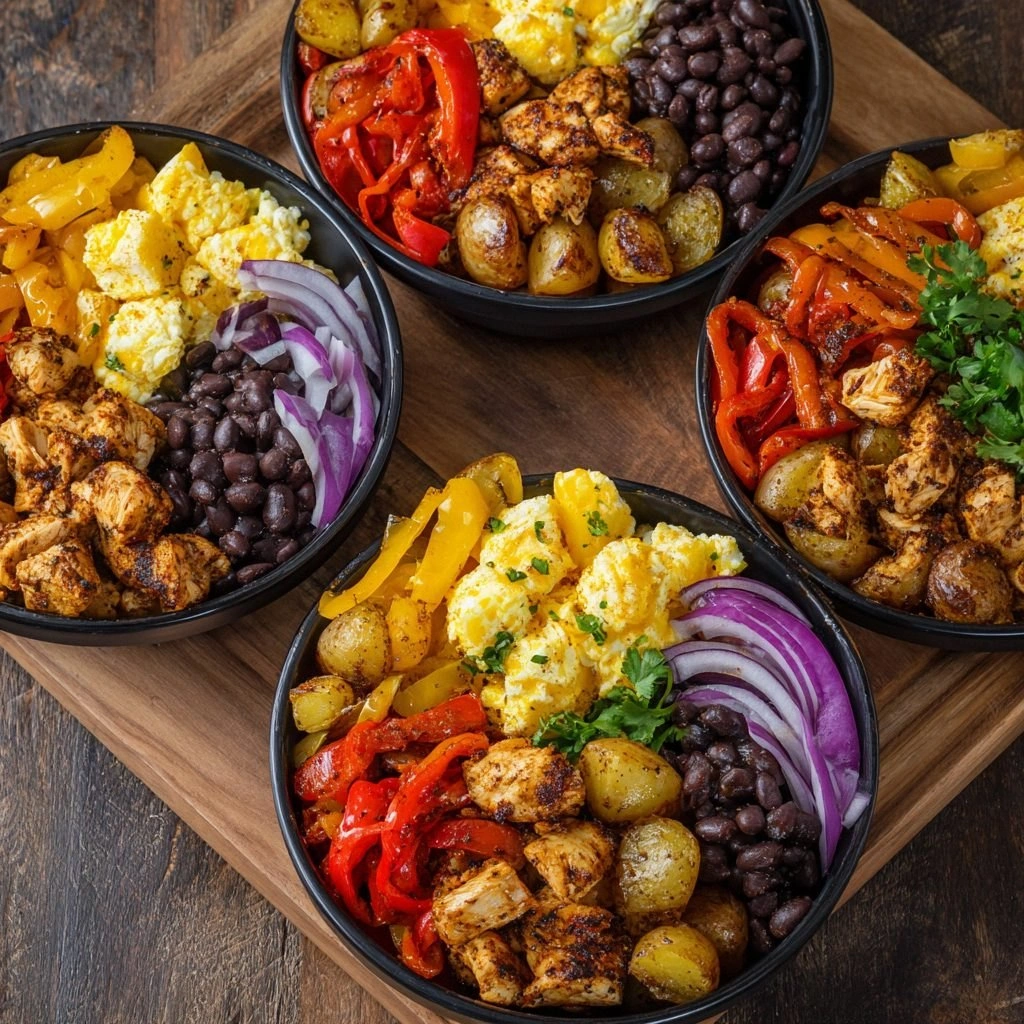
- Assemble the Bowls: Divide the rice into four bowls, top each with slices of chicken, a spoonful of eggs, chopped scallions, and a sprinkle of toasted sesame seeds. The visual contrast of the golden chicken against the white rice and green scallions is almost too pretty to eat.
- Final Touches: Drizzle any remaining sauce over the bowls for extra sweetness and heat. Serve immediately, or let the bowls sit for a few minutes to allow the flavors to meld. The moment the steam rises, you’ll know you’re about to experience pure magic.
- Enjoy: Take a bite and let the sweet, spicy, and umami flavors explode. The texture should be a delightful mix of crispy, chewy, and silky. That sizzle when it hits the pan? Absolute perfection.
That’s it — you did it. But hold on, I’ve got a few more tricks that'll take this to another level. These insider tips will help you avoid common pitfalls and elevate the dish to new heights.
Insider Tricks for Flawless Results
The Temperature Rule Nobody Follows
Many cooks jump straight to high heat, but the secret to a perfect glaze is controlled caramelization. Keep the heat medium‑low after the initial sear, and let the sauce thicken slowly. If you’re watching the sauce, it should bubble gently and reduce to a syrupy consistency within 5–7 minutes. This slow process ensures the sugars don’t burn while still achieving a glossy finish.
Why Your Nose Knows Best
Before you even taste the dish, inhale the aroma. A strong, sweet scent with a hint of heat signals that the honey has caramelized properly. If the smell is overly acidic or metallic, you’ve over‑cooked the sauce. Trust your nose; it’s the quickest way to gauge doneness.
The 5‑Minute Rest That Changes Everything
After cooking the chicken, let it rest for five minutes before slicing. This allows the juices to redistribute, keeping the meat moist and tender. A common mistake is cutting into the chicken immediately, which results in a dry center. Resting also lets the sauce thicken slightly, enhancing the overall texture.
Eggs: The Creamy Bridge
Scramble the eggs in a cold pan and add them to the heat slowly. This technique keeps them soft and fluffy, preventing them from becoming rubbery. A friend once skipped this step and ended up with over‑cooked eggs that clung to the pan; the dish suffered. I learned the hard way that gentle heat is key.
Serve with a Splash of Lime
A squeeze of fresh lime juice before serving adds a bright, citrusy counterpoint that cuts through the sweetness. It also enhances the overall flavor profile, giving the dish a modern twist. Lime is optional, but it’s a game‑changer for those who like a little zing.
Final Presentation Tip
Arrange the scallions in a fan shape on top of each bowl. The visual appeal is instant, and the fresh green color balances the warm tones of the chicken and rice. It’s a simple touch that elevates the dish from good to Instagram‑ready.
Creative Twists and Variations
This recipe is a playground. Here are some of my favorite ways to switch things up:
Tropical Twist
Swap the honey for pineapple juice and add diced mango to the sauce. The tropical sweetness pairs wonderfully with the sriracha heat, creating a beach‑inspired breakfast that’s perfect for summer mornings.
Mediterranean Flair
Use olive oil instead of sesame oil, and finish with a sprinkle of feta cheese and chopped olives. The briny notes complement the honey‑sriracha glaze, giving the dish a Mediterranean edge.
Keto‑Friendly Version
Replace jasmine rice with cauliflower rice and use a sugar‑free honey substitute. The dish remains low‑carb while still delivering the sweet and spicy punch you love.
Vegan Upgrade
Swap the chicken for marinated tofu or tempeh. Use coconut milk instead of eggs for a creamy, dairy‑free layer that still feels indulgent.
Breakfast Burrito
Wrap the chicken, rice, and sauce in a warm tortilla, add a handful of fresh spinach, and top with avocado slices. The result is a portable, handheld breakfast that’s perfect for on‑the‑go mornings.
Spicy Garlic Noodles
Serve the chicken over sautéed noodles instead of rice, and toss the noodles in the same sauce. The chewy noodles absorb the glaze beautifully, creating a comforting, noodle‑based breakfast.
Storing and Bringing It Back to Life
Fridge Storage
Store the chicken and rice separately in airtight containers for up to 3 days. Keep the sauce in a small jar; this prevents the rice from absorbing too much liquid and becoming soggy. When reheating, add a splash of water or broth to restore moisture.
Freezer Friendly
The chicken can be frozen for up to 2 months. Reheat in a skillet over medium heat until warmed through. The rice can also be frozen, but it’s best reheated in the microwave with a damp paper towel to maintain fluffiness.
Best Reheating Method
The ideal way to reheat is on the stovetop. Warm the chicken in a pan until the glaze is bubbling, then add a splash of water or broth to keep it moist. The rice can be reheated in the microwave, but a quick stir in a pan with a bit of oil will revive its texture.