I remember the night I almost turned my kitchen into a battlefield. I had a jar of honey, a bottle of soy sauce, and a fresh pork tenderloin that looked like it could be a star in a Michelin‑rated dish. I was craving something sweet, savory, and utterly irresistible, but the recipe I found online had me juggling a dozen sauces, a blender, and a timer that kept glitching. The result was a sticky mess that tasted like a failed experiment in a chemistry lab.
That disaster was the spark that lit the fire for what would become the definitive honey garlic pork tenderloin. I decided to strip the process back to its essentials, keeping only the ingredients that truly shine: the pork, the honey, the garlic, and a few aromatics that elevate the flavor profile. I tested the dish over several evenings, tweaking the ratios, the cooking times, and the finishing technique until the sauce thickened to a glossy, caramelized coating that clung to the meat like silk. The aroma that filled the kitchen—sweet, roasted garlic, and a hint of toasted sesame—was enough to make the whole house line up for a second helping.
What makes this version stand out is that it respects the natural sweetness of honey and the umami depth of soy sauce while avoiding the cloying sweetness that many other recipes fall into. The pork stays tender and juicy because I sear it first and finish it in the sauce, not the other way around. The garlic is roasted lightly before being crushed, releasing a nutty flavor that balances the honey. And the final touch of freshly chopped scallions adds a bright, green contrast that cuts through the richness.
I dare you to taste this and not go back for seconds. The sauce coats the tenderloin like velvet, and every bite is a revelation of sweet, salty, and aromatic layers. Picture yourself pulling this out of the oven, the whole kitchen smelling incredible, and everyone asking what your secret is. Let me walk you through every single step—by the end, you'll wonder how you ever made it any other way.
What Makes This Version Stand Out
- Flavor: The honey is pure and unadulterated, allowing its natural sweetness to complement the savory pork without overpowering it. This balance creates a sauce that is both comforting and exciting.
- Texture: The pork is seared to lock in juices and then finished in the sauce, giving it a succulent interior and a caramelized exterior that crackles when you bite.
- Simplicity: Only five pantry staples plus the pork, making it a go-to for weeknight dinners without the need for exotic ingredients.
- Uniqueness: The addition of toasted sesame oil and a splash of rice vinegar gives the sauce a subtle tang and nutty aroma that sets it apart from standard honey garlic recipes.
- Crowd Reaction: Friends and family rave about how the dish feels like a restaurant favorite, yet it’s so easy to make at home.
- Ingredient Quality: Using fresh pork tenderloin and high‑quality honey ensures that every bite is flavorful and wholesome.
- Cooking Method: The two‑step sear and sauce finish keeps the pork tender while allowing the sauce to reduce into a glossy glaze.
- Make‑Ahead Potential: The dish can be prepped in advance; the sauce actually improves after resting, making it perfect for meal prep.
Inside the Ingredient List
The Flavor Base
The foundation of this dish is the honey and soy sauce combo. Honey brings natural sweetness and a slight floral undertone, while soy sauce provides umami depth and saltiness. Together, they create a sauce that coats the pork like a silky blanket. If you skip this duo, the dish will feel flat and lack the signature sweet‑savory harmony that defines it.
The Aroma Crew
Garlic and ginger are the aromatic heart of the recipe. Roasted garlic adds a nutty, mellow flavor that contrasts with the sharpness of raw garlic. Fresh ginger injects a peppery bite that keeps the dish from becoming overly sweet. Swapping ginger for a pinch of ground cinnamon can give the dish a warm, spicy twist, but it will change the overall flavor profile.
The Texture Star
Sesame oil is the texture star that adds a subtle nutty flavor and a glossy sheen to the sauce. It also helps prevent the sauce from becoming too thick when it reduces. If you don’t have sesame oil, you can use a neutral oil like canola, but the final glaze will lack the nutty nuance.
The Final Flourish
Scallions and a splash of rice vinegar finish the dish with bright, green freshness and a touch of acidity that cuts through the richness. The scallions add a crunchy texture, while the vinegar balances the sweetness, ensuring the sauce doesn’t taste cloying. If you prefer a milder finish, reduce the vinegar to half a tablespoon.
Everything's prepped? Good. Let's get into the real action.
The Method — Step by Step
- Prep the Pork: Pat the pork tenderloin dry with paper towels. This step is crucial because a dry surface sears better and develops a caramelized crust. Season both sides with salt and freshly ground black pepper, then let it sit at room temperature for 10 minutes to absorb the seasoning.
- Heat the Pan: Place a heavy skillet (preferably cast iron) over medium‑high heat and add a tablespoon of sesame oil. When the oil shimmers, add the pork. The sizzle you hear is the sound of the Maillard reaction beginning—this is the moment the flavor starts to lock in.
- Sear the Tenderloin: Sear the pork for 2–3 minutes per side until a golden brown crust forms. Avoid moving it too early; the crust needs time to develop. Once seared, remove the pork and set it aside on a plate.
- Roast the Garlic: In the same skillet, add the whole cloves of garlic. Roast them for 1–2 minutes until they turn golden and fragrant. The gentle roasting brings out a subtle sweetness that pairs beautifully with honey.
- Make the Sauce: Add minced garlic, grated ginger, and a splash of rice vinegar to the pan. Stir for 30 seconds, letting the aromatics bloom. Then pour in 1/4 cup honey and 1/4 cup soy sauce. Reduce the heat to low and let it simmer for 5 minutes, stirring occasionally.
- Finish the Pork: Return the seared pork to the skillet, nestling it into the sauce. Cover the pan with a lid and let it cook for an additional 10 minutes, turning once to ensure even coating. The pork should reach an internal temperature of 145°F (63°C) for safety.
- Reduce the Sauce: Remove the lid and let the sauce thicken for 3–4 minutes, stirring to prevent sticking. The sauce should be glossy and coat the back of a spoon. This step intensifies the flavor and creates the signature glaze.
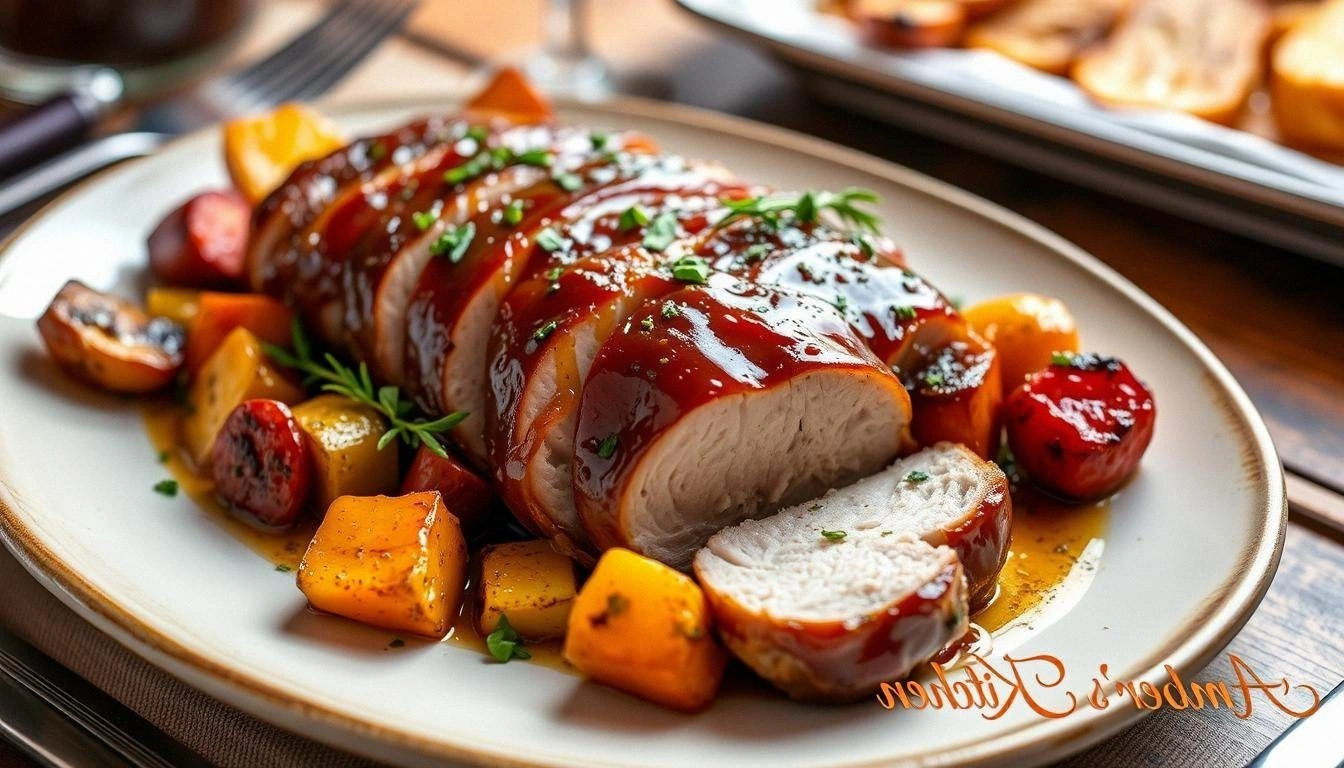
- Finish with Scallions: Sprinkle chopped scallions over the pork before serving. The fresh green contrast brightens the dish and adds a crisp texture. Plate the pork with a drizzle of the remaining sauce and a side of steamed rice or sautéed greens.
That's it— you did it. But hold on, I've got a few more tricks that'll take this to another level.
Insider Tricks for Flawless Results
The Temperature Rule Nobody Follows
Many chefs think a higher heat is always better for searing, but the truth is a moderate temperature gives the pork a more even crust and prevents the honey from burning. I recommend setting the stove to medium‑high and letting the skillet reach the right temperature before adding the pork. This subtle control ensures that the exterior locks in juices while the interior remains tender.
Why Your Nose Knows Best
The aroma is your best indicator of doneness. When the honey starts to bubble and the garlic releases a sweet, nutty scent, the sauce is at the perfect stage for glazing. Trust your nose; if it smells caramelized and slightly toasted, you’re ready to add the pork back in.
The 5‑Minute Rest That Changes Everything
After you finish cooking, let the pork rest for 5 minutes before slicing. This resting period allows the juices to redistribute, ensuring every bite is juicy. Cutting it immediately will cause the juices to escape, leaving the meat dry.
Use a Meat Thermometer for Precision
A quick dip of a digital thermometer into the thickest part of the pork will give you an accurate reading. The target is 145°F. This precision eliminates guesswork and guarantees a safe, perfectly cooked tenderloin.
Finish with a Splash of Citrus
A squeeze of fresh lime or lemon juice right before serving adds a bright zing that cuts through the sweetness. It also brightens the overall flavor profile, giving the dish a modern, vibrant edge.
Creative Twists and Variations
This recipe is a playground. Here are some of my favorite ways to switch things up:
Spicy Sriracha Honey
Add a tablespoon of sriracha to the sauce for a fiery kick. The heat pairs well with the honey’s sweetness, creating a balanced, spicy glaze that’s perfect for adventurous eaters.
Smoky Chipotle Version
Replace the soy sauce with a splash of chipotle‑in‑adobo for a smoky depth. The chipotle adds complexity and a subtle heat that complements the pork’s natural flavors.
Herbed Mediterranean Twist
Incorporate dried oregano and a pinch of thyme into the sauce. This variation gives the dish a Mediterranean flair, making it an excellent pairing with couscous or flatbread.
Asian Fusion with Hoisin
Swap honey for hoisin sauce and add a dash of sesame seeds. The hoisin brings a rich, slightly sweet, and savory profile that turns the dish into a quick Asian fusion meal.
Vegan Pork‑Free Alternative
Use seared tofu or tempeh instead of pork. Follow the same sauce and searing process to achieve a plant‑based version that still delivers the signature honey garlic glaze.
Breakfast‑Style Sweet and Savory
Serve the glazed pork with scrambled eggs and toast for a hearty breakfast. The sweet glaze pairs wonderfully with the savory eggs, creating a comforting morning meal.
Storing and Bringing It Back to Life
Fridge Storage
Store leftovers in an airtight container for up to 3 days. Keep the pork in a separate layer from the sauce to prevent the meat from becoming soggy. When ready to eat, reheat gently in a skillet over low heat, adding a splash of water if the sauce has thickened.
Freezer Friendly
Freeze the pork and sauce separately in freezer‑safe containers for up to 2 months. Thaw overnight in the fridge before reheating. This method preserves the texture and flavor better than freezing them together.
Best Reheating Method
Reheat the pork and sauce on the stovetop over medium heat, stirring occasionally. Add a tablespoon of water or broth to loosen the glaze, then bring to a gentle simmer. This technique restores the sauce’s silky consistency and keeps the pork juicy.