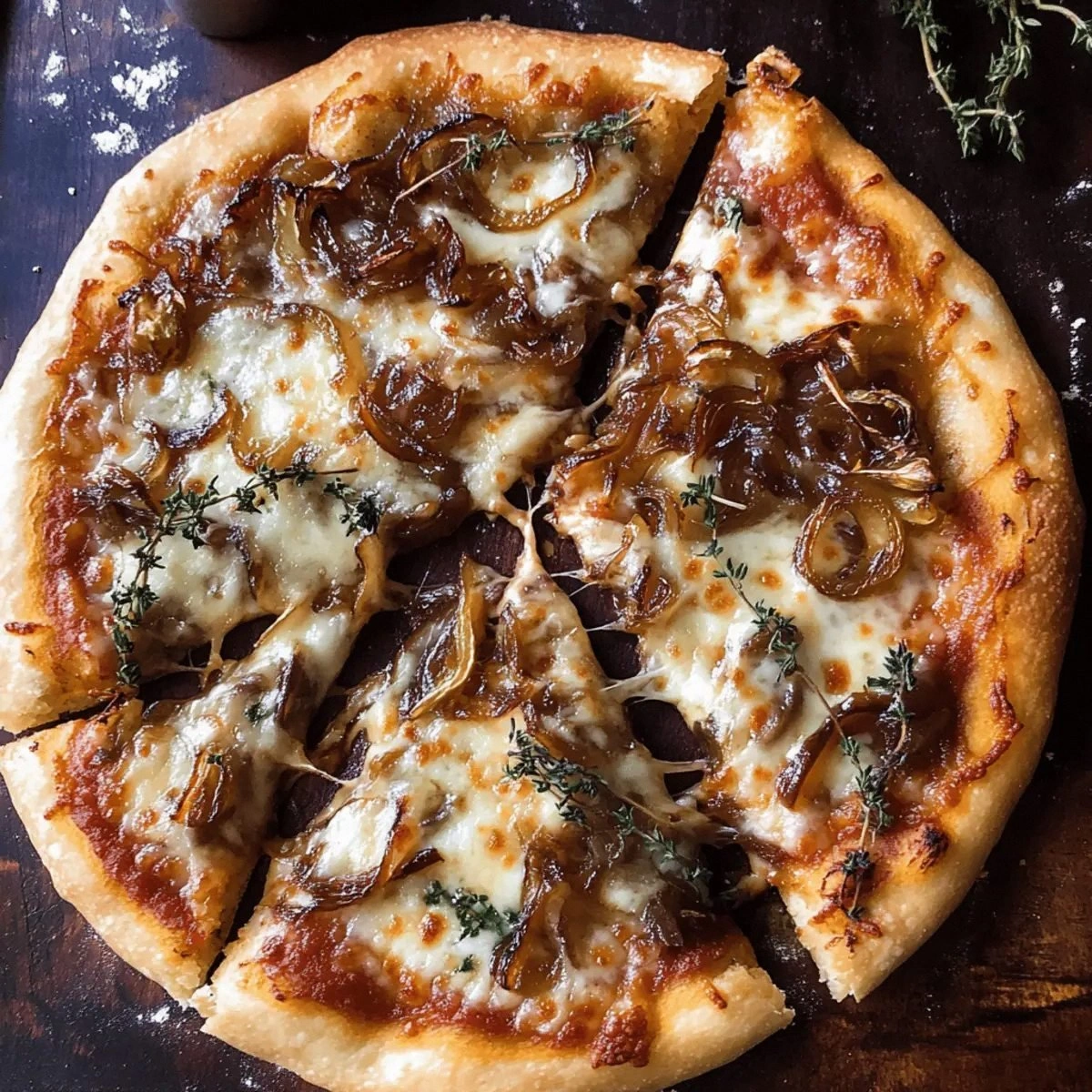
I’m going to be brutally honest: the first time I tried to make a French onion pizza, I ended up with a soggy disaster that looked more like a wilted onion quilt than a masterpiece. I was half‑heartedly daring my roommate to taste it, and she laughed so hard she spilled her wine. That laugh echoed in the kitchen, and I swore I’d never touch a pizza stone again—until the night the smell of caramelizing onions drifted through the apartment and stopped us both in our tracks. The sweet, buttery perfume was so intoxicating it felt like the kitchen itself was giving us a hug, and I knew I had to chase that aroma to its source.
Picture this: a cold November evening, the radiator humming, a soft jazz record playing in the background, and a skillet sizzling with butter as it welcomes thinly sliced sweet onions. The onions begin to turn a deep amber, their edges curling like tiny fireworks, while the butter foams and whispers promises of flavor. A splash of sherry wine joins the party, deglazing the pan with a hiss that sounds like applause. The whole apartment fills with a scent that’s simultaneously sweet, savory, and a touch of wine‑kissed elegance—so powerful that even the cat pauses its nap to stare.
Most pizza recipes treat onions as an afterthought, tossing them raw or giving them a quick sauté that never reaches that luxurious, jam‑like consistency. This version, however, spends the time to coax the onions into a caramelized nirvana that sticks to the crust like velvet and melts into the cheese like a buttery dream. I’m daring you to taste this and not go back for seconds; the depth of flavor is so addictive you’ll be plotting your next pizza night before the first slice even cools.
What truly sets this pizza apart is the secret weapon: a splash of sherry wine paired with beef stock, turning the caramelized onions into a glossy, umami‑rich sauce that seeps into the dough and makes every bite sing. I’ll let you in on a little trick that most recipes miss—adding fresh thyme and a couple of bay leaves right at the end of the caramelization to layer aromatic complexity that’ll make your taste buds do a little happy dance. Okay, ready for the game‑changer? Let me walk you through every single step — by the end, you’ll wonder how you ever made it any other way.
What Makes This Version Stand Out
- Depth: The caramelized onions are simmered in sherry and beef stock, creating a sauce that’s richer than any store‑bought pizza topping.
- Texture: A crisp, buttery crust meets a silky cheese blanket, while the onions add a tender chew that’s almost melt‑in‑your‑mouth.
- Simplicity: Only nine core ingredients, yet each one plays a starring role—no hidden gimmicks, just pure flavor.
- Uniqueness: The French twist of thyme and bay leaves turns a classic pizza into a culinary passport to Provence.
- Crowd Reaction: I’ve watched entire families argue over the last slice; it’s that good.
- Ingredient Quality: Sweet onions and good‑quality Gruyère elevate the dish from ordinary to unforgettable.
- Cooking Method: Slow caramelization builds layers of sweetness that you simply can’t achieve with a quick sauté.
- Make‑Ahead Potential: The onion mixture can be prepared days ahead, letting you assemble the pizza in minutes.
Alright, let's break down exactly what goes into this masterpiece...
Inside the Ingredient List
The Flavor Base
Sweet onions are the heart and soul of this pizza. Their natural sugars caramelize slowly, turning into a deep, honey‑like jam that forms the backbone of the flavor. If you try to skip them or use a milder onion, you’ll lose that rich, sweet‑savory balance that makes the pizza sing. For the best results, choose medium‑sized Vidalia or Walla Walla onions; they’re naturally sweeter and will give you that luxurious caramel without needing extra sugar.
The Texture Crew
Butter is the unsung hero that coats the onions, preventing them from drying out while adding a silky mouthfeel. Two tablespoons is the sweet spot—enough to coat without drowning the onions. If you’re dairy‑free, a splash of olive oil works, but you’ll miss that buttery depth. The cheeses—Gruyère and Mozzarella—team up to create a stretchy, nutty melt that’s both gooey and slightly crunchy on the edges. Skipping Gruyère means you lose that subtle earthiness, while omitting mozzarella makes the pizza less melty.
The Unexpected Star
Sherry wine is the secret weapon. Its acidity cuts through the sweetness of the onions, while its nutty undertones add complexity you’d normally associate with a fine sauce. A half‑cup is enough to deglaze the pan and lift all those caramelized bits—known as fond—into a glossy sauce. If you don’t have sherry, dry white wine works, but the flavor profile will shift slightly toward bright citrus.
The Final Flourish
Fresh thyme and bay leaves are added at the tail end of caramelization, infusing the onion mixture with an aromatic lift that feels like a stroll through a French garden. A pinch of thyme can be substituted with dried, but fresh gives a brighter, more herbaceous punch. The bay leaves, though subtle, provide a background depth that rounds out the sauce. Finally, a portion of pizza dough—store‑bought or homemade—acts as the canvas for this masterpiece. If you’re feeling adventurous, try a sourdough base for a tangier crust.
Everything's prepped? Good. Let's get into the real action...
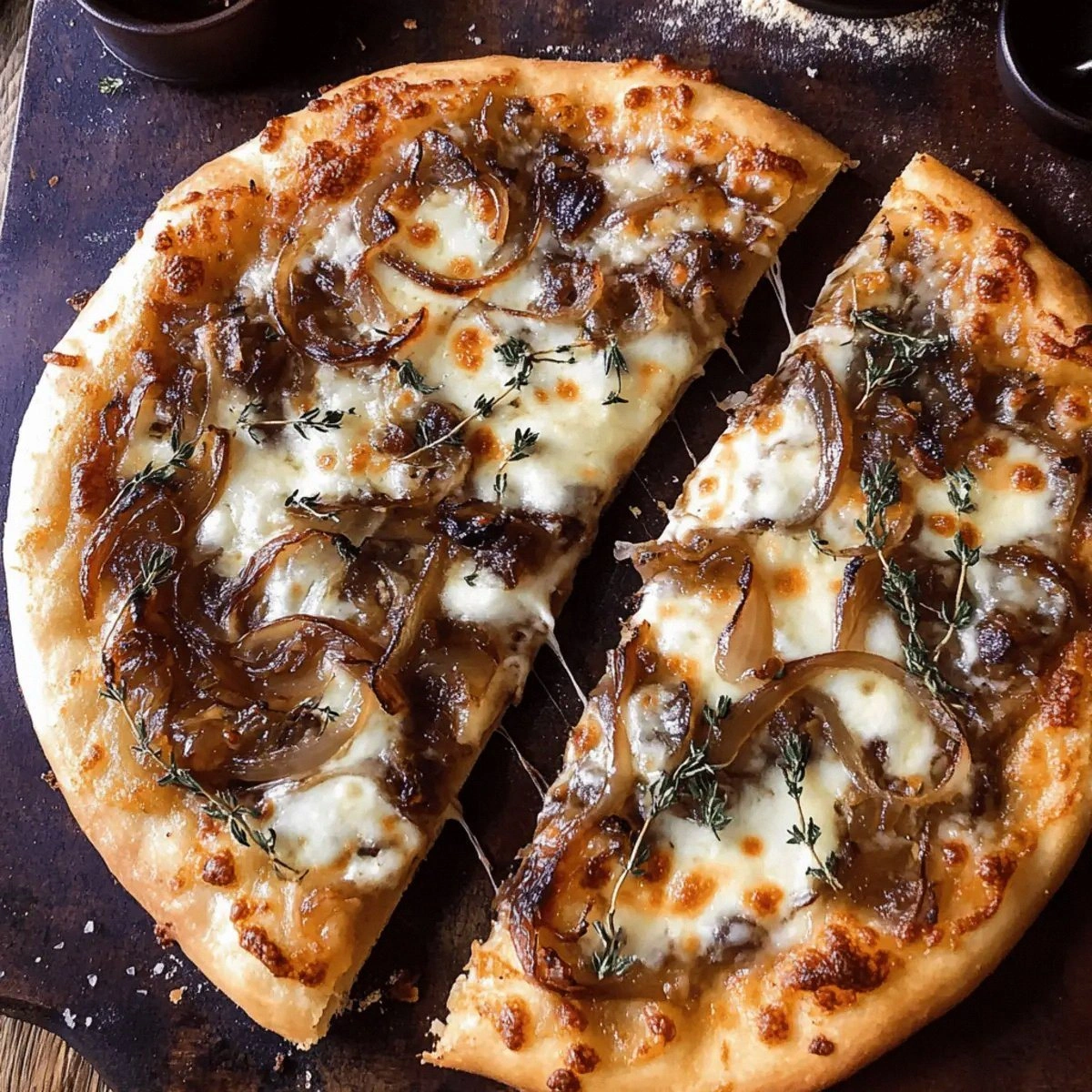
The Method — Step by Step
Start by heating a heavy‑bottomed skillet over medium‑low heat and melt the butter until it foams. Add the thinly sliced sweet onions, spreading them out in an even layer. Let them sit, undisturbed, for about two minutes—this initial sear is crucial for building that golden crust. Then, stir gently and continue cooking for 30‑40 minutes, stirring every few minutes, until the onions are a deep amber and you can smell the sweet perfume rising. That sizzle when it hits the pan? Absolute perfection.
When the onions have reached that perfect caramel hue, sprinkle in the fresh thyme and toss in the bay leaves. Let the herbs release their aroma for about a minute, then pour in the sherry wine, listening for the lively deglazing hiss. Scrape the browned bits from the pan—the fond—because they’re flavor gold. Allow the wine to reduce by half, which should take about three minutes.
Next, add the beef stock, stirring constantly. The liquid will bubble and steam, coaxing the onions into a glossy, sauce‑like consistency. Simmer for another 5‑7 minutes until the mixture thickens enough to coat the back of a spoon. Watch for the sauce to cling—if it slides off, keep simmering.
Kitchen Hack: If the sauce looks too thin, mash a few of the softened onions against the side of the pan; their natural starches will thicken the mixture without extra flour.While the onion sauce is reaching its final sheen, preheat your oven to 475°F (245°C) with a pizza stone inside. If you don’t have a stone, a heavy baking sheet turned upside down works just as well. The high heat is essential for that blistered crust that shatters like thin ice when you bite into it.
Roll out the pizza dough on a lightly floured surface to about 12‑inch diameter. Transfer it onto a parchment‑lined pizza peel.
Watch Out: Over‑stretching the dough can cause thin spots that burn; aim for a uniform thickness, leaving a slightly thicker edge for the crust.Spread the caramelized onion sauce evenly over the dough, leaving a small border for the crust. Sprinkle the shredded Gruyère first; its nutty flavor creates a flavorful base. Then add the mozzarella for that stretchy melt. If you love extra cheese, a light drizzle of extra mozzarella on top won’t hurt.
Slide the pizza onto the preheated stone and bake for 12‑15 minutes, or until the crust is golden‑brown and the cheese bubbles with a few caramelized spots. You’ll know it’s done when the edges start pulling away from the pan and the cheese forms a light, toasted rind.
Kitchen Hack: For an extra‑crisp bottom, slide the pizza onto the stone using a hot metal spatula and then remove the parchment after 3 minutes; the direct contact gives a restaurant‑style crunch.Remove the pizza, let it rest for two minutes to allow the cheese to set, then drizzle a tiny splash of extra sherry or a drizzle of good olive oil for a glossy finish. Slice, serve, and watch your guests' eyes widen as they bite into the caramel‑rich, herb‑infused slice.
That’s it — you did it. But hold on, I’ve got a few more tricks that’ll take this to another level, from finishing salts to post‑bake aromatics that will make your kitchen smell like a French bistro.
Insider Tricks for Flawless Results
The Temperature Rule Nobody Follows
Most home cooks bake pizza at 400°F, thinking it’s “hot enough.” In reality, the magic happens above 475°F, where the crust puffs, the cheese caramelizes, and the onions crisp at the edges. If your oven can’t reach that temperature, crank the broiler for the last two minutes—just keep a close eye, because the cheese can go from perfect to burnt in seconds. I once left a pizza under the broiler for too long and ended up with a charred topping; lesson learned: stay at the stove, not the couch.
Why Your Nose Knows Best
Don’t rely solely on timers. The moment the onion mixture releases that deep, almost smoky aroma, you know it’s ready for the next step. Likewise, when the pizza’s crust starts to smell like toasted almonds and the cheese develops a faint nutty scent, that’s your cue to pull it out. Trusting your senses prevents over‑cooking and yields a pizza that’s perfectly balanced.
The 5‑Minute Rest That Changes Everything
After pulling the pizza from the oven, let it sit for exactly five minutes before slicing. This short rest lets the cheese settle, the sauce thicken slightly, and the crust finish its final steam burst. Cutting too early results in a slidey cheese pull and a soggy base. I’ve seen friends rush to slice and end up with a mess; patience makes the difference between a gourmet slice and a kitchen mishap.
Seasoning the Crust
Brush the crust with a mixture of melted butter, minced garlic, and a pinch of sea salt just before the final two minutes of baking. This creates a golden, aromatic edge that’s as addictive as the toppings. The garlic infuses the crust without overwhelming the onion flavor, and the salt enhances the caramel notes. If you’re watching sodium, use a light dusting of flaky sea salt after baking instead.
The “Finish” Drizzle
A final drizzle of high‑quality extra‑virgin olive oil or a splash of sherry vinegar right after baking adds a bright, glossy finish that lifts the entire flavor profile. The acidity cuts through the richness, while the oil adds a silky sheen. I experimented with truffle oil once—delicious, but it stole the spotlight from the onions, so I keep it as an occasional indulgence.
Creative Twists and Variations
This recipe is a playground. Here are some of my favorite ways to switch things up:
Bacon‑Infused Delight
Crisp up a handful of smoked bacon bits and stir them into the caramelized onion sauce just before spreading on the dough. The smoky pork adds a savory depth that pairs beautifully with the sweet onions and Gruyère. Perfect for meat‑lovers who crave that umami punch.
Mushroom Medley
Sauté a mix of cremini, shiitake, and oyster mushrooms in butter, then fold them into the onion mixture. The earthy mushrooms amplify the umami from the beef stock, creating a woodland‑inspired pizza that feels like a forest walk in every bite.
Herb‑Garden Burst
Swap the thyme for fresh rosemary and add a handful of torn basil leaves after baking. The rosemary adds piney notes while the basil injects a fresh, peppery finish—ideal for spring evenings when you want something bright.
Spicy Kick
Add a pinch of red pepper flakes to the onion sauce while it simmers, or drizzle a thin line of hot honey after baking. The heat cuts through the sweetness, delivering a balanced sweet‑heat experience that’s addictive.
Vegan Version
Replace butter with olive oil, use a plant‑based cheese blend (cashew‑based mozzarella works well), and swap beef stock for a rich mushroom broth. The caramelization process remains the same, and the result is a dairy‑free pizza that still boasts that deep, savory flavor.
Storing and Bringing It Back to Life
Fridge Storage
Let the pizza cool to room temperature, then slice and place the pieces in an airtight container. It will keep for up to three days. Reheat in a skillet over medium heat, covering with a lid for two minutes to melt the cheese, then uncover for a minute to crisp the crust.
Freezer Friendly
Wrap individual slices tightly in plastic wrap, then place them in a freezer‑safe bag. They’ll stay fresh for up to two months. When ready to eat, bake the frozen slice on a preheated stone at 425°F for 8‑10 minutes, adding a splash of water to the pan to create steam and revive the caramelized onions.
Best Reheating Method
For ultimate crispness, use a cast‑iron skillet: heat the skillet over medium‑high, add the slice, cover for a minute to melt the cheese, then uncover and press lightly with a spatula for another minute. A tiny splash of water in the pan before covering creates a steam burst that restores the onion’s glossy sheen without sogging the crust.