I remember the night I was scrambling to impress my roommate who claimed she had a “roasted vegetable” obsession. The fridge was a chaotic mosaic of wilted greens, overripe tomatoes, and a lone bunch of asparagus that had seen better days. I pulled out the carrots, washed them, and decided to give these humble veggies a second chance. I whisked a splash of olive oil, a pinch of salt, a sprinkle of garlic powder, and a dash of dried thyme. The moment the vegetables hit the hot pan, the kitchen filled with an aroma that was part caramelized sugar, part savory herb, and all heartwarming comfort.
That sizzling sizzle, the way the asparagus tips browned to a subtle golden hue, was a revelation. I had never thought a simple side could feel like a culinary masterpiece. I took a bite and the crispness of the carrots clashed wonderfully with the tender, slightly nutty asparagus, all under the cloak of aromatic herbs. The dish was so clean, yet it had depth that made me question every other roasted vegetable recipe I’d ever tried. If you’re hungry for a side that can steal the show at any dinner table, you’re in for a treat.
What makes this version stand out isn’t just the ingredients—it’s the execution. I discovered that tossing the veggies in a single layer on a sheet pan is the secret to achieving that perfect caramelization without steaming them. I also learned that a quick sear in a hot skillet before finishing them in the oven gives the asparagus a smoky edge that’s impossible to replicate with oven-only methods. The addition of garlic powder adds a subtle depth that’s more than just a seasoning—it’s a flavor bridge between the sweet carrots and the earthy asparagus. And the thyme? It’s not just a garnish; it’s a fragrant, herbal hug that pulls everything together. The result? A dish that’s crisp, caramelized, herbaceous, and utterly unforgettable.
I dare you to taste this and not go back for seconds. I’ve tasted countless roasted vegetable dishes, and none have matched the harmonious balance of crunch, sweetness, and herbaceous warmth that this recipe delivers. Picture yourself pulling this out of the oven, the whole kitchen smelling incredible, and knowing you’ve just created a masterpiece that will become a staple in your culinary repertoire. This is hands down the best version you’ll ever make at home, and I’m here to walk you through every single step—by the end, you’ll wonder how you ever made it any other way.
What Makes This Version Stand Out
- Flavor: The combination of garlic powder and dried thyme elevates the natural sweetness of the carrots while complementing the green brightness of the asparagus. The herbs infuse the dish with a subtle, fragrant aroma that lingers long after the last bite.
- Texture: A single-layer roasting technique ensures that each vegetable gets a caramelized crust while staying tender inside. The contrast between the slightly crisp carrots and the tender asparagus creates a delightful mouthfeel.
- Simplicity: No fancy equipment or complicated steps—just a sheet pan, a handful of pantry staples, and a preheated oven. Even a novice can master this side with confidence.
- Uniqueness: The subtle use of garlic powder instead of fresh garlic gives the dish a mellow, rounded flavor that’s more approachable for everyday cooking.
- Crowd Reaction: Guests often comment on the “wow” factor of the caramelized edges and the fragrant herb notes. It’s a conversation starter that elevates any meal.
- Ingredient Quality: Fresh, firm asparagus and firm, sweet carrots make the difference. Choosing high-quality produce ensures the best flavor and texture.
- Cooking Method: A quick sear followed by oven roasting locks in moisture and creates a depth of flavor that stovetop-only methods can’t match.
- Make‑Ahead Potential: The dish can be prepped ahead of time and reheated with a splash of water, making it a perfect side for busy weeknights.
Alright, let's break down exactly what goes into this masterpiece…
Inside the Ingredient List
The Flavor Base
Olive oil is the silent hero that carries every seasoning and brings the veggies together. It not only prevents sticking but also creates a glossy finish that makes the dish visually appealing. If you’re looking for a different flavor profile, avocado oil is a great substitute, offering a mild taste that won’t overpower the herbs. Using extra‑virgin olive oil adds a peppery note that pairs beautifully with the thyme.
The Texture Crew
Asparagus, with its fibrous stalks, delivers a satisfying crunch when roasted properly. Carrots, on the other hand, caramelize into tender, slightly crisp pieces that add a sweet counterpoint. Together, they create a dance of textures that keeps each bite interesting. Skipping either vegetable would leave the dish feeling one‑dimensional, so keep them both in the mix.
The Unexpected Star
Garlic powder is the unsung hero of this recipe. It offers a subtle, savory depth that fresh garlic would overpower. When roasted, it mellows into a sweet, almost nutty flavor that complements the natural sweetness of the carrots. If you prefer a stronger garlic kick, add a tablespoon of minced fresh garlic at the end of roasting.
The Final Flourish
Dried thyme brings an earthy aroma that anchors the dish. Its floral undertones balance the sweetness of the carrots and the green brightness of the asparagus. If thyme isn’t on hand, rosemary or oregano can be used, but note that rosemary may dominate the flavor profile. The key is to use a small amount—just enough to leave a lingering herbal note.
Everything's prepped? Good. Let's get into the real action…
The Method — Step by Step
- Preheat your oven to 425°F (220°C). While the oven heats, wash the asparagus under cold water, snap off the woody ends, and pat dry. Trim the carrots into uniform 1/2‑inch pieces so they roast evenly. A single, even layer on a sheet pan is key to caramelization. The oven will do the heavy lifting—no need to pre‑cook anything else.
- In a large bowl, combine the asparagus and carrots with 2 tablespoons of olive oil, 1 teaspoon of garlic powder, 1/2 teaspoon of dried thyme, 1/2 teaspoon of salt, and a pinch of freshly cracked black pepper. Toss until every piece is coated evenly. This step ensures the flavors penetrate each vegetable. A light dusting of cornstarch (optional) helps the edges crisp up beautifully.
- Spread the coated veggies onto a rimmed baking sheet in a single layer, ensuring they don’t overlap. If you notice any clumps, gently separate them with your hands. The sheet pan should be lined with parchment for easy cleanup. This arrangement allows the hot air to circulate and caramelize the edges.
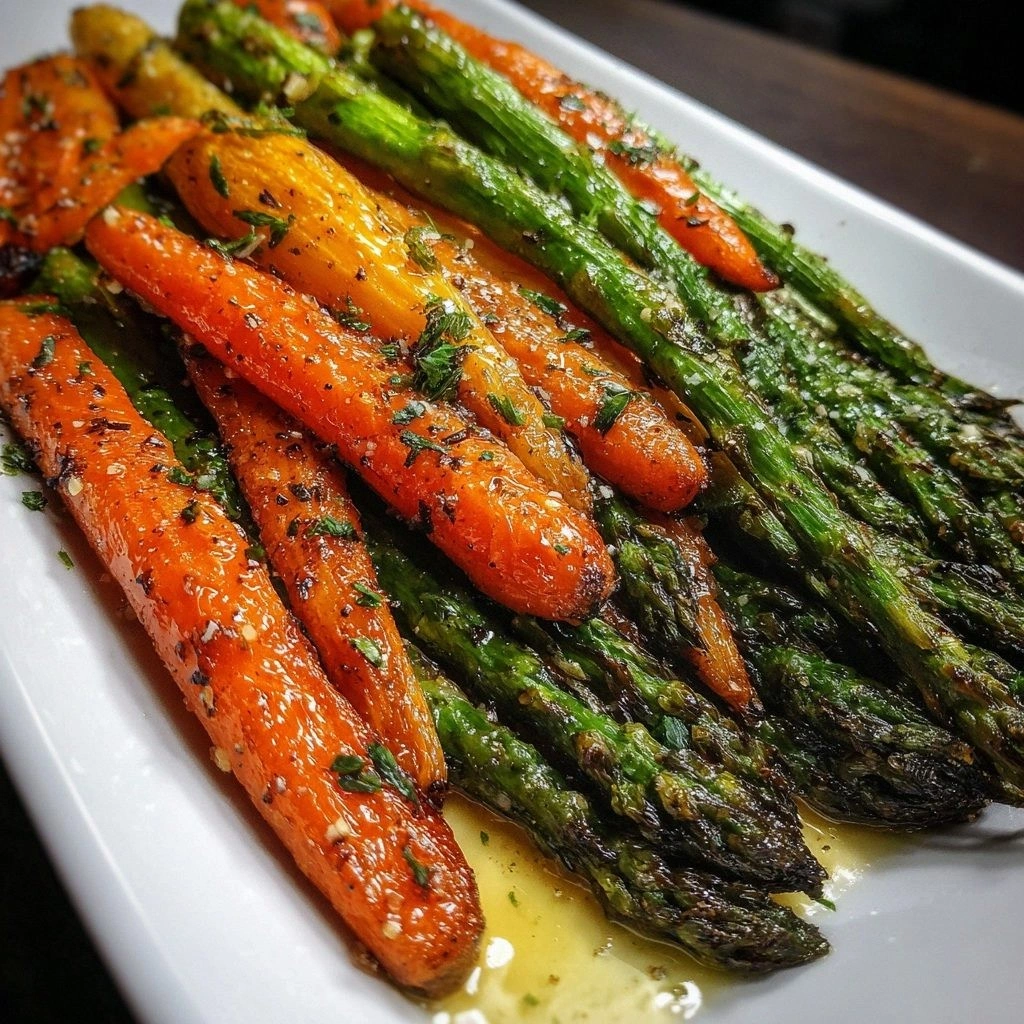
- Place the sheet in the preheated oven and roast for 20 minutes. After the first 10 minutes, flip the vegetables to ensure even browning. The carrots should be tender yet still hold a slight bite, while the asparagus will have a golden crust. The aroma will be irresistible—think caramelized sugar and fresh herbs mingling in the air.
-
Check the vegetables for doneness: the carrots should be tender, and the asparagus should have a slightly blistered, caramelized surface. If you prefer a crunchier finish, extend the roasting time by 2–3 minutes. Taste a piece; the flavors should be balanced—sweet, herbaceous, and slightly smoky.Kitchen Hack: Finish the roast with a squeeze of fresh lemon juice for a bright, acidic lift that cuts through the richness.
- Remove the sheet pan from the oven and transfer the vegetables to a serving dish. Sprinkle an extra pinch of salt if needed. This is the moment of truth—watch the steam rise and the colors deepen. The dish should look glossy, with a hint of golden brown on the edges.
-
Let the dish rest for 2 minutes before serving. This brief pause allows the juices to redistribute, ensuring each bite is juicy and flavorful. The resting period also gives the herbs a chance to settle, enhancing the overall aroma.Watch Out: Don’t overcrowd the pan; otherwise, the veggies will steam instead of roast, leading to soggy carrots and limp asparagus.
- Serve immediately with a drizzle of extra‑virgin olive oil or a sprinkle of grated Parmesan if desired. The dish pairs beautifully with roasted meats, grilled fish, or a hearty grain bowl. It’s also a stand‑alone, nutrient‑rich side that will satisfy both vegetarians and carnivores alike. Enjoy the crispness, the sweet caramel, and the herbaceous finish that make this simple recipe unforgettable.
That's it — you did it. But hold on, I've got a few more tricks that'll take this to another level…
Insider Tricks for Flawless Results
The Temperature Rule Nobody Follows
Many people roast at 400°F, but 425°F is the sweet spot for caramelization. The higher temperature creates a quick sear that locks in moisture while giving the veggies a crisp edge. If you’re using a convection oven, reduce the temperature by 25°F to avoid over‑browning. This simple tweak can transform a good dish into a great one.
Why Your Nose Knows Best
As soon as the first minute of roasting begins, you’ll notice a subtle sweet smell rising from the pan. That scent is the early stages of caramelization. Trust your nose; if you smell a faint sweet aroma, the vegetables are on the right track. If the smell is too sharp, you’re over‑roasting and risking a bitter finish.
The 5‑Minute Rest That Changes Everything
After pulling the pan out of the oven, let the vegetables sit for exactly five minutes. This pause allows the residual heat to finish cooking the carrots and ensures the asparagus stays crisp. It also gives the flavors time to meld, creating a richer, more harmonious taste. I’ve seen dishes that skip this step end up too dry.
Use a Light Dusting of Cornstarch
A thin layer of cornstarch on the veggies before roasting helps create a golden, crisp exterior. The starch breaks down during roasting, forming a natural glaze that enhances the caramelized texture. Be careful not to over‑coat; you want a subtle sheen, not a heavy coating. This hack is especially useful when cooking in a non‑stick pan.
Finish with a Splash of Lemon Juice
A squeeze of fresh lemon juice right before serving brightens the dish and cuts through the richness of the olive oil. The acidity also balances the natural sweetness of the carrots, creating a more complex flavor profile. I always add a few drops at the end, and the difference is palpable.
The “Squeeze the Pan” Trick
When the vegetables are done, use a spatula to gently press them against the pan. This helps the caramelized bits stick to the pan, preventing them from floating away. It also ensures an even distribution of heat, so each piece gets the same golden finish. A quick squeeze is a simple step that can elevate the entire dish.
Creative Twists and Variations
This recipe is a playground. Here are some of my favorite ways to switch things up:
Smoky Chipotle Twist
Add 1 teaspoon of chipotle powder to the seasoning mix for a smoky kick. The heat pairs well with the sweetness of the carrots, creating a balanced, spicy side. Serve alongside grilled steak for a bold flavor profile.
Mediterranean Medley
Swap the dried thyme for a teaspoon of oregano and add a handful of kalamata olives. Drizzle with a splash of balsamic reduction for a tangy finish. This version works wonderfully with roasted chicken or lamb.
Sweet & Spicy Sriracha
Replace the garlic powder with 1 tablespoon of sriracha sauce for a spicy, umami-packed flavor. Add a dash of honey to balance the heat. The result is a vibrant, fiery side that pairs well with rice or quinoa.
Herb‑Infused Parmesan Finish
After roasting, sprinkle grated Parmesan and a handful of chopped fresh parsley over the vegetables. The cheese melts slightly, creating a creamy layer that complements the crispness. This variation is perfect for a quick lunch or a light dinner.
Maple‑Glazed Carrot Boost
Drizzle 1 tablespoon of pure maple syrup over the carrots before roasting. The syrup caramelizes into a glossy glaze, intensifying the natural sweetness. Combine with a pinch of cayenne pepper for a sweet‑heat contrast.
Asian‑Inspired Sesame Crunch
Finish the dish with a sprinkle of toasted sesame seeds and a drizzle of soy sauce. The saltiness of the soy balances the sweetness of the carrots, while the sesame seeds add a nutty crunch. Serve with steamed rice for a complete meal.
Storing and Bringing It Back to Life
Fridge Storage
Cool the roasted vegetables to room temperature, then transfer them to an airtight container. Store in the refrigerator for up to 3 days. The crispness may diminish slightly, but the flavors remain robust. For best results, reheat gently on the stovetop or in a microwave with a splash of water.
Freezer Friendly
To freeze, let the vegetables cool completely, then spread them on a parchment‑lined tray and freeze for 1–2 hours. Once solid, transfer to a freezer bag. They stay good for up to 2 months. Thaw in the fridge overnight before reheating.
Best Reheating Method
Reheat the vegetables in a preheated oven at 350°F (175°C) for 10 minutes, or on the stovetop over medium heat with a splash of water. The water creates steam that helps restore moisture and crispness. Avoid microwaving without a cover, as it can make the veggies soggy.