
Potato Puree
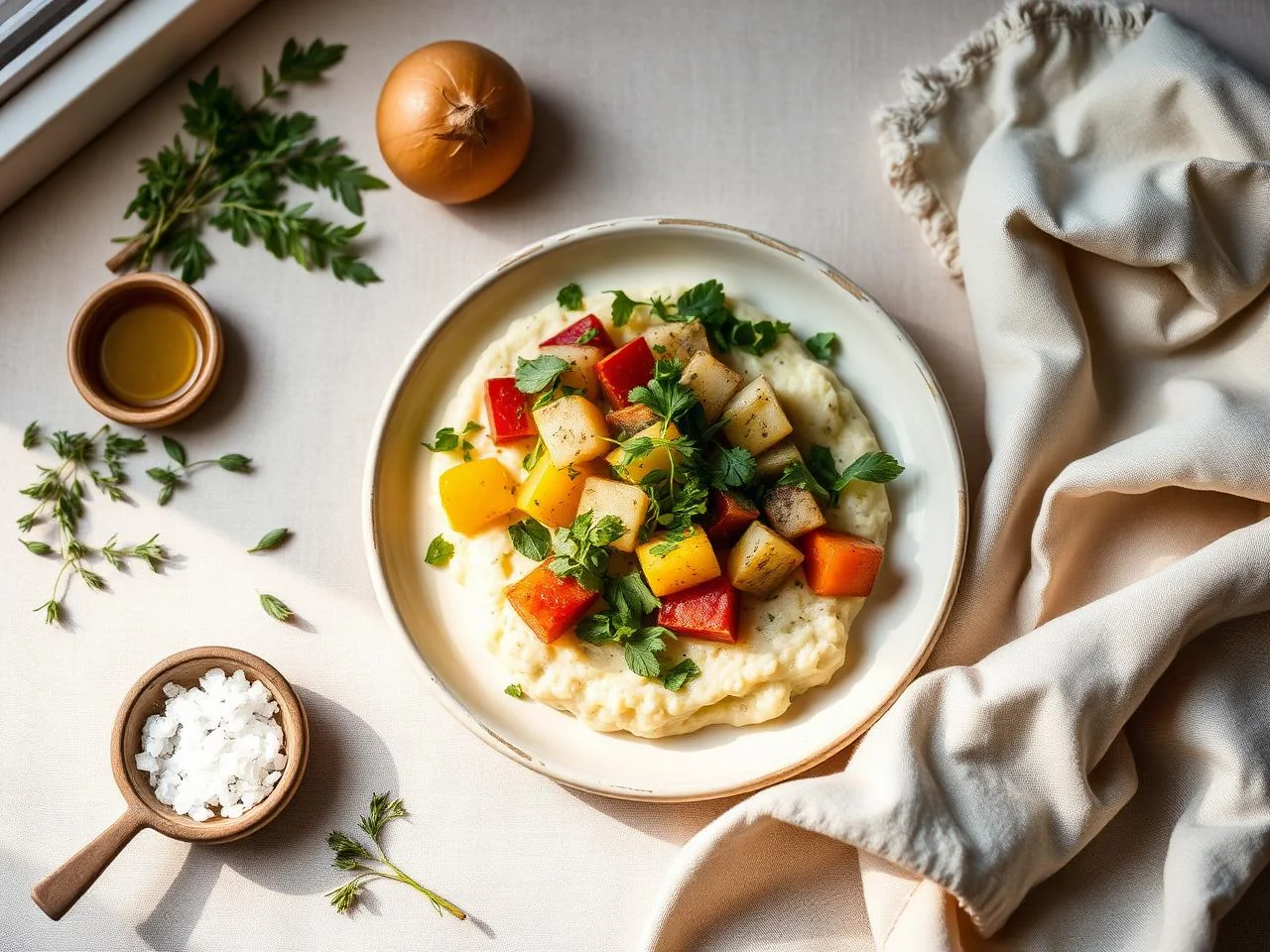
I still remember the first time I tasted a truly exceptional potato puree. It was at a small bistro, and the dish was so divine that it left a lasting impression on me. The potatoes were cooked to perfection, mashed with just the right amount of butter and milk, and seasoned with a pinch of salt and pepper. From that day on, I was determined to master the art of making potato puree.
As a home cook, I've experimented with various techniques and ingredients to create the perfect potato puree. I've tried using different types of potatoes, such as Russet and Yukon Gold, and I've even added garlic and herbs to give it an extra boost of flavor. But at the end of the day, it's all about finding that perfect balance of texture and taste.
Potato puree is one of those dishes that's incredibly versatile. You can serve it as a side dish, use it as a topping for other dishes, or even add it to soups and stews for extra creaminess. And the best part? It's surprisingly easy to make, as long as you follow a few simple steps.
In this recipe, I'll guide you through the process of making a delicious potato puree from scratch. We'll cover everything from selecting the right potatoes to adding the perfect amount of seasoning. By the end of it, you'll be a potato puree expert, and you'll be able to impress your friends and family with your culinary skills.
So, let's get started on this culinary journey, and discover the joy of making potato puree from scratch. With a little practice and patience, you'll be creating dishes that are sure to become family favorites.
Why You’ll Love This Recipe
- This recipe is easy to make and requires minimal ingredients.
- The potato puree is creamy and flavorful, making it a great side dish for any meal.
- You can customize the recipe to your taste by adding different herbs and spices.
- The dish is perfect for special occasions or everyday meals.
- It's a great way to use up leftover potatoes and reduce food waste.
- The recipe is budget-friendly and can be made with affordable ingredients.
Why This Recipe Works
The key to a great potato puree is using high-quality ingredients and cooking the potatoes just right. If the potatoes are overcooked, they'll become mushy and unappetizing. On the other hand, if they're undercooked, they'll be too firm and starchy. By cooking the potatoes until they're tender, then mashing them with butter and milk, we can create a dish that's both creamy and flavorful.
Another important aspect of making potato puree is using the right type of potatoes. I prefer to use Russet or Yukon Gold potatoes, as they have a naturally buttery flavor and a light, fluffy texture. These potatoes are also relatively high in starch, which makes them perfect for mashing.
Finally, the amount of butter and milk we add to the potatoes is crucial. If we add too much, the potatoes will become too rich and overpowering. On the other hand, if we don't add enough, the potatoes will be too dry and bland. By finding the perfect balance, we can create a dish that's both creamy and balanced.
By following these simple tips and techniques, you'll be able to create a potato puree that's sure to impress. Whether you're serving it as a side dish or using it as a topping, this recipe is sure to become a staple in your kitchen.
Ingredients You’ll Need
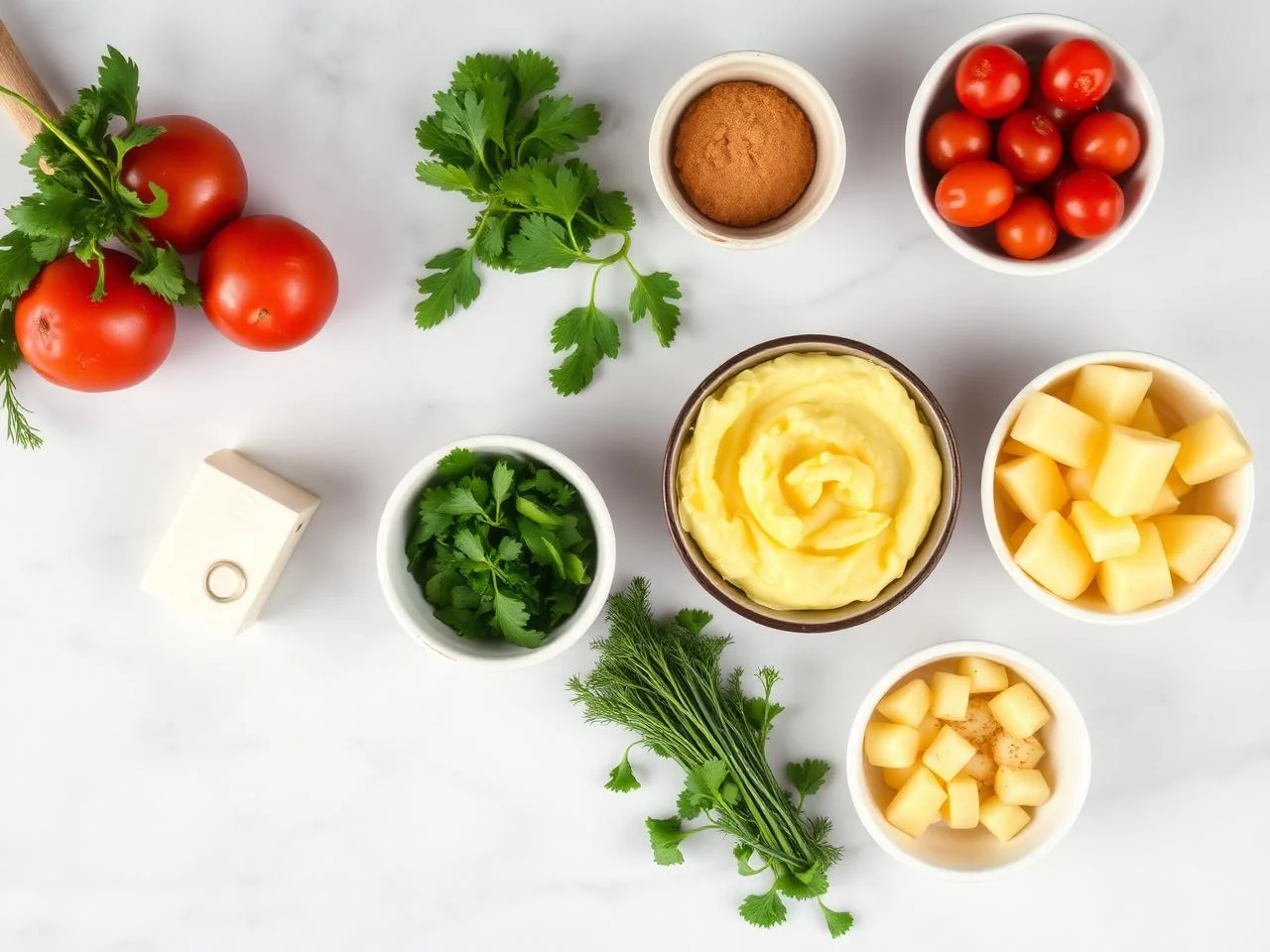
When it comes to making potato puree, the ingredients are relatively simple. We'll need some high-quality potatoes, butter, milk, salt, and pepper. We'll also add some garlic and chives to give the dish an extra boost of flavor.
When selecting potatoes, look for ones that are firm and have a smooth, unblemished skin. Avoid potatoes that are soft, bruised, or have eyes that are sprouting. For the butter and milk, use high-quality, fresh ingredients to get the best flavor.
- 3 lbs (1.36 kg) Russet potatoes, peeled and chopped into 1-inch cubesRusset potatoes are high in starch, which makes them perfect for mashing. Look for potatoes that are firm and have a smooth, unblemished skin.
- 4 tablespoons unsalted butter, softenedUse high-quality, fresh butter to get the best flavor. Softened butter is easier to mix with the potatoes and will give a creamier texture.
- 1/2 cup whole milkWhole milk adds a rich, creamy texture to the potatoes. You can also use low-fat or non-fat milk if you prefer a lighter version.
- 2 cloves garlic, mincedGarlic adds a depth of flavor to the potatoes. Use fresh garlic for the best flavor, and mince it finely to distribute the flavor evenly.
- 1 tablespoon chopped fresh chivesChives add a fresh, oniony flavor to the potatoes. Use fresh chives for the best flavor, and chop them finely to distribute the flavor evenly.
- 1 teaspoon saltSalt enhances the flavor of the potatoes and helps to bring out the natural sweetness. Use a flaky, kosher salt for the best flavor.
- 1/2 teaspoon black pepperBlack pepper adds a subtle, spicy flavor to the potatoes. Use freshly ground black pepper for the best flavor.
- 2 tablespoons grated Parmesan cheeseParmesan cheese adds a rich, nutty flavor to the potatoes. Use high-quality, fresh Parmesan cheese for the best flavor.
- 1/4 cup heavy creamHeavy cream adds a rich, creamy texture to the potatoes. Use high-quality, fresh heavy cream for the best flavor.
- 2 tablespoons chopped fresh parsleyParsley adds a fresh, herbaceous flavor to the potatoes. Use fresh parsley for the best flavor, and chop it finely to distribute the flavor evenly.
Equipment You’ll Need
How to Make Potato Puree
- 1Fill a large pot with enough cold water to cover the potatoes, and add 1 teaspoon of salt. Bring the water to a boil over high heat, then reduce the heat to medium-low and simmer for 15-20 minutes, or until the potatoes are tender when pierced with a fork.
- 2Drain the potatoes in a colander and return them to the pot. Add the softened butter, salt, and pepper, and mash the potatoes with a masher or potato ricer until they're smooth and creamy.
- 3In a saucepan, heat the milk over medium heat until it's warm and steaming. Add the minced garlic and cook for 1-2 minutes, or until fragrant.
- 4Add the warm milk to the potatoes and mash until the potatoes are smooth and creamy. Be careful not to over-mix the potatoes, as this can make them gluey and unappetizing.
- 5Stir in the grated Parmesan cheese and chopped chives. Season the potatoes with salt and pepper to taste.
- 6Add the heavy cream and mix until the potatoes are smooth and creamy. Be careful not to over-mix the potatoes, as this can make them too thin and watery.
- 7Taste the potatoes and adjust the seasoning as needed. If the potatoes are too thick, add a little more milk or cream. If they're too thin, add a little more butter or cheese.
- 8Transfer the potatoes to a serving dish and garnish with chopped fresh parsley. Serve the potatoes hot, garnished with additional parsley and chives if desired.
- 9To check the doneness of the potatoes, insert an instant-read thermometer into the center of a potato. The internal temperature should be at least 190°F (88°C) for the potatoes to be fully cooked.
- 10Let the potatoes rest for 5-10 minutes before serving. This will allow the potatoes to absorb any excess moisture and become even creamier and more flavorful.
- 11To serve, scoop the potatoes into individual servings and top with additional grated cheese, chopped herbs, or a dollop of sour cream if desired.
Expert Tips
- Use high-quality, fresh ingredients to get the best flavor.
- Don't over-mix the potatoes, as this can make them gluey and unappetizing.
- Add the milk and butter gradually, stirring constantly to prevent lumps from forming.
- Season the potatoes with salt and pepper to taste, and adjust the seasoning as needed.
- Use a variety of potatoes, such as Russet and Yukon Gold, for a more complex flavor.
- Add some grated cheese, such as Parmesan or cheddar, to give the potatoes an extra burst of flavor.
- Top the potatoes with some chopped fresh herbs, such as parsley or chives, for a fresh and flavorful garnish.
- Serve the potatoes hot, garnished with additional grated cheese, chopped herbs, or a dollop of sour cream if desired.
Common Mistakes to Avoid
- Over-cooking the potatoes, which can make them mushy and unappetizing.
- Under-cooking the potatoes, which can make them too firm and starchy.
- Not using enough butter and milk, which can make the potatoes too dry and bland.
- Not seasoning the potatoes with salt and pepper, which can make them taste flat and unappetizing.
- Over-mixing the potatoes, which can make them gluey and unappetizing.
- Not letting the potatoes rest before serving, which can make them too hot and unappetizing.
Variations and Substitutions
- Add some diced ham or bacon to give the potatoes a smoky flavor.
- Use different types of cheese, such as cheddar or feta, to give the potatoes a unique flavor.
- Add some chopped fresh herbs, such as parsley or chives, to give the potatoes a fresh and flavorful garnish.
- Use Greek yogurt or sour cream instead of milk to give the potatoes a tangy flavor.
- Add some diced vegetables, such as carrots or peas, to give the potatoes a pop of color and flavor.
- Use different types of potatoes, such as sweet potatoes or Yukon Gold, to give the potatoes a unique flavor and texture.
- Add some grated garlic or onion to give the potatoes a pungent flavor.
What to Serve With Potato Puree
Potato puree is a versatile dish that can be served in a variety of ways. You can serve it as a side dish, use it as a topping for other dishes, or even add it to soups and stews for extra creaminess.
Some ideas for serving potato puree include topping it with grated cheese, chopped herbs, or a dollop of sour cream. You can also use it as a base for other dishes, such as shepherd's pie or potato gratin.
Make-Ahead, Storage, Freezing and Reheating
Potato puree can be made ahead and stored in the fridge for up to 3 days. To store, let the potatoes cool to room temperature, then transfer them to an airtight container and refrigerate.
To freeze, let the potatoes cool to room temperature, then transfer them to an airtight container or freezer bag and freeze for up to 3 months. To reheat, thaw the potatoes overnight in the fridge, then reheat them in the oven or on the stovetop until warm and creamy.
To reheat the potatoes, you can use the oven or the stovetop. To reheat in the oven, preheat the oven to 350°F (180°C), then transfer the potatoes to a baking dish and heat for 20-25 minutes, or until warm and creamy. To reheat on the stovetop, transfer the potatoes to a saucepan and heat over low heat, stirring constantly, until warm and creamy.
Frequently Asked Questions
What type of potatoes is best for making potato puree?
Russet or Yukon Gold potatoes are best for making potato puree, as they have a naturally buttery flavor and a light, fluffy texture.
How do I prevent the potatoes from becoming too gluey or sticky?
To prevent the potatoes from becoming too gluey or sticky, don't over-mix them, and add the milk and butter gradually, stirring constantly to prevent lumps from forming.
Can I make potato puree ahead of time?
Yes, you can make potato puree ahead of time and store it in the fridge for up to 3 days or freeze it for up to 3 months.
How do I reheat potato puree?
To reheat potato puree, you can use the oven or the stovetop. To reheat in the oven, preheat the oven to 350°F (180°C), then transfer the potatoes to a baking dish and heat for 20-25 minutes, or until warm and creamy. To reheat on the stovetop, transfer the potatoes to a saucepan and heat over low heat, stirring constantly, until warm and creamy.
Can I add other ingredients to potato puree?
Yes, you can add other ingredients to potato puree, such as grated cheese, chopped herbs, or diced ham or bacon, to give it a unique flavor and texture.
Is potato puree a healthy dish?
Potato puree can be a healthy dish, depending on the ingredients you use. To make it healthier, use low-fat milk and butter, and add some chopped fresh herbs or grated cheese for extra flavor and nutrition.
Can I serve potato puree as a main course?
While potato puree is typically served as a side dish, you can serve it as a main course by adding some protein, such as cooked chicken or bacon, and some steamed vegetables.
How do I prevent the potatoes from becoming too dry?
To prevent the potatoes from becoming too dry, don't over-cook them, and add enough milk and butter to keep them moist and creamy.

Ingredients
- 3 lbs (1.36 kg) Russet potatoes, peeled and chopped into 1-inch cubes
- 4 tablespoons unsalted butter, softened
- 1/2 cup whole milk
- 2 cloves garlic, minced
- 1 tablespoon chopped fresh chives
- 1 teaspoon salt
- 1/2 teaspoon black pepper
- 2 tablespoons grated Parmesan cheese
- 1/4 cup heavy cream
- 2 tablespoons chopped fresh parsley
Instructions
- Fill a large pot with enough cold water to cover the potatoes, and add 1 teaspoon of salt. Bring the water to a boil over high heat, then reduce the heat to medium-low and simmer for 15-20 minutes, or until the potatoes are tender when pierced with a fork.
- Drain the potatoes in a colander and return them to the pot. Add the softened butter, salt, and pepper, and mash the potatoes with a masher or potato ricer until they're smooth and creamy.
- In a saucepan, heat the milk over medium heat until it's warm and steaming. Add the minced garlic and cook for 1-2 minutes, or until fragrant.
- Add the warm milk to the potatoes and mash until the potatoes are smooth and creamy. Be careful not to over-mix the potatoes, as this can make them gluey and unappetizing.
- Stir in the grated Parmesan cheese and chopped chives. Season the potatoes with salt and pepper to taste.
- Add the heavy cream and mix until the potatoes are smooth and creamy. Be careful not to over-mix the potatoes, as this can make them too thin and watery.
- Taste the potatoes and adjust the seasoning as needed. If the potatoes are too thick, add a little more milk or cream. If they're too thin, add a little more butter or cheese.
- Transfer the potatoes to a serving dish and garnish with chopped fresh parsley. Serve the potatoes hot, garnished with additional parsley and chives if desired.
- To check the doneness of the potatoes, insert an instant-read thermometer into the center of a potato. The internal temperature should be at least 190°F (88°C) for the potatoes to be fully cooked.
- Let the potatoes rest for 5-10 minutes before serving. This will allow the potatoes to absorb any excess moisture and become even creamier and more flavorful.
- To serve, scoop the potatoes into individual servings and top with additional grated cheese, chopped herbs, or a dollop of sour cream if desired.