
Boiled New Potatoes
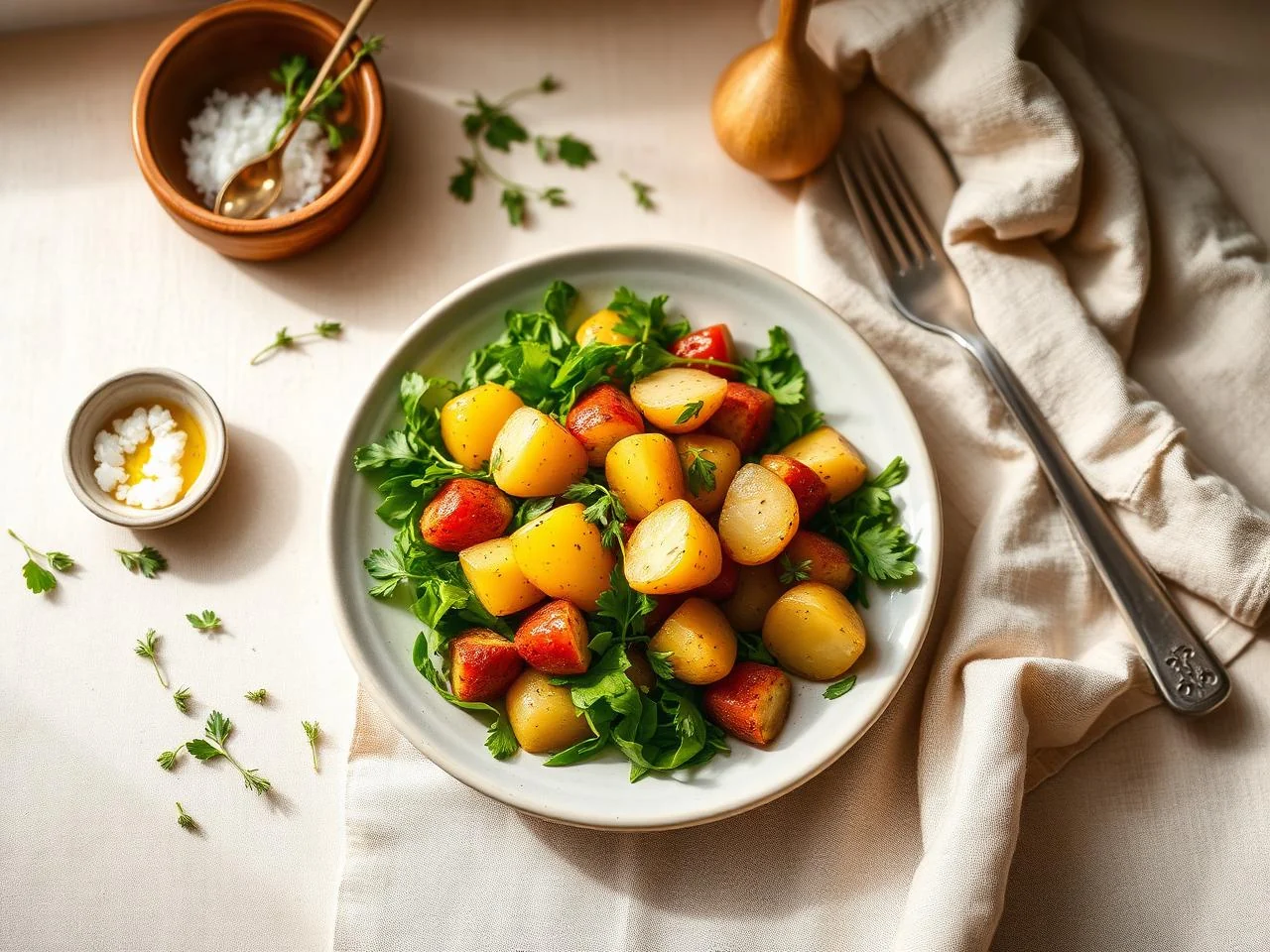
There's something undeniably charming about a plate of boiled new potatoes, their tender flesh and delicate skin a testament to the beauty of simple, well-cooked ingredients. As someone who has always been enamored with the humble potato, I find myself returning to this dish time and time again, not just for its ease of preparation but for the sheer joy it brings to the table.
I recall summer afternoons spent in my grandmother's garden, watching as she carefully selected the newest, smallest potatoes for boiling. The process was almost therapeutic, the gentle boil of the water, the wait for the potatoes to reach that perfect tenderness. It was a lesson in patience and the value of letting nature's flavors shine through without overcomplication.
Boiled new potatoes are more than just a side dish; they're a celebration of the seasons, a nod to the cyclical nature of farming and the joy of eating what's fresh and available. Whether you're serving them alongside a hearty roast, as part of a picnic spread, or simply as a quick and satisfying snack, these boiled new potatoes are sure to please.
What makes this recipe special isn't just the end result, though that's certainly a highlight. It's the journey, the process of selecting the right potatoes, of waiting for them to cook to perfection, and of enjoying the fruits of your labor in a way that feels both comforting and refined. It's a dish for anyone looking to reconnect with the simple pleasures of cooking and eating.
In the following pages, we'll delve into the world of boiled new potatoes, exploring the why behind the technique, the ingredients that make it shine, and the steps to ensure you end up with a dish that's nothing short of delightful. So, let's begin this culinary journey together, shall we?
Why You’ll Love This Recipe
- This recipe is incredibly easy to follow, making it perfect for beginners.
- Boiled new potatoes are a budget-friendly option for a side dish.
- The dish is highly versatile and can be paired with a variety of main courses.
- It's a great way to enjoy seasonal produce at its best.
- The recipe can be easily scaled up or down depending on the number of servings needed.
- Boiled new potatoes are a crowd-pleasing dish suitable for family gatherings or special occasions.
Why This Recipe Works
The success of boiled new potatoes lies in their simplicity and the attention to detail in their preparation. The key is in selecting the right potatoes - new potatoes are preferred for their waxy texture and thinner skins, which hold up beautifully to boiling and result in a more tender, less mushy final product.
Another critical aspect is the cooking time and method. Boiling the potatoes until they're just tender, then immediately cooling them, helps preserve their texture and flavor. This process also makes them more receptive to additional seasonings or toppings, should you choose to add them.
The science behind boiling potatoes is also worth noting. When potatoes are boiled, the heat breaks down some of the cell walls, making the starches more accessible and the potatoes tender. However, overcooking can lead to an undesirable mushiness, which is why timing is crucial.
Ingredients You’ll Need
When it comes to boiled new potatoes, the ingredients list is refreshingly short. The star of the show, of course, is the new potatoes themselves. Look for potatoes that are small to medium in size, with thin, tender skins. Beyond the potatoes, you'll need some salt for the boiling water, and perhaps some butter or olive oil for serving, along with any additional seasonings you prefer.
Shopping for the right potatoes can make all the difference in this dish. Opt for potatoes that are specifically labeled as 'new' or 'baby' potatoes, and try to select ones that are all roughly the same size to ensure even cooking.
- 2 lbs (1 kg) new potatoesNew potatoes are essential for this recipe due to their tender skins and waxy texture, which holds up well to boiling. Look for potatoes that are small to medium in size and have a smooth, unblemished skin.
- 4 cups (1 L) waterThe water is used for boiling the potatoes and should be enough to cover the potatoes completely. You can adjust the amount based on the size of your pot and the quantity of potatoes.
- 2 tbsp (30 g) saltSalt is added to the boiling water to season the potatoes. It helps to bring out the natural sweetness of the potatoes and improves their texture.
- 2 tbsp (30 g) unsalted butterButter is used for serving and adds a rich, creamy flavor to the boiled potatoes. You can also use olive oil as a substitute if you prefer a lighter option.
- 1/4 cup (15 g) chopped fresh parsleyFresh parsley adds a bright, fresh flavor and a pop of color to the dish. Use curly-leaf or flat-leaf parsley, whichever is available or preferred.
- 1/2 tsp (2.5 g) black pepperBlack pepper is used to add depth and warmth to the dish. You can adjust the amount to your taste, but a light sprinkling is usually sufficient.
- 1 tsp (5 g) garlic powderGarlic powder is an optional ingredient that can add a subtle savory flavor to the potatoes. Use it sparingly, as it can overpower the other flavors.
- 1 tsp (5 g) lemon zestLemon zest adds a nice citrus note to the potatoes and complements the parsley well. Make sure to use only the outer, colorful layer of the lemon peel.
- 2 tbsp (30 ml) lemon juiceLemon juice is used to add a touch of acidity and brightness to the dish. It helps to balance the richness of the butter and the earthiness of the potatoes.
- Salt and pepper to tasteAdditional salt and pepper may be needed to taste, depending on your personal preference and the flavor of the potatoes.
Equipment You’ll Need
How to Make Boiled New Potatoes
- 1Fill a large pot with enough cold water to cover the potatoes, then add 2 tablespoons of salt to the water. The salt will help to season the potatoes as they cook.
- 2Bring the water to a boil over high heat, then reduce the heat to medium-low to maintain a simmer. This will help to cook the potatoes evenly and prevent them from breaking apart.
- 3Gently add the new potatoes to the boiling water, making sure they are all fully submerged. If necessary, add a bit more water to cover them.
- 4Boil the potatoes for 10-12 minutes, or until they are just tender when pierced with a fork. The cooking time may vary depending on the size of the potatoes, so check them frequently to avoid overcooking.
- 5While the potatoes are cooking, prepare a bowl of ice water. Once the potatoes are done, immediately transfer them to the ice water to stop the cooking process. This step is crucial for preserving the texture and color of the potatoes.
- 6Let the potatoes sit in the ice water for 5 minutes, then remove them with a slotted spoon and place them on a clean towel to dry. This will help to remove excess moisture and prevent the potatoes from becoming soggy.
- 7In a large serving bowl, combine the boiled potatoes, melted butter, chopped parsley, black pepper, garlic powder, lemon zest, and lemon juice. Toss the potatoes gently to distribute the ingredients evenly and ensure each potato is coated with the flavorful mixture.
- 8Season the potatoes with salt and pepper to taste, adjusting the amount based on your personal preference. You may also want to add additional lemon juice or butter if you find the potatoes need a bit more brightness or richness.
- 9Serve the boiled new potatoes warm, garnished with additional parsley if desired. They make a wonderful side dish for a variety of meals, from roasted meats to grilled fish or as a component of a hearty salad.
- 10For an added layer of flavor, consider serving the potatoes with a dollop of sour cream or a sprinkle of grated cheese. These ingredients will complement the natural sweetness of the potatoes and add a creamy, tangy element to the dish.
- 11Finally, don't be afraid to experiment with different seasonings and toppings to make the boiled new potatoes your own. Whether you prefer a simple, classic approach or something more adventurous, the key to success lies in the quality of the ingredients and the care with which they are prepared.
Expert Tips
- Choose potatoes of similar size to ensure even cooking.
- Don't overcrowd the pot, as this can cause the potatoes to break apart. Cook them in batches if necessary.
- Use a timer to avoid overcooking the potatoes. The goal is to cook them until they're just tender.
- If you're looking for a more golden color on your potatoes, try roasting them in the oven with some olive oil and seasoning after boiling. This will add a nice caramelized crust to the outside.
- Experiment with different herbs and spices to find the combination that you enjoy the most. This could include anything from dried thyme to minced garlic.
- For a lighter option, consider using less butter or substituting it with a drizzle of olive oil.
- Boiled new potatoes can be made ahead of time and refrigerated or frozen for later use. Simply boil them until they're slightly undercooked, then cool and store them in an airtight container in the refrigerator for up to a day or freeze for up to a month.
Common Mistakes to Avoid
- Overcooking the potatoes, which can make them mushy and unappetizing. Check them frequently during the cooking time to avoid this.
- Not using enough water, which can cause the potatoes to become salty or unevenly cooked. Make sure the potatoes are fully submerged in water.
- Not cooling the potatoes quickly after cooking, which can cause them to continue cooking and become overcooked. Use an ice bath to stop the cooking process immediately.
- Adding too much butter or seasoning, which can overpower the natural flavor of the potatoes. Start with a small amount and adjust to taste.
- Not drying the potatoes properly after boiling, which can make them soggy. Pat them dry with a towel to remove excess moisture.
- Skipping the step of adding salt to the boiling water, which can result in underseasoned potatoes. Salt helps to bring out the natural flavors of the potatoes.
Variations and Substitutions
- Try adding some garlic cloves to the boiling water for an extra depth of flavor.
- For a smoky flavor, add some smoked paprika to the potatoes after boiling.
- Experiment with different types of potatoes, such as Yukon Gold or red potatoes, for varying flavors and textures.
- Add some diced onions or carrots to the boiling water for added flavor and nutrients.
- Use chicken or vegetable broth instead of water for boiling the potatoes to add more flavor.
- Top the boiled potatoes with grated cheese, sour cream, or chives for a richer, more indulgent side dish.
- For a Mediterranean twist, mix in some chopped olives, artichoke hearts, or sun-dried tomatoes with the potatoes.
What to Serve With Boiled New Potatoes
Boiled new potatoes are incredibly versatile and can be served in a variety of ways. They make a wonderful side dish for roasted meats, such as beef or lamb, and are also a great accompaniment to grilled fish or chicken. For a lighter meal, consider serving them as part of a salad, perhaps with some mixed greens, cherry tomatoes, and a light vinaigrette.
They're also a fantastic addition to a picnic or barbecue, as they're easy to transport and can be served at room temperature. Simply boil the potatoes ahead of time, then pack them in a container with some butter, salt, and pepper, and you're good to go.
Make-Ahead, Storage, Freezing and Reheating
Boiled new potatoes can be stored in the refrigerator for up to a day after cooking. Simply place them in an airtight container and keep them cold. If you won't be using them within a day, consider freezing them. To freeze, boil the potatoes until they're slightly undercooked, then cool them quickly in an ice bath. Once cooled, dry them thoroughly with a towel to remove excess moisture, then place them in a freezer-safe bag or container and store them in the freezer for up to a month.
To reheat frozen boiled potatoes, simply thaw them overnight in the refrigerator, then reheat them in the microwave or on the stovetop with a bit of butter or oil until warmed through. You can also reheat them in the oven, wrapped in foil, at 350°F (175°C) for about 15-20 minutes, or until heated through.
When reheating, be gentle to avoid overcooking the potatoes. A light simmer on the stovetop or a short burst in the microwave should suffice. Always check the potatoes for doneness before serving to ensure they're heated through but still retain their texture.
Frequently Asked Questions
What type of potatoes are best for boiling?
New potatoes, with their thin skins and waxy texture, are ideal for boiling. They hold their shape well and have a more delicate flavor than older potatoes.
How do I know when the potatoes are done?
The potatoes are done when they're just tender when pierced with a fork. This should take about 10-12 minutes for small to medium-sized new potatoes, but the exact time can vary based on size and personal preference for doneness.
Can I boil potatoes ahead of time?
Yes, boiled potatoes can be made ahead of time. Boil them until they're slightly undercooked, then cool and refrigerate or freeze them until you're ready to serve. Reheat them gently to avoid overcooking.
What's the best way to store boiled potatoes?
Boiled potatoes can be stored in the refrigerator for up to a day or frozen for up to a month. For freezing, it's best to boil them until slightly undercooked, cool them, dry them, and then place them in a freezer-safe container or bag.
Can I add flavorings to the boiling water?
Yes, you can add flavorings like garlic, herbs, or lemon juice to the boiling water for extra flavor. Just be mindful of the amount and the potential impact on the potatoes' texture and flavor.
How do I prevent the potatoes from becoming mushy?
To prevent the potatoes from becoming mushy, don't overcook them. Check them frequently during the boiling time, and remove them from the water as soon as they're just tender. Cooling them quickly in an ice bath can also help preserve their texture.
Can I use boiled potatoes in other recipes?
Yes, boiled potatoes are a versatile ingredient and can be used in a variety of dishes, such as salads, soups, or as a topping for other dishes. They can be diced, sliced, or mashed, depending on the recipe.
Are boiled potatoes healthy?
Boiled potatoes can be a healthy option when prepared without adding excessive amounts of butter, salt, or other high-calorie toppings. They're a good source of fiber, vitamins, and minerals, and are relatively low in calories compared to other starchy foods.
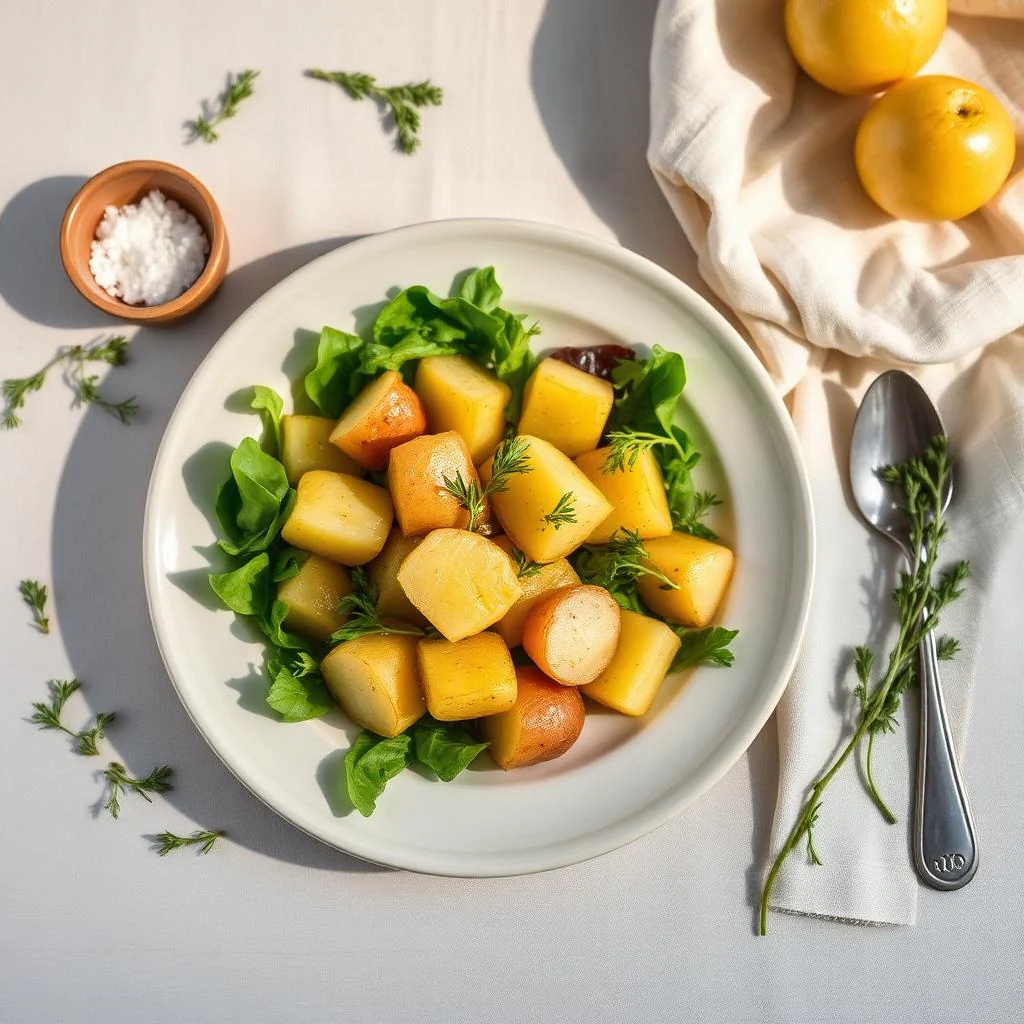
Ingredients
- 2 lbs (1 kg) new potatoes
- 4 cups (1 L) water
- 2 tbsp (30 g) salt
- 2 tbsp (30 g) unsalted butter
- 1/4 cup (15 g) chopped fresh parsley
- 1/2 tsp (2.5 g) black pepper
- 1 tsp (5 g) garlic powder
- 1 tsp (5 g) lemon zest
- 2 tbsp (30 ml) lemon juice
- Salt and pepper to taste
Instructions
- Fill a large pot with enough cold water to cover the potatoes, then add 2 tablespoons of salt to the water. The salt will help to season the potatoes as they cook.
- Bring the water to a boil over high heat, then reduce the heat to medium-low to maintain a simmer. This will help to cook the potatoes evenly and prevent them from breaking apart.
- Gently add the new potatoes to the boiling water, making sure they are all fully submerged. If necessary, add a bit more water to cover them.
- Boil the potatoes for 10-12 minutes, or until they are just tender when pierced with a fork. The cooking time may vary depending on the size of the potatoes, so check them frequently to avoid overcooking.
- While the potatoes are cooking, prepare a bowl of ice water. Once the potatoes are done, immediately transfer them to the ice water to stop the cooking process. This step is crucial for preserving the texture and color of the potatoes.
- Let the potatoes sit in the ice water for 5 minutes, then remove them with a slotted spoon and place them on a clean towel to dry. This will help to remove excess moisture and prevent the potatoes from becoming soggy.
- In a large serving bowl, combine the boiled potatoes, melted butter, chopped parsley, black pepper, garlic powder, lemon zest, and lemon juice. Toss the potatoes gently to distribute the ingredients evenly and ensure each potato is coated with the flavorful mixture.
- Season the potatoes with salt and pepper to taste, adjusting the amount based on your personal preference. You may also want to add additional lemon juice or butter if you find the potatoes need a bit more brightness or richness.
- Serve the boiled new potatoes warm, garnished with additional parsley if desired. They make a wonderful side dish for a variety of meals, from roasted meats to grilled fish or as a component of a hearty salad.
- For an added layer of flavor, consider serving the potatoes with a dollop of sour cream or a sprinkle of grated cheese. These ingredients will complement the natural sweetness of the potatoes and add a creamy, tangy element to the dish.
- Finally, don't be afraid to experiment with different seasonings and toppings to make the boiled new potatoes your own. Whether you prefer a simple, classic approach or something more adventurous, the key to success lies in the quality of the ingredients and the care with which they are prepared.