
Garlic Mashed Potatoes
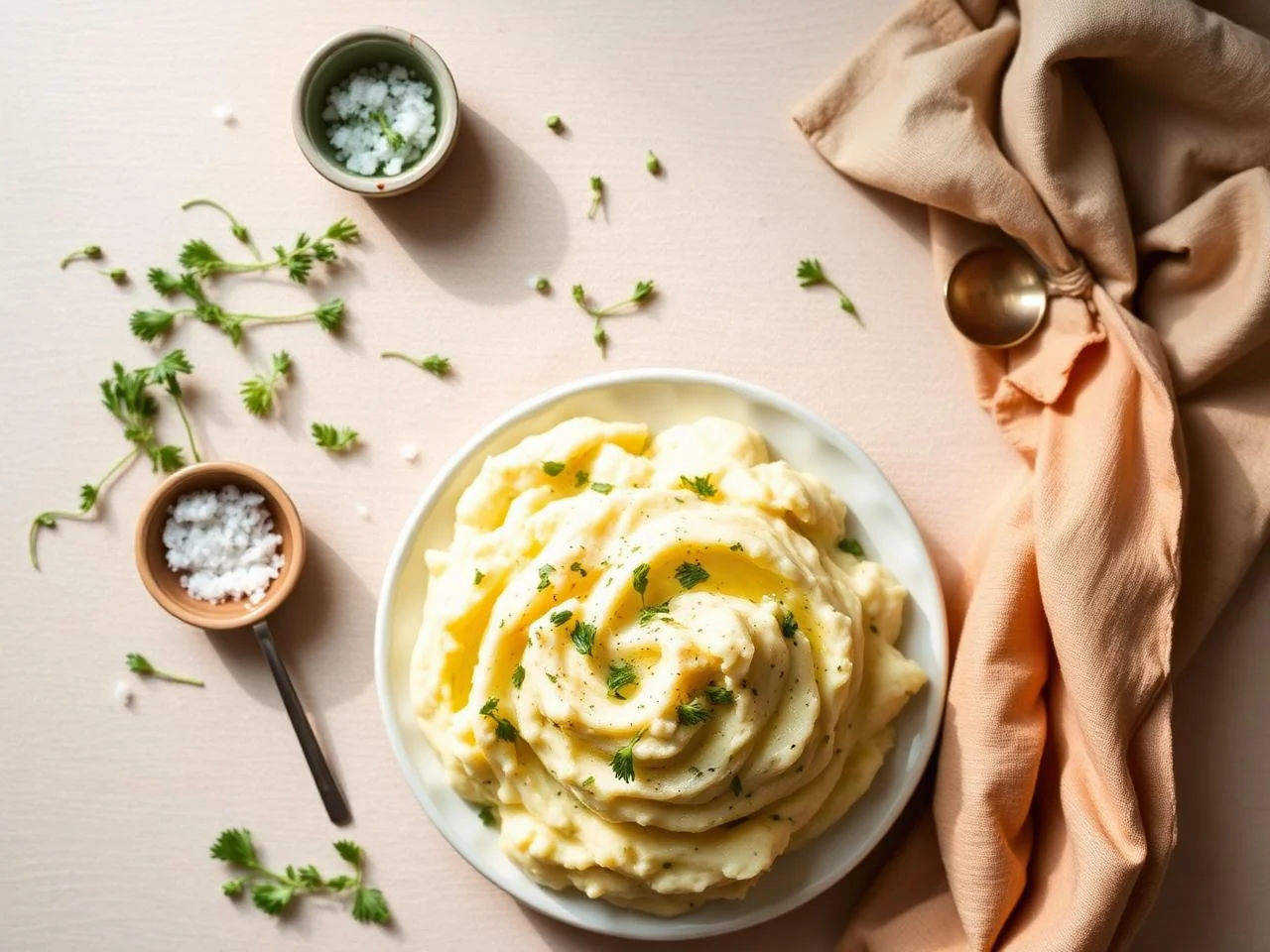
There's something special about a warm, comforting bowl of mashed potatoes that just feels like home. As a cook who's passionate about bright, seasonal salads and sides, I've always loved the way a simple dish like mashed potatoes can be elevated with a few thoughtful ingredients and techniques.
I remember learning to make mashed potatoes from my grandmother, who would spend hours in the kitchen perfecting her recipe. She'd always say that the key to great mashed potatoes is in the details - the type of potatoes you use, the way you cook them, and the care you take in mashing and seasoning them.
Over the years, I've developed my own recipe for garlic mashed potatoes that I think captures the essence of my grandmother's technique, with a few modern twists. This recipe is perfect for anyone looking to add a little excitement to their meal routine, whether you're a busy weeknight cook or a special occasion entertainer.
One of the things that sets this recipe apart is the use of high-quality, seasonal ingredients. I love shopping at my local farmer's market to find the freshest potatoes, garlic, and herbs to use in my cooking. Not only does this support my local community, but it also ensures that my dishes are always bursting with flavor and freshness.
In this recipe, I'll walk you through my process for making the creamiest, most flavorful garlic mashed potatoes you've ever tasted. From selecting the right potatoes to adding just the right amount of garlic and cream, I'll share all my secrets for making this dish a success.
Why You’ll Love This Recipe
- This recipe is easy to make and requires minimal special equipment
- The dish is perfect for a weeknight meal or a special occasion
- The garlic mashed potatoes are a great side dish for a variety of main courses
- The recipe is highly customizable, so you can add your own favorite ingredients and flavors
- The dish is comforting and satisfying, making it a great choice for a cold winter's night
- The recipe makes a large batch, so you can feed a crowd or have leftovers for later
Why This Recipe Works
The key to great mashed potatoes is in the cooking process. By boiling the potatoes until they're tender, then mashing them with a combination of butter, milk, and garlic, we create a dish that's both comforting and flavorful.
One of the most important techniques in this recipe is the use of a ricer or food mill to mash the potatoes. This helps to break down the starches and create a smooth, creamy texture that's just perfect for mashed potatoes.
In addition to the cooking technique, the ingredients we use are also crucial to the success of this dish. By using high-quality potatoes, fresh garlic, and real butter and milk, we create a flavor profile that's rich and satisfying.
Finally, the seasoning is what really makes this dish pop. By adding a pinch of salt and a grind of black pepper, we balance out the flavors and create a dish that's both comforting and exciting.
Ingredients You’ll Need
To make this recipe, you'll need a few simple ingredients, including high-quality potatoes, fresh garlic, and real butter and milk. You'll also need some salt and pepper to season the dish, as well as some chopped fresh herbs to add a bit of color and flavor.
When shopping for potatoes, look for ones that are high in starch, like Russet or Idaho potatoes. These will yield a lighter, fluffier mash than waxy potatoes like Yukon Golds or red potatoes.
- 3-4 large Russet potatoes, peeled and chopped into 1-inch cubesHigh-starch potatoes like Russet or Idaho potatoes are best for mashed potatoes, as they yield a light and fluffy texture. Look for potatoes that are firm and have no signs of sprouting or green spots.
- 2 tablespoons unsalted butterUsing high-quality, European-style butter will give your mashed potatoes a richer, more complex flavor. Look for butter with a high fat content, as this will help to create a creamy and tender mash.
- 1/2 cup whole milkWhole milk is essential for creating a creamy and smooth mash. You can also use a combination of milk and heavy cream or half-and-half for an even richer flavor.
- 2 cloves garlic, mincedFresh garlic is a must for this recipe, as it adds a depth of flavor that's hard to replicate with powdered or jarred garlic. Look for garlic that's firm and has no signs of sprouting or mold.
- 1 teaspoon kosher saltKosher salt is a must for seasoning mashed potatoes, as it has a coarser texture than table salt and helps to bring out the natural flavors of the potatoes. Use a light hand when seasoning, as you can always add more salt but it's harder to remove excess salt from the dish.
- 1/4 teaspoon black pepperFreshly ground black pepper is essential for adding a bright, peppery flavor to the dish. Look for a peppermill or pepper grinder that allows you to grind the pepper fresh, as this will help to release the oils and flavor compounds in the pepper.
- 2 tablespoons chopped fresh chives or scallionsFresh herbs like chives or scallions add a bright, oniony flavor to the dish and help to balance out the richness of the potatoes and butter. Look for herbs that are fresh and have no signs of wilting or browning.
- 1 tablespoon grated Parmesan cheeseParmesan cheese adds a salty, nutty flavor to the dish and helps to balance out the sweetness of the potatoes. Look for high-quality, aged Parmesan cheese that's been grated fresh, as this will have a more complex and nuanced flavor than pre-grated cheese.
- 1/4 cup chicken or vegetable brothBroth helps to add moisture and flavor to the dish, and can be used to thin out the mash if it becomes too thick. Look for low-sodium broth or make your own broth from scratch using vegetables and aromatics.
- Salt and pepper to tasteThis is where you can add any additional seasoning you like, such as more salt, pepper, or garlic powder. Be careful not to over-season the dish, as this can quickly become too salty or overpowering.
Equipment You’ll Need
How to Make Garlic Mashed Potatoes
- 1Fill a large pot with enough cold water to cover the chopped potatoes, and add a tablespoon of kosher salt to the water. Bring the water to a boil over high heat, then reduce the heat to medium-low and simmer for 15-20 minutes, or until the potatoes are tender when pierced with a fork.
- 2While the potatoes are cooking, melt the butter in a small saucepan over medium heat. Add the minced garlic and cook for 1-2 minutes, or until fragrant and lightly golden.
- 3When the potatoes are done, drain them in a colander and return them to the pot. Add the garlic butter, milk, salt, and pepper, and mash the potatoes with a ricer or food mill until they're smooth and creamy.
- 4Stir in the chopped chives or scallions, grated Parmesan cheese, and chicken or vegetable broth. Taste the potatoes and adjust the seasoning as needed.
- 5Transfer the mashed potatoes to a large bowl or serving dish, and top with additional chives or scallions if desired. Serve hot, garnished with a pat of butter or a sprinkle of cheese.
- 6To ensure the potatoes are cooked through, check for doneness by inserting a fork or knife into one of the potatoes. If it slides in easily, the potatoes are done. If not, continue to cook for a few more minutes and check again.
- 7To prevent the potatoes from becoming too gluey or sticky, be sure to not over-mix them. Stop mashing once they're mostly smooth, and use a gentle folding motion to combine the ingredients.
- 8If you find that your potatoes are too thick, you can thin them out with a bit more broth or milk. If they're too thin, you can simmer them over low heat for a few minutes to reduce the liquid and thicken the potatoes.
- 9To add a bit of extra flavor to the dish, try roasting the garlic before mincing it. Simply slice the top off a whole head of garlic, drizzle with olive oil, and roast at 400°F (200°C) for 30-40 minutes, or until tender and caramelized.
- 10Finally, be patient and don't rush the process. Mashed potatoes are a dish that benefits from a bit of time and attention, so take your time and enjoy the process of creating a delicious and comforting meal.
Expert Tips
- For the fluffiest, most tender mashed potatoes, use high-starch potatoes like Russet or Idaho.
- Don't over-mix the potatoes, as this can make them gluey and unappetizing.
- Add the garlic butter and milk gradually, stirring constantly to prevent lumps from forming.
- Use a ricer or food mill to mash the potatoes, as this will help to break down the starches and create a smooth, creamy texture.
- Don't be afraid to add a bit of extra seasoning or flavor to the potatoes, such as grated cheese, diced herbs, or a sprinkle of paprika.
- To make the dish more substantial, try adding some cooked bacon, sausage, or diced ham to the potatoes.
- For a lighter, more rustic mash, use less butter and milk and add some chopped fresh herbs or scallions.
- Experiment with different types of milk, such as almond or soy milk, for a non-dairy version of the recipe.
Common Mistakes to Avoid
- Over-cooking the potatoes, which can make them dry and unappetizing.
- Not using enough salt, which can result in a bland or flat flavor.
- Adding too much milk or broth, which can make the potatoes too thin and watery.
- Not using high-quality ingredients, such as real butter and fresh garlic, which can affect the flavor and texture of the dish.
- Over-mixing the potatoes, which can make them gluey and unappetizing.
- Not tasting and adjusting the seasoning as needed, which can result in a dish that's too salty or too bland.
Variations and Substitutions
- Try adding some grated cheese, such as cheddar or Parmesan, to the potatoes for an extra burst of flavor.
- Add some diced ham or cooked bacon to the potatoes for a smoky, savory flavor.
- Use different types of milk, such as almond or soy milk, for a non-dairy version of the recipe.
- Add some chopped fresh herbs, such as parsley or chives, to the potatoes for a bright, fresh flavor.
- Try using different types of potatoes, such as sweet potatoes or Yukon Golds, for a slightly different flavor and texture.
- Add some roasted garlic to the potatoes for a deep, nutty flavor.
- Use a combination of butter and cream cheese for a richer, more indulgent flavor.
What to Serve With Garlic Mashed Potatoes
These garlic mashed potatoes are a versatile side dish that can be served with a variety of main courses, from roasted meats to sautéed vegetables. Try pairing them with a grilled steak or roasted chicken for a hearty, comforting meal.
For a lighter, more rustic meal, try serving the mashed potatoes with a simple green salad or a bowl of steamed vegetables. You can also add some garlic bread or a side of roasted vegetables for a more filling meal.
Make-Ahead, Storage, Freezing and Reheating
To store leftover mashed potatoes, let them cool to room temperature, then refrigerate or freeze them. Refrigerated mashed potatoes will keep for up to 3 days, while frozen mashed potatoes will keep for up to 3 months.
To reheat refrigerated mashed potatoes, simply microwave them or heat them in a saucepan over low heat, stirring constantly. You can also add a bit of milk or broth to thin out the potatoes if they've become too thick.
To reheat frozen mashed potatoes, thaw them overnight in the refrigerator, then reheat them in the microwave or in a saucepan over low heat. You can also add a bit of milk or broth to thin out the potatoes if they've become too thick.
When reheating mashed potatoes, be careful not to overheat them, as this can make them dry and unappetizing. Instead, heat them gently, stirring constantly, until they're warm and creamy.
Frequently Asked Questions
What type of potatoes are best for mashed potatoes?
High-starch potatoes like Russet or Idaho are best for mashed potatoes, as they yield a light and fluffy texture.
How do I prevent my mashed potatoes from becoming too gluey or sticky?
To prevent your mashed potatoes from becoming too gluey or sticky, be sure to not over-mix them. Stop mashing once they're mostly smooth, and use a gentle folding motion to combine the ingredients.
Can I make mashed potatoes ahead of time?
Yes, you can make mashed potatoes ahead of time. Simply refrigerate or freeze them, then reheat them when you're ready to serve.
How do I add flavor to my mashed potatoes?
There are many ways to add flavor to your mashed potatoes, including adding grated cheese, diced herbs, or a sprinkle of paprika. You can also try using different types of milk or broth, such as almond or soy milk, for a non-dairy version of the recipe.
Can I use leftover mashed potatoes to make another dish?
Yes, you can use leftover mashed potatoes to make another dish, such as potato pancakes or potato croquettes. Simply shape the leftover mashed potatoes into the desired form, then fry them in a pan until crispy and golden.
How do I know when my mashed potatoes are done?
To check if your mashed potatoes are done, insert a fork or knife into one of the potatoes. If it slides in easily, the potatoes are done. If not, continue to cook for a few more minutes and check again.
Can I make mashed potatoes in a slow cooker?
Yes, you can make mashed potatoes in a slow cooker. Simply boil the potatoes until they're tender, then mash them with butter, milk, and any desired seasonings. Transfer the mashed potatoes to the slow cooker and cook on low for 2-3 hours, or until they're warm and creamy.
How do I prevent my mashed potatoes from becoming too thin?
To prevent your mashed potatoes from becoming too thin, be careful not to add too much milk or broth. Start with a small amount and add more as needed, stirring constantly to prevent lumps from forming.
Ingredients
- 3-4 large Russet potatoes, peeled and chopped into 1-inch cubes
- 2 tablespoons unsalted butter
- 1/2 cup whole milk
- 2 cloves garlic, minced
- 1 teaspoon kosher salt
- 1/4 teaspoon black pepper
- 2 tablespoons chopped fresh chives or scallions
- 1 tablespoon grated Parmesan cheese
- 1/4 cup chicken or vegetable broth
- Salt and pepper to taste
Instructions
- Fill a large pot with enough cold water to cover the chopped potatoes, and add a tablespoon of kosher salt to the water. Bring the water to a boil over high heat, then reduce the heat to medium-low and simmer for 15-20 minutes, or until the potatoes are tender when pierced with a fork.
- While the potatoes are cooking, melt the butter in a small saucepan over medium heat. Add the minced garlic and cook for 1-2 minutes, or until fragrant and lightly golden.
- When the potatoes are done, drain them in a colander and return them to the pot. Add the garlic butter, milk, salt, and pepper, and mash the potatoes with a ricer or food mill until they're smooth and creamy.
- Stir in the chopped chives or scallions, grated Parmesan cheese, and chicken or vegetable broth. Taste the potatoes and adjust the seasoning as needed.
- Transfer the mashed potatoes to a large bowl or serving dish, and top with additional chives or scallions if desired. Serve hot, garnished with a pat of butter or a sprinkle of cheese.
- To ensure the potatoes are cooked through, check for doneness by inserting a fork or knife into one of the potatoes. If it slides in easily, the potatoes are done. If not, continue to cook for a few more minutes and check again.
- To prevent the potatoes from becoming too gluey or sticky, be sure to not over-mix them. Stop mashing once they're mostly smooth, and use a gentle folding motion to combine the ingredients.
- If you find that your potatoes are too thick, you can thin them out with a bit more broth or milk. If they're too thin, you can simmer them over low heat for a few minutes to reduce the liquid and thicken the potatoes.
- To add a bit of extra flavor to the dish, try roasting the garlic before mincing it. Simply slice the top off a whole head of garlic, drizzle with olive oil, and roast at 400°F (200°C) for 30-40 minutes, or until tender and caramelized.
- Finally, be patient and don't rush the process. Mashed potatoes are a dish that benefits from a bit of time and attention, so take your time and enjoy the process of creating a delicious and comforting meal.