
Potato Gratin
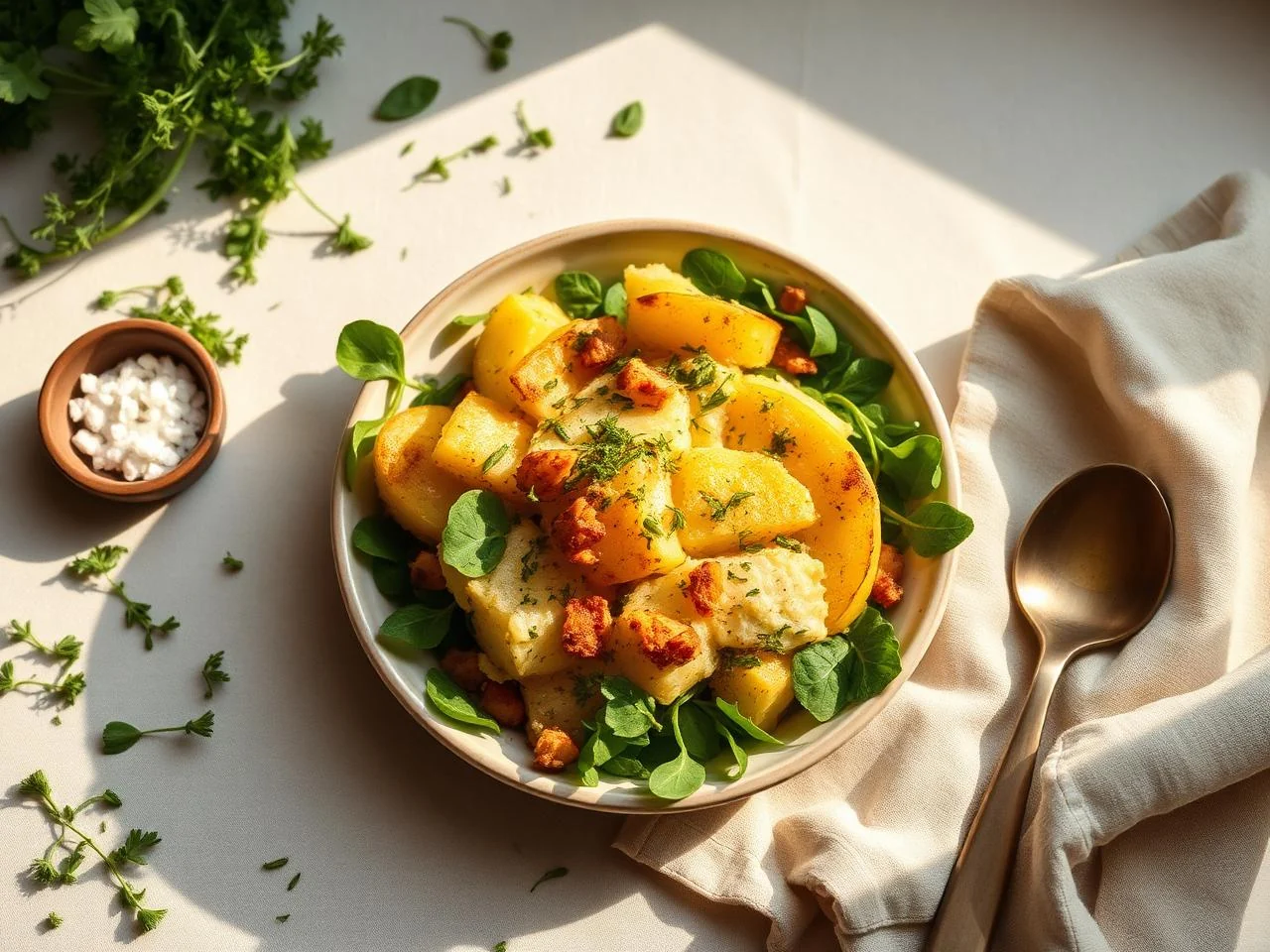
I still remember the first time I tasted a potato gratin. It was at a family dinner, and my aunt had made it from scratch. The combination of creamy sauce, tender potatoes, and caramelized top was love at first bite. Since then, I've been perfecting my own potato gratin recipe, and I'm excited to share it with you.
This recipe is special because it's easy to make and requires minimal ingredients. It's also a great way to showcase the natural beauty of potatoes. Whether you're a beginner or an experienced cook, you'll love the simplicity and flavor of this dish.
So, what makes this recipe so great? For starters, it's made with high-quality ingredients like fresh potatoes, onions, and garlic. The sauce is also made from scratch, using a combination of cream, cheese, and spices. The result is a dish that's both comforting and elegant, perfect for special occasions or everyday meals.
I like to serve my potato gratin as a side dish, especially during the fall and winter months. It pairs perfectly with roasted meats, stews, and soups. You can also customize it to your taste by adding different herbs and spices. The possibilities are endless, and I'm excited to see how you'll make this recipe your own.
Whether you're a fan of potatoes or just looking for a new side dish to try, this potato gratin recipe is sure to become a favorite. So, let's get started and make some delicious potato gratin from scratch!
Why You’ll Love This Recipe
- This recipe is easy to make and requires minimal ingredients.
- It's a great way to showcase the natural beauty of potatoes.
- The dish is both comforting and elegant, perfect for special occasions or everyday meals.
- You can customize it to your taste by adding different herbs and spices.
- It pairs perfectly with roasted meats, stews, and soups.
- The recipe is perfect for beginners and experienced cooks alike.
- It's a great side dish for fall and winter months.
Why This Recipe Works
The key to a great potato gratin is the combination of creamy sauce and tender potatoes. To achieve this, we'll be using a mixture of cream, cheese, and spices to create a rich and flavorful sauce. We'll also be slicing the potatoes thinly and cooking them until they're tender and caramelized.
Another important aspect of this recipe is the use of a hot oven. By baking the gratin at a high temperature, we'll be able to achieve a golden-brown crust on top, which adds texture and flavor to the dish. The heat will also help to cook the potatoes evenly and prevent them from becoming mushy.
Finally, the resting time is crucial in this recipe. By letting the gratin rest for a few minutes before serving, we'll allow the sauce to thicken and the flavors to meld together. This will result in a dish that's creamy, flavorful, and absolutely delicious.
Overall, the combination of creamy sauce, tender potatoes, and caramelized top makes this potato gratin recipe a winner. With its rich flavors and comforting texture, it's sure to become a staple in your kitchen.
Ingredients You’ll Need
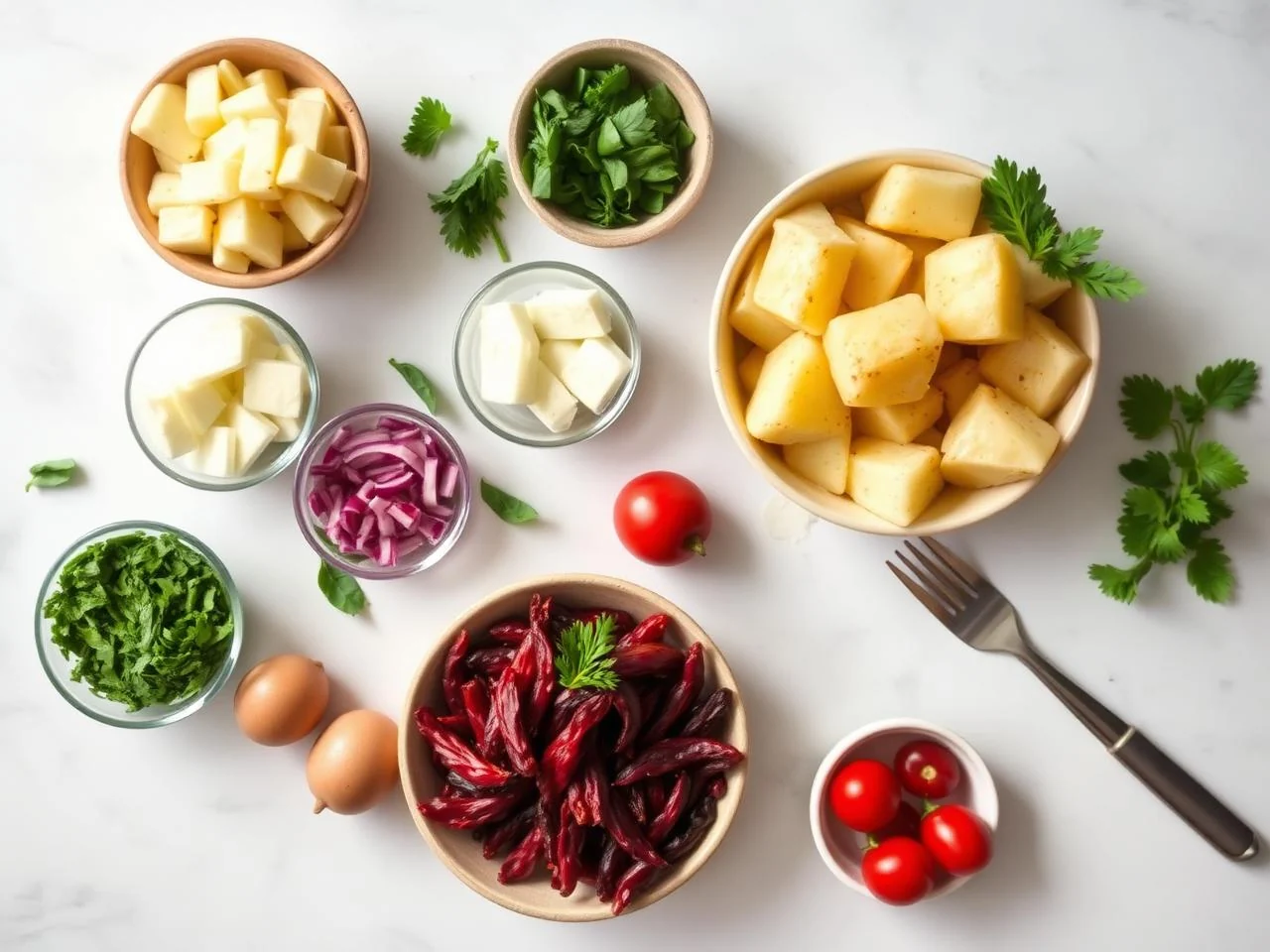
When it comes to making a great potato gratin, the ingredients are crucial. You'll want to use high-quality potatoes that are high in starch, such as Russet or Idaho. You'll also need some onions, garlic, and cream to create a rich and flavorful sauce. Don't forget to pick up some cheese and spices to add depth and complexity to the dish.
Here are some tips for shopping for the ingredients: look for potatoes that are firm and have no signs of sprouting. Choose onions and garlic that are fresh and have no signs of mold. Finally, select a high-quality cream that is rich and creamy.
- 2 lbs (900g) potatoes, thinly slicedLook for high-starch potatoes like Russet or Idaho for the best results. You can also use other varieties, but they may not yield the same creamy texture.
- 1 large onion, thinly slicedUse a sweet onion like Vidalia or Maui for the best flavor. You can also use other varieties, but they may not be as sweet.
- 3 cloves garlic, mincedUse fresh garlic for the best flavor. You can also use jarred garlic, but it may not be as potent.
- 1 cup (240ml) heavy creamUse high-quality cream that is rich and creamy. You can also use half-and-half or whole milk, but they may not yield the same richness.
- 1 cup (115g) grated cheese, such as Gruyère or CheddarUse a high-quality cheese that is rich and flavorful. You can also use other varieties, but they may not melt as well.
- 1 tsp (5g) dried thymeUse fresh thyme for the best flavor. You can also use dried thyme, but it may not be as potent.
- 1/2 tsp (2g) saltUse kosher salt or sea salt for the best flavor. You can also use table salt, but it may not be as flavorful.
- 1/4 tsp (1g) black pepperUse freshly ground black pepper for the best flavor. You can also use pre-ground pepper, but it may not be as potent.
- 2 tbsp (30g) unsalted butter, meltedUse high-quality butter that is rich and creamy. You can also use other varieties, but they may not melt as well.
- 1/4 cup (30g) grated Parmesan cheese, for servingUse high-quality Parmesan cheese that is rich and flavorful. You can also use other varieties, but they may not be as nutty.
- 2 tbsp (30g) chopped fresh parsley, for garnishUse fresh parsley for the best flavor. You can also use dried parsley, but it may not be as potent.
Equipment You’ll Need
How to Make Potato Gratin
- 1Preheat your oven to 375°F (190°C). Make sure to use the convection setting if you have it, as it will help to cook the potatoes evenly.
- 2In a large skillet or Dutch oven, melt 1 tablespoon of butter over medium heat. Add the sliced onions and cook until they are softened and translucent, about 8-10 minutes.
- 3Add the minced garlic to the skillet and cook for an additional 1-2 minutes, until fragrant.
- 4In a large bowl, combine the sliced potatoes, cooked onion mixture, and chopped thyme. Season with salt and pepper to taste.
- 5In a separate bowl, whisk together the heavy cream and grated cheese until smooth. Pour the cream mixture over the potato mixture and toss to combine.
- 6Butter a 9x13 inch baking dish with the remaining 1 tablespoon of butter. Arrange the potato mixture in the dish, making sure to leave a little space between each slice.
- 7Cover the dish with aluminum foil and bake for 30 minutes. Remove the foil and continue baking for an additional 20-25 minutes, or until the top is golden brown and the potatoes are tender.
- 8Remove the dish from the oven and let it rest for 10-15 minutes before serving. This will allow the sauce to thicken and the flavors to meld together.
- 9Sprinkle the grated Parmesan cheese over the top of the dish and garnish with chopped fresh parsley.
- 10Serve the potato gratin hot, garnished with additional parsley if desired.
- 11Use an instant-read thermometer to check the internal temperature of the dish. It should reach 165°F (74°C) for food safety.
- 12Let the gratin cool for a few minutes before serving, then slice and serve. You can also refrigerate or freeze the gratin for later use.
Expert Tips
- Use high-quality ingredients for the best flavor and texture.
- Make sure to slice the potatoes thinly and evenly, as this will help them to cook evenly.
- Don't overmix the potato mixture, as this can make it tough and dense.
- Use a variety of cheese for the best flavor. You can also add other ingredients, such as ham or bacon, to give the dish more flavor.
- Let the gratin rest for a few minutes before serving, as this will allow the sauce to thicken and the flavors to meld together.
- Experiment with different herbs and spices to find the combination that you like best.
- Consider making the gratin ahead of time and refrigerating or freezing it for later use.
- Use a convection oven if you have one, as it will help to cook the potatoes evenly and prevent them from becoming mushy.
Common Mistakes to Avoid
- Not slicing the potatoes thinly enough, which can make them tough and dense.
- Overmixing the potato mixture, which can make it tough and dense.
- Not using high-quality ingredients, which can affect the flavor and texture of the dish.
- Not letting the gratin rest for a few minutes before serving, which can make the sauce runny and the flavors not meld together.
- Not using a convection oven, which can make the potatoes cook unevenly and become mushy.
- Not checking the internal temperature of the dish, which can affect food safety.
Variations and Substitutions
- Add some diced ham or bacon to the potato mixture for added flavor.
- Use different types of cheese, such as Gruyère or Cheddar, for a unique flavor.
- Add some chopped fresh herbs, such as parsley or thyme, to the potato mixture for added flavor.
- Use Greek yogurt or sour cream instead of heavy cream for a tangier flavor.
- Add some diced vegetables, such as bell peppers or zucchini, to the potato mixture for added flavor and nutrition.
- Use different types of potatoes, such as sweet potatoes or Yukon golds, for a unique flavor and texture.
- Make the gratin in individual portions, such as in ramekins or mini cast-iron skillets, for a fun and easy presentation.
What to Serve With Potato Gratin
Serve the potato gratin hot, garnished with additional parsley if desired. You can also serve it with a variety of other dishes, such as roasted meats, stews, or soups. The gratin is also a great side dish for special occasions, such as holidays or dinner parties.
Consider serving the gratin with a green salad or a side of roasted vegetables for a well-rounded meal. You can also serve it with a variety of breads, such as crusty bread or cornbread, for a filling and satisfying meal.
Make-Ahead, Storage, Freezing and Reheating
The potato gratin can be made ahead of time and refrigerated or frozen for later use. To refrigerate, let the gratin cool completely, then cover it with plastic wrap or aluminum foil and refrigerate for up to 3 days.
To freeze, let the gratin cool completely, then wrap it tightly in plastic wrap or aluminum foil and freeze for up to 2 months. To reheat, thaw the gratin overnight in the refrigerator, then bake it in the oven at 350°F (180°C) for 20-25 minutes, or until hot and bubbly.
When reheating the gratin, make sure to check the internal temperature to ensure food safety. The gratin should reach 165°F (74°C) before serving.
Consider making the gratin in individual portions, such as in ramekins or mini cast-iron skillets, for a fun and easy presentation. You can also make the gratin in a large baking dish and refrigerate or freeze it for later use.
Frequently Asked Questions
What type of potatoes should I use for the gratin?
You should use high-starch potatoes, such as Russet or Idaho, for the best results. These potatoes will yield a creamy and tender gratin.
Can I make the gratin ahead of time?
Yes, you can make the gratin ahead of time and refrigerate or freeze it for later use. To refrigerate, let the gratin cool completely, then cover it with plastic wrap or aluminum foil and refrigerate for up to 3 days. To freeze, let the gratin cool completely, then wrap it tightly in plastic wrap or aluminum foil and freeze for up to 2 months.
What is the internal temperature of the gratin when it is done?
The internal temperature of the gratin should be 165°F (74°C) when it is done. You can check the temperature by inserting an instant-read thermometer into the center of the gratin.
Can I use different types of cheese in the gratin?
Yes, you can use different types of cheese in the gratin. Consider using a combination of cheeses, such as Gruyère and Cheddar, for a unique flavor.
How do I prevent the gratin from becoming mushy?
To prevent the gratin from becoming mushy, make sure to slice the potatoes thinly and evenly. You should also not overmix the potato mixture, as this can make it tough and dense. Finally, make sure to cook the gratin at the right temperature and for the right amount of time.
Can I make the gratin in individual portions?
Yes, you can make the gratin in individual portions, such as in ramekins or mini cast-iron skillets. This is a great way to serve the gratin at a dinner party or special occasion.
How do I reheat the gratin?
To reheat the gratin, thaw it overnight in the refrigerator, then bake it in the oven at 350°F (180°C) for 20-25 minutes, or until hot and bubbly. Make sure to check the internal temperature to ensure food safety.
Can I freeze the gratin?
Yes, you can freeze the gratin. To freeze, let the gratin cool completely, then wrap it tightly in plastic wrap or aluminum foil and freeze for up to 2 months.

Ingredients
- 2 lbs (900g) potatoes, thinly sliced
- 1 large onion, thinly sliced
- 3 cloves garlic, minced
- 1 cup (240ml) heavy cream
- 1 cup (115g) grated cheese, such as Gruyère or Cheddar
- 1 tsp (5g) dried thyme
- 1/2 tsp (2g) salt
- 1/4 tsp (1g) black pepper
- 2 tbsp (30g) unsalted butter, melted
- 1/4 cup (30g) grated Parmesan cheese, for serving
- 2 tbsp (30g) chopped fresh parsley, for garnish
Instructions
- Preheat your oven to 375°F (190°C). Make sure to use the convection setting if you have it, as it will help to cook the potatoes evenly.
- In a large skillet or Dutch oven, melt 1 tablespoon of butter over medium heat. Add the sliced onions and cook until they are softened and translucent, about 8-10 minutes.
- Add the minced garlic to the skillet and cook for an additional 1-2 minutes, until fragrant.
- In a large bowl, combine the sliced potatoes, cooked onion mixture, and chopped thyme. Season with salt and pepper to taste.
- In a separate bowl, whisk together the heavy cream and grated cheese until smooth. Pour the cream mixture over the potato mixture and toss to combine.
- Butter a 9x13 inch baking dish with the remaining 1 tablespoon of butter. Arrange the potato mixture in the dish, making sure to leave a little space between each slice.
- Cover the dish with aluminum foil and bake for 30 minutes. Remove the foil and continue baking for an additional 20-25 minutes, or until the top is golden brown and the potatoes are tender.
- Remove the dish from the oven and let it rest for 10-15 minutes before serving. This will allow the sauce to thicken and the flavors to meld together.
- Sprinkle the grated Parmesan cheese over the top of the dish and garnish with chopped fresh parsley.
- Serve the potato gratin hot, garnished with additional parsley if desired.
- Use an instant-read thermometer to check the internal temperature of the dish. It should reach 165°F (74°C) for food safety.
- Let the gratin cool for a few minutes before serving, then slice and serve. You can also refrigerate or freeze the gratin for later use.