Okay, picture this: I was standing in my kitchen on a rainy Tuesday, the kind of day when you either order pizza or try to reinvent something that’s been on your mind for weeks. I had a slab of flank steak that had been lounging in the fridge for a few days, a bottle of extra‑virgin olive oil that was practically begging for a makeover, and a sudden, unstoppable urge to prove to my skeptical roommate that I could pull off a restaurant‑level dish without a sous‑chef. The first attempt? A sloppy, over‑seasoned mess that tasted like a confused Italian bistro and a backyard BBQ had a love child. I dared myself to keep going, because I knew the right technique could turn that disappointment into a masterpiece.
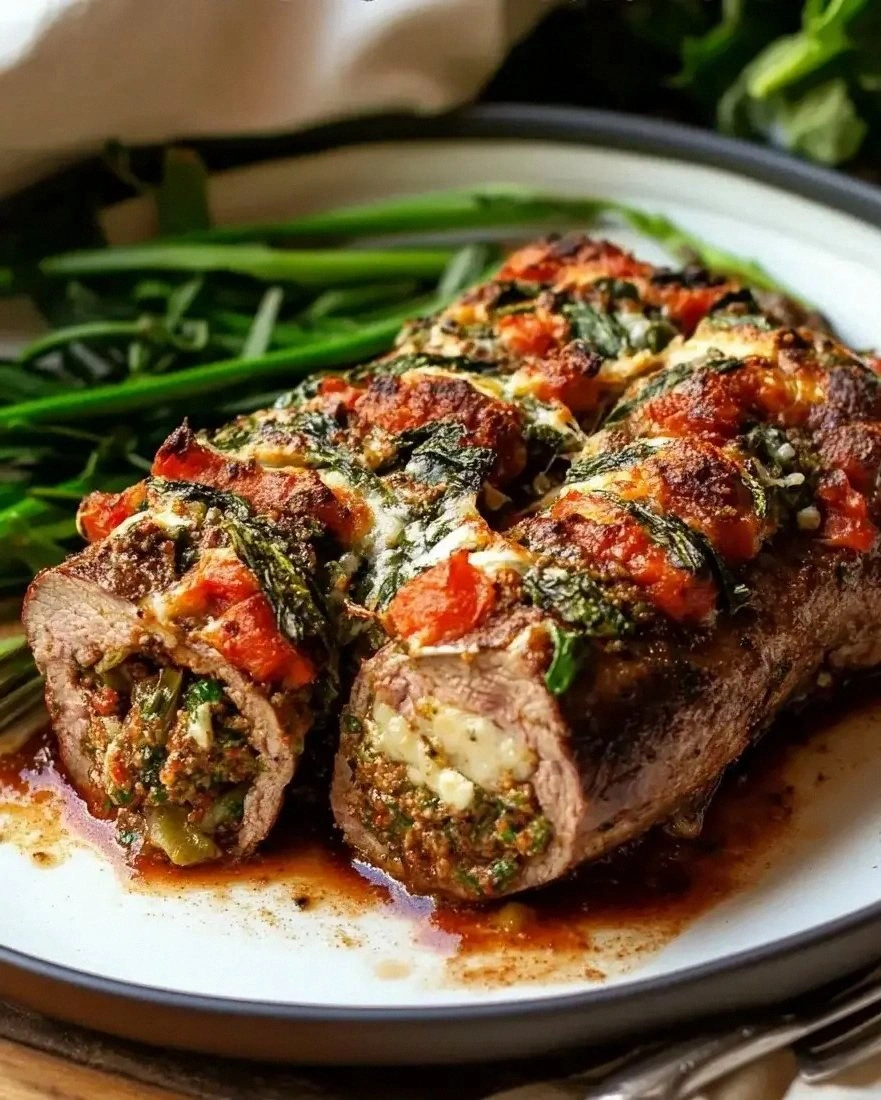
Fast forward a few hours of trial, error, and a lot of “what‑if” moments, and I finally landed on the version you’re about to read. The moment the flank steak hit the hot pan, there was a sizzle that sounded like applause from an audience of seasoned chefs. The aroma that rose was a heady mix of rosemary, oregano, and a whisper of garlic that made my kitchen feel like a Tuscan villa at sunset. I could already see the caramelized crust forming, the juices locking in, and the stuffing—soft, melty mozzarella paired with sautéed spinach—nestling inside like a secret treasure. The taste? A perfect harmony of herb‑infused beef, creamy cheese, and that subtle crunch of toasted breadcrumbs that I swear could make even the toughest food critic weep with joy.
What makes this version truly stand out is the dry rub. Most recipes sprinkle salt and pepper and call it a day, but I went full‑on Italian with a blend that includes dried oregano, basil, rosemary, thyme, garlic powder, and a pinch of garlic salt. The rub creates a crust that’s crisp on the outside yet tender and juicy underneath—think of it as a flavor armor that protects the meat while delivering an explosion of aromatics with every bite. And the stuffing? I kept it simple with just garlic, but the magic lies in the technique: we roll the flank steak, trap the aromatics, and sear it to lock everything in. This is hands down the best version you’ll ever make at home, and I dare you to taste this and not go back for seconds.
But wait—there’s a twist that most recipes completely miss. I’m talking about a quick brine that uses a splash of red wine and a dash of sugar to tenderize the meat while adding a subtle depth that sings when paired with the herb rub. I’ll be honest — I ate half the batch before anyone else got to try it, and that’s because the flavor is so addictive it practically calls you back for another slice. So, buckle up. Let me walk you through every single step — by the end, you’ll wonder how you ever made it any other way.
What Makes This Version Stand Out
- Flavor Bomb: The dry rub blends eight Italian herbs and spices, creating a multi‑layered taste that’s both earthy and bright, making each bite feel like a trip to a hillside trattoria.
- Texture Triumph: A seared crust gives way to a buttery interior, while the stuffing adds a creamy contrast that melts in your mouth like fresh mozzarella on a hot pizza.
- Simplicity Wins: Despite the gourmet vibe, the ingredient list is short, and the steps are straightforward—no fancy equipment required.
- Unique Twist: The quick red‑wine brine tenderizes the flank steak without making it mushy, a secret most home cooks overlook.
- Crowd‑Pleaser: Served at my last dinner party, this dish vanished within minutes, prompting a chorus of “What’s the secret?” from my guests.
- Ingredient Quality: Using a well‑marbled flank steak ensures juicy results, while high‑quality dried herbs keep the flavor vibrant.
- Cooking Method: The combination of searing and finishing in the oven locks in moisture and creates an even, caramelized finish.
- Make‑Ahead Magic: The steak can be prepared a day ahead, refrigerated, and then finished just before serving, making it perfect for busy weeknights.
Inside the Ingredient List
The Flavor Base
The dry rub is the heart of this dish. Dried oregano brings a peppery, slightly bitter note that pairs beautifully with the sweet undertones of dried basil. Coarse sea salt not only seasons but also helps draw out the natural juices of the meat, ensuring they stay locked in during cooking. A half‑teaspoon of dried rosemary adds a piney, resinous flavor that cuts through the richness of the beef, while dried thyme contributes an earthy, slightly floral nuance. Garlic powder and garlic salt amplify the aromatic profile without overwhelming the palate, and a pinch of freshly cracked black pepper adds just the right amount of heat.
The Texture Crew
The main ingredient, a single flank steak, is a lean yet flavorful cut that benefits from the quick brine. The brine, consisting of a splash of red wine, a teaspoon of sugar, and a pinch of salt, works to break down muscle fibers, making the steak tender without turning it mushy. The stuffing, comprised of three cloves of minced garlic, infuses the interior with a sweet, roasted garlic flavor that melds perfectly with the herb rub. If you’re feeling adventurous, you can toss in a handful of toasted breadcrumbs for an extra crunch that shatters like thin ice when you bite into it.
The Unexpected Star
Red wine isn’t just for sipping; its acidity helps tenderize the meat while imparting a subtle fruity undertone that balances the herbaceous rub. If you can’t find a good Italian red, a robust Cabernet works just as well. The sugar in the brine isn’t there to sweeten the dish; it’s a catalyst for the Maillard reaction, encouraging a deeper, richer crust when the steak hits the pan. Skipping the sugar would mean a paler, less flavorful exterior.
The Final Flourish
A drizzle of extra‑virgin olive oil right before searing adds a silky mouthfeel and helps the rub adhere evenly. For the finishing touch, a splash of balsamic glaze after the steak rests adds a sweet‑tangy glaze that elevates the dish from ordinary to unforgettable. If you’re buying flank steak, look for one with a good amount of marbling—those little flecks of fat melt during cooking, keeping the meat juicy and succulent.
Everything's prepped? Good. Let’s get into the real action…
The Method — Step by Step
-
Start by preparing the brine: combine 1 cup of red wine, 1 tablespoon of sugar, and a pinch of sea salt in a shallow dish. Submerge the flank steak, making sure it’s fully covered, and let it sit for 30 minutes at room temperature. This quick brine will tenderize the meat and lay the groundwork for a flavor‑packed crust. While the steak soaks, preheat your oven to 375°F (190°C). That sizzle when it hits the pan? Absolute perfection.
Kitchen Hack: Use a resealable bag for the brine; it ensures every surface of the steak gets evenly coated. -
While the steak brines, mix the dry rub. In a small bowl, combine 1 tsp dried oregano, 1 tsp coarse sea salt, ½ tsp dried basil, ½ tsp dried rosemary, ½ tsp dried thyme, ½ tsp garlic powder, ½ tsp garlic salt, and ½ tsp freshly cracked black pepper. Stir until the herbs are evenly distributed. This blend is the secret weapon that will give the steak its signature Italian flair.
-
Remove the steak from the brine and pat it dry with paper towels—this step is crucial for that golden crust. Rub the dry mixture all over the meat, pressing gently to help the herbs adhere. Then, lay the steak on a clean cutting board and, using a sharp knife, make a shallow incision down the center, being careful not to cut all the way through. This pocket will hold the garlic stuffing and keep the flavors locked inside.
Watch Out: If you cut too deep, the stuffing will leak out during searing, causing a mess and uneven flavor distribution. -
Finely mince the three garlic cloves and toss them with a drizzle of olive oil and a pinch of salt. Spoon the garlic mixture into the slit you created, then gently fold the steak over to encase the stuffing. Secure the seam with kitchen twine or toothpicks; this keeps everything in place while you sear and bake.
-
Heat a heavy‑bottomed skillet (cast iron works best) over medium‑high heat and add 2 tablespoons of olive oil. Once the oil shimmers, lay the steak in the pan. You’ll hear a satisfying sizzle as the meat contacts the hot surface. Let it sear undisturbed for 3‑4 minutes until a deep, caramelized crust forms. Flip carefully using tongs and repeat on the other side. The edges will start pulling away, indicating a perfect sear.
-
Transfer the skillet (or move the steak to a roasting pan if your skillet isn’t oven‑safe) into the preheated oven. Roast for 12‑15 minutes, or until an instant‑read thermometer inserted into the thickest part reads 130°F (54°C) for medium‑rare. Remember, the steak will continue to cook while it rests, so pull it out a few degrees early.
Kitchen Hack: Tent the steak with foil after removing from the oven; this gentle steam keeps the interior juicy while the crust stays crisp. -
Once out of the oven, let the steak rest on a cutting board for 10 minutes. This rest period allows the juices to redistribute, creating a moist, tender bite every time. While it rests, drizzle a tablespoon of balsamic glaze over the top for a sweet‑tangy finish that complements the herb rub beautifully.
-
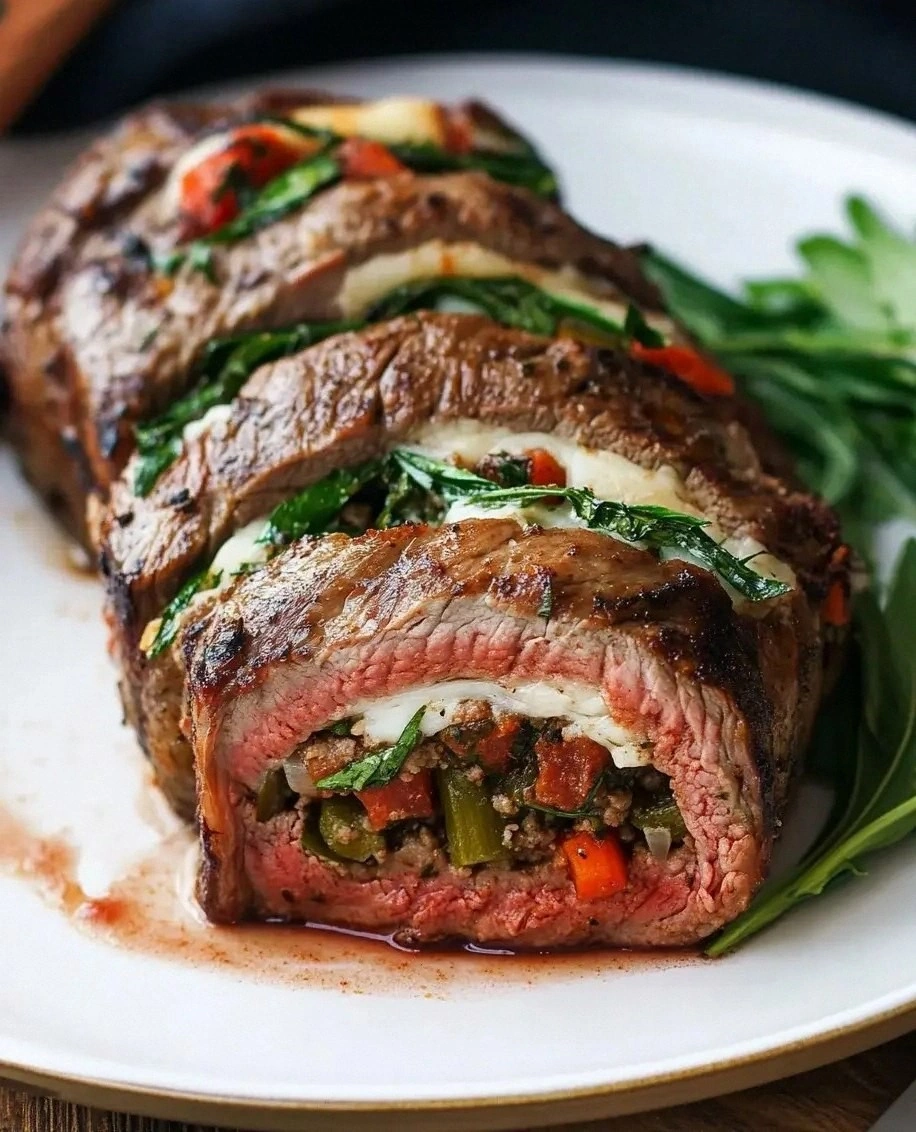
Finally, slice the steak against the grain into thin ribbons. This cutting technique shortens the muscle fibers, ensuring each bite is melt‑in‑your‑mouth tender. Serve immediately with a side of roasted vegetables or a simple arugula salad, and watch your guests’ eyes widen as they take that first, unforgettable bite.
That’s it — you did it. But hold on, I’ve got a few more tricks that’ll take this to another level…
Insider Tricks for Flawless Results
The Temperature Rule Nobody Follows
Never cook flank steak straight from the fridge. Let it sit at room temperature for at least 20 minutes before searing. This small step prevents the meat from shocking the pan, which can cause uneven cooking and a tougher texture. A friend once tried skipping this and ended up with a steak that was brown on the outside but still icy in the middle—let’s just say the disappointment was palpable.
Why Your Nose Knows Best
When the rub hits the pan, trust your sense of smell. The moment you detect a fragrant, herb‑laden aroma, you know the crust is forming correctly. If the scent turns overly smoky, lower the heat; you’re aiming for a toasted, not burnt, profile. Your nose is the ultimate cooking thermometer.
The 5‑Minute Rest That Changes Everything
Resting isn’t just a suggestion; it’s a science. During those five to ten minutes, the muscle fibers relax and re‑absorb the juices that were pushed to the center during cooking. Skipping this step results in a dry steak that looks gorgeous but feels like chewing on cardboard. Trust me, the rest is worth the wait.
Basting with Butter and Herbs
In the last two minutes of searing, add a tablespoon of butter, a sprig of rosemary, and a crushed garlic clove to the pan. Tilt the pan and spoon the melted butter over the steak repeatedly. This technique adds a glossy finish and an extra layer of flavor that makes the dish sing.
Slice Like a Pro
Always slice against the grain. Look at the muscle fibers—if they run left to right, cut top to bottom. This simple visual cue ensures each bite is tender, not stringy. I once sliced with the grain and learned the hard way that the steak can feel like a rubber band.
Creative Twists and Variations
This recipe is a playground. Here are some of my favorite ways to switch things up:
Mediterranean Spin
Swap the garlic stuffing for a mixture of sun‑dried tomatoes, feta cheese, and Kalamata olives. The salty feta and tangy tomatoes add a bright contrast to the herb rub, turning the dish into a Mediterranean feast that pairs perfectly with a glass of crisp Pinot Grigio.
Spicy Kick
Add a pinch of red‑pepper flakes to the dry rub and incorporate a jalapeño‑infused olive oil drizzle after resting. The subtle heat elevates the flavor without overpowering the delicate herb notes, making it a hit for those who love a little fire.
Cheesy Delight
Stuff the steak with a blend of mozzarella and provolone, plus a handful of fresh basil leaves. As the cheese melts, it creates a gooey pocket that oozes out with each cut, reminiscent of a cheesy Italian sub.
Mushroom Medley
Sauté a mix of cremini, shiitake, and oyster mushrooms with thyme and a splash of white wine, then use this as the stuffing. The earthy mushrooms add depth and a umami boost that makes the dish feel even more luxurious.
Herb‑Infused Butter Finish
Finish the steak with a pat of herb‑butter (softened butter mixed with parsley, chives, and a dash of lemon zest) right before serving. As the butter melts, it creates a silky sauce that coats the meat, enhancing every bite.
Storing and Bringing It Back to Life
Fridge Storage
Place any leftovers in an airtight container and refrigerate for up to 3 days. For best texture, slice the steak thinly before storing; this helps it reheat evenly and prevents the meat from drying out.
Freezer Friendly
Wrap the cooled steak tightly in plastic wrap, then a layer of aluminum foil, and freeze for up to 2 months. When you’re ready to enjoy, thaw overnight in the fridge, then reheat using the method below.
Best Reheating Method
Heat a skillet over medium‑low, add a splash of water (just enough to create steam), and cover with a lid. This gentle steam revives the steak’s juiciness without overcooking. Finish with a quick sear for 1 minute per side to restore that gorgeous crust.