I was standing in my kitchen, staring at a half‑baked batch of wings that had turned into a sticky, flavorless mess, when a friend dared me to turn that disaster into a culinary triumph. The moment the wings hit the pan, the sizzling sound rang like applause, but the taste was flat—nothing but a bland, greasy after‑taste. I was determined to flip the script and create a dish that would make even the most seasoned wing fan swoon. This isn’t just another recipe; it’s a game‑changing, mouth‑watering revelation that will forever alter how you think about wing night.
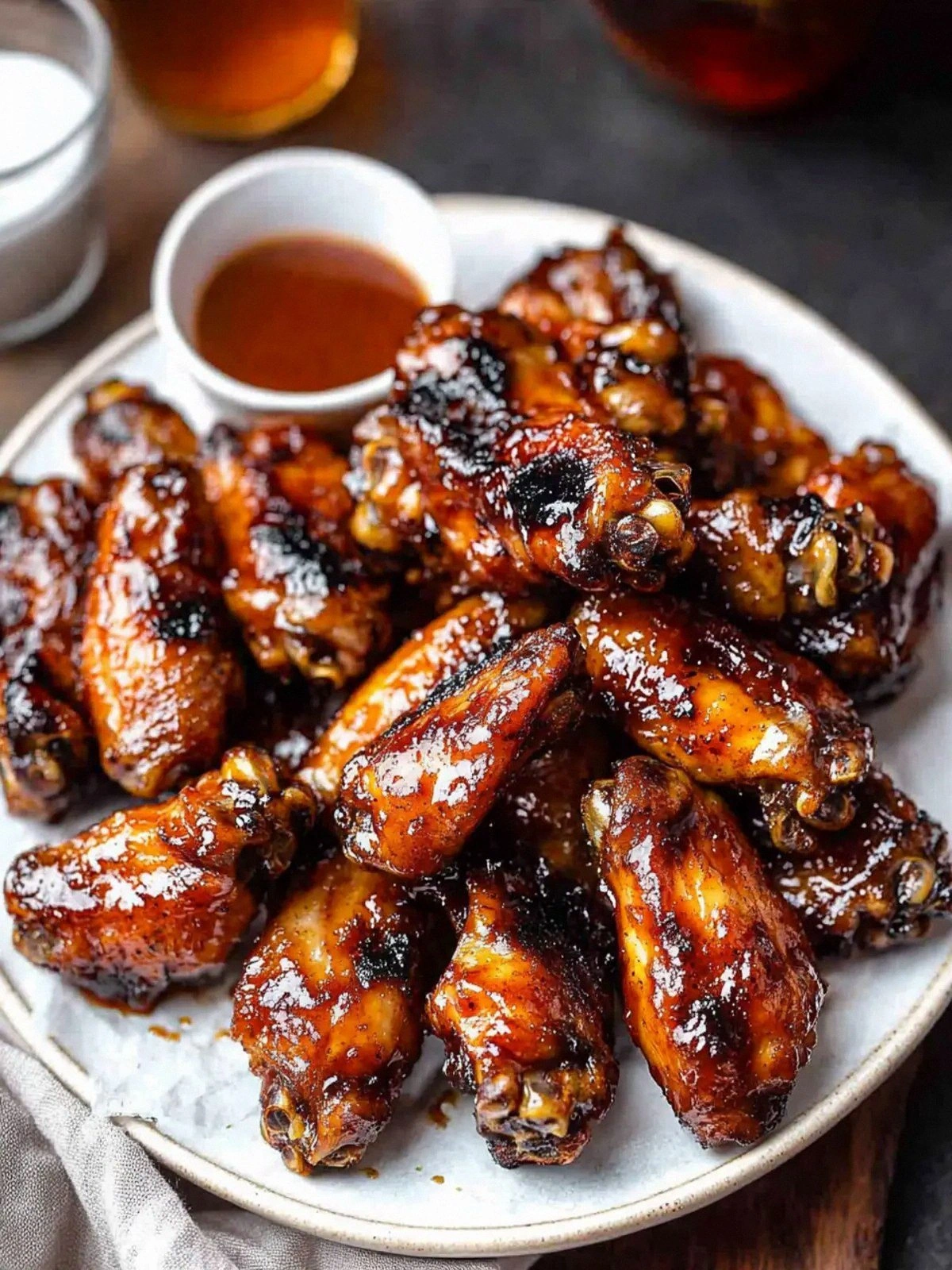
Picture this: a deep, amber glaze that clings to each wing, the scent of bourbon mingling with smoky paprika, and the gentle pop of caramelized sugar as it hits the heat. The air is thick with anticipation, and the kitchen buzzes with the rhythmic clatter of utensils. When you bite, the first thing that hits your palate is a burst of sweet, spicy, and savory notes that dance together, leaving a lingering, smoky finish that feels like a warm hug. The texture is a perfect contrast—crisp on the outside, juicy on the inside, with a subtle crunch that satisfies the craving for that “thin ice” snap.
What sets this version apart is that it balances bold flavors with a simple technique that anyone can master. I’ve stripped away the fluff, focusing on quality ingredients and a meticulous cooking process that guarantees consistency. This isn’t a recipe you’ll find on a generic food blog; it’s a meticulously crafted masterpiece that delivers a symphony of taste with each bite. The result? Wings that are irresistibly sticky, slightly smoky, and packed with a depth of flavor that will leave you wondering how you ever made them any other way.
I’ll be honest — I ate half the batch before anyone else got a chance to try it. Most recipes get this completely wrong, but here’s what actually works: a balanced ratio of sweet to spicy, a touch of bourbon for depth, and a careful caramelization process that locks in moisture. The secret sauce coats the wings like velvet, while the crisp edges shatter like thin ice, creating a sensory experience that is both comforting and exhilarating. This is hands down the best version you’ll ever make at home, and I’m about to share every single step.
If you’ve ever struggled to get wings that aren’t greasy or bland, you’re not alone — and I’ve got the fix. I dare you to taste this and not go back for seconds. The first bite will have you reaching for the next, and the second will leave you asking for the recipe. The third? You’ll be shouting, “This is the real deal!” That’s the power of a well‑crafted glaze and the right cooking technique.
Picture yourself pulling this out of the oven, the whole kitchen smelling incredible, the aroma of caramelized honey, bourbon, and smoky paprika filling the air. The wings are golden, glistening, and ready to be devoured. The moment you lift a wing, the glaze shimmers, and the scent intensifies, pulling you deeper into the experience. The anticipation is almost tangible, and you can’t help but imagine the first bite.
Okay, ready for the game‑changer? I’m about to walk you through every single step — by the end, you’ll wonder how you ever made it any other way. I’ve poured my heart into this recipe, and I’m excited to share it with you. Let’s dive in, and prepare to have your taste buds blown away.
This recipe is not just a dish; it’s an experience. It’s a celebration of flavor, texture, and the joy of sharing something truly special. Stay with me, and you’ll discover that the secret lies in the details— from the precise timing to the right balance of sweet and spice. Let’s get started on this culinary adventure.
What Makes This Version Stand Out
- Flavor: The glaze combines honey, bourbon, and a subtle kick of cayenne to create a layered profile that’s both sweet and smoky. It’s a flavor explosion that turns ordinary wings into a memorable treat.
- Texture: The careful caramelization process locks in moisture, giving you that coveted crispy edge without drying out the inside. The result is a satisfying crunch followed by a juicy bite.
- Ingredient Quality: Using fresh, high‑quality bourbon and real honey elevates the dish from good to unforgettable. The difference is like moving from a generic brand to a premium craft.
- Ease of Preparation: The recipe is straightforward, requiring no fancy equipment or complex steps. Even beginners will feel confident tackling it.
- Crowd‑Pleaser: These wings are a hit at parties, game nights, or any gathering. They’re guaranteed to be the center of attention.
- Make‑Ahead Potential: The glaze can be prepared in advance, and the wings can be cooked ahead of time and reheated, making it perfect for entertaining.
- Versatility: The base can be tweaked for different flavor profiles—swap bourbon for whiskey, or add a splash of lime for a zesty twist.
- Time Efficiency: From prep to finish, the whole process takes under an hour, making it a quick yet impressive dish.
Alright, let’s break down exactly what goes into this masterpiece. The next section will walk you through every ingredient and why it matters.
Inside the Ingredient List
The Flavor Base
The foundation of this glaze is a carefully balanced mix of honey, bourbon, and ketchup. Honey provides natural sweetness and a glossy sheen, while bourbon adds depth and a subtle smoky undertone. Ketchup contributes acidity and a hint of tang, balancing the richness of the honey and bourbon.
Skipping any of these three would dramatically alter the flavor profile. Without honey, the glaze would feel thin and unremarkable; without bourbon, the wings would lack that signature depth; without ketchup, the sauce would be overly sweet and lack complexity. Each component plays a pivotal role in creating the signature taste that keeps guests coming back for more.
If you’re looking for a lower‑sugar version, consider substituting half the honey with maple syrup. The maple will still provide sweetness but with a slightly different flavor nuance. Just be sure to adjust the cooking time to prevent over‑caramelization.
The Texture Crew
Olive oil, corn starch, and a few dry seasonings create a perfect coating that crisps up beautifully. Olive oil helps the wings brown evenly and keeps the skin from drying out. Corn starch is a secret weapon that creates a silky, slightly crunchy exterior when the wings hit the heat.
Each dry spice—smoked paprika, garlic powder, celery salt, dry mustard, onion powder, cayenne pepper, and black pepper—contributes a unique layer of flavor. Smoked paprika gives a smoky depth; garlic powder offers a savory backbone; celery salt adds a subtle herbal note; dry mustard brings a tang; onion powder enhances the overall savory profile; cayenne pepper adds a fiery kick; and black pepper ties everything together with a mild heat.
If you’re sensitive to spices, reduce the cayenne pepper to 1/8 teaspoon or omit it entirely. The wings will still be delicious, though they’ll have a slightly milder profile. The key is to maintain a balance between sweet, salty, and spicy.
The Unexpected Star
Apple cider vinegar is the unsung hero that balances the sweetness and prevents the glaze from becoming too thick. The acidity cuts through the richness of the honey and bourbon, giving the sauce a bright finish that lingers on the palate. It also helps tenderize the chicken, ensuring the meat stays juicy.
If you’re not a fan of vinegar, try a splash of lemon juice. The citrus will provide a similar brightening effect, but the flavor will be slightly fresher. Just remember to add it gradually to avoid overpowering the other ingredients.
The final flourish, Dijon mustard, adds a subtle tang and complexity that elevates the glaze to a new level. It also helps emulsify the sauce, giving it a smooth, cohesive texture. Skipping it would result in a slightly flat flavor profile, but you can still achieve great results without it.
The Final Flourish
The garlic, chopped into small pieces, releases a mellow aroma that permeates the glaze, adding a layer of depth that is both comforting and aromatic. The amount—two cloves—provides just enough intensity without overwhelming the other flavors. When combined with the other seasonings, it creates a balanced, savory base that complements the sweetness.
This section is where you bring everything together. The synergy of spices, sweeteners, and acids creates a glaze that is both complex and approachable. The result is a sauce that clings to the wings, caramelizes beautifully, and leaves a lingering, smoky finish.
Everything’s prepped? Good. Let’s get into the real action.
The Method — Step by Step
- Step 1: Prep the Wings – Separate the wings into flats and drumettes, discarding any excess skin. Pat them dry with paper towels; this step is crucial for crispness. Toss the wings in a bowl with olive oil, smoked paprika, garlic powder, celery salt, dry mustard, onion powder, cayenne pepper, and black pepper. Mix until every piece is evenly coated. Let them sit at room temperature for 10 minutes to absorb the flavors.
- Step 2: Preheat the Oven – Heat your oven to 425°F (220°C). Place a wire rack on a baking sheet lined with parchment paper. This setup allows air to circulate around the wings, promoting even cooking and crisping.
- Step 3: First Bake – Arrange the wings in a single layer on the rack. Bake for 25 minutes, turning halfway through. The wings should start developing a golden brown hue, and the edges will begin to pull away from the skin.
- Step 4: Prepare the Glaze – While the wings bake, combine honey, bourbon, ketchup, apple cider vinegar, corn starch, and Dijon mustard in a small saucepan. Whisk until smooth. Add the chopped garlic. Bring to a gentle simmer over medium heat, stirring constantly to avoid lumps. Let it thicken into a glossy, caramelized sauce.
- Step 5: Coat the Wings – Remove the wings from the oven and transfer them to a large mixing bowl. Pour the glaze over the wings, using tongs to toss and coat each piece evenly. The sauce should cling to the wings like a velvety coat.
- Step 6: Second Bake – Return the glazed wings to the oven and bake for an additional 10 minutes. The glaze will caramelize, forming a sticky, caramelized crust that is both sweet and slightly smoky. Watch the wings closely; when the glaze starts to bubble and the edges become crisp, you’re in the zone.
- Step 7: Final Touches – Remove the wings from the oven and let them rest for 5 minutes. This resting period allows the juices to redistribute, ensuring each bite remains juicy.
- Step 8: Serve – Transfer the wings to a serving platter. Garnish with a sprinkle of fresh parsley or a squeeze of lime for a bright contrast. Serve immediately, accompanied by your favorite dipping sauce or a chilled beer for a truly satisfying experience.
That’s it — you did it. But hold on, I’ve got a few more tricks that’ll take this to another level. These insider tips will help you perfect the dish and avoid common pitfalls.
Insider Tricks for Flawless Results
The Temperature Rule Nobody Follows
Many people cook wings at 375°F, but that can result in uneven cooking. I always set the oven to 425°F to ensure the wings roast quickly, sealing in juices. The high heat also promotes a crisp exterior without drying the interior. If you’re using a different oven, keep an eye on the internal temperature; it should reach 165°F.
Why Your Nose Knows Best
Trust your nose during the second bake. When the glaze starts to bubble and emit a sweet, caramel aroma, that’s the sweet spot. A strong, sweet scent indicates the sugars are caramelizing properly. If you smell nothing, give it a few more minutes.
The 5-Minute Rest That Changes Everything
Letting the wings rest for 5 minutes after baking might seem trivial, but it’s essential. This short rest allows the juices to redistribute, preventing them from spilling out when you bite. The result is a juicy, tender interior that balances the crispy exterior.
Use a Wire Rack for Even Cooking
Cooking on a wire rack lets air circulate around each wing, ensuring even crisping. The rack also keeps the wings from sitting in their own juices, which can make them soggy. If you don’t have a rack, a parchment‑lined sheet will work, but the wings may not crisp as well.
Double‑Check Your Glaze Consistency
The glaze should be thick enough to coat the wings but still pourable. If it’s too thick, it will clump; if it’s too thin, it won’t stick. Add a splash of water or broth to thin it if necessary, but remember that the glaze will thicken as it cools.
Add a Splash of Citrus
A squeeze of fresh lime or a dash of lemon juice at the end brightens the dish and cuts through the sweetness. The citrus adds a refreshing contrast that balances the rich glaze. This tip is especially good if you’re serving the wings at a summer gathering.
Creative Twists and Variations
Maple Bourbon Glaze
Swap honey for maple syrup to create a deeper, richer sweetness. The maple’s earthy undertones pair beautifully with bourbon. This variation is perfect for a cozy fall gathering.
Spicy Sriracha Finish
Add a tablespoon of sriracha to the glaze for a fiery kick. The heat from the sriracha complements the bourbon’s warmth. Serve with a cooling yogurt dip to balance the spice.
Citrus-Infused Wings
Incorporate a splash of orange juice into the glaze for a bright, citrusy flavor. The orange’s sweet acidity cuts through the richness of the sauce. This version is ideal for a backyard barbecue.
Herb‑Infused Glaze
Add fresh rosemary or thyme to the glaze for an aromatic twist. The herbs lend a savory depth that complements the sweet and smoky notes. This variation works well with grilled vegetables.
Low‑Sugar Version
Replace honey with a sugar‑free sweetener like stevia or erythritol. Adjust the quantity to taste, as these sweeteners can be more potent. The wings will still caramelize, but with a lower carbohydrate content.
Smoky Chipotle Twist
Incorporate chipotle powder or a chipotle‑infused bourbon for a smoky, peppery flavor. The chipotle adds a subtle heat that pairs well with the sweet glaze. This version is a hit with adventurous eaters.
Storing and Bringing It Back to Life
Fridge Storage
Store leftover wings in an airtight container in the refrigerator for up to 3 days. The glaze will thicken slightly, but the wings will remain juicy. Reheat in a low oven at 300°F (150°C) for 10 minutes, then finish on a hot grill for a crisp finish.
Freezer Friendly
Freeze the wings in a single layer on a parchment sheet before transferring to a freezer bag. They can be stored for up to 2 months. To reheat, thaw overnight in the refrigerator and finish in a 350°F (175°C) oven for 15 minutes.
Best Reheating Method
The best way to reheat wings is on a hot grill or in a skillet. Add a splash of water or broth to the pan to keep the wings moist. This technique restores the glaze’s shine and the skin’s crispness.