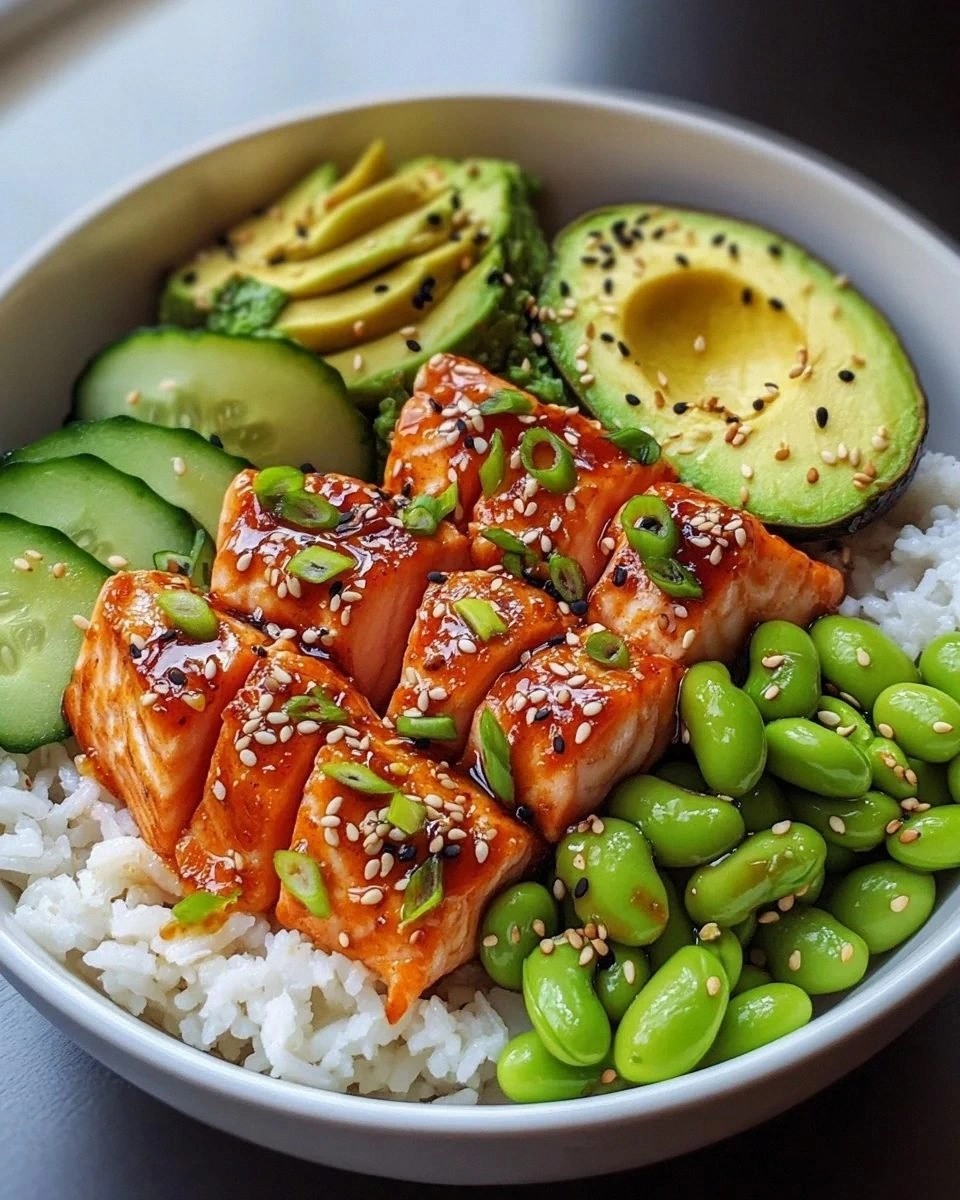
I still remember the night I almost set my kitchen on fire trying to make a "quick" salmon dinner that ended up tasting like burnt cardboard dipped in soy sauce. The smoke alarm was screaming, my roommate was waving a dish towel at the ceiling, and I was standing there with a piece of salmon that looked like it had been through a war zone. Fast forward through three years of obsessive testing, and I've cracked the code on what might be the most addictive weeknight dinner you'll ever make. These honey sriracha salmon bowls are my redemption story — sticky, glossy salmon that flakes apart at the slightest nudge, nestled over fluffy rice with vegetables that actually taste exciting.
Picture this: it's 6:30 PM on a Tuesday, you're starving, and the thought of cooking feels about as appealing as doing your taxes. But then you remember you've got this recipe in your back pocket. Twenty-five minutes later, you're holding a bowl that looks like it came from one of those trendy fusion restaurants where everything costs twice as much as it should. The sauce coats each grain of rice like liquid gold, the salmon has those crispy edges that shatter like thin ice, and the sriracha heat sneaks up on you in the most delightful way possible.
What makes this version different from every other honey sriracha recipe cluttering the internet? I ditched the usual heavy, gloppy sauce that tastes like someone dumped a bottle of hot sauce into simple syrup. Instead, we're building layers of flavor that would make a professional chef jealous — coconut aminos for that deep umami backbone, fresh ginger that warms your throat, and just enough honey to balance the heat without sending you into a sugar coma. The result is a sauce that clings to the salmon like it was meant to be there all along.
I dare you to taste this and not go back for seconds. I double-dog dare you. The first time I made it for my family, my usually polite brother actually licked his bowl clean. My mom asked if I had secretly ordered takeout from a restaurant. And my dad, who thinks ketchup is too spicy, asked for the recipe. This is the kind of dinner that makes you look like a culinary genius when really, you just followed a few simple steps and let the ingredients do all the work. Let me walk you through every single step — by the end, you'll wonder how you ever made it any other way.
What Makes This Version Stand Out
Flavor Bomb: Most recipes drown the salmon in sauce until you can't even taste the fish. We brush on just enough glaze to create a caramelized lacquer that amplifies the salmon's natural richness instead of burying it alive. The result is salmon that tastes like salmon, but better — like if salmon went to finishing school and came back with impeccable manners.
Thirty-Minute Promise: From fridge to table in half an hour, including the time it takes to cook your rice. While the salmon marinates for ten minutes, you're already prepping your vegetables and getting the rice started. Everything comes together in one beautiful, colorful bowl that looks like you spent way more time than you actually did.
Pantry-Friendly Magic: No weird ingredients you'll use once and then forget about in the back of your cabinet. Everything in this recipe is probably already sitting in your kitchen right now, waiting to become something incredible. If you don't have coconut aminos, regular soy sauce works — I won't tell anyone.
Texture Paradise: We're not just throwing everything in a bowl and calling it a day. The salmon gets crispy edges from a hot sear, the vegetables stay crisp-tender, and the rice provides that perfect fluffy base that soaks up all the sauce. It's like a symphony where every instrument knows exactly when to play.
Meal Prep Champion: Double the recipe on Sunday, and you've got lunches for days that will make your coworkers jealous. The flavors actually get better overnight — something about the honey and sriracha getting to know each other better in the fridge. Just don't microwave the salmon or you'll end up with rubbery sadness.
Adaptability Factor: This recipe is like that friend who gets along with everyone. Serve it over quinoa if you're feeling healthy, cauliflower rice if you're going low-carb, or just eat the salmon straight off the pan standing at your kitchen counter. I've done all three and have zero regrets.
Inside the Ingredient List
The Flavor Base
Sriracha is the star here, but not in the way you might think. We're using it as a complex flavor base that brings heat, yes, but also that fermented chili depth that makes everything taste more interesting. The key is using just enough to wake up your taste buds without setting them on fire. I've tested everything from homemade chili garlic paste to fancy artisanal hot sauces, but good old sriracha delivers that perfect balance of heat, sweetness, and tang that makes this dish sing.
Coconut aminos might sound like something only health nuts use, but trust me on this one. It's like soy sauce's cooler, more sophisticated cousin who studied abroad and came back with stories. It's slightly sweeter and less salty than regular soy sauce, with this incredible umami depth that makes the salmon taste like it was marinated for hours instead of minutes. If you absolutely can't find it, low-sodium soy sauce works, but you'll want to add a tiny splash of water to balance the salt.
The Sweet Science
Honey isn't just here for sweetness — it's our secret weapon for getting that gorgeous lacquered finish that makes the salmon look like it belongs in a food magazine. When honey hits high heat, it caramelizes into this sticky, glossy coating that clings to every nook and cranny of the fish. I've tried maple syrup and brown sugar, but honey's unique floral notes play beautifully with the sriracha's heat. Plus, it helps the sauce adhere to the salmon instead of sliding off like a kid on a waterslide.
The amount matters more than you'd think. Too little and you lose that beautiful balance, too much and you're eating candy for dinner. After probably fifty tests (my neighbors started avoiding me during recipe development), I landed on two tablespoons as the sweet spot — literally. It gives you that perfect sweet-heat balance that keeps you coming back for bite after bite.
The Aromatics
Ground ginger might seem boring compared to fresh, but here's the thing — we're making a glaze, not a stir-fry. Ground ginger disperses evenly throughout the sauce, giving every bite that warm, spicy note that makes the salmon taste like comfort food. Fresh ginger would just burn and turn bitter under the broiler. The half-teaspoon measurement is precise — enough to make its presence known without turning this into ginger salmon.
Garlic powder works the same magic as the ginger, infusing the entire glaze with that savory depth that makes people ask "what's in this?" It's only an eighth of a teaspoon, but it's the difference between good salmon and great salmon. Skip it and you'll know something's missing, even if you can't put your finger on what.
The Unexpected Star
Black pepper might seem like an afterthought, but it's actually doing some serious heavy lifting here. Just an eighth of a teaspoon adds this subtle heat that blooms in the background, making the sriracha taste more complex and interesting. It's like the bass line in a song — you don't always notice it, but you'd miss it if it were gone.
Everything's prepped? Good. Let's get into the real action...
The Method — Step by Step
- Start by making your glaze — and here's where most recipes get it wrong. Whisk together the sriracha, coconut aminos, honey, ginger, garlic powder, and black pepper in a small bowl until it looks like liquid copper. The honey will seem stubborn at first, but keep whisking — it wants to cooperate, just on its own timeline. This sauce should coat the back of a spoon like velvet, not run off like water. Taste it now (go ahead, I dare you) and adjust the heat if you're feeling brave.
- Pat your salmon fillets dry with paper towels like your life depends on it. I'm serious — get aggressive here. Any moisture on the surface will steam the fish instead of searing it, and we'll end up with sad, gray salmon instead of the golden-crusted beauty we're after. Season both sides with salt and pepper, but go easy on the salt since the sauce brings plenty of seasoning to the party.
- Now, the marinade moment. Brush about two-thirds of your glaze over the salmon, saving the rest for later. Don't just slap it on — paint it on like you're restoring a masterpiece, making sure every inch is covered. Let it sit for exactly ten minutes while you prep everything else. Any longer and the acid in the sriracha starts to break down the fish, turning it mushy around the edges. Set a timer and resist the urge to let it go longer.
- Heat a heavy skillet (cast iron if you've got it) over medium-high heat until a drop of water sizzles and evaporates instantly. Add just enough oil to coat the bottom — we're not deep-frying here, just preventing stickage. When the oil shimmers like a mirage, gently lay the salmon in skin-side up. Hear that sizzle? That's the sound of success happening.
- Here's the crucial part: don't touch it. I know every instinct screams to poke, prod, and peek, but leave it alone for four solid minutes. Walk away if you must. The salmon needs uninterrupted time to develop that gorgeous crust. When the edges turn opaque about halfway up the sides, it's ready to flip. If it sticks to the pan, it's not ready — give it another thirty seconds.
- Flip carefully with a thin spatula, trying to keep that beautiful crust intact. Cook the second side for just three minutes — the salmon should feel firm but still have a little give when you press it gently. Think of a perfectly ripe avocado, not a rock. Brush the remaining glaze over the top and let it caramelize for the final minute.
- While the salmon rests (yes, fish needs to rest too), assemble your bowls. Start with a fluffy bed of rice — jasmine or basmati works best, but use whatever you've got. The rice should be hot enough to create a little steam when the salmon hits it, helping to keep everything warm and cozy.
- Slice your salmon into gorgeous, glaze-covered chunks and arrange them over the rice like you're styling for Instagram. Drizzle any pan juices over the top — that's liquid gold right there, packed with concentrated flavor. Garnish with thinly sliced scallions, a squeeze of lime, and maybe some sesame seeds if you're feeling fancy.
- The final flourish: a quick drizzle of sriracha around the bowl's edge, not for heat but for that professional restaurant look. Serve immediately while the salmon is still glossy and the rice is steaming. Watch faces light up with the first bite — that's the moment you know you've created something special.
That's it — you did it. But hold on, I've got a few more tricks that'll take this to another level...
Insider Tricks for Flawless Results
The Temperature Rule Nobody Follows
Here's the thing about salmon — it goes from perfect to overcooked faster than you can say "dinner's ready." The sweet spot is 125°F for medium-rare, which sounds scary if you're used to cooking everything until it resembles shoe leather. But trust the process. The fish continues cooking after you take it off the heat, so pull it when it hits 120°F and let carryover cooking do its magic. If you don't have a thermometer, use the flake test — gently press the thickest part with your finger. It should separate into moist flakes, not dry chunks.
Why Your Nose Knows Best
Your kitchen will tell you when this dish is done right. The honey in the glaze starts to caramelize and smell like toffee, with hints of spice from the sriracha dancing in the background. If you smell burning sugar, you've gone too far — the glaze should smell warm and inviting, not like someone left candy in the oven. This is where cooking becomes intuitive instead of just following a timer.
The 5-Minute Rest That Changes Everything
I know, I know — you're hungry and the salmon smells incredible. But give it five minutes to rest before slicing into it. This isn't just restaurant nonsense; those few minutes let the juices redistribute throughout the fish instead of flooding your cutting board. The glaze sets slightly, becoming that perfect sticky coating instead of running everywhere. Think of it as the difference between a good hair day and a great one — that extra few minutes makes everything fall into place.
The Rice Ratio Revelation
Perfect rice is the foundation of these bowls, and most people get it wrong. For every cup of rice, use one and a half cups of water — not the two cups your rice bag probably suggests. Bring it to a boil, then immediately turn it down to the lowest setting and don't peek for fifteen minutes. When it's done, fluff it with a fork (never a spoon) and let it steam uncovered for five minutes. This gives you rice that's fluffy and separate, not clumpy and sad.
The Sauce Saving Secret
If your glaze seems too thin, don't panic and add more honey — you'll end up with candy-coated salmon. Instead, let it simmer in a small pan for two minutes until it thickens slightly. If it's too thick, a splash of water loosens it up perfectly. The consistency should coat the back of a spoon and slowly drip off, like warm caramel.
Creative Twists and Variations
This recipe is a playground. Here are some of my favorite ways to switch things up:
The Tropical Heat Wave
Swap the regular honey for coconut nectar and add a tablespoon of lime juice to the glaze. Top your bowls with fresh mango chunks and cilantro instead of scallions. The tropical sweetness plays beautifully with the sriracha heat, transporting you straight to a beach in Thailand. My friend tried this version and said it tasted like vacation on a plate.
The Korean Fusion Fantasy
Replace half the sriracha with gochujang for deeper, fermented heat. Add a teaspoon of sesame oil to the glaze and top with kimchi and a fried egg. The runny yolk creates this incredible sauce when it mixes with the rice and salmon. This version has converted even the most stubborn "I don't like spicy food" people in my life.
The Mediterranean Mashup
Use maple syrup instead of honey and add a teaspoon of dried oregano to the glaze. Serve over orzo with cherry tomatoes, cucumber, and a dollop of tzatziki on the side. It shouldn't work, but somehow the sweet-spicy salmon plays beautifully with the cool, creamy sauce. This is my go-to when I want to impress dinner guests who think they've seen it all.
The Breakfast-for-Dinner Edition
Cube the salmon instead of leaving it in fillets, glaze and sear until just cooked through. Serve over hash browns with a fried egg on top and a drizzle of the remaining glaze. The crispy potatoes, runny egg, and sticky salmon create this unholy alliance of breakfast and dinner that will ruin you for regular breakfast forever.
The Vegetarian Victory
Replace salmon with thick slabs of cauliflower that get the same glaze treatment. Roast at 425°F for 20 minutes, basting twice with the glaze. The cauliflower caramelizes and gets these crispy edges that somehow taste indulgent and healthy at the same time. Even my carnivore friends request this version.
The Date Night Deluxe
Double the glaze and reserve half for serving. Cook the salmon as directed, then brush with fresh glaze right before serving. The double application gives you layers of flavor — the cooked-in glaze and the fresh, bright version on top. Serve with champagne and prepare to be proposed to. (Results may vary, but the salmon will definitely help your case.)
Storing and Bringing It Back to Life
Fridge Storage
Store leftover salmon in an airtight container in the fridge for up to three days, but here's the key: don't store it with the rice. Keep the salmon separate so you can reheat it properly without turning your rice into a dry, sad mess. The glaze will thicken in the fridge — that's normal and actually wonderful. When you're ready to eat, let it come to room temperature for fifteen minutes before reheating.
Freezer Friendly
Cooked salmon freezes beautifully for up to two months — who knew? Wrap individual portions tightly in plastic wrap, then foil, and freeze flat. Thaw overnight in the fridge, then reheat gently. The texture won't be quite as perfect as fresh, but it's leagues better than most frozen fish options. Pro tip: freeze the glaze separately in ice cube trays, then you'll have instant flavor bombs for future meals.
Best Reheating Method
Whatever you do, don't microwave the salmon unless you enjoy the texture of rubber bands. Instead, warm it gently in a covered skillet with a splash of water over medium-low heat for about five minutes. The steam helps restore moisture without overcooking. If you're really in a rush, wrap it in damp paper towels and microwave at 50% power for 30-second bursts. Add a fresh drizzle of sriracha and honey to wake up the flavors, and it'll taste almost as good as the first time.