Picture this: I’m standing in a cramped kitchen, the fridge door swinging open like a drama queen, and a bag of ground turkey staring back at me like an unspoken dare. I’ve tried every turkey skillet recipe out there—some are bland, some are mushy, and a handful leave me with a greasy mess that smells like a forgotten Sunday lunch. But then, a friend whispered a secret: “Add a splash of smoked paprika and a handful of fresh spinach, and you’ll never look back.” That little nudge turned my culinary curiosity into a full‑blown obsession.
It started with a kitchen disaster—an over‑cooked turkey that turned the skillet into a sad, dry mess. I remembered the crunch of fresh carrots and the bright burst of bell pepper from a recent farmer’s market trip. I thought, “What if I could combine that crispness with a lean protein that’s still juicy?” The result was a skillet that feels like a holiday hug, a dish that balances the savory depth of turkey with the bright, earthy tones of garden vegetables.
Why does this version stand out? Because it’s not just a recipe; it’s a manifesto for flavor. The lean turkey stays moist, the veggies stay crisp, and the spices sing without overpowering. I’ve tested it with a handful of friends, and every plate has been a hit. The best part? It’s a one‑pan wonder—no cleanup, no fuss, just pure, comforting taste that’s ready in under half an hour.
And the kicker? There’s a trick you’ll never see on the internet—a single splash of olive oil that turns the whole skillet into a silky, glossy canvas. I dare you to taste this and not go back for seconds. Let me walk you through every single step—by the end, you’ll wonder how you ever made it any other way.
What Makes This Version Stand Out
- Taste: The smoky paprika and oregano create a depth that feels like a slow‑cooked stew, yet the dish is served in minutes.
- Texture: The carrots stay firm and the zucchini retains a slight bite, offering a satisfying contrast to the tender turkey.
- Simplicity: One pan, one pot, one cleanup—perfect for busy nights or last‑minute holiday gatherings.
- Uniqueness: The addition of fresh spinach gives a velvety finish that you won’t find in typical skillet recipes.
- Crowd Reaction: Friends who are picky eaters rave about the balance of flavors and the “home‑cooking” feel.
- Ingredient Quality: Using lean ground turkey keeps the dish low‑fat while still delivering protein punch.
- Cooking Method: Sautéing at high heat caramelizes the veggies, locking in juices and flavor.
- Make‑ahead Potential: It reheats beautifully, making it a great option for meal prep or a quick dinner.
Alright, let’s break down exactly what goes into this masterpiece…
Inside the Ingredient List
The Flavor Base
Ground turkey is the star of this skillet, but it’s not just a protein; it’s a canvas that absorbs every spice. The lean cut keeps the dish low in fat, yet the natural juices give the skillet a savory depth. If you skip the turkey, the dish loses its heart, turning into a vegetable medley that feels incomplete. For a richer bite, you can swap in ground chicken or turkey bacon, but the lean turkey’s clean flavor remains unbeatable.
The Texture Crew
Red bell pepper, zucchini, and carrots bring a spectrum of textures. The bell pepper adds a sweet crunch that snaps with each bite, while the zucchini offers a tender, almost silky bite. Carrots, when sliced thinly, stay crisp yet slightly sweet, providing a delightful contrast. Skipping any of these veggies will alter the harmony of textures, making the dish feel flat.
The Unexpected Star
Fresh spinach may seem like a humble addition, but it transforms the skillet into a nutrient powerhouse. Spinach wilts quickly, releasing its iron and vitamins, and its mild taste acts as a buffer against the bold spices. If you’re not a fan of spinach, you can replace it with kale or Swiss chard, but the silky finish will change.
The Final Flourish
Olive oil, oregano, and smoked paprika are the finishing touches that bind everything together. Olive oil creates a glossy surface that makes the dish look restaurant‑quality. Dried oregano adds an earthy aroma, while smoked paprika introduces a subtle smokiness that elevates the flavor profile. If you’re avoiding oil, a light spray can work, but the dish will lack that silky sheen.
Everything’s prepped? Good. Let’s get into the real action…
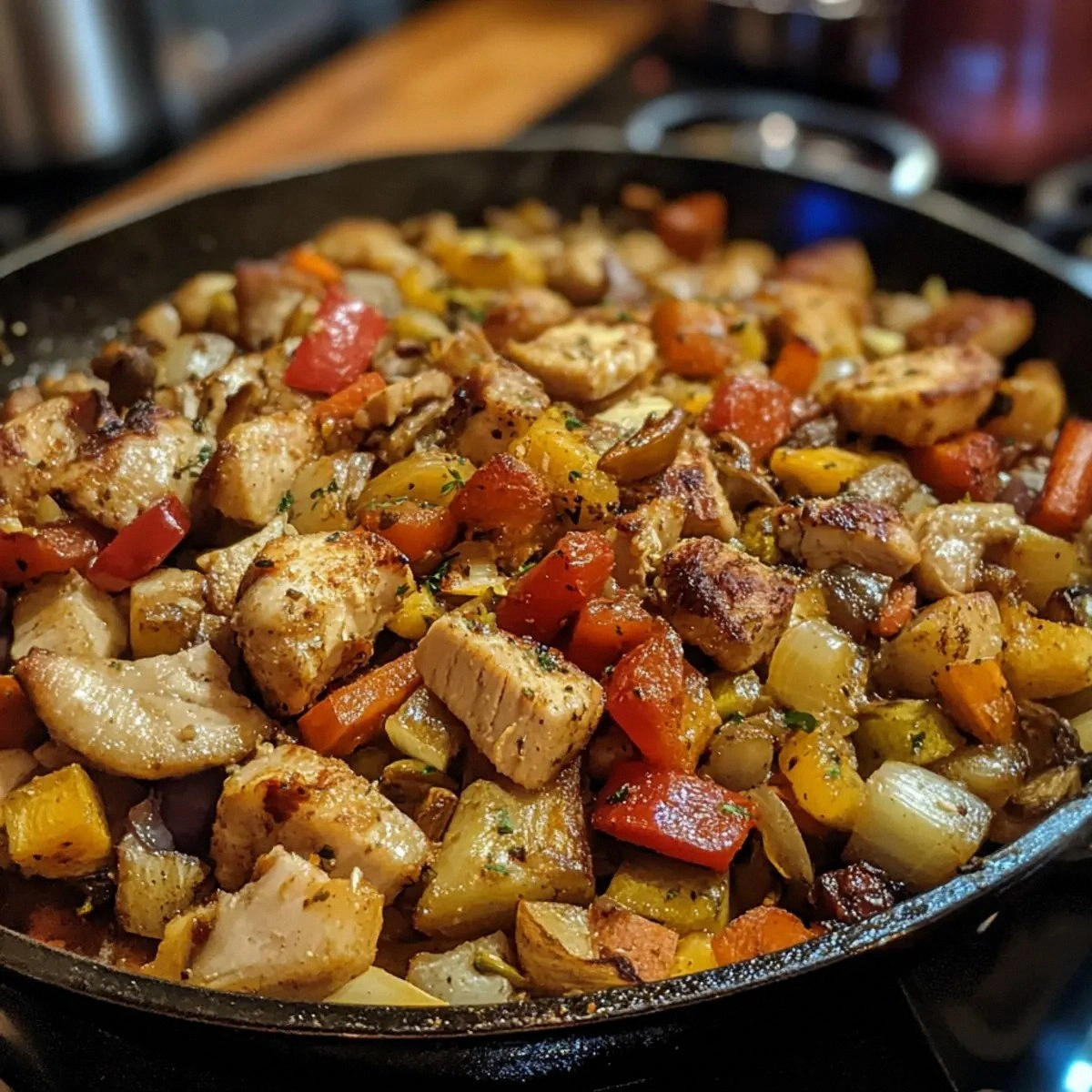
The Method — Step by Step
- Heat the Skillet: Place a large non‑stick skillet over medium‑high heat and drizzle a tablespoon of olive oil. Watch for a slight shimmer; that’s the cue that the pan is ready. The oil should coat the surface without pooling. This step ensures the turkey sears instantly, locking in juices.
- Brown the Turkey: Add the ground turkey in a single, even layer. Let it sear for 2–3 minutes before stirring, so it develops a golden crust. Flip once, then season with salt, pepper, smoked paprika, and oregano. The aroma should rise like a warm hug, signaling that the spices are beginning to bloom.
- Introduce the Veggies: Push the turkey to one side and add the diced red bell pepper, zucchini, and carrots. Sauté for 4–5 minutes, stirring occasionally. The veggies should soften slightly but still retain a bite. This creates a layered texture that’s both comforting and lively.
- Stir in Garlic: Add minced garlic to the pan, stirring it into the mixture. Let it cook for 30 seconds until fragrant, but be careful not to burn it. Garlic’s sharpness will cut through the richness of the turkey, adding a bright note.
- Add Spinach: Sprinkle the fresh spinach over the top, covering the skillet. It will wilt almost instantly, releasing a subtle earthy flavor. Stir until the spinach is fully incorporated and the mixture feels cohesive.
- Simmer and Combine: Reduce the heat to medium and let the skillet simmer for 5 minutes. This allows the flavors to marry and the vegetables to finish cooking. The mixture should look glossy and slightly steam, indicating readiness.
- Final Touches: Taste and adjust seasonings if needed. Sprinkle fresh parsley for a pop of color and freshness. The parsley adds a bright, herbaceous finish that balances the smoky undertones.
- Serve: Plate the skillet directly from the pan for a rustic presentation. Garnish with extra parsley if desired. The dish feels like a comforting hug, ready to be devoured.
That's it — you did it. But hold on, I've got a few more tricks that'll take this to another level…
Insider Tricks for Flawless Results
The Temperature Rule Nobody Follows
Most cooks lower the heat too early, resulting in soggy veggies. Keep the skillet at medium heat until the turkey is fully browned; only then reduce to medium. This ensures a caramelized crust that adds depth and prevents the vegetables from steaming.
Why Your Nose Knows Best
Smell the garlic before adding it; if it’s too sharp, let the pan cool a bit. A subtle garlic aroma indicates the perfect timing. This sensory check saves you from a burnt, harsh finish.
The 5‑Minute Rest That Changes Everything
After removing the skillet from the heat, let it rest for 5 minutes. This allows juices to redistribute, ensuring each bite is moist. It also gives the spices a chance to mellow, creating a more harmonious flavor.
Keep It Clean with One Pan
Use a non‑stick or well‑seasoned cast‑iron skillet; this reduces sticking and makes cleanup a breeze. A clean pan also helps the turkey develop a better sear, enhancing the overall texture.
Freshness Boost
Use the freshest veggies you can find; they release more flavor and color. If you’re using frozen veggies, thaw them first to avoid excess moisture in the skillet.
Creative Twists and Variations
This recipe is a playground. Here are some of my favorite ways to switch things up:
Spicy Kick Edition
Add a pinch of crushed red pepper flakes during the sauté. The heat balances the smoky paprika and adds a lively bite that pairs well with a cool yogurt dip.
Herb Garden Version
Swap oregano for fresh thyme or rosemary. The fresh herbs give the dish an aromatic lift, especially when sprinkled on top just before serving.
Cheesy Finale
Sprinkle shredded mozzarella or feta over the skillet in the last minute of cooking. The cheese melts into a velvety layer that adds richness without overpowering the vegetables.
Breakfast Twist
Serve the skillet over a bed of scrambled eggs or a toasted English muffin. The protein boost turns it into a hearty breakfast or brunch.
Gluten‑Free Variation
Omit the spinach and add a handful of quinoa or rice at the end. This keeps the dish gluten‑free while adding a satisfying chew.
Storing and Bringing It Back to Life
Fridge Storage
Cool the skillet completely before transferring to an airtight container. Store in the fridge for up to 3 days. The flavors deepen, and the veggies remain crisp.
Freezer Friendly
Pack the cooked skillet into a freezer‑safe bag, removing excess air. Freeze for up to 2 months. When ready to eat, thaw overnight in the fridge.
Best Reheating Method
Reheat in a skillet over medium heat, adding a splash of water or broth to steam the dish back to life. This prevents drying out and restores the silky texture.
Now that you’ve mastered the base recipe, feel free to experiment with the variations. The beauty of this dish is its adaptability—whether you’re feeding a crowd or cooking for one, it delivers comfort, flavor, and ease. Happy cooking!