I was in the middle of a frantic dinner rush one Tuesday night, juggling a pot of simmering soup, a pan of sautéed veggies, and a stubborn oven that seemed to have a mind of its own. Suddenly, the kitchen exploded in a symphony of sizzling sounds, a cloud of fragrant steam, and the unmistakable aroma of mushrooms. My friends were laughing, my phone was buzzing, and I realized I had accidentally over‑cooked my pasta. I stared at the pot of orzo, its noodles swollen and soft, and thought, “This is the kind of disaster that turns into a masterpiece.”
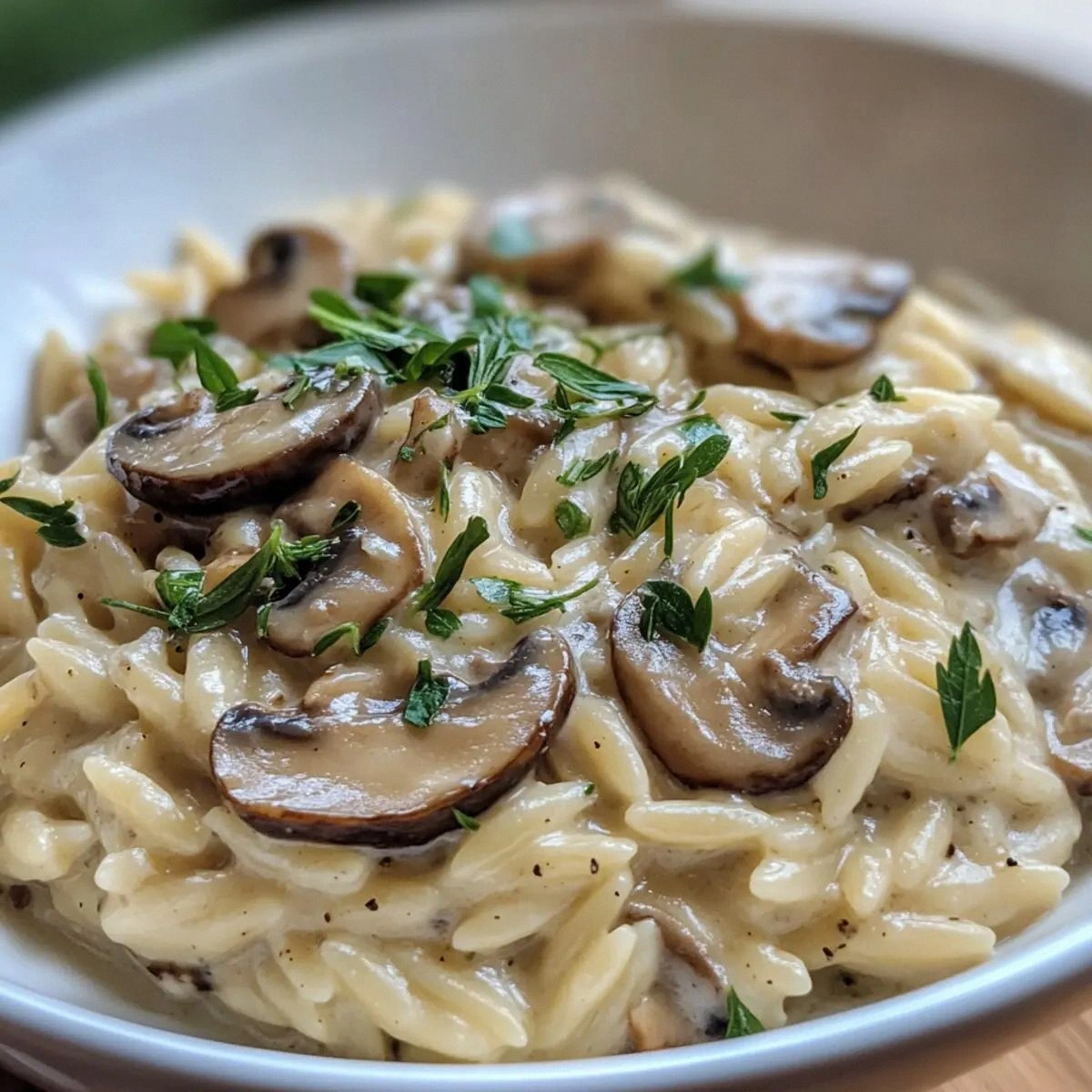
I grabbed the ingredients I had on hand—fresh mushrooms, a splash of cream, a handful of herbs—and decided to turn that culinary mishap into something unforgettable. The first bite was a revelation: the velvety sauce clung to each orzo grain like a silky coat, while the mushrooms added a deep, earthy umami that danced on the tongue. The dish felt like a warm hug, a comforting embrace that made the chaos of the night feel like a triumph. I was so convinced that I had stumbled upon the ultimate comfort dish that I had to share it with you.
Picture the scene: a pot bubbling with broth, the aroma of garlic and onions filling the kitchen, and the gentle sizzle of butter melting into a golden sauce. Every moment of cooking felt intentional—each stir, each sprinkle of herbs, each splash of cream was a deliberate move toward culinary perfection. The result? A creamy, herb‑infused orzo that not only satisfies the palate but also warms the heart. I dare you to taste this and not go back for seconds.
If you’ve ever struggled to get the right balance of creaminess and herbaceous brightness in a pasta dish, you’re not alone. Most recipes get this completely wrong, but I’ve cracked the code: the secret is in the layering of flavors and the careful timing of each addition. By the end of this post, you’ll wonder how you ever made it any other way. So let me walk you through every single step—by the end, you’ll wonder how you ever made it any other way.
What Makes This Version Stand Out
- Richness: The combination of heavy cream, butter, and Parmesan creates a sauce that coats the pasta like velvet, ensuring every bite is luxuriously creamy.
- Earthiness: Fresh cremini mushrooms bring a deep, umami flavor that grounds the dish, turning simple orzo into a hearty main course.
- Herbaceous Brightness: A splash of fresh thyme and parsley lifts the dish, providing a fragrant counterpoint to the richness.
- Texture: The orzo remains al dente, offering a pleasant bite that contrasts with the silky sauce.
- Time Efficiency: In under 45 minutes you can create a restaurant‑quality dish, making it perfect for busy weeknights.
- Versatility: Swap the broth for chicken or use a gluten‑free orzo, and the dish still shines.
- Make‑Ahead Potential: Prepare the sauce in advance and reheat with a splash of milk for a quick, comforting dinner.
- Crowd‑Pleaser: The familiar flavors of cream, cheese, and herbs make it a hit with both kids and adults.
Alright, let’s break down exactly what goes into this masterpiece…
Inside the Ingredient List
The Flavor Base
At the heart of this dish is a simple yet powerful combination of garlic, onion, and butter. The garlic infuses the oil with a subtle heat that awakens the senses, while the onion provides a sweet, caramelized foundation once it’s sautéed to a golden translucency. Butter adds richness and a silky mouthfeel, turning an ordinary sauté into a luscious base. Skipping this step would leave the dish feeling thin and lifeless; the butter’s fat content also helps carry the cream and cheese, creating a cohesive sauce.
The Texture Crew
Orzo is the star of the show, offering a pasta shape that’s perfect for soaking up sauce. Its small, rice‑like shape ensures that every grain is coated, delivering a burst of flavor with each bite. The mushrooms add a chewy, earthy texture that balances the cream’s smoothness. Together, they create a dish that feels both comforting and sophisticated.
The Unexpected Star
Heavy cream is the unexpected hero that transforms the dish into a decadent experience. Its high fat content thickens the sauce, giving it a silky sheen that glistens in the light. When combined with Parmesan, the cream forms a velvety matrix that holds the herbs and broth together. Without it, the dish would lack body and depth, turning into a simple broth‑pasta combo.
The Final Flourish
Fresh thyme and parsley add a bright, herbal note that cuts through the richness of the cream. Thyme’s slightly piney undertone complements the earthy mushrooms, while parsley provides a clean, peppery finish that lifts the overall flavor profile. The final sprinkle of black pepper gives a subtle heat that ties everything together. Skipping the herbs would make the dish feel flat and uninspired.
Everything’s prepped? Good. Let’s get into the real action…
The Method — Step by Step
- Heat a large, deep skillet over medium heat and pour in the tablespoon of olive oil. As the oil warms, add the sliced mushrooms, spreading them out in a single layer. Sauté for about 5 minutes, or until they begin to brown and release their moisture. This step is crucial; the mushrooms must develop a caramelized crust to deepen the dish’s flavor profile. Keep an eye on them—once they start to brown, the aroma will fill the kitchen.
- Add the finely minced garlic and diced onion to the pan. Stir frequently, letting the garlic bloom for about 30 seconds before the onion starts to soften. The garlic’s sharpness should mellow into a sweet, fragrant base. If you’re watching the clock, aim for a total of 3 minutes for this sauté. The goal is a translucent onion that’s just beginning to caramelize, not a browned one.
- Introduce the butter to the skillet, allowing it to melt and coat the vegetables. As the butter foams, it adds a glossy sheen to the mixture. Once the butter is fully incorporated, pour in the two cups of vegetable or chicken broth. Bring the liquid to a gentle simmer, letting the flavors mingle for a minute or two. This creates a flavorful base that will later be absorbed by the orzo.
- Add the uncooked orzo directly into the simmering broth. Stir immediately to prevent sticking, and reduce the heat to low. Cover the skillet and let the pasta cook for about 9 minutes, or until it’s al dente. The orzo will absorb most of the liquid, creating a creamy consistency. Keep the lid on to trap steam, which helps the pasta cook evenly. If the liquid evaporates too quickly, add a splash of water or broth to maintain the right consistency.
- Once the orzo is tender, pour in the cup of heavy cream and stir to combine. The cream will reduce slightly, thickening the sauce. At this point, add the grated Parmesan and stir until the cheese is fully melted. The sauce should be smooth and glossy, coating the pasta like velvet. If it seems too thick, add a tablespoon of broth or water to reach your desired consistency.
- Season the dish with one teaspoon of salt, half a teaspoon of black pepper, one tablespoon of fresh thyme, and one tablespoon of chopped parsley. Stir well, allowing the herbs to release their aromas. Taste the sauce, and adjust the seasoning if needed. A well‑seasoned sauce will bring all the components together into a harmonious whole. The herbs add freshness that balances the richness of the cream.
- Turn off the heat and let the dish rest for one minute. This short pause lets the flavors settle and the sauce thicken slightly. It also gives the orzo a chance to finish absorbing any remaining liquid, ensuring every grain is perfectly coated. Serve immediately, garnishing with a final sprinkle of parsley for a pop of color.
- Plate the orzo in warm bowls, spooning a generous amount of the silky sauce onto each portion. The dish should look glossy and inviting, with a hint of golden butter sheen. Pair it with a crisp green salad or a side of roasted vegetables for a balanced meal. Remember, this is the moment of truth—watch the steam rise as you serve.
- That’s it—you did it. But hold on, I’ve got a few more tricks that will take this to another level. In the next section, we’ll dive into insider tips that will ensure every bite is flawless.
Insider Tricks for Flawless Results
The Temperature Rule Nobody Follows
Many home cooks throw everything into a pan at once, but the secret to a silky sauce lies in the heat. Keep the skillet on low to medium-low once the orzo starts cooking. This gentle heat allows the pasta to absorb liquid slowly, preventing it from becoming mushy or overcooked. When you add the cream, keep the heat low enough that the sauce simmers rather than boils.
Why Your Nose Knows Best
Before you stir the final ingredients, pause and sniff the pot. The aroma should be a rich, buttery scent with hints of fresh herbs and earthy mushrooms. If it smells too flat, add a pinch more thyme or a splash of broth. Your nose is the ultimate judge of flavor balance, so trust it.
The 5-Minute Rest That Changes Everything
After cooking, let the dish sit for exactly five minutes. This brief rest allows the orzo to finish steaming, ensuring the sauce thickens to the perfect consistency. The rest also lets the flavors meld, creating a more cohesive taste experience. Skip this step, and you’ll end up with a dish that feels rushed and underdeveloped.
Use Fresh Herbs, Not Dried
Fresh thyme and parsley release their bright flavors more effectively than dried herbs. If you’re short on fresh herbs, use dried but reduce the quantity by half, as dried herbs are more potent. Fresh herbs also add a vibrant color that makes the dish more appetizing.
Add a Splash of Lemon Zest
A pinch of lemon zest added at the end brightens the sauce and cuts through the richness. It also provides a subtle citrus note that elevates the overall flavor profile. Be careful not to overdo it—just enough to hint at freshness.
Creative Twists and Variations
This recipe is a playground. Here are some of my favorite ways to switch things up:
Spinach and Sun‑Dried Tomato Orzo
Stir in a cup of fresh spinach during the last minute of cooking and add a handful of chopped sun‑dried tomatoes for a burst of sweet acidity. This variation adds a pop of color and a slightly tangy flavor that complements the cream.
Pesto‑Infused Cream
Swap the fresh herbs for a spoonful of basil pesto in the sauce. The pesto adds a nutty, aromatic depth while keeping the dish bright and herbaceous.
Lemon‑Garlic Shrimp Addition
Sauté shrimp with garlic and a squeeze of lemon before adding them to the finished dish. The shrimp’s pink flesh and citrusy flavor make the dish feel like a seafood pasta, perfect for special occasions.
Vegan Version
Replace the heavy cream with coconut milk, use nutritional yeast instead of Parmesan, and substitute butter for a splash of olive oil. The result is a creamy, dairy‑free dish that still delivers on comfort.
Smoked Salmon Twist
Fold in flaked smoked salmon after the sauce is finished. The smoky flavor pairs wonderfully with the earthy mushrooms, creating a dish that feels both luxurious and approachable.
Cheese‑Loaded Macaroni Swap
Use macaroni or penne instead of orzo for a different texture, and add a mix of mozzarella and cheddar for an extra melty, gooey experience. This version is a crowd‑pleaser for pizza lovers.
Storing and Bringing It Back to Life
Fridge Storage
Store leftovers in an airtight container in the refrigerator for up to 3 days. When reheating, add a splash of milk or broth to loosen the sauce and prevent it from drying out. Reheat gently over low heat, stirring frequently to avoid scorching.
Freezer Friendly
Freeze the dish in a freezer‑safe container for up to 2 months. Thaw overnight in the refrigerator, then reheat in a saucepan over low heat, adding a small amount of broth or milk to restore creaminess. Avoid microwaving, as it can cause the sauce to separate.
Best Reheating Method
The best way to bring this dish back to life is on the stovetop. Gently warm the sauce over low heat, stirring constantly, and add a teaspoon of water or broth to keep it silky. A quick splash of lemon juice at the end brightens the flavor and re‑energizes the dish.