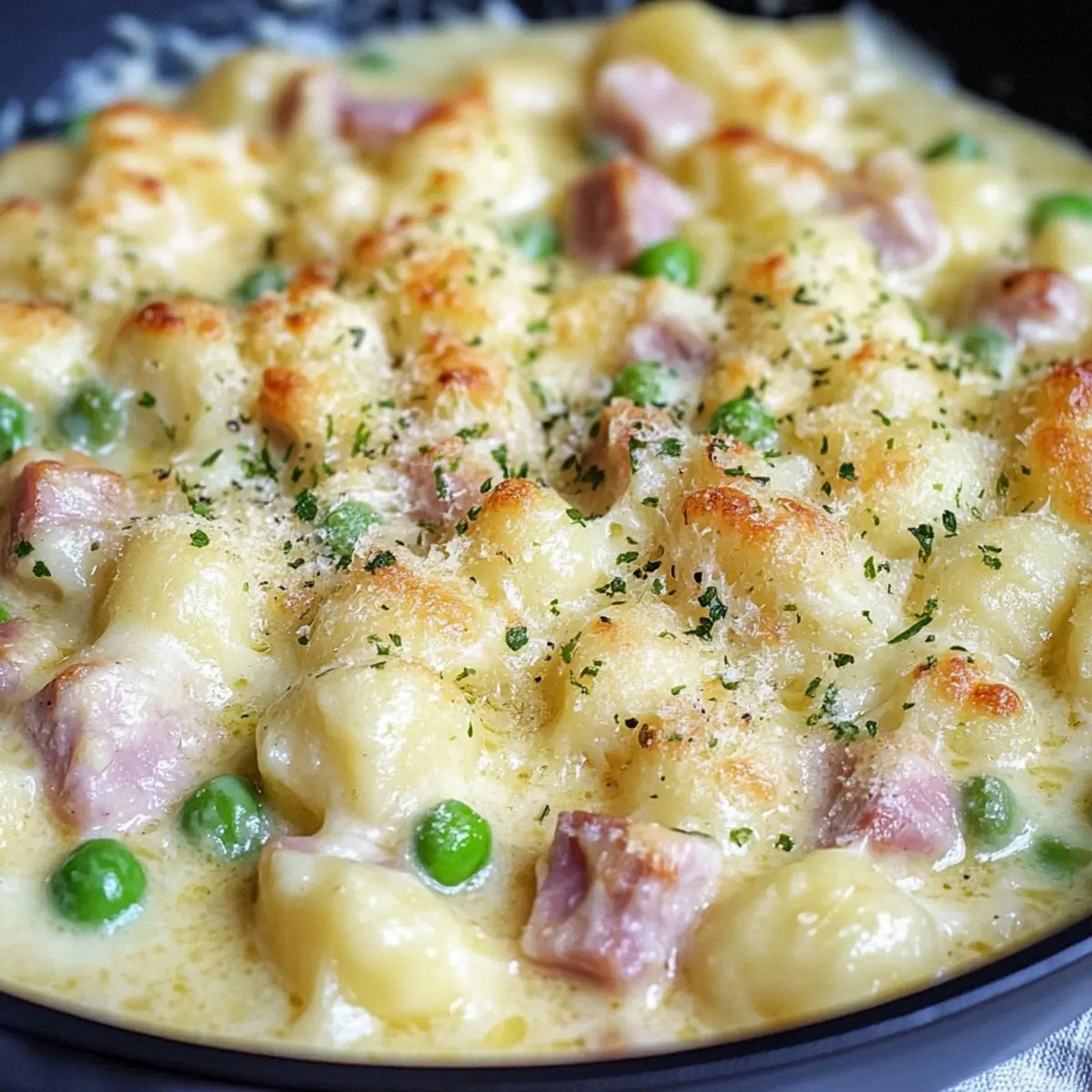
Picture this: it’s a rainy Tuesday night, you’ve just survived a marathon Zoom call, and the only thing keeping you sane is the promise of something warm, cheesy, and impossibly comforting. I was halfway through a half‑baked lasagna that tasted like cardboard when I dared a friend to a “comfort food showdown.” The stakes? Whoever delivered the most indulgent, no‑guilt‑allowed dinner would earn bragging rights for the rest of the week. I accepted, I failed spectacularly with the lasagna, and then I stumbled upon a lone packet of store‑bought gnocchi, a half‑cup of leftover ham, and a frozen bag of peas. That moment of culinary desperation birthed the most unforgettable version of creamy gnocdi you’ll ever taste.
The kitchen instantly transformed into a symphony of sounds: the gentle hiss of butter meeting a hot pan, the soft pop of peas as they hit the skillet, and the occasional clatter of a wooden spoon against the pot like a percussionist keeping tempo. The aroma? A heady blend of melted Gruyère, sweet peas, and rosemary that made the whole apartment feel like a five‑star Alpine chalet. My taste buds were already doing cartwheels, and my heart was doing a slow, satisfied thump—this was the kind of dinner that makes you forget the inbox screaming for attention.
What makes this version stand out is not just the ingredients, but the method that turns a simple weeknight into a culinary performance. Most recipes either drown the gnocchi in a watery sauce or over‑cook the peas until they’re mushy, but I discovered a trick that keeps every bite perfectly coated, velvety, and bursting with flavor. The secret? A quick flash‑sauté that sears the gnocchi just enough to create a whisper‑thin crust, then a slow, low‑heat melt that lets the cheese and stock mingle like old friends at a reunion.
And there’s a surprise cameo that you won’t see coming: a tablespoon of fresh rosemary, finely chopped, added at the very end. It’s the aromatic punch that lifts the dish from “comfort food” to “comfort masterpiece.” I dare you to taste this and not go back for seconds. Let me walk you through every single step — by the end, you’ll wonder how you ever made it any other way.
What Makes This Version Stand Out
- Flavor Explosion: The combination of creamy stock, rich Gruyère, and salty ham creates layers that unfold with each bite, like a well‑written novel.
- Texture Harmony: A lightly crisped exterior on the gnocchi meets a luxuriously silky interior, delivering a contrast that feels like silk and velvet at the same time.
- Simplicity Meets Sophistication: Only seven core ingredients, yet the dish feels like a restaurant‑level entrée without any culinary school degree.
- Unexpected Herb Finish: Fresh rosemary added at the end adds a piney brightness that cuts through the richness, preventing the palate from feeling overloaded.
- Crowd‑Pleaser Factor: Even the pickiest eaters (yes, the kids) love the cheesy pull and sweet pop of peas, making it a guaranteed hit at family tables.
- Ingredient Quality Matters: Using a good quality Gruyère and real diced ham elevates the dish from “good” to “hands down the best version you’ll ever make at home.”
- One‑Pan Efficiency: The entire recipe can be completed in a single skillet, saving time, dishes, and sanity on a busy weeknight.
- Make‑Ahead Potential: The sauce can be pre‑made and stored, allowing you to throw together a dinner in under ten minutes on the busiest days.
Alright, let's break down exactly what goes into this masterpiece...
Inside the Ingredient List
The Flavor Base
1 cup Cream: This is the backbone of the sauce, providing that luxurious mouthfeel that coats the gnocchi like velvet. If you substitute with half‑and‑half, you’ll lose the richness; if you go full‑fat milk, the sauce will feel watery. For a dairy‑free twist, try coconut cream, but expect a subtle coconut undertone.
1 cup Chicken Stock: The stock adds depth without overwhelming the delicate flavor of the gnocchi. Skipping it and using water will make the sauce taste flat, while a heavy broth can dominate the dish. Opt for low‑sodium stock so you can control the salt level later.
The Texture Crew
1 package Gnocchi: Store‑bought potato gnocchi works beautifully because it’s already pre‑cooked, allowing you to focus on achieving that perfect crust. If you’re feeling ambitious, make your own from scratch; the result will be even more tender, but the time commitment rises dramatically. Frozen gnocchi should be thawed just enough to separate the pieces, otherwise they’ll stick together.
1.5 cups Gruyère Cheese: Gruyère melts smoothly and adds a nutty, slightly sweet note that balances the saltiness of the ham. Using cheddar will give a sharper bite, while mozzarella will make it stringy but less flavorful. Grate it yourself for the best melt; pre‑shredded cheese often contains anti‑caking agents that can affect texture.
The Unexpected Star
1 cup Diced Ham: The ham introduces smoky, savory bites that punctuate each mouthful. Choose a good quality, preferably smoked ham for depth; a cheap luncheon meat will make the dish taste cheap. If you’re vegetarian, swap with smoked tempeh or roasted mushrooms for an umami kick.
1 tablespoon Chopped Rosemary: This herb is the secret weapon that lifts the dish from comforting to unforgettable. Fresh rosemary is essential; dried rosemary can become bitter if overcooked. Add it at the very end to preserve its aromatic oils.
The Final Flourish
1 cup Peas: Sweet peas add a pop of color and a burst of freshness that cuts through the richness. Fresh or frozen both work, but frozen peas should be tossed in directly from the bag to keep them bright. If you omit peas, the dish loses its signature sweet‑savory balance.
Everything's prepped? Good. Let's get into the real action...

The Method — Step by Step
Start by bringing a large pot of salted water to a rolling boil. While you wait, whisk together the cream and chicken stock in a medium bowl; this will be your sauce base. As soon as the water bubbles, add the gnocchi and cook for just 2 minutes—just long enough for them to float to the surface. Drain them well, reserving a splash of the cooking water for later. This first step is crucial because over‑cooking the gnocchi will make them mushy, ruining the texture we’re after.
Heat a generous tablespoon of butter in a large skillet over medium‑high heat. Once the butter foams and turns a light amber, add the drained gnocchi in a single layer. Let them sit untouched for about 90 seconds; you’ll hear a faint sizzle that signals the formation of a golden crust. Flip each piece and repeat on the other side until all sides are lightly browned. This is the moment of truth—the gnocchi should look like tiny, buttery pillows with a whisper‑thin crust.
Kitchen Hack: If the gnocchi start to stick, de‑glaze the pan with a splash of the reserved cooking water. This creates steam that loosens the pieces without sacrificing the crust.Reduce the heat to medium and pour the cream‑stock mixture over the browned gnocchi. Stir gently, allowing the liquid to envelop each piece. As the sauce begins to thicken, add the grated Gruyère cheese, sprinkling it evenly. Keep the mixture moving so the cheese melts into a smooth, glossy coating. You’ll notice the sauce turning a deep, buttery gold—this is the sign that the cheese is fully integrated.
Now toss in the diced ham and peas. The ham should sizzle lightly, releasing a smoky aroma that fills the kitchen. The peas will turn a vivid emerald, adding visual contrast and a sweet pop that balances the richness. Let everything simmer together for about 4 minutes, stirring occasionally, until the peas are tender but still have a bite.
Season the dish with a pinch of freshly ground black pepper and taste for salt. Remember, the ham and cheese already contribute saltiness, so you might need only a light adjustment. If the sauce seems a tad thick, add a splash of the reserved gnocchi cooking water to loosen it—this also helps the sauce cling to every nook and cranny.
Here’s where the magic truly happens: sprinkle the chopped rosemary over the top, then give the skillet a quick, gentle toss. The rosemary’s piney fragrance will rise instantly, turning the kitchen into a rustic Alpine chalet. Stay with me here — this is worth it.
Watch Out: Adding rosemary too early can cause it to burn, turning bitter. Add it at the very end of cooking to preserve its bright flavor.Turn off the heat and let the skillet sit for a minute. This resting period allows the sauce to thicken just enough to cling without becoming gloopy. During this time, the flavors meld, creating a harmonious blend that’s greater than the sum of its parts.
Serve the gnocchi straight from the pan onto warm plates. Garnish with an extra sprinkle of grated Gruyère and a few fresh rosemary leaves for visual flair. The steam rising from the plate should carry the scent of melted cheese and herb—pure, unadulterated comfort.
Picture yourself pulling this out of the skillet, the whole kitchen smelling incredible, the first bite melting on your tongue, and the lingering aftertaste of rosemary dancing in the background. If you’ve ever struggled with a soggy gnocchi or a bland sauce, you’re not alone — and I’ve got the fix. This next part? Pure magic.
That's it — you did it. But hold on, I've got a few more tricks that'll take this to another level...
Insider Tricks for Flawless Results
The Temperature Rule Nobody Follows
Never start the sauce on high heat. A gentle medium‑low flame gives the cheese time to melt without seizing, resulting in a silk‑smooth texture. If you crank the heat, the cheese will clump and the sauce will turn grainy, ruining the velvety finish. I once tried to speed things up, and the sauce turned into a rubbery mess—lesson learned.
Why Your Nose Knows Best
When the sauce starts to bubble gently and releases a buttery, nutty aroma, you’re at the perfect point to add the cheese. Trust that scent more than the clock; the nose is a seasoned sous‑chef. If you wait too long, the sauce will thin out, and the cheese will not bind properly.
The 5‑Minute Rest That Changes Everything
After you turn off the stove, let the dish rest uncovered for five minutes. This short pause lets the starches in the gnocchi absorb a bit of the sauce, making each bite more cohesive. Skipping this step leads to a sauce that slides off the gnocchi, leaving a sloppy plate.
Butter‑First, Then Oil
Starting with butter gives flavor, but it can burn quickly. Adding a splash of neutral oil (like grapeseed) after the butter melts raises the smoke point, ensuring the gnocchi get that perfect crust without any burnt notes. A friend tried butter alone and ended up with a bitter edge—don’t repeat that mistake.
Seasoning Layers, Not a One‑Shot
Season at three points: with the stock, after the cheese melts, and finally with a pinch of pepper right before serving. This layered approach builds depth and prevents the final dish from tasting flat. If you only season at the end, the salt won’t have time to dissolve fully, leaving uneven flavor bursts.
Creative Twists and Variations
This recipe is a playground. Here are some of my favorite ways to switch things up:
Smoky Bacon & Sun‑Dried Tomato
Swap the ham for crisped bacon bits and add chopped sun‑dried tomatoes. The bacon adds crunch and smoky depth, while the tomatoes introduce a sweet‑tart contrast that brightens the dish.
Spicy Chorizo & Red Pepper
Replace ham with sliced chorizo and toss in thin strips of roasted red pepper. The chorizo’s spice level wakes up the palate, making the dish perfect for cooler evenings.
Mushroom & Truffle Oil
For a vegetarian luxe version, use sautéed wild mushrooms and finish with a drizzle of truffle oil. The earthiness of mushrooms pairs beautifully with the creamy sauce, and the truffle oil adds an indulgent aroma.
Herb‑Infused Goat Cheese
Swap Gruyère for a crumbly goat cheese mixed with fresh thyme. The tangy goat cheese cuts through the richness, while thyme adds a subtle floral note.
Winter Squash & Sage
In colder months, add roasted butternut squash cubes and a pinch of sage. The sweet squash balances the salty ham, and sage brings a warm, aromatic finish.
Storing and Bringing It Back to Life
Fridge Storage
Transfer leftovers to an airtight container and refrigerate for up to 3 days. The sauce may thicken as it cools; reheat gently over low heat, adding a splash of milk or cream to loosen it.
Freezer Friendly
Portion the cooked gnocchi and sauce into freezer‑safe bags, removing as much air as possible. Freeze for up to 2 months. When ready, thaw overnight in the fridge, then reheat in a skillet with a tablespoon of butter and a dash of stock.
Best Reheating Method
For the ultimate texture, reheat in a skillet over medium heat, adding a tiny splash of water or stock to create steam. This revives the creamy coating without turning the gnocchi mushy, and the rosemary will pop again with fresh aroma.