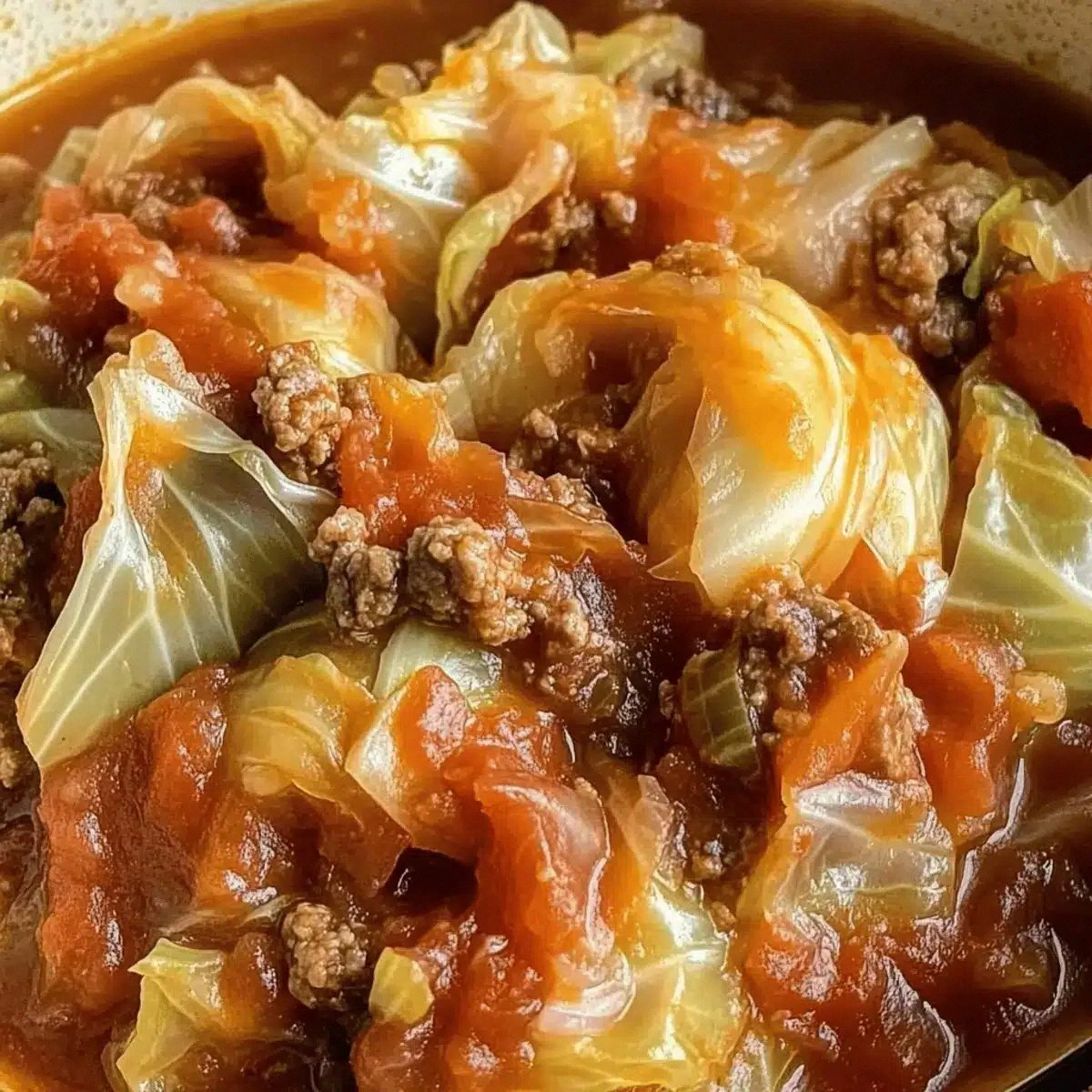
Picture this: a rainy Tuesday night, the kind where the sky looks like a charcoal sketch and you’re stuck between a half‑finished grocery list and a growling stomach that refuses to be ignored. I was frantically scrolling through recipe apps, hoping to find something that wouldn’t require a marathon in the kitchen, when a bold dare from my roommate hit me like a splash of cold water – “Make cabbage rolls without the hassle of stuffing them!” I laughed, I rolled my eyes, and then I thought, why not? That moment of reckless optimism turned into the birth of the ultimate unstuffed cabbage roll, a dish that feels like a warm hug from your grandmother but with the speed of a take‑out order.
The kitchen quickly transformed into a sensory playground. The cabbage leaves sizzled as they hit the hot pan, releasing a faint, earthy perfume that reminded me of a farmer’s market at dawn. The ground beef hit the skillet with a satisfying hiss, its juices bubbling like a miniature jacuzzi, while the onion and garlic dissolved into a fragrant cloud that made my mouth water before I even tasted a bite. The tomato sauce, bright as sunrise, swirled around the mixture, coating everything in a glossy, ruby‑red blanket that promised depth and comfort in every spoonful.
What sets this version apart from the sea of cabbage roll recipes out there? Most recipes treat cabbage like a stiff, stubborn wrapper that needs to be coaxed into shape, often resulting in uneven rolls and a soggy mess. I tossed that rulebook out the window and embraced the cabbage’s natural softness, letting it melt into the sauce and become part of the dish rather than a separate entity. The result is a one‑pan wonder that’s juicy, flavorful, and unbelievably easy – a true game‑changer for anyone who’s ever dreaded the time‑consuming assembly line of traditional rolls.
And here’s the kicker: I’m about to reveal a secret ingredient that most cooks overlook, a humble spice that turns the whole thing from good to legendary. Trust me, you’ll want to keep this in your culinary arsenal forever. I dare you to taste this and not go back for seconds. Let me walk you through every single step — by the end, you’ll wonder how you ever made it any other way.
What Makes This Version Stand Out
- Flavor Explosion: The combination of cumin, smoked paprika, and Italian seasoning creates a layered spice profile that dances on the palate, delivering warmth, smokiness, and herbaceous brightness all at once.
- Texture Harmony: The cabbage softens just enough to meld with the sauce, while the ground beef stays juicy, offering a satisfying bite that’s neither mushy nor chewy.
- Simplicity Redefined: No need to roll, stuff, or trim – just shred, simmer, and serve. This cuts prep time in half and eliminates the dreaded “roll‑the‑cabbage” anxiety.
- Ingredient Integrity: Using fresh, high‑quality cabbage and lean ground beef ensures the dish feels hearty without feeling heavy, keeping the calorie count friendly for weeknight meals.
- Crowd‑Pleaser Factor: Even the pickiest eaters love the familiar comfort of a tomato‑based meat sauce, and the subtle spice twist makes it feel special enough for guests.
- Make‑Ahead Magic: The flavors deepen after a night in the fridge, so you can prep on Sunday and enjoy a hot, ready‑to‑serve dinner any night of the week.
- Versatile Base: This recipe works as a main, a side, or even a hearty topping for baked potatoes or rice bowls, giving you endless serving possibilities.
- One‑Pan Efficiency: All the cooking happens in a single Dutch oven or deep skillet, meaning fewer dishes, less cleanup, and more time to binge your favorite show.
Alright, let's break down exactly what goes into this masterpiece…
Inside the Ingredient List
The Flavor Base
Ground Beef (1 pound): This is the heart of the dish, providing richness and protein that anchors the sauce. Choose an 80/20 blend for the perfect balance of lean meat and melt‑in‑your‑mouth fat. If you skip the beef, you’ll lose that savory depth, and the sauce can turn flat; a plant‑based mince works in a pinch but won’t replicate the same mouthfeel.
Onion (1 medium): The onion adds a sweet, aromatic foundation that softens as it cooks, creating a subtle caramelization that lifts the entire flavor profile. Opt for a yellow onion for the best balance of sweetness and bite. If you substitute with shallots, expect a milder, more delicate taste that still works beautifully.
Garlic (3 cloves): Garlic brings that unmistakable pungent kick that brightens the sauce. Mince it finely so it distributes evenly; whole cloves will give you pockets of intense flavor. Missing garlic? You’ll notice a flatness that no other spice can fill.
The Texture Crew
Cabbage (1 head): Fresh cabbage provides a gentle crunch that softens into a silky texture as it stews. Look for a firm head with tightly packed leaves – the fresher, the better. If you grab a wilted head, the leaves may disintegrate, turning the dish into a mushy stew rather than a cohesive casserole.
Tomato Sauce (2 cups): The sauce is the glue that binds everything together, offering acidity, sweetness, and body. Use a quality canned San Marzano sauce for a richer, less metallic taste. If you opt for a low‑sugar brand, you might need to add a pinch of sugar to balance the acidity.
The Unexpected Star
Cumin (1 tablespoon): This warm, earthy spice adds depth that you wouldn’t expect from a cabbage dish. Toast the cumin briefly in the pan before adding the meat to unlock its full aroma. Skipping it makes the flavor profile feel one‑dimensional, like a song missing its chorus.
Smoked Paprika (1 teaspoon): The smoky undertone mimics the flavor of a slow‑cooked, wood‑fire dish, elevating the humble casserole to something restaurant‑worthy. Use Spanish smoked paprika for authenticity; regular paprika won’t give you that signature smoky whisper.
The Final Flourish
Italian Seasoning (1 tablespoon): A blend of oregano, basil, and thyme, this herb mix adds a bright, aromatic finish that lifts the sauce. If you love fresh herbs, sprinkle a handful of chopped basil just before serving for an extra burst of freshness.
Salt & Pepper (to taste): These seasonings are the silent heroes that balance and amplify every other flavor. Taste as you go; a pinch too much salt can overwhelm, while too little leaves the dish bland. Remember, the sauce will reduce, concentrating the salt, so season conservatively at first.
Everything's prepped? Good. Let's get into the real action…
The Method — Step by Step
Start by heating a large Dutch oven or deep skillet over medium‑high heat. Add a splash of olive oil, just enough to coat the bottom, and let it shimmer. When the oil is hot, toss in the ground beef, breaking it up with a wooden spoon. Let it brown until the edges turn a deep caramel color, and you’ll hear that glorious sizzle that signals flavor building.
Once the beef is nicely browned, add the diced onion and minced garlic. Stir them in and let the mixture cook for about 3‑4 minutes, until the onion becomes translucent and the garlic releases its aromatic perfume. This is the moment where the kitchen starts smelling like a cozy bistro on a rainy night.
Now sprinkle in the cumin, smoked paprika, and Italian seasoning. Watch out: Toast the spices for just 30 seconds – too long and they’ll turn bitter, too short and they won’t unleash their full flavor potential. As the spices awaken, you’ll notice the mixture taking on a richer, deeper hue, like a sunset captured in a pan.
Next, carefully shred the cabbage. Stack a few leaves, roll them tightly, and slice them thinly with a sharp knife or a mandoline. The goal is thin, uniform strips that will soften quickly. Add the shredded cabbage directly into the pot, letting it mingle with the meat and spices.
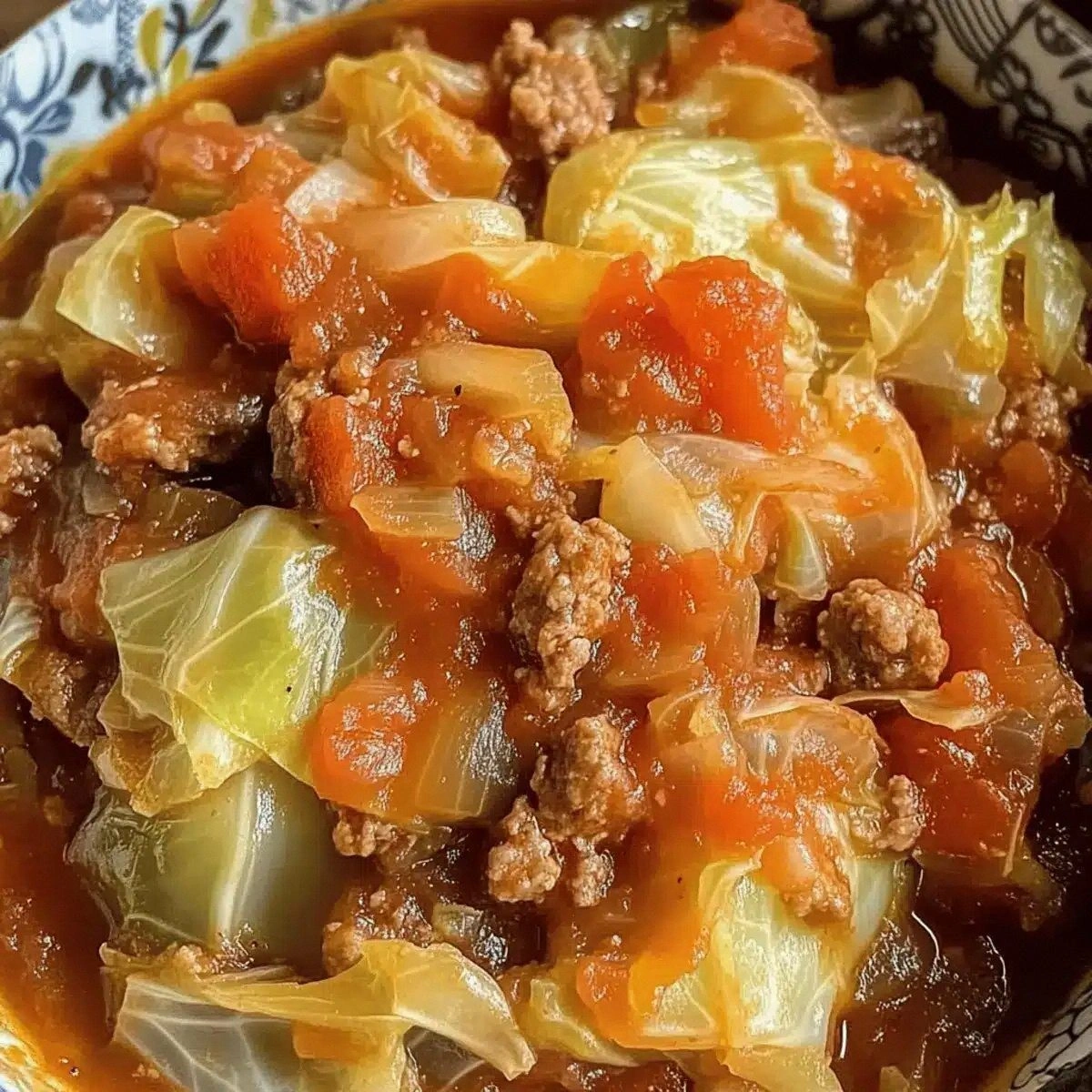
Pour in the tomato sauce, stirring everything together until the cabbage is just covered. Bring the mixture to a gentle boil, then reduce the heat to a low simmer. Cover the pot with a lid, letting it cook for 20‑25 minutes. You’ll see the cabbage wilt and the sauce thicken, creating a cohesive, velvety base.
Halfway through the simmer, taste and season with salt and pepper. Remember, the sauce will reduce, concentrating the salt, so start light. This is the perfect time to add a pinch of sugar if the tomatoes are too acidic – a tiny balance that makes the flavors sing.
When the cabbage is perfectly soft and the sauce has thickened to a luscious, clingy consistency, turn off the heat. Let the dish rest, covered, for five minutes – this allows the flavors to meld and the steam to finish cooking any remaining tough bits.
Serve the unstuffed cabbage rolls hot, spooning generous amounts onto plates. Garnish with a drizzle of olive oil, a sprinkle of fresh parsley, or a dollop of sour cream if you’re feeling indulgent. Picture yourself pulling this out of the oven, the whole kitchen smelling incredible… and then digging in.
That's it — you did it. But hold on, I've got a few more tricks that'll take this to another level…
Insider Tricks for Flawless Results
The Temperature Rule Nobody Follows
Keep your heat medium‑low once the sauce starts simmering. High heat will evaporate the liquid too quickly, leaving the cabbage undercooked and the beef dry. A gentle bubble is all you need; think of it as a slow dance rather than a frantic sprint. I once cranked the heat to high in a hurry, and the result was a scorched bottom that tasted like burnt rubber. Lesson learned: patience is the secret sauce.
Why Your Nose Knows Best
Trust the aroma. When the spices hit their peak, the kitchen will fill with a warm, earthy scent that tells you the flavor base is ready. If you’re unsure, take a quick sniff – if it smells like a spice rack in a sunny market, you’re golden. I’ve seen cooks rely solely on timers, and they end up with bland dishes; your nose is a far more reliable timer.
The 5‑Minute Rest That Changes Everything
After cooking, let the dish sit covered for exactly five minutes. This short rest allows the cabbage fibers to relax and the sauce to thicken just enough to cling to every bite. Skipping this step is like serving a song before the final chord – it feels unfinished. I swear the difference is night‑and‑day; the rest period turns a good dish into a great one.
Layering Fresh Herbs at the End
Finish with a handful of freshly chopped parsley or basil right before serving. The fresh herb adds a burst of color and a bright, peppery note that cuts through the richness. If you add herbs too early, they wilt and lose their punch. This tiny garnish makes the plate look restaurant‑ready and adds that final pop of flavor.
Freezing Without Losing Texture
When you freeze leftovers, separate the sauce from the cabbage in airtight containers. This prevents the cabbage from becoming mushy when reheated. Reheat the sauce gently on the stove, then stir the cabbage back in at the end. I’ve tried freezing everything together and ended up with a soggy mess – this method preserves that perfect bite.
Creative Twists and Variations
This recipe is a playground. Here are some of my favorite ways to switch things up:
Spicy Sriracha Kick
Swap half of the tomato sauce for a blend of sriracha and tomato puree. The heat pairs beautifully with the smoky paprika, turning the dish into a bold, tongue‑tingling experience. Perfect for those who love a little fire in their comfort food.
Cheesy Baked Finish
After simmering, sprinkle a generous layer of shredded mozzarella or sharp cheddar over the top and place the pot under a broiler for 3‑4 minutes until bubbly and golden. The cheese adds a creamy, indulgent crust that makes the dish feel like a casserole.
Vegetarian Swap
Replace the ground beef with a plant‑based mince or finely chopped mushrooms sautéed with a splash of soy sauce. The mushrooms provide umami depth, while the rest of the spices keep the flavor profile familiar. Great for meat‑free nights without sacrificing heartiness.
Asian‑Inspired Twist
Swap the Italian seasoning for a mixture of ginger, soy sauce, and a dash of sesame oil. Add a handful of sliced carrots and snap peas for crunch. This version transforms the dish into a savory, umami‑rich bowl that pairs well with steamed rice.
Herb‑Infused Delight
Stir in a tablespoon of chopped fresh dill and a squeeze of lemon juice just before serving. The dill adds a fresh, slightly sweet note, while the lemon brightens the entire dish, making it feel lighter and more summery.
Smoky Bacon Boost
Render 4 slices of bacon until crispy, crumble them, and stir into the sauce at the end. The smoky, salty crunch elevates the dish to a new level of decadence, perfect for a weekend treat.
Storing and Bringing It Back to Life
Fridge Storage
Transfer leftovers to an airtight container and store in the refrigerator for up to 4 days. The flavors continue to meld, making each reheated serving taste even richer. When reheating, add a splash of water or broth to revive the sauce’s glossy texture.
Freezer Friendly
Cool the dish completely before dividing it into freezer‑safe bags or containers. Label with the date and freeze for up to 3 months. For best results, separate the sauce from the cabbage and recombine after thawing; this prevents the cabbage from turning mushy.
Best Reheating Method
Reheat gently on the stovetop over low heat, stirring occasionally. Add a tiny splash of water – just enough to create steam – and cover the pot for 5 minutes; this steams the cabbage back to its perfect tenderness while keeping the sauce silky. Avoid microwave‑only reheating; it can cause uneven heating and a rubbery texture.