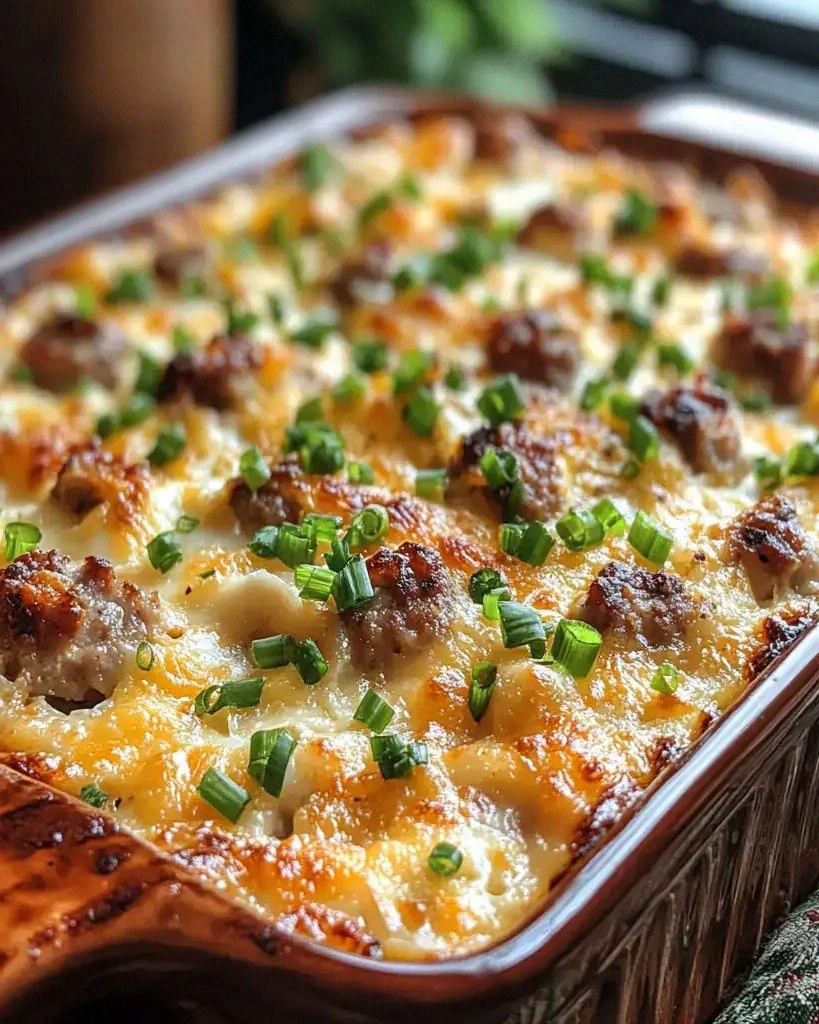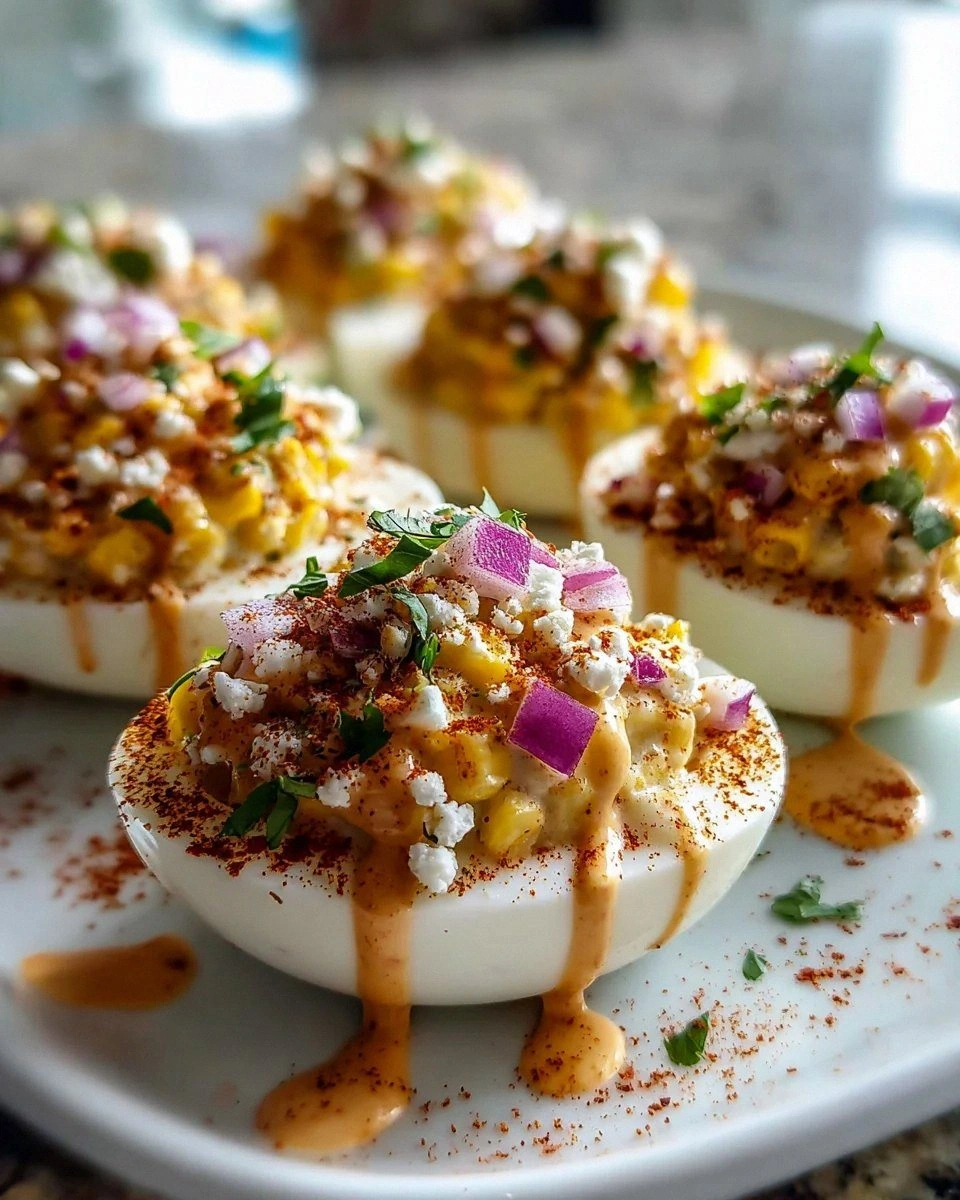
I'm going to be brutally honest with you: I used to think cottage cheese was the sad wallflower of the dairy aisle, sitting there in its sad little tub, destined for diet plates and grandma's jello salads. Then one Tuesday morning, running late and hungrier than a bear after hibernation, I threw some into a blender with eggs because the milk carton was empty. What emerged from the oven twenty-five minutes later was nothing short of breakfast sorcery — puffy, golden domes that tasted like the love child of a cloud and a cheese soufflé. My roommate wandered in, took one bite, and promptly declared we were canceling our weekend brunch plans because nothing out there could top what we'd just pulled off in our shoebox kitchen.
Picture this: the sun's just beginning to paint your kitchen in that buttery morning glow, your coffee's gurgling away, and these little miracle bites are puffing up like they're auditioning for a bakery window. The smell? Imagine if fresh bread and warm cheese had a beautiful baby. The texture? Think custardy centers with edges that shatter like thin ice, giving way to a creamy, protein-packed interior that makes you question everything you thought you knew about healthy eating. I dare you to taste one and not immediately go back for seconds — heck, I ate half the batch before my partner even knew they existed, and I'm not sorry about it.
Here's the kicker: most egg bite recipes get it completely wrong. They either turn out rubbery little hockey pucks or they collapse the second you breathe on them wrong. But this version? This is the Beyoncé of breakfast prep — flawless every single time, ready to make your mornings infinitely better. The secret isn't some fancy technique or impossible-to-find ingredient. It's cottage cheese doing the heavy lifting, creating a texture so luxurious you'll wonder why anyone ever bothers with Starbucks' sad, overpriced version. Stay with me here — this is worth it.
Let me walk you through every single step — by the end, you'll wonder how you ever made it any other way. We're talking about a recipe that takes fifteen minutes of actual work, costs less than a fancy coffee, and delivers a week's worth of grab-and-go breakfasts that actually make you excited to get out of bed. Okay, ready for the game-changer?
What Makes This Version Stand Out
Silky Texture: The cottage cheese doesn't just add protein — it creates these microscopic air pockets that make each bite feel like you're eating a savory cloud. Regular egg bites turn dense and rubbery, but these stay impossibly light even after reheating. It's like the difference between sleeping on a luxury hotel pillow versus a lumpy couch cushion.
Meal-Prep Magic: These babies freeze like champions and reheat like they were just made. Most egg-based breakfast prep turns into sad, watery messes after a day in the fridge, but these maintain their structure and flavor for a full week. I make a double batch every Sunday and basically become the breakfast hero of my own life every morning at 6 AM.
Protein Powerhouse: We're talking twenty grams of protein per serving without any chalky protein powder nonsense. The cottage cheese and eggs team up to keep you full until lunch, which means no more embarrassing stomach growls during that 10 AM meeting. My fitness-nut cousin swears these helped her break through a six-month plateau.
Zero Skill Required: If you can press buttons on a blender and set an oven timer, you can nail this recipe. No folding, no whipping peaks, no praying to the baking gods. I've taught this to my ten-year-old nephew and my neighbor who burns water — both crushed it on the first try.
Flavor Chameleon: The base recipe is deliciously simple, but it plays well with whatever's lurking in your fridge. Add herbs, cheese, vegetables, leftover bacon — it all works. Last week I threw in some everything bagel seasoning and created a breakfast that made my New York-born husband weep with joy.
Budget-Friendly Brilliance: For the cost of one sad Starbucks egg bite, you can make an entire dozen of these beauties. The ingredients are humble grocery store staples, not some $12 artisanal cheese you'll use once and forget in your fridge drawer. Your wallet will thank you almost as much as your taste buds.
Crowd-Pleasing Guarantee: I've served these to picky toddlers, health-obsessed millennials, and my 85-year-old grandmother who thinks anything "healthy" tastes like cardboard. Every single one asked for the recipe. They're like the Switzerland of breakfast foods — universally loved, never controversial.
Alright, let's break down exactly what goes into this masterpiece...
Inside the Ingredient List
The Foundation Squad
Eggs are obviously the headliners here, but not all eggs are created equal. Fresh, room-temperature eggs blend more smoothly and create a more uniform texture. The proteins in older eggs start breaking down, which can lead to slightly grainy bites. If you've ever wondered why some egg bites feel like you're chewing on wet sand, old eggs are usually the culprit. I buy mine mid-week and leave them on the counter for thirty minutes before cooking — it's a tiny step that makes a massive difference.
Cottage cheese is the secret weapon that transforms ordinary egg bites into something that feels like it came from a fancy café. Don't you dare reach for that fat-free stuff — we need the richness of full-fat cottage cheese to create the luxurious texture that makes these addictive. The curds blend into the eggs, leaving behind tiny pockets of cheese that melt during baking. It's like having a thousand little cheese bombs scattered throughout each bite. If you absolutely must use low-fat, add a tablespoon of cream cheese to compensate, but know that you're compromising on greatness.
Heavy cream might seem like overkill when you're already using full-fat cottage cheese, but this is what separates the adults from the children in the egg bite game. Just two tablespoons make the difference between good and restaurant-quality. The cream coats the proteins, preventing them from seizing up and turning rubbery. Skip it and you'll get edible results, sure — but add it and you'll understand why people pay six dollars for two tiny egg bites at coffee shops.
The Flavor Enhancers
Sharp cheddar brings the funk in the best possible way. Aged cheddar has crystals that provide little bursts of umami, transforming these from simple egg bites into something that tastes like it took way more effort. Pre-shredded cheese works in a pinch, but the anti-caking agents can make your bites slightly gritty. Buy a block and grate it yourself — your future self will taste the difference and thank you. I like to use white cheddar for aesthetic reasons, but orange works just as well for flavor.
Fresh chives aren't just green confetti — they bring an oniony brightness that cuts through the richness like a skilled surgeon. Dried chives are a sad imitation, tasting like dusty grass clippings. If you can't find fresh chives, green onion tops work beautifully. Chop them just before adding to preserve their volatile oils, which contain most of the flavor compounds. These little green flecks also serve as visual cues that you've made something special, not just scrambled eggs in muffin form.
Garlic powder might seem basic, but it provides a depth that fresh garlic can't achieve here. Fresh garlic can turn bitter during the baking process, while powder distributes evenly and mellows beautifully. Don't substitute garlic salt — the additional sodium will make your bites taste like a salt lick. A quarter teaspoon is plenty; we're going for whispered garlic essence, not vampire-repelling potency.
The Unexpected Game-Changers
Cornstarch is my insurance policy against rubbery egg bites. Just a teaspoon stabilizes the proteins, allowing them to set gently instead of seizing up like an old engine. This is especially crucial if you're planning to reheat these later — the cornstarch prevents that weird spongy texture that plagues most meal-prepped eggs. It's the difference between leftovers that taste fresh and leftovers that taste like punishment.
Hot sauce isn't about heat — it's about awakening all the other flavors. A few drops of something vinegary like Crystal or Tabasco brightens everything without making the bites spicy. The acid balances the richness and makes the cheese taste cheesier, the eggs taste eggier, everything just tastes more like itself. Leave it out and your bites will taste flat, like they've been muted. If you're cooking for heat-sensitive people, use just a drop or two — enough to activate the flavors without setting anyone's mouth on fire.
The Final Flourishes
Everything bagel seasoning on top isn't just trendy — it provides textural contrast and that addictive onion-garlic-sesame combination that makes everything better. Apply it just before baking so the seeds toast rather than burn. The topping creates little flavor bombs that make each bite slightly different, keeping your palate interested. If everything seasoning isn't your thing, try smoked paprika for color and subtle smokiness, or just a sprinkle of flaky salt for pure simplicity.
Butter for greasing the pan is non-negotiable. Cooking spray might seem easier, but butter creates a delicate crust on the edges that makes these taste like they're fresh from a French bakery. Use softened butter and really work it into every nook of your muffin tin — these babies will release like a dream and pick up a whisper of nutty flavor. This is one of those tiny details that separates good cooks from great ones.
Everything's prepped? Good. Let's get into the real action...
The Method — Step by Step
- Preheat your oven to 325°F (not 350°F — we're going low and slow here for custardy perfection). Place your oven rack in the lower-middle position; this prevents the tops from browning too quickly while the centers finish setting. If you've got a convection oven, reduce the temperature to 300°F because convection heat is more aggressive. This lower temperature is the difference between fluffy clouds and rubbery frisbees. While the oven heats, grab your blender and get ready for some kitchen magic.
- Grease your muffin tin like your life depends on it — because the quality of your morning does. Use softened butter and a pastry brush or paper towel to coat every millimeter of twelve muffin cups. Don't use cooking spray here; it creates a weird film that makes the edges tough. The butter should be visible but not pooling — think light makeup, not cake frosting. This step takes two minutes but prevents the heartbreak of egg bites that tear apart when you try to remove them.
- Into your blender, crack six large eggs straight from the carton. Add one cup of full-fat cottage cheese — don't drain it, the liquid helps with texture. Pour in two tablespoons of heavy cream, one teaspoon of cornstarch, a quarter teaspoon of garlic powder, half a teaspoon of salt, and a few grinds of black pepper. Add three drops of hot sauce — trust me on this. Blend on high for thirty seconds until completely smooth; you shouldn't see any cottage cheese curds. This is the moment of truth where everything becomes one cohesive batter.
- Pause the blender and add three-quarters cup of freshly shredded sharp cheddar. Pulse three times — just enough to distribute the cheese without pulverizing it. You want little nuggets of cheese that will create melty pockets throughout the bites. Over-blending here means no cheese surprises, and those little cheese bombs are what make people close their eyes when they take a bite. The batter should look like liquid gold with orange flecks.
- Chop two tablespoons of fresh chives until they're the size of confetti. Add them to the blender and pulse once — just once — to distribute. Over-mixing chives makes them bleed green into your batter, turning it an unfortunate swamp color. We want little emerald jewels scattered throughout, not green soup. If you're using green onions instead, slice them thin and add now.
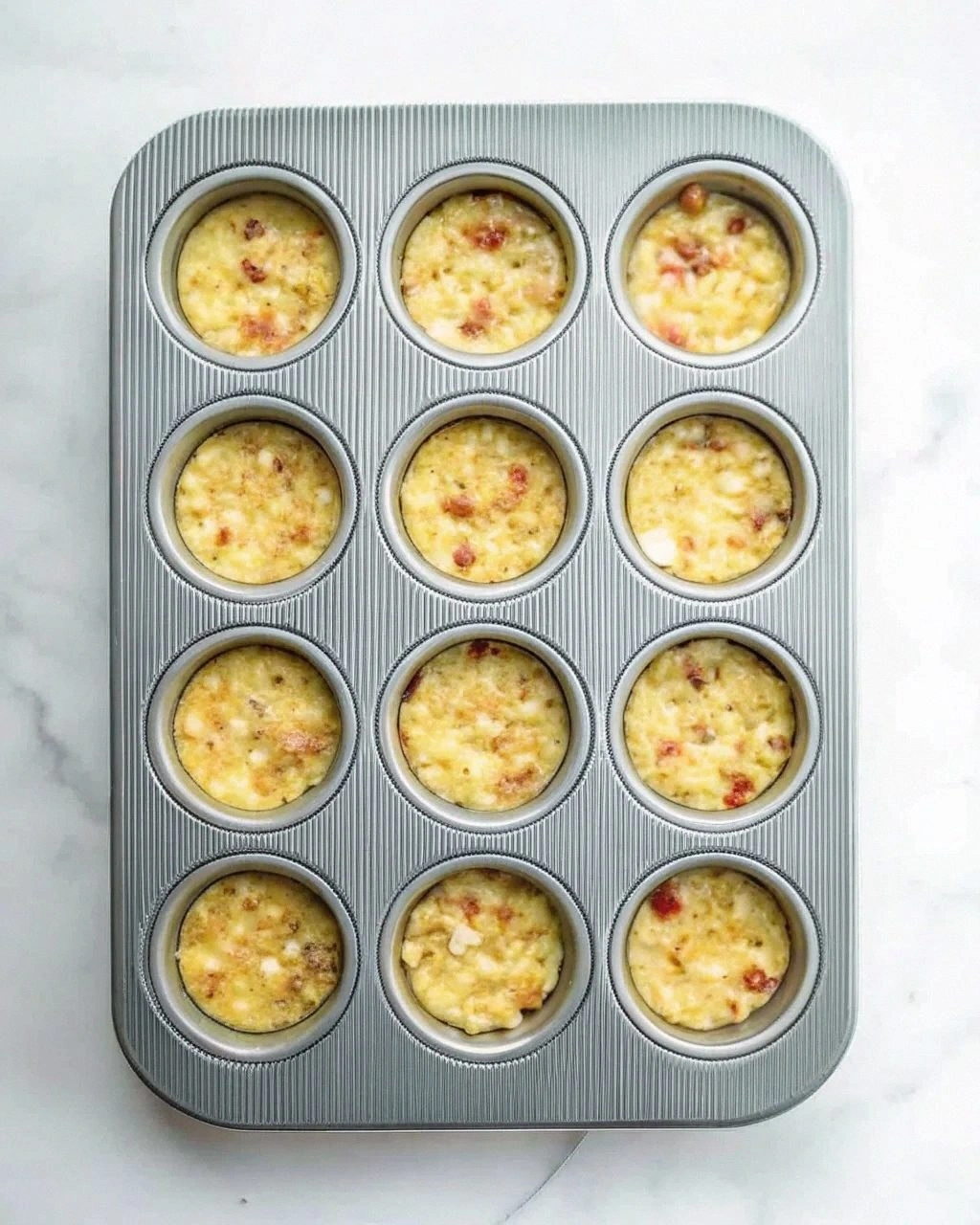
- Place your greased muffin tin on a baking sheet — this makes it easier to move and catches any potential overflow. Pour the batter into each muffin cup, filling them three-quarters full. The batter should settle into a smooth surface; tap the tin gently on the counter to release any large air bubbles. You should get exactly twelve standard muffin cups filled, maybe with a tiny bit left over for a mini tasting.
- Top each bite with a pinch of everything bagel seasoning — about an eighth teaspoon each. Don't go overboard; the seasoning should accent, not overwhelm. If you're using an alternative topping like smoked paprika, dust it lightly across the surface. The heat from the oven will toast these toppings, intensifying their flavor and creating little crunchy bits that make each bite interesting.
- Slide the baking sheet into the oven and set a timer for twenty-five minutes. Walk away and let the magic happen — this is not the time to hover. The bites will puff up dramatically, looking like they're trying to escape the muffin tin. That's exactly what you want. They're done when the centers jiggle slightly like set gelatin, and the edges are golden brown and pulling away from the sides.
- Remove from the oven and let them rest in the tin for five minutes. They'll deflate slightly — this is normal and actually concentrates the flavor. Run a butter knife around the edges to loosen, then pop them out. If you greased properly, they should release with minimal effort. The bottoms should be golden with delicate brown edges that taste like the best parts of a grilled cheese sandwich.
- Transfer to a wire rack to cool completely if you're meal-prepping, or serve immediately for that just-baked experience. The texture is best when they're warm but not piping hot — the flavors bloom as they cool slightly. If you can resist eating them all, let them cool completely before storing. But between you and me, I've never made it past three without "quality testing."
That's it — you did it. But hold on, I've got a few more tricks that'll take this to another level...
Insider Tricks for Flawless Results
The Temperature Rule Nobody Follows
Room temperature ingredients aren't just chef nonsense — they're the secret to avoiding lumpy, separated batter. Cold eggs hitting hot fat create little scrambled egg pockets, while cold cottage cheese refuses to blend smoothly. Take everything out of the fridge thirty minutes before cooking, or speed it up by placing eggs in warm (not hot) water for ten minutes. Your blender will thank you, your texture will improve dramatically, and you'll understand why restaurant food always seems more cohesive than home cooking. A friend tried skipping this step once — let's just say her bites looked like they had cottage cheese acne.
Why Your Nose Knows Best
Don't trust the timer blindly — your nose is the most reliable doneness indicator. When these are perfectly baked, your kitchen will smell like buttery, cheesy heaven with hints of onion and toasted sesame. If you smell something eggy or sulfurous, they're overbaked and heading toward rubber territory. This usually happens around the twenty-two minute mark, so start paying attention then. I've saved more batches by trusting my nose than any timer ever could. It's like having a tiny chef living in your sinuses.
The 5-Minute Rest That Changes Everything
Patience isn't just a virtue — it's the difference between egg bites that hold their shape and ones that collapse into sad little puddles. Those five minutes in the tin allow the proteins to finish setting gently, preventing the dreaded deflation when you remove them. During this time, the residual heat continues cooking the centers while the edges firm up. Rush this step and you'll have wrinkly, shrunken bites that look like they've been through a dehydrator. Good things come to those who wait, especially when it comes to egg proteins.
The Blender Lid Trick
Here's something they don't teach in cooking school: start your blender on low and gradually increase to high. Starting on high creates a vortex that incorporates too much air, leading to egg bites with giant holes and uneven texture. Think of it like easing into a hot bath versus cannonballing — same destination, wildly different experience. The gradual increase lets everything emulsify smoothly, creating that velvety texture that makes people ask if you went to culinary school. I learned this after producing enough foam to top a hundred lattes.
The Storage Revelation
Never store these while they're even slightly warm — condensation is the enemy of texture. Let them cool completely on a wire rack, then store in an airtight container with paper towels between layers. The paper towels absorb any residual moisture, preventing that weird slimy film that develops on stored egg products. They'll keep for five days in the fridge or two months in the freezer, maintaining about 90% of their fresh glory. Reheat with a tiny splash of water in a covered container — it steams them back to almost-fresh perfection.
Creative Twists and Variations
This recipe is a playground. Here are some of my favorite ways to switch things up:
The Mediterranean Marvel
Swap the cheddar for feta, add a teaspoon of dried oregano and some sun-dried tomatoes to the batter. Top with everything seasoning as usual — the briny feta against the sweet tomatoes creates this incredible flavor contrast that makes you feel like you're eating breakfast on a Greek island. I like to add some chopped spinach for color and nutrition. These taste like spanakopita decided to become breakfast food, and honestly, it's a beautiful thing.
The Everything Bagel
Double the everything bagel seasoning — mix half into the batter and save half for topping. Add some diced smoked salmon to the center of each bite before baking, creating little salmon surprises. The seasoning in the batter distributes those iconic flavors throughout, while the topping provides that signature crunch. Serve with a schmear of cream cheese on the side for the full bagel experience without the carb coma.
The Green Goddess
Replace chives with an equal amount of fresh dill, add some lemon zest to the batter, and use goat cheese instead of cheddar. The result is bright, herbaceous, and tastes like springtime regardless of the season. These pair beautifully with smoked salmon or just a cup of strong coffee. My vegetarian friends swear these make them forget about bacon entirely — high praise indeed.
The Southwest Fiesta
Add a tablespoon of canned chipotle peppers in adobo sauce to the blender, use pepper jack cheese, and mix in some corn kernels. Top with a sprinkle of cotija cheese instead of everything seasoning. These have a gentle heat that builds slowly and makes your tongue tingle in the best way. They're incredible wrapped in a warm tortilla with some avocado for a breakfast taco situation that'll make you cancel brunch plans.
The French Onion
Caramelize onions until they're deep brown and jammy, then fold them into the batter with gruyere cheese instead of cheddar. Top with a tiny bit of crispy fried onions for crunch. These taste like French onion soup decided to become portable breakfast food, and it's every bit as luxurious as it sounds. They're especially good reheated — the flavors meld and deepen overnight like a good stew.
The Breakfast Pizza
Add a tablespoon of tomato paste and some dried Italian herbs to the batter, use mozzarella and parmesan, and top each bite with a tiny piece of pepperoni. The tomato paste provides that pizza sauce flavor without adding moisture that would make the bites watery. These are dangerously addictive — I once watched my teenage cousin eat eight in a row without coming up for air.
Storing and Bringing It Back to Life
Fridge Storage
Completely cooled bites go into an airtight container with paper towels between layers — think of it as egg bite lasagna with paper towel noodles. They'll keep for five days in the coldest part of your fridge, not the door where temperatures fluctuate. The paper towels are crucial; they absorb moisture that would otherwise create that weird slimy coating. Store different flavors separately unless you want everything to taste like the strongest seasoning you used. I've made that mistake and ended up with Mediterranean-flavored everything for a week.
Freezer Friendly
Freeze them on a baking sheet first, then transfer to freezer bags — this prevents them from freezing into one giant egg block. They'll keep for two months without significant quality loss, though I doubt they'll last that long. Wrap each bite individually in plastic wrap before bagging if you're really serious about preventing freezer burn. Label with the date and flavor because frozen egg bites all look the same, and mystery breakfast isn't as fun as it sounds. Thaw overnight in the fridge or use the defrost setting on your microwave for thirty seconds before reheating.
Best Reheating Method
Microwave with a tablespoon of water in a covered container for thirty to forty-five seconds — the water creates steam that brings them back to life. Don't overdo it; they're already cooked and just need warming. The oven works too: 325°F for eight to ten minutes wrapped in foil with a tiny splash of water. Avoid the temptation to reheat in a toaster oven without covering — they dry out faster than a politician's promise. Add a fresh sprinkle of cheese on top before reheating for that just-baked experience that makes people think you woke up early to make breakfast.