I was standing in my kitchen, surrounded by the smell of burnt toast and a half‑finished batch of store‑bought churros that had gone rogue on the stovetop. My roommate had dared me to make something “fancy yet simple,” and I was half‑thinking of ordering pizza when a sudden craving for something sweet, crispy, and absolutely indulgent hit me like a sugar‑coated thunderbolt. The kitchen was a battlefield of flour clouds, a rogue whisk, and a timer that seemed to mock me, but in the chaos I discovered the perfect marriage of two beloved pastries: the airy, buttery puff pastry and the cinnamon‑sugar soul of a churro. That moment of glorious disaster turned into a revelation – I could fold the classic churro flavor into a cruffin shape, fry it, and end up with a bite that feels like a carnival in your mouth.
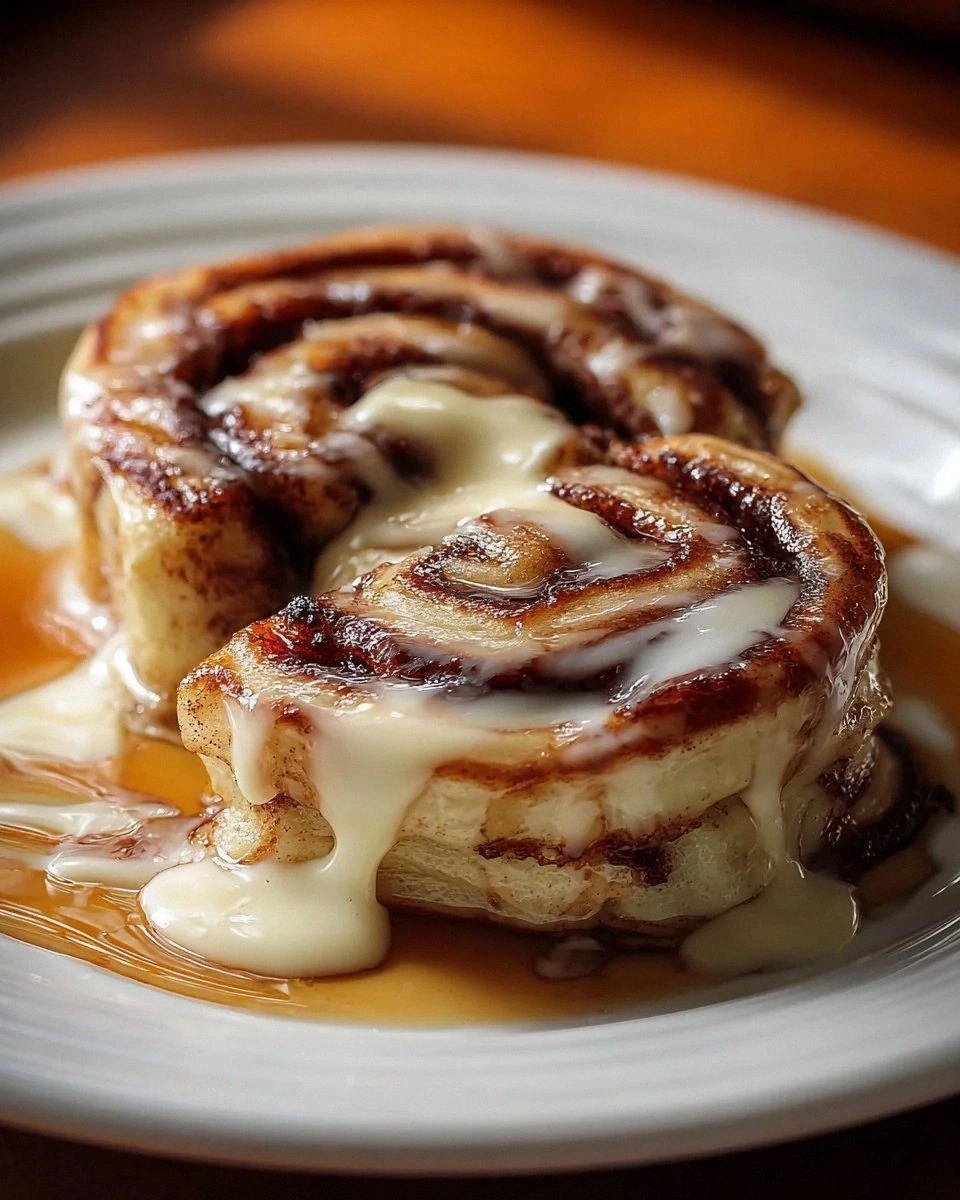
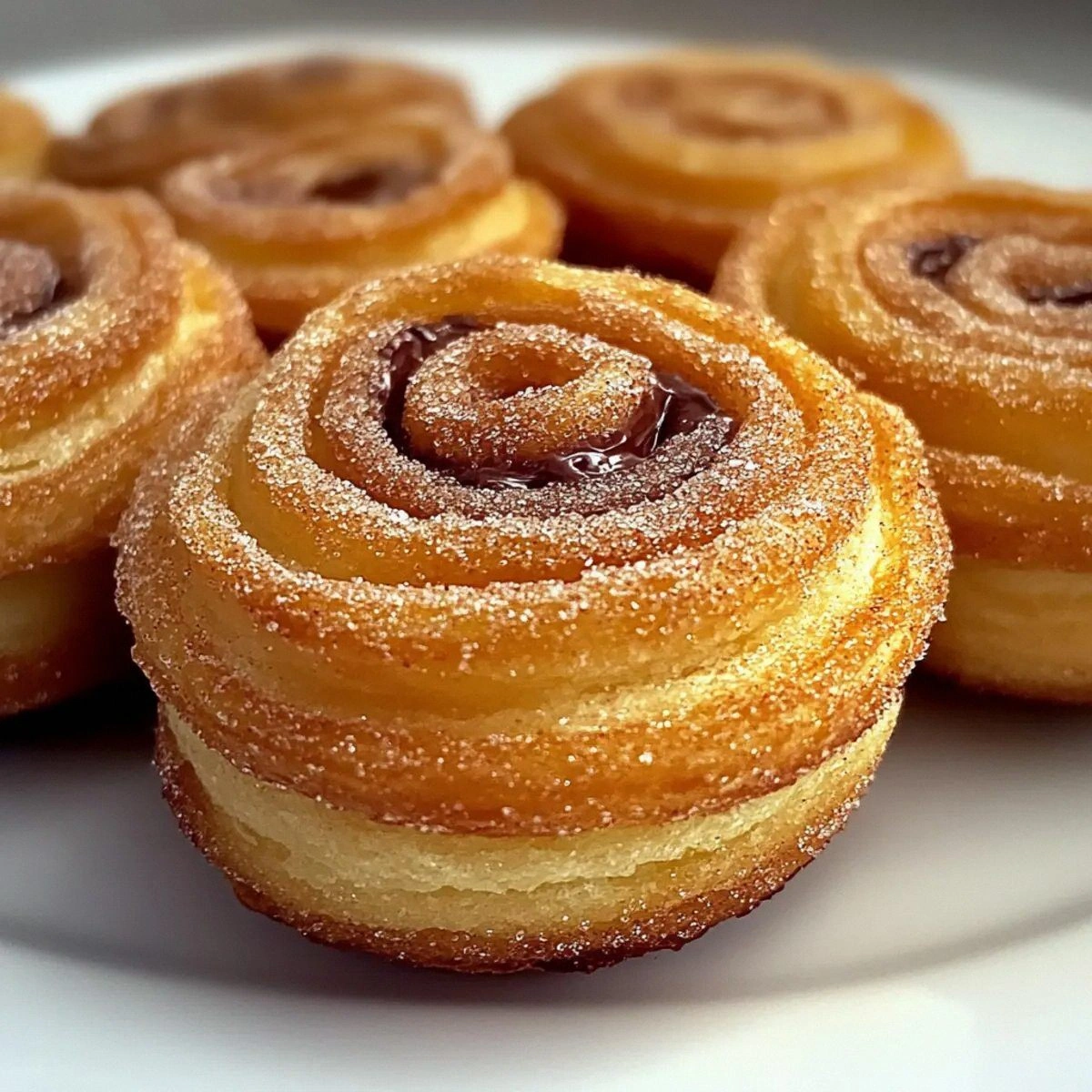
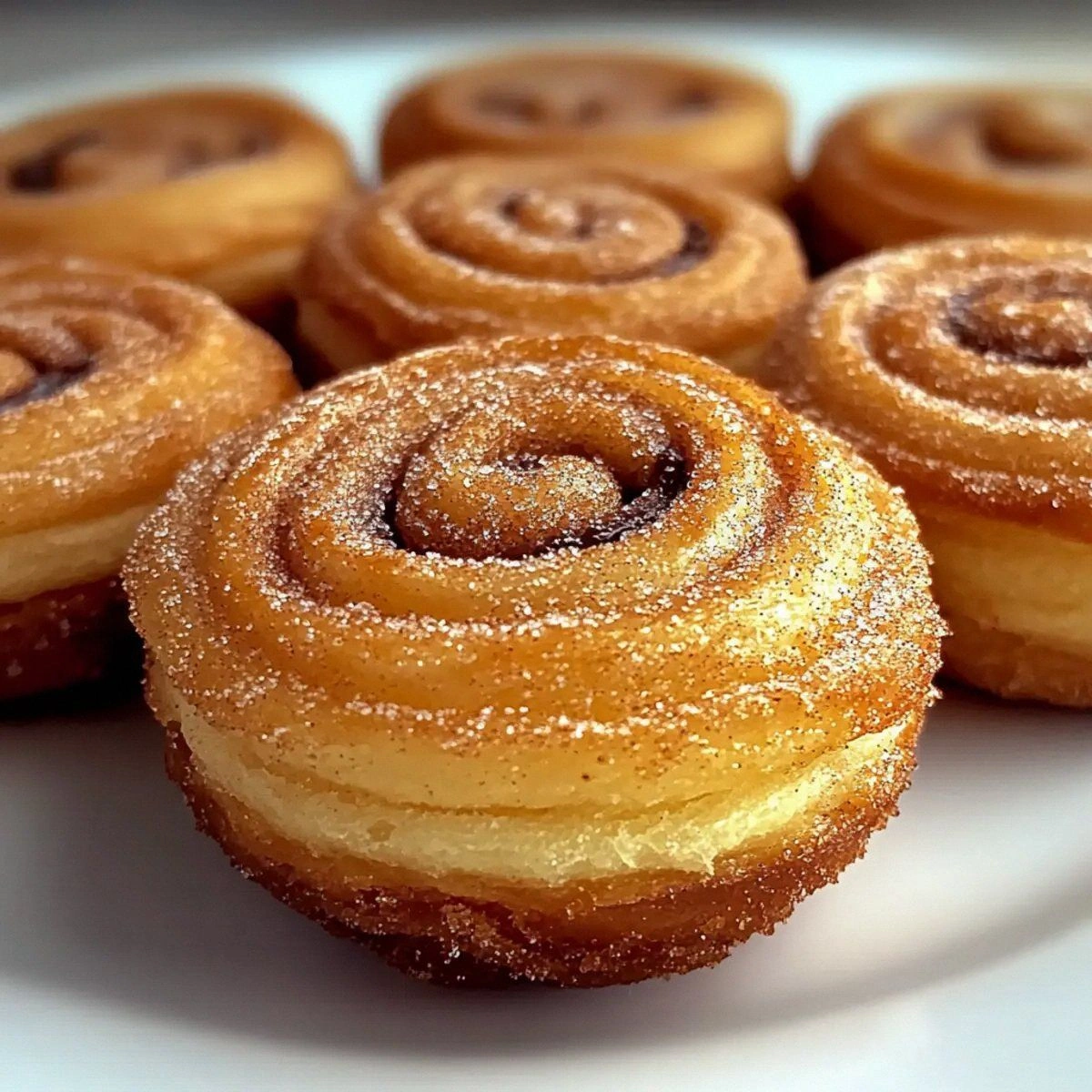
Imagine the scene: the golden‑brown edges of a freshly fried cruffin crackle as you bite into them, releasing a puff of cinnamon‑sugar dust that settles like a soft snowstorm on your tongue. The interior is light as a cloud, buttery layers that melt in seconds, while the exterior sings with a caramelized crunch that shatters like thin ice under a summer footstep. You hear the sizzle of oil as the dough meets the pan, the faint pop of steam escaping, and the faint whirr of the mixer as you whisk together the sweet coating. The aroma? A heady mix of toasted butter, warm cinnamon, and a hint of vanilla that makes your entire apartment feel like a Spanish street fair at midnight.
What makes this version truly stand out is the way I’ve stripped away the unnecessary steps that most recipes drown you in. No complicated dough rests, no endless proofing, no need for a deep‑fried kitchen gadget you’ll only use once a year. I’m using a single sheet of puff pastry – the same one you’d buy for a quick tart – and turning it into a crunchy‑soft masterpiece with just a few pantry staples. Most recipes get the texture wrong, ending up soggy or overly oily; I’ve cracked the code on oil temperature and coating technique so you get that perfect, restaurant‑level crunch every single time.
And here’s the kicker: I’m going to throw in a surprise element that most churro lovers have never imagined – a drizzle of optional chocolate, jam, or sweet cream cheese that you can fold right into the cruffin before the final fry. This little secret turns an already addictive treat into a layered experience that will make your taste buds do the cha‑cha. I dare you to taste this and not go back for seconds. Let me walk you through every single step — by the end, you’ll wonder how you ever made it any other way.
What Makes This Version Stand Out
- Taste: The cinnamon‑sugar coating is balanced by a buttery puff pastry core, creating a flavor profile that’s both nostalgic and elevated.
- Texture: You get a crisp, caramelized crust that shatters like thin ice, while the interior stays light, airy, and melt‑in‑your‑mouth soft.
- Simplicity: No dough resting, no proofing, no fancy equipment – just puff pastry, oil, and a few pantry staples.
- Uniqueness: The cruffin shape lets you hold the treat like a muffin, making it perfect for on‑the‑go snacking without the mess of a traditional churro.
- Crowd Reaction: People who try these for the first time often claim they’re the best churro they’ve ever had, and they’ll beg for the secret ingredient.
- Ingredient Quality: Using high‑fat puff pastry gives you that flaky lift, while neutral oil ensures a clean, even fry without any off‑flavors.
- Cooking Method: The shallow‑fry technique locks in moisture while creating that signature crunch, a method most recipes overlook.
- Make‑Ahead Potential: You can prep the dough and coating ahead of time, then fry fresh when guests arrive – a true party‑ready hack.
Inside the Ingredient List
The Flavor Base
Cinnamon is the heart‑beat of any churro, and in this recipe we use two generous tablespoons that are toasted just enough to release their essential oils. When you sprinkle the cinnamon into the sugar coating, it creates a fragrant cloud that clings to the cruffin’s surface, delivering that signature warm spice with every bite. If you’re missing cinnamon, you can substitute an equal amount of pumpkin spice, but expect a slightly different flavor profile that leans more toward autumn.
The Sweet Coat
One cup of granulated sugar is mixed with the toasted cinnamon to form a coating that caramelizes instantly when it meets hot oil. The sugar does more than just sweeten; it creates a thin, glassy shell that crackles under your teeth. Skipping this step or using brown sugar will give you a softer crust, which might be pleasant, but you’ll lose that signature snap.
The Unexpected Star
Neutral oil (think canola, grapeseed, or refined sunflower) is essential because it has a high smoke point and a neutral flavor that won’t compete with the cinnamon‑sugar. Two cups are enough to shallow‑fry the cruffins without drowning them, and the oil temperature should hover around 350°F (175°C) for that perfect golden hue. If you’re short on neutral oil, you can blend half olive oil with half vegetable oil, but keep the olive portion under 25% to avoid a bitter aftertaste.
The Optional Fillings
A sheet of puff pastry is the canvas, but the real magic comes when you tuck in 100 g of melted chocolate, 100 g of jam, or 200 g of sweet cream cheese before the final fry. Chocolate adds a rich, velvety contrast that melts into the buttery layers, jam provides a fruity burst that cuts through the sweetness, and cream cheese offers a tangy, creamy surprise that balances the cinnamon. Feel free to mix and match – a half‑and‑half swirl of jam and chocolate is my personal favorite.
The Final Flourish
Puff pastry is the unsung hero here. Choose a sheet that’s cold from the fridge; the butter layers will stay distinct and create that coveted flakiness when fried. If you can, look for a brand that lists real butter as the first ingredient – the higher the butter content, the more lift you’ll get. A quick tip: lightly dust the pastry with flour before cutting to prevent sticking, and always cut the squares to a uniform size for even cooking.
Everything's prepped? Good. Let's get into the real action...
The Method — Step by Step
-
First, preheat your oil in a deep, heavy‑bottomed skillet to 350°F (175°C). Use a candy thermometer for accuracy; if the oil is too hot, the crust will burn before the interior cooks, and if it’s too cool, you’ll end up with soggy cruffins. When the oil shimmers and a tiny breadcrumb sizzles immediately, you’re ready for the next move.
Kitchen Hack: Keep a small metal ladle handy to gently lower each pastry piece into the oil, preventing splatter and ensuring a uniform submersion. -
While the oil heats, lay out the sheet of puff pastry on a lightly floured surface. Using a sharp pizza cutter, cut the pastry into 2‑inch squares – think bite‑size muffins. If you’re feeling adventurous, use a cookie cutter for fun shapes, but remember uniform size guarantees even cooking.
-
Now, prepare the cinnamon‑sugar coating. In a shallow bowl, combine the cup of sugar with the two tablespoons of cinnamon, stirring until the mixture is a uniform amber hue. For a deeper flavor, toast the cinnamon in a dry skillet for 30 seconds before mixing – you’ll hear a faint crackle that signals the oils are releasing.
-
If you’re using optional fillings, this is the moment to embed them. Place a teaspoon of melted chocolate, jam, or sweet cream cheese in the center of each pastry square, then gently fold the corners toward the center, creating a loose envelope that will seal when fried. Don’t over‑stuff; a little goes a long way, and too much can cause the filling to burst out, creating a messy oil splash.
Watch Out: If the filling is too hot, it can cause the oil to spatter violently. Let melted chocolate or jam cool to room temperature before stuffing. -
Lightly dust each stuffed square with a whisper of flour – this helps the sugar‑cinnamon coating adhere. Then, roll each piece in the cinnamon‑sugar mixture, pressing gently so the coating clings. The coating should look like a fine dusting, not a thick paste; you’ll add more later after the first fry.
-
Gently slide the coated squares into the hot oil, a few at a time, so the temperature doesn’t drop. Fry for about 2‑3 minutes per side, or until the pastry has puffed up and turned a deep golden‑brown. You’ll hear a satisfying sizzle and see the edges start to pull away from the pan – that’s your cue to flip.
Kitchen Hack: Use a slotted spoon to lift the cruffins out, allowing excess oil to drip back into the pan before transferring to a cooling rack. -
Once fried, place the cruffins on a wire rack set over a sheet of paper towels. While they’re still warm, give them a second dusting of the cinnamon‑sugar blend – this creates that glossy, crackly finish that makes them look bakery‑perfect. The second coating adheres because the surface is still slightly oily, locking in the sweet crunch.
-
Allow the cruffins to rest for a minute or two; this short rest lets the interior settle while the exterior stays crisp. Serve them warm, straight from the rack, or let them cool completely and store in an airtight container. Trust me, the aroma that wafts from a warm batch is a game‑changer – you’ll hear neighbors knocking on your door before you even finish the first round.
That's it — you did it. But hold on, I've got a few more tricks that'll take this to another level...
Insider Tricks for Flawless Results
The Temperature Rule Nobody Follows
Most home cooks set the oil to “medium heat” and hope for the best, but the secret to that perfect crunch is a steady 350°F (175°C). Use a candy or deep‑fry thermometer and adjust the flame in small increments; even a 10‑degree swing can change the texture from airy to soggy. I once tried to speed things up by turning the heat up, and the cruffins emerged blackened on the outside while still doughy inside – a culinary nightmare.
Why Your Nose Knows Best
Your sense of smell is a far better indicator than a timer when frying. When the oil starts to emit a faint, nutty aroma, that’s the sweet spot where the coating will caramelize without burning. If you notice a sharp, acrid smell, the oil is overheating and you need to lower the heat immediately. Trust your nose; it will save you from a batch of bitter, over‑cooked cruffins.
The 5‑Minute Rest That Changes Everything
After the first fry, let the cruffins rest for exactly five minutes before the second coating. This pause allows the interior steam to redistribute, preventing the pastry from collapsing when you add the extra sugar dust. I once skipped this rest and the cruffins deflated like a sad balloon – the lesson? Patience is delicious.
The Double‑Coat Technique
A single dusting of cinnamon‑sugar looks good, but a double coating creates a glossy, crackly surface that’s Instagram‑ready. The first coat adheres during the fry, while the second coat sticks to the still‑warm surface, forming a thin glassy shell. This trick is what separates “good” from “hands down the best version you'll ever make at home.”
Cold‑Roll the Puff for Extra Flake
If you have a rolling pin, lightly roll the puff pastry sheet a half‑inch thinner before cutting. The extra thinness amplifies the layers, giving you an even more delicate crunch once fried. I tried this on a whim and the result was a cruffin that practically dissolved on the tongue – a texture you’ll want to chase forever.
Creative Twists and Variations
This recipe is a playground. Here are some of my favorite ways to switch things up:
Maple‑Brown Sugar Bliss
Swap half the granulated sugar for dark brown sugar and add a tablespoon of pure maple syrup to the coating mix. The result is a deeper, caramel‑rich flavor that pairs beautifully with the cinnamon. Perfect for autumn brunches or whenever you want a cozy vibe.
Cocoa‑Infused Crunch
Add two teaspoons of unsweetened cocoa powder to the cinnamon‑sugar blend. The chocolatey undertone turns the cruffin into a dessert that feels like a chocolate‑covered churro. Top with a drizzle of melted chocolate for extra decadence.
Savory Cheese Surprise
Replace the sweet cream cheese with a tangy goat cheese mixed with a pinch of smoked paprika. The savory‑sweet contrast makes these cruffins perfect as an appetizer for cocktail parties. Serve with a drizzle of honey for that sweet‑salty harmony.
Citrus Zest Burst
Add the zest of one orange or lemon to the cinnamon‑sugar coating. The citrus lifts the richness and adds a bright, aromatic pop that makes the treat feel lighter. This variation shines at summer picnics where you want something refreshing yet indulgent.
Nutty Caramel Swirl
Stir in a tablespoon of finely chopped toasted almonds into the sugar coating and drizzle a thin ribbon of caramel sauce over the finished cruffins. The nutty crunch adds texture, while the caramel adds a glossy finish that looks as good as it tastes.
Storing and Bringing It Back to Life
Fridge Storage
Place cooled cruffins in an airtight container lined with parchment paper. They’ll stay fresh for up to three days, though the exterior may lose a bit of its crispness. To revive, give them a quick 30‑second blast in a 350°F oven – the sugar coating will re‑crackle instantly.
Freezer Friendly
For longer storage, arrange the cruffins on a baking sheet and freeze them uncovered for one hour, then transfer to a zip‑top freezer bag. They’ll keep for up to two months. When you’re ready to enjoy, bake straight from frozen at 350°F for 8‑10 minutes, adding a splash of water to the pan to generate steam and restore that fluffy interior.
Best Reheating Method
The secret to reheating without sogginess is a quick flash in a hot oven combined with a tiny splash of water in the pan. Place the cruffins on a preheated baking sheet, spray lightly with water, and bake for 5 minutes. The steam revives the interior while the oven’s dry heat re‑crisp the exterior, making them taste like they just came out of the fryer.