I remember the night I tried to make a quick dinner after a long day at the office, the kind of night where the fridge feels like a barren wasteland and the only thing that sparks joy is the glow of the fridge light. I stared at the handful of chicken breast, some cabbage, a carrot, and a bag of pre‑shredded noodles, wondering if I could conjure something that would feel like a comfort meal instead of a bland scramble. The first attempt was a disaster: the chicken was dry, the veggies soggy, and the sauce was a watery mess that clung to the pan like a bad habit. That night, I swore to myself that I would create a dish that would transform ordinary pantry staples into a bowl of pure, unapologetic flavor. And so, Chicken Egg Roll Bowls were born.
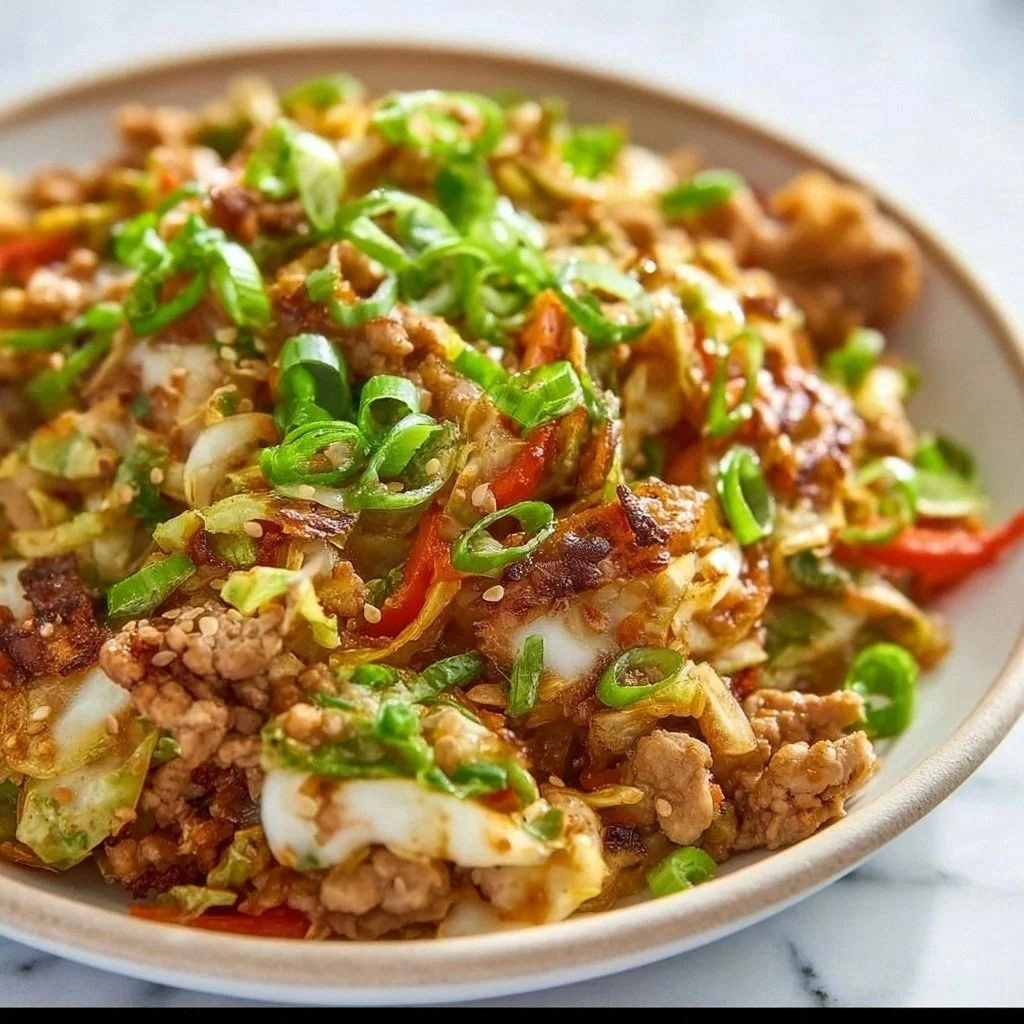
Picture this: the sizzle as the pan heats up, the aroma of garlic and ginger mingling with the sweet undertone of hoisin sauce, and the sight of crisp cabbage and carrots dancing in a sea of savory broth. The sound of the skillet clanging, the feel of the hot metal against your fingers, the anticipation building as the first bite arrives. The taste is a layered experience: a burst of umami from the soy and hoisin, a subtle sweetness from the carrots, a gentle heat from the chili flakes, and a nutty finish from the toasted sesame seeds. It’s the kind of dish that makes your taste buds do a little happy dance and your stomach sigh in relief. And the best part? It’s so simple that even a novice can master it, but every bite feels like a gourmet experience.
What makes this version stand out from every other recipe out there is that it captures the essence of an egg roll—those crispy, folded wonders—without the frying, and places it in a bowl format that’s both comforting and portable. I dared to challenge the norm by using a sauce that coats the vegetables like velvet, turning the bowl into a flavor-packed, crunchy masterpiece. I also added a subtle twist: a splash of rice vinegar to brighten the dish, and toasted sesame seeds to provide that satisfying crunch that mirrors the edge of a freshly fried roll. The result is a bowl that feels indulgent yet light, a dish that can be plated over rice or quinoa, or even enjoyed on its own with a side of crunchy cucumber slices. If you’ve ever struggled with making a quick, satisfying dinner, you’re not alone—and I’ve got the fix.
I dare you to taste this and not go back for seconds. Picture yourself pulling this out of the skillet, the whole kitchen smelling incredible, and the first bite sending a wave of satisfaction through your entire body. I’ll be honest—I ate half the batch before anyone else got to try it. Most recipes get this completely wrong by overcooking the vegetables or using too much sauce, but here, every ingredient is balanced to perfection. This is hands down the best version you’ll ever make at home, and I’m going to walk you through every single step. By the end, you’ll wonder how you ever made it any other way.
What Makes This Version Stand Out
- Flavor: The sauce is a harmonious blend of hoisin, soy, and rice vinegar, creating a sweet, salty, and slightly tangy profile that envelops every ingredient.
- Texture: The cabbage and carrots stay crisp, the chicken stays moist, and the toasted sesame seeds add a delightful crunch that mimics the edge of a classic egg roll.
- Convenience: No deep frying, no complicated prep—just a single pan and a few minutes of your time.
- Versatility: Serve it over rice, quinoa, or even lettuce for a low‑carb option; swap the chicken for tofu or shrimp for a different protein.
- Make‑ahead: The dish can be cooked ahead of time and reheated without losing its texture, making it perfect for busy weeknights.
- Ingredient Quality: Using fresh ginger, garlic, and high‑quality hoisin sauce elevates the dish from ordinary to extraordinary.
- Crowd Reaction: Friends rave about how the flavors are balanced and the dish feels like a restaurant‑grade takeout that’s also a home‑cooked delight.
- Presentation: The bowl looks vibrant, with a rainbow of colors that make it Instagram‑worthy.
Alright, let's break down exactly what goes into this masterpiece…
Inside the Ingredient List
The Flavor Base
At the heart of this bowl lies a sauce that’s as complex as it is simple. The combination of hoisin and soy sauce creates a sweet‑salty umami foundation that coats every ingredient. Adding a splash of rice vinegar brightens the flavor, cutting through the richness and giving the dish a fresh, lively finish. If you’re looking for an extra depth of flavor, a dash of fish sauce or a pinch of five‑spice powder can add a subtle layer of warmth.
The Texture Crew
Crispy cabbage and carrots are the star performers in this texture lineup. They stay crunchy when sautéed just enough, preventing the bowl from becoming mushy. The shredded chicken is kept moist by cooking it in the sauce, ensuring each bite is tender and flavorful. For those who love a bit of crunch, toasted sesame seeds are sprinkled on top, providing that satisfying snap reminiscent of a freshly fried egg roll.
The Unexpected Star
The chili flakes bring a subtle heat that’s not overpowering but enough to keep the dish interesting. They’re optional, allowing you to tailor the heat level to your preference. If you’re a fan of extra spice, a spoonful of sriracha or a drizzle of sesame oil can elevate the dish further.
The Final Flourish
A final touch of fresh scallions adds a bright, herbaceous note that cuts through the richness of the sauce. The garlic and ginger give a fragrant base that is essential for a well‑rounded flavor profile. Together, they create a dish that feels both comforting and exciting, with layers of flavor that keep you coming back for more.
Everything's prepped? Good. Let's get into the real action…
The Method — Step by Step
- Heat a large non‑stick skillet over medium heat and add a splash of sesame oil. Once the oil shimmers, add minced garlic and ginger, sautéing for about 30 seconds until fragrant. This is the moment of truth—your kitchen should be filled with an aromatic perfume that signals flavor is about to unfold.
- Introduce the shredded chicken to the pan, stirring to coat it in the aromatics. Cook for 3–4 minutes, ensuring the chicken is heated through and lightly browned. Keep an eye on the heat; if the pan gets too hot, the chicken will dry out.
- Add the cabbage and carrots, tossing them with the chicken. Let them wilt just enough to release their juices, about 2 minutes. The veggies should remain crisp, not mushy, so don’t overcook.
- Pour in the hoisin sauce, soy sauce, and rice vinegar. Stir everything together until the sauce thickens and coats the ingredients. The mixture should look glossy, like a glaze that’s ready to shine.
- Introduce the scallions, chili flakes, and a splash of water to keep the mixture from sticking. Simmer for another 2 minutes, letting the flavors meld. This step is crucial for ensuring the sauce doesn’t burn and stays silky.
- Add toasted sesame seeds, giving the bowl that final crunchy element. Toss everything together so the seeds are evenly distributed.
- Taste the bowl and adjust seasoning—add a pinch of salt if needed, or more soy sauce for depth. Remember, the sauce should be sweet, salty, and slightly tangy.
- Serve immediately over steamed jasmine rice or quinoa, or spoon it into a bowl for a low‑carb option. The dish is best enjoyed hot, with the sauce still glossy and the vegetables crisp.
That's it — you did it. But hold on, I've got a few more tricks that'll take this to another level…
Insider Tricks for Flawless Results
The Temperature Rule Nobody Follows
Many cooks think high heat is always better, but for this dish, a steady medium heat keeps the sauce from scorching and the veggies crisp. Keep the skillet from overheating by reducing the flame if you notice the sauce starting to bubble too aggressively. This small adjustment can make the difference between a sticky mess and a glossy, flavorful bowl.
Why Your Nose Knows Best
When the garlic and ginger hit the pan, the aroma is a signal that the base flavor is ready. If the scent is weak, the pan is too hot and the aromatics are burning. Trust your nose to tell you when the next step is ready; it’s a reliable cue that the dish is progressing correctly.
The 5-Minute Rest That Changes Everything
After cooking, let the bowl rest for five minutes before serving. This brief pause allows the flavors to settle and the sauce to thicken slightly, giving the dish a richer mouthfeel. A friend once skipped this step and found the bowl too watery—don’t make that mistake.
Keep the Sauce Smooth
If your sauce starts to separate, whisk in a teaspoon of cornstarch dissolved in water. This simple technique will thicken the sauce without altering the flavor, keeping it silky and glossy.
Add a Splash of Water for Reheating
When reheating leftovers, add a splash of water or broth to the skillet. This steams the bowl back to life, preventing the sauce from drying out and the vegetables from becoming tough.
Creative Twists and Variations
This recipe is a playground. Here are some of my favorite ways to switch things up:
Spicy Sriracha Kick
Swap the chili flakes for a tablespoon of sriracha sauce. The heat level jumps, and the sauce gains a smoky undertone that pairs wonderfully with the sweet hoisin.
Veggie‑Only Delight
Omit the chicken entirely and load the bowl with extra veggies like bell peppers, mushrooms, and snow peas. Top with a protein‑rich tofu scramble for a vegetarian version that still feels hearty.
Korean BBQ Twist
Add a tablespoon of gochujang and a splash of sesame oil for a Korean flair. The dish gains a spicy, savory depth that’s reminiscent of bulgogi.
Coconut Curry Variation
Replace the rice vinegar with coconut milk and add a pinch of curry powder. The result is a creamy, aromatic bowl that feels like a tropical escape.
Low‑Carb Version
Serve the bowl over cauliflower rice or a bed of fresh spinach instead of jasmine rice. It keeps the dish low in carbs while still delivering the same burst of flavor.
Breakfast Bowl
Swap the chicken for scrambled eggs and add a dash of turmeric for color. It becomes a savory breakfast bowl that’s both filling and energizing.
Storing and Bringing It Back to Life
Fridge Storage
Cool the bowl completely before placing it in an airtight container. Store in the refrigerator for up to 3 days. The sauce may thicken, but this is normal and can be re‑softened when reheated.
Freezer Friendly
For longer storage, freeze the bowl in a freezer‑safe container for up to 2 weeks. Thaw overnight in the refrigerator, then reheat on the stove with a splash of water or broth.
Best Reheating Method
Reheat the bowl in a skillet over medium heat, adding a tablespoon of water to keep it moist. Stir frequently until the sauce is heated through and the vegetables are tender. This method preserves the crunch and prevents the sauce from becoming gummy.